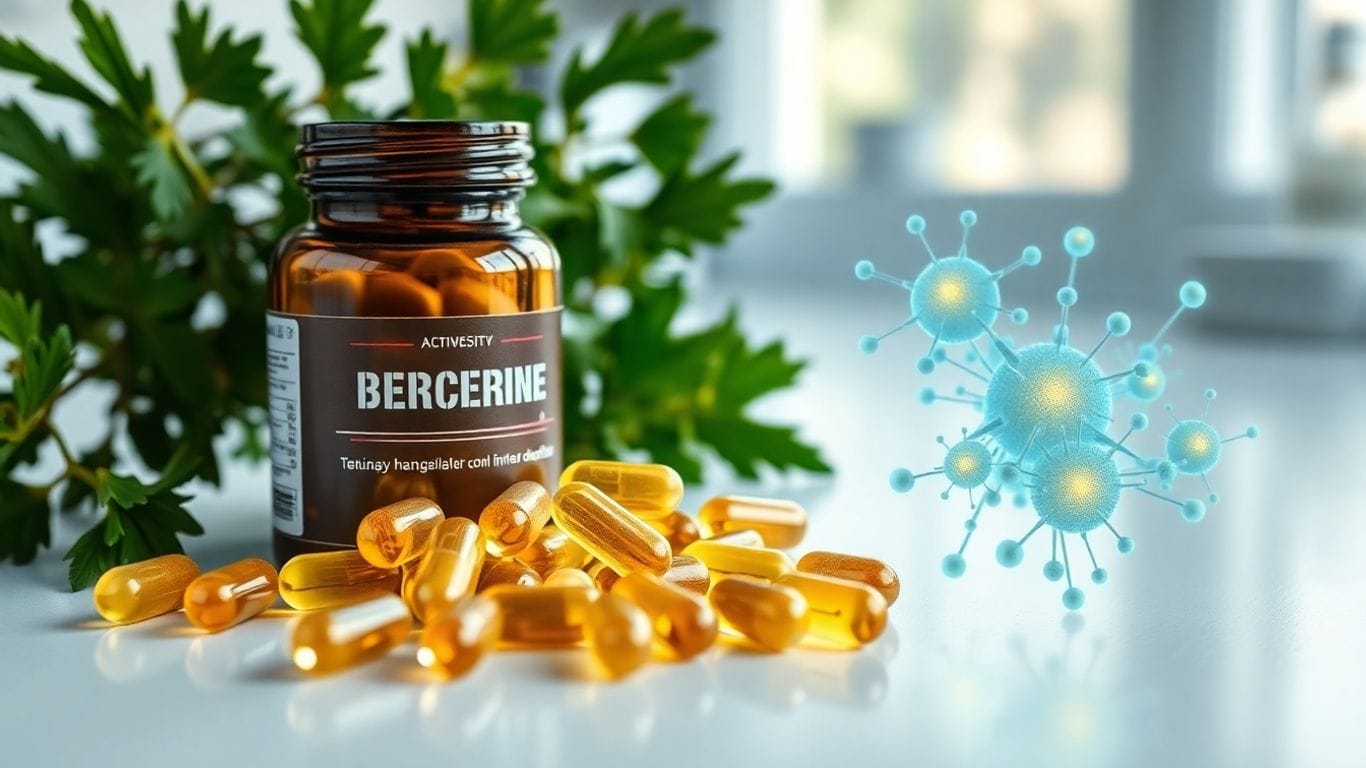
Berberine and AMPK Activation is becoming a hot topic, especially when it comes to managing chronic health problems. It’s not just another supplement hype—there’s real science behind how berberine, a compound from certain plants, interacts with our body’s energy regulator, AMPK. This combo seems to touch everything from how our blood vessels work to how our bodies handle sugar and fat. But there are some challenges, like how well berberine gets absorbed and how it’s delivered. In this article, we’ll break down what’s known, what’s promising, and what still needs to be figured out about using berberine and AMPK activation for tackling chronic conditions.
Key Takeaways
- Berberine activates AMPK, a key protein that helps control energy balance and metabolism in the body.
- This combo may help improve blood vessel health, lower cholesterol, and reduce plaque buildup in arteries.
- Berberine and AMPK activation can support better blood sugar control and improve how the body handles fats.
- There are hurdles with how well berberine is absorbed, but new delivery methods and combinations are being explored.
- Research is ongoing, but berberine and AMPK activation show real promise for managing issues like diabetes, obesity, and heart disease.
Mechanistic Insights Into Berberine and AMPK Activation
Berberine, a compound found in some medicinal plants, has been used for a long time in traditional remedies. Today, its ability to activate the AMPK pathway is getting a lot of attention, especially for people dealing with chronic conditions like diabetes and cardiovascular problems. AMPK acts as the cell’s energy sensor, and when berberine turns it on, there’s a ripple effect across many vital processes in the body. Below, I’m breaking down the three main angles on how berberine interacts with AMPK.
Molecular Basis of AMPK Activation by Berberine
- Berberine triggers AMPK activation by shifting the cell's energy balance, increasing the AMP/ATP ratio.
- Once switched on, AMPK helps cells prioritize energy production by dialing back less urgent tasks (like fat or protein synthesis) and ramping up ATP-generation pathways.
- Unlike some drugs or hormones, berberine activates AMPK independently of insulin, making it an interesting option for insulin-resistant conditions.
| Pathway | Berberine's Effect | Resulting Cellular Action |
|---|---|---|
| AMP/ATP Ratio | Increases | AMPK is activated |
| AMPK Kinase (AMPKK) | May be involved | Phosphorylation of AMPK (Thr172) |
| Downstream Enzymes | Alters activity | Fatty acid oxidation ↑, synthesis ↓ |
Regulation of Mitochondrial Function and Energy Homeostasis
- Berberine directly affects mitochondria, where it partially blocks complex I of the respiratory chain, leading to less ATP but more AMP inside the cell.
- This change signals the cell to fire up catabolic processes (like breaking down glucose and fat for energy), while tamping down energy-intensive tasks (such as making cholesterol or new fats).
- The net effect is a push towards greater energy efficiency and less waste, which is particularly helpful in conditions linked to metabolic overload or poor energy control.
As mitochondria adjust to berberine, the cell gets better at recycling its own components and generating cleaner energy, which can ease the stress on organs that are usually overwhelmed in chronic diseases.
Role of Reactive Oxygen Species in AMPK Signaling
- When mitochondria shift gears, one byproduct is an increase in reactive oxygen species (ROS). While high ROS can be damaging, low-level ROS actually helps activate AMPK.
- Berberine seems to work within this sweet spot, nudging ROS just enough to wake up AMPK, without tipping the balance toward oxidative damage.
- This gentle stress response is one of the reasons berberine supports cellular health, especially when chronic conditions have pushed cells out of their comfort zone.
List of key takeaways:
- Berberine activates AMPK by manipulating cellular energy status and mitochondrial function.
- This activation boosts energy production and curbs unnecessary energy use, which is useful for metabolic syndromes.
- Low-level ROS helps fine-tune AMPK activation, making berberine a nuanced tool rather than a blunt instrument.
All in all, the AMPK-berberine link is promising for targeting the root issues in many chronic health problems, and the underlying mechanisms suggest benefits far beyond just managing symptoms.
Berberine and AMPK Activation in Cardiovascular Health
The relationship between berberine, AMPK activation, and cardiovascular well-being is getting a lot of attention lately. Increasing evidence suggests berberine, by switching on AMPK pathways, can influence several heart and blood vessel functions that matter in long-term health. Here’s a quick look into how this works in practice.
Enhancement of Vascular Endothelial Function
Berberine has a notable impact on the inner lining of blood vessels, also called the endothelium. It turns on AMPK, which then helps boost production of nitric oxide (NO). This helps blood vessels relax, keeping them flexible and less likely to develop damage. Here’s what happens step by step:
- Berberine triggers AMPK in endothelial cells.
- AMPK activates endothelial nitric oxide synthase (eNOS).
- eNOS leads to more NO production, improving blood flow and lowering the risk of vessel stiffening.
Reduction of Atherosclerosis Through AMPK Pathways
Atherosclerosis—hardening and narrowing of arteries by plaque—is a bigger risk when oxidative stress and inflammation are out of control. Berberine’s activation of AMPK helps slow this process through several routes:
| Factor | Effect of Berberine (via AMPK) |
|---|---|
| Oxidative stress | Decreased |
| Vascular inflammation | Lowered |
| Plaque buildup | Reduced |
| Expression of UCP2 | Increased |
AMPK kicks up UCP2 (uncoupling protein 2), which cuts down harmful reactive oxygen species (ROS) and soaks up some inflammation before it escalates. That means the lining of arteries is protected for longer, with less buildup over time.
Regulation of Nitric Oxide and Endothelial Homeostasis
Nitric oxide is key for keeping vessels healthy, but its levels drop off under stress or in chronic disease. Berberine helps in three main ways:
- Raises nitric oxide output through AMPK-driven eNOS activation.
- Reduces molecules that stick to and irritate vessel walls.
- Helps smooth muscle in arteries relax, maintaining steady blood pressure.
Berberine’s influence on AMPK can help strike a balance in arterial function, possibly offering a shield against many issues tied to heart disease and hypertension. As research moves forward, everyday use of berberine might become an option for some folks who want another way to look after their vascular health.
Modulation of Glucose and Lipid Metabolism via AMPK Pathways
When it comes to managing chronic metabolic conditions, AMPK (AMP-activated protein kinase) has a big role. This enzyme acts a bit like a master switch in the cell, shifting processes to burn energy and keep the balance between glucose and lipids. Berberine stands out as one of the most effective natural activators of AMPK, making it a unique ally for anyone struggling with metabolic syndrome, diabetes, or high cholesterol.
Impact on Insulin Sensitivity and Glucose Homeostasis
AMPK is crucial for glucose management. By activating AMPK, berberine helps cells bring more glucose inside, especially muscle cells, which is great for lowering blood sugar after meals. At the same time, this activation tells the liver to produce less glucose, meaning less floating around in the blood when it's not needed.
Some key effects of AMPK activation on glucose metabolism include:
- Promoting the uptake of glucose by upregulating GLUT4 transporters in muscle cells
- Suppressing new glucose production (gluconeogenesis) in the liver
- Helping reset insulin signaling, making tissues more responsive
Even when diets fail or exercise routines become inconsistent, AMPK activation by berberine can help nudge your system back toward better blood sugar regulation.
Inhibition of Lipogenesis and Promotion of Lipid Oxidation
Excess sugar in the body often ends up stored as fat. AMPK helps put the brakes on this process by turning down the enzymes needed for synthesizing fats (lipogenesis) and turning up those that break down fats for energy (lipid oxidation) instead.
Here’s a quick breakdown in markdown table form:
| Effect of AMPK Activation | Impact on Lipid Metabolism |
|---|---|
| Downregulates ACC and SREBP-1c | Less new fat production (lipogenesis) |
| Upregulates CPT1 | Increased fat burning (oxidation) |
| Lowers FAS expression | Less fatty acid synthesis |
Berberine’s Effects on LDL and Cholesterol
AMPK activation leads to more than just blood sugar benefits. The downstream effect actually improves cholesterol handling by the liver, making it clear more LDL ("bad cholesterol") from the blood.
A few ways berberine, via AMPK, impacts cholesterol:
- Boosts LDL receptor expression in the liver, which pulls cholesterol out of circulation.
- Cuts down on cholesterol synthesis by slowing the HMG-CoA reductase pathway.
- Promotes breakdown and excretion of cholesterol through bile acids.
With regular use, berberine’s partnership with AMPK can support a stable cholesterol profile, sometimes matching the effects seen with mainstream drugs, minus many of their side effects.
Berberine and AMPK Activation for Metabolic Syndrome and Obesity
Anti-Obesity Actions Through Adipokine Regulation
Berberine helps the body manage weight and metabolism by affecting key hormones called adipokines. These hormones are made by fat tissue, and they help control:
- How the body stores and burns fat.
- Sensitivity to insulin (how well the body processes blood sugar).
- Levels of inflammation in fat tissue.
Berberine reduces levels of harmful pro-inflammatory adipokines and increases levels of adiponectin, which supports healthier responses to insulin. This shift makes it easier for the body to avoid the buildup of excess fat and metabolic issues linked with obesity.
Influence on Adipogenesis and Fat Accumulation
When it comes to how fat is made and stored, berberine targets a process called adipogenesis—the creation of new fat cells. It does this by activating AMPK. Once switched on, AMPK helps:
- Suppress the development of new fat cells.
- Boost the breakdown of stored fats for energy (lipolysis and fatty acid oxidation).
- Alter the activity of enzymes involved in making fat.
Berberine’s effect on AMPK also affects mitochondria, which are like tiny power plants inside cells. By making these power plants work harder, the body burns more energy and stores less fat.
Here’s a simple look at how berberine impacts fat metabolism:
| Mechanism | Effect on Fat Tissue |
|---|---|
| AMPK activation | Inhibits fat cell formation |
| Boosted mitochondrial use | Increases fat burning |
| Less inflammatory signals | Reduces fat accumulation |
Metabolomic and Multi-Omic Insights into Metabolic Effects
Modern research uses detailed tools (like metabolomics and genomics) to see all the small changes berberine brings. These include:
- Changes in how the body uses fuel (better carbohydrate and fat use).
- Altered gut microbiome—berberine encourages short-chain fatty acid (SCFA) production, which is good for metabolism.
- Changes in bile acid metabolism, which can affect cholesterol and glucose levels.
Metabolomics has also shown that berberine boosts the activity of molecules that help shuttle fatty acids into mitochondria, making it easier for the body to use fat as an energy source.
Even though berberine’s actions are complex, the end result is clear: it works on several pathways at once to help lower body fat, improve insulin sensitivity, and support overall metabolic health, making it a solid option for people dealing with metabolic syndrome or obesity.
Improving Bioavailability and Delivery of Berberine
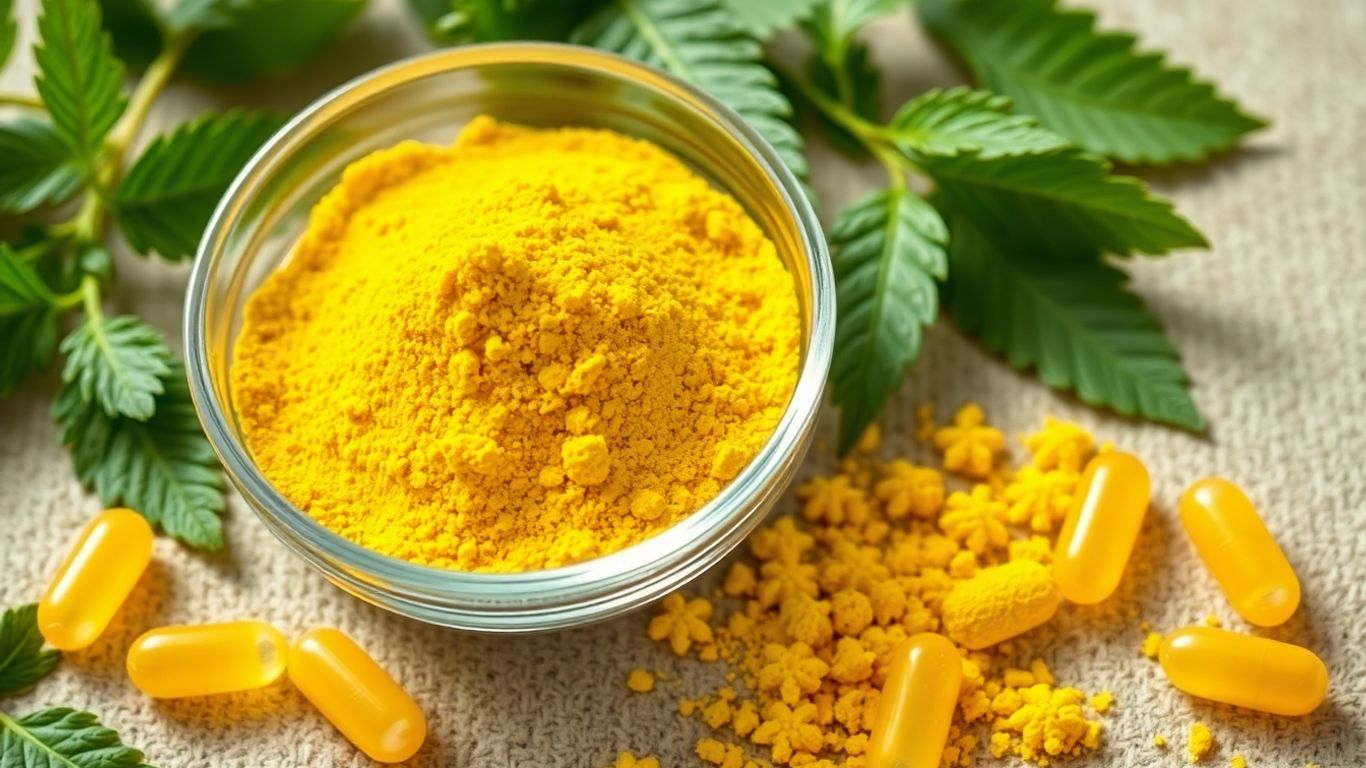
Berberine sounds promising for a bunch of health concerns, but there's one big catch—it's tough for the body to absorb. Swallow a regular dose, and less than 1% actually makes it out of your gut and into your bloodstream. That's usually not enough to get noticeable results, especially for chronic issues that need steady therapeutic levels.
Challenges With Oral Absorption and Systemic Exposure
The main roadblock with berberine is poor oral bioavailability, thanks to its low solubility, weak passive absorption, and rapid metabolism.
- Much of it gets broken down by bacteria in the gut or transformed in the liver before it can circulate.
- Short elimination half-life means blood levels drop fast, so frequent dosing is often needed.
- Gut microbes can convert berberine into dihydroberberine (a form that absorbs better), but this still isn’t ideal for precise dosing.
| Barriers to Bioavailability | Description |
|---|---|
| Solubility | Poor dissolution in water and gut juices |
| Metabolism | Fast breakdown by gut and liver before absorption |
| Efflux | Pumped out of cells by proteins like P-glycoprotein |
| Rapid Excretion | Quickly cleared by kidneys and liver |
Consistent effects with standard oral berberine are hard to achieve, so more reliable delivery strategies are needed for chronic conditions.
Innovative Delivery Systems and Formulations
Researchers are testing ways to get around these problems. Some ideas are high-tech, others are more practical:
- Nanoparticle Encapsulation: Encasing berberine in solid lipid, chitosan, or liposomal nanoparticles shields it from breakdown, ramps up absorption, and allows for slow, targeted release.
- Polymeric Carriers and Hydrogels: These protect berberine in the gut and can help deliver it directly to specific tissues, like inflamed sites.
- Modified Tablets/Capsules: pH-dependent coatings, floating beads, or colon-targeted forms can hold berberine in the stomach or direct it to the colon for improved uptake.
| Delivery System | Key Benefits | Drawbacks |
|---|---|---|
| Solid Lipid Nanoparticles | High bioavailability, liver targeting | Complex to manufacture |
| Liposomes | Protect from light/degradation | Cost, stability issues |
| Polymeric Nanoparticles | Steady release, customizable | Scale-up and safety challenges |
| pH-sensitive Tablets | Gastric retention, sustained release | Simpler tech but less precise |
Berberine Derivatives and Combination Therapies
Scientists are also fiddling with the molecule itself:
- Berberine Derivatives: Changing parts of the berberine molecule (like adding ester groups, aryl substitutions, or tying it to carbohydrates) can boost its absorption dramatically and sometimes enhances its effects on blood sugar, cholesterol, or inflammation.
- Combo Therapies: Pairing berberine with other drugs—such as metformin—may provide a synergistic effect, especially for multidrug-resistant situations as seen in some cancers or hard-to-treat metabolic disorders.
- Targeting the Gut Microbiome: Strategies that support gut bacteria converting berberine to more absorbable forms (like dihydroberberine) are also on the table, but more research is still needed here.
Getting berberine to work better isn't just about new tech—it's about finding the best blend of smart delivery, clever chemistry, and maybe even tuning up your gut bacteria.
Emerging Therapeutic Applications of Berberine and AMPK Activation
Potential in Diabetes and Insulin Resistance
Berberine shines as a promising agent for people wrestling with diabetes and issues related to insulin resistance. It reliably activates AMPK, which helps improve how cells use glucose and respond to insulin. This results in lower blood sugar, better A1c levels, and greater insulin receptor availability on cells. Here are a few ways berberine is showing up in metabolic care:
- Supports lowered fasting and post-meal blood sugar.
- Reduces insulin resistance in muscle and fat tissue, making it easier for these tissues to clear sugar from the blood.
- Can work alongside standard medications like metformin, sometimes even improving their effects.
| Effect | Observed Outcome |
|---|---|
| Fasting Glucose | Decreased |
| A1c Levels | Improved |
| Insulin Sensitivity | Increased |
| LDL/Cholesterol | Lowered |
Some users see benefits within a few weeks, but long-term improvements tend to stick around as long as the supplement is continued.
Role in Managing Inflammation and Oxidative Stress
Inflammation and oxidative stress feed into chronic problems like atherosclerosis, fatty liver, and even some neurodegenerative disorders. With berberine's ability to activate AMPK, it helps quiet inflammatory pathways and reduces the production of damaging molecules such as reactive oxygen species (ROS). Practical effects from clinical and laboratory studies include:
- Lowered C-reactive protein (CRP) and other inflammation markers.
- Reduced oxidative damage in blood vessels and organs.
- Enhanced production of protective mitochondrial proteins like UCP2.
Over time, you may notice less fatigue or pain as systemic inflammation goes down. This isn't just good for the heart, but also has ripple effects through metabolism and immune health.
Future Directions in Chronic Disease Intervention
Research into berberine and AMPK is still unfolding, but the next wave of studies is set to tackle:
- Expanded clinical trials for heart, metabolic, and liver conditions.
- Combinations with new delivery systems to increase absorption and effectiveness.
- Use of berberine with other drugs (like statins or diabetes meds) to see if the effects are complementary or even synergistic.
Table: Areas Where Berberine/AMPK Therapy Is Being Explored
| Condition | Current Status |
|---|---|
| Type 2 Diabetes | Clinical application |
| Obesity | Early clinical trials |
| Cardiovascular Disease | Mixed evidence |
| Nonalcoholic Fatty Liver | Promising preclinical |
| Neuroprotection | Animal/cell studies |
The journey isn't finished yet. Berberine and AMPK-focused therapies are lining up to be part of the chronic condition toolbox, but more firsthand research is needed to sort out exactly who benefits the most, and at what doses long-term.
Conclusion
So, after looking at all the research and real-world examples, it seems like berberine and AMPK activation could be a pretty interesting combo for tackling chronic conditions. Berberine, which comes from plants and has been used in traditional medicine for ages, shows promise for things like diabetes, obesity, and even heart health. A lot of its benefits seem to come from how it activates AMPK, a protein that helps the body manage energy, improve insulin sensitivity, and reduce inflammation. There are still some hurdles, like berberine’s low absorption in the body and possible side effects, but new ways to deliver it are being tested. All in all, while it’s not a magic bullet, berberine—especially when it works through AMPK—might be a helpful tool for people dealing with long-term health issues. More studies in humans will help clear up exactly how useful it can be, but the early signs are encouraging.
Frequently Asked Questions
What is berberine and where does it come from?
Berberine is a natural compound found in certain plants, like Phellodendron and Coptis. It has been used in traditional Chinese medicine for a long time to help with infections, diabetes, and heart problems.
How does berberine help the body through AMPK activation?
Berberine activates an enzyme called AMPK, which acts like a switch in your cells. When turned on, AMPK helps the body use energy better by burning fat, lowering blood sugar, and improving how cells use insulin.
Can berberine improve heart health?
Yes, studies show that berberine can help protect the blood vessels and lower the risk of heart disease. It does this mainly by improving how the lining of blood vessels works and by reducing inflammation and cholesterol in the body.
Does berberine help with weight loss or obesity?
Berberine may help people lose weight by making the body burn more fat and store less. It also changes certain hormones and signals that control hunger and fat storage, making it useful for people with obesity or metabolic syndrome.
Why is it hard for the body to absorb berberine?
Berberine has poor absorption in the gut, which means only a small amount gets into the bloodstream when taken by mouth. This makes it less effective unless special forms or mixes are used to help the body absorb it better.
Is berberine safe to take, and are there any side effects?
Berberine is usually safe for most people when taken in the right amount, but it can cause stomach problems like nausea, diarrhea, or cramps. It might also interact with some medicines, so it's important to talk to a doctor before starting berberine.