

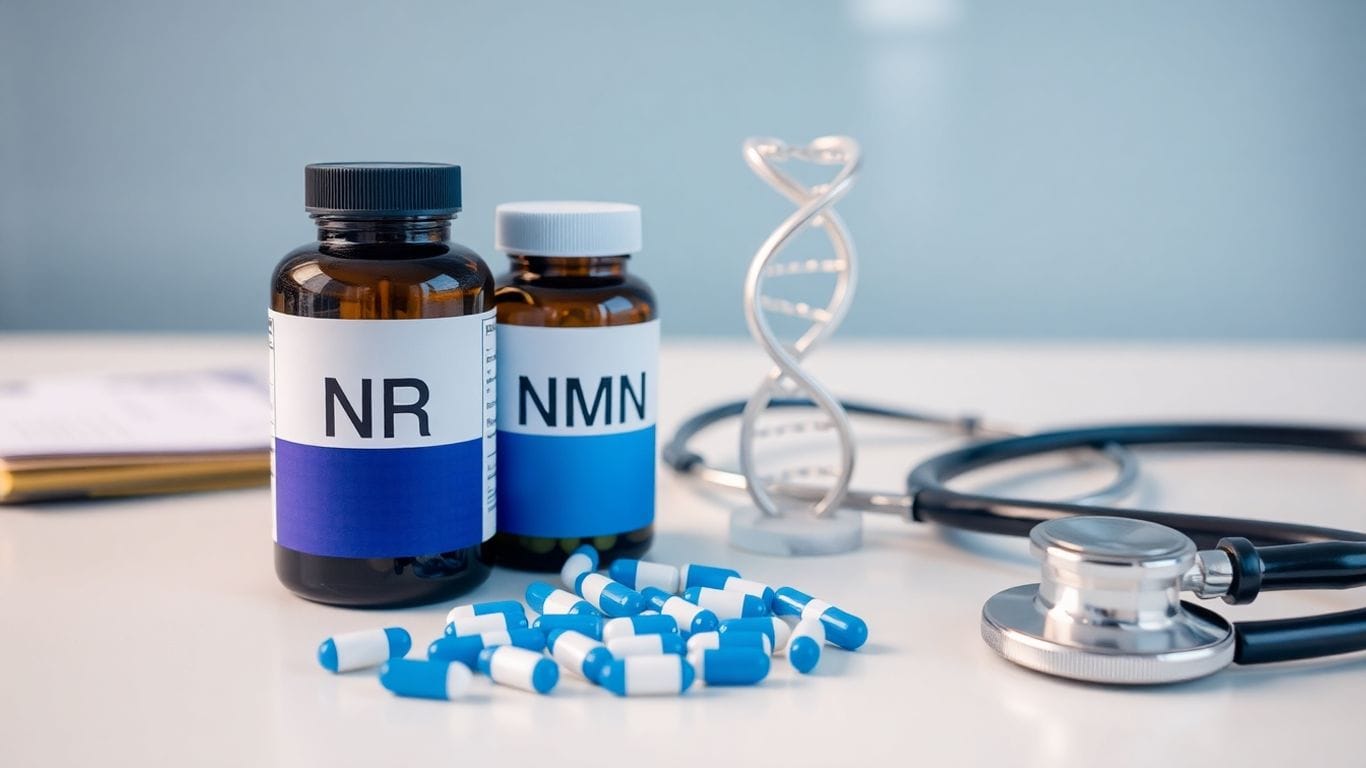
Trying to figure out whether NR or NMN is better for NAD+ support, especially for chronic conditions, can get confusing fast. Both are popular supplements, and people talk about them a lot online, but the science can be hard to wade through. Basically, both NR (nicotinamide riboside) and NMN (nicotinamide mononucleotide) are forms of vitamin B3 that your body can use to make NAD+, which is important for energy and cell health. As we get older, our NAD+ levels drop, and this has been linked to a bunch of health problems. So, it makes sense that boosting NAD+ could help, but how do NR and NMN compare? Let’s break it down in simple terms.
Key Takeaways
- NR and NMN are both used to support NAD+ levels, but they enter cells and get converted to NAD+ in slightly different ways.
- NMN is a bigger molecule, and some studies say it might have a harder time getting into cells, but it can directly increase NAD+ once inside.
- NR is smaller and gets into cells more easily, but it needs to be converted to NMN before it can help make NAD+.
- Clinical trials show that both NR and NMN can raise NAD+ levels in the blood and are generally safe at typical supplement doses.
- There’s still a lot we don’t know, especially about long-term use and which one is best for specific chronic conditions, so more research is needed.
Understanding NAD+ and Its Role in Chronic Disease
Biological Functions of NAD+
Nicotinamide adenine dinucleotide (NAD+) is absolutely vital for keeping cells running. It’s a molecule your body uses constantly for things like energy production, maintaining DNA, and repairing cell damage. NAD+ supports several processes, including metabolism, DNA repair, and immune system balance. Here’s what keeps it central to health:
- Acts as a coenzyme in the reactions that convert nutrients into cellular energy.
- Helps sirtuins regulate cell repair and aging.
- Involved in fixing DNA when it's damaged, making NAD+ part of the body’s defense against stress and wear.
Some enzymes use up NAD+ as they work, especially during times of stress, which makes maintaining its levels so important.
Having steady NAD+ levels is like keeping the fuel tank full for your body’s repair systems. When it runs low, cells can get sluggish, and problems start to pile up.
Decline of NAD+ With Age
Over time, your body naturally loses NAD+. Aging, chronic inflammation, and daily stresses push NAD+ down further. Here’s why it drops:
- Consumed by DNA-repair enzymes when the body fixes ongoing damage.
- Sirtuins need NAD+ to help shield cells from aging effects, using up more as years go by.
- Some enzymes, particularly CD38, break down NAD+ quickly, leading to lower levels in older age.
NAD+ loss means you might feel less energetic, and important cell functions may slow down. This is why there’s so much interest in NAD+ boosters and precursors, especially in the context of healthy aging and active living (supporting muscle mass).
| Age Group | Approximate Decline in NAD+ (%) |
|---|---|
| Young adults | 0% |
| Middle-aged (40s) | 20-30% |
| Seniors (70+) | 50%+ |
Link Between NAD+ Deficiency and Chronic Conditions
When your NAD+ is always low, there’s a risk that chronic health problems become more likely. It’s being connected to a bunch of long-lasting conditions, like:
- Metabolic disorders, such as Type 2 diabetes and obesity
- Cardiovascular diseases driven by blood vessel aging and stiffness
- Neurological conditions, including Alzheimer’s disease
- Fatigue and poor muscle recovery after injury or illness
Low NAD+ is now seen as a shared thread in many different age-related diseases. Fixing or supporting NAD+ levels may help the body hold off some of these chronic issues. It doesn’t just matter for getting older but also for anyone struggling with long-term health changes their body can’t seem to bounce back from.
Comparing the Cellular Pathways of NR and NMN
This section gets into how nicotinamide riboside (NR) and nicotinamide mononucleotide (NMN) actually work inside the cells to support NAD+ levels. Their differences start with how they're built and go all the way to how they move through your body.
Molecular Structure Differences
- NR is a smaller molecule than NMN, with NMN having an added phosphate group.
- That phosphate changes everything; NMN’s bulkier shape means it doesn’t cross cell membranes like NR can.
- NR is a type of vitamin B3—think of it like a slimmed-down precursor, while NMN is sort of the next stage up in NAD+ production.
| Precursor | Structure | Size/Functional Group |
|---|---|---|
| NR | Riboside base | Smaller, lacks phosphate |
| NMN | Mono-nucleotide | Larger, contains phosphate group |
Cellular Uptake Mechanisms
- NR gets into cells mostly through bulk transporters called "equilibrative nucleoside transporters" (ENTs).
- NMN, because of that extra phosphate, usually can’t pass directly through most cell membranes.
- For NMN to get inside, it often gets broken down into NR first (outside the cell), then sneaks through as NR and gets rebuilt as NMN inside.
Main steps for entry:
- NR: Directly transported inside via ENTs.
- NMN: Typically broken down outside the cell and then "rebuilt" inside after coming in as NR.
- Some studies show specialized NMN transporters might exist, but it’s still debated.
Conversion Routes to NAD+
- Once inside, both NR and NMN are turned into NAD+, but they don’t take the same path.
- NR is phosphorylated by an enzyme called NR kinase (Nrk1 or Nrk2), turning NR into NMN.
- NMN is then quickly converted into NAD+ by another enzyme, NMN adenylyltransferase (NMNAT).
| Step | NR Pathway | NMN Pathway |
|---|---|---|
| Entry | Via ENTs as NR | Broken into NR first |
| Intracellular conversion | NR → NMN → NAD+ | NMN → NAD+ |
| Key enzymes | Nrk1/2, NMNAT | NMNAT |
Understanding how these molecules get into cells and convert to NAD+ clears up why some folks say one works better than the other—it's not just about what you swallow, but how your body uses it after that.
Bioavailability and Efficacy of NR vs NMN for NAD+ Support
Absorption Profiles in Humans
When looking at how NR (nicotinamide riboside) and NMN (nicotinamide mononucleotide) are absorbed, a few clear differences show up. NR is a smaller molecule than NMN, which helps it cross cell membranes more easily. NR uses nucleoside transporters, slipping directly into cells and then converting into NMN before boosting NAD+ production. NMN, being bulkier, can't cross membranes in most cells on its own—at least not without being converted to NR first. There's some early research suggesting specialized transporters for NMN, but for now, the main takeaway is that NR has a smoother path into cells.
- NR can be taken up more directly by most cell types
- NMN may need to be broken down to NR for absorption in certain tissues
- Both forms end up supporting NAD+ production, just with these little differences in entry
Impact on Whole Blood NAD+ Levels
Both NR and NMN have shown they can raise NAD+ levels in human blood, though the effects might vary in speed or extent. Clinical studies in healthy adults and older individuals have given pretty clear results:
| Supplement | Typical Dose (mg/day) | NAD+ Increase Observed | Notes on Change |
|---|---|---|---|
| NR | 250–2000 | Yes (dose-related) | Safe and well-tolerated up to 2000 mg daily |
| NMN | 100–500 | Yes (significant) | Well-tolerated up to 500 mg daily |
- NR increases blood NAD+ in a dose-dependent manner
- NMN raises whole blood NAD+ reliably at 250 mg/day or higher
- Both have minimal side effects at commonly used doses
For people considering either supplement, the research so far says both NR and NMN can get NAD+ levels up, but individual responses can vary, and head-to-head clinical studies are still limited.
Implications for Targeted Intervention
Choosing NR or NMN for supporting NAD+ could come down to personal goals, health condition, or even preference for one over the other, since both can push NAD+ up in the body but may do so in slightly different ways.
Three factors to consider:
- NR may be preferable for easier absorption across cell types.
- NMN might be attractive for those who want direct NAD+ precursors (despite uptake differences).
- Ongoing research could reveal certain health conditions where one works better than the other.
From what we've seen, short-term supplementation works well for both in raising NAD+, and side effect profiles are similar. What remains are questions about long-term effects and which form shines best for specific health issues like metabolic or neurological problems.
Clinical Evidence of NR and NMN in Age-Related Disorders
Findings from NR Clinical Trials
Nicotinamide riboside (NR) has been at the center of several clinical studies targeting age-related disorders. Most human trials with NR have shown it is safe and can increase NAD+ concentrations in blood. People in the studies typically took NR in doses ranging from 100 mg to 2000 mg per day over periods up to 12 weeks. The outcomes have been a mix of measurable rises in NAD+ and its metabolites, and sometimes subtle improvements in body composition, such as increased fat-free mass, especially in individuals with obesity. Here's a quick snapshot:
| Study Population | NR Dose | Duration | Main Outcomes | Safety Findings |
|---|---|---|---|---|
| Healthy adults | 250-1000 mg | 4-12 wks | Raised NAD+ in blood | Generally well-tolerated |
| Obese individuals | 1000-2000 mg | 8-12 wks | Higher fat-free mass; no clear change in insulin sensitivity | Rare, mild side effects |
- Most studies show reliable NAD+ increases
- Some report small metabolic health shifts
- No major safety problems reported so far
The effects of NR on core metabolic functions remain a bit underwhelming, but consistent NAD+ increases are encouraging for possible long-term health benefits.
Results of NMN Human Studies
Compared to NR, research into nicotinamide mononucleotide (NMN) in humans is newer but growing. Some of the more solid trials have tested NMN in adults aged 40 to 65 at daily doses ranging from 150 mg to 250 mg. NMN supplementation can increase blood NAD+/NADH ratios and may have a stabilizing effect on insulin resistance. Trials have also found NMN can reduce sleepiness and improve lower limb function in older adults. Here’s a brief look:
| Study | NMN Dose | Duration | Main Result |
|---|---|---|---|
| Middle-aged adults | 150 mg | 60 days | NAD+ rose by 38%; HOMA-IR stayed stable |
| Older adults | 250 mg | 12 weeks | Lower sleepiness, better limb function |
- Increases in NAD+ are consistent over several weeks
- Early hints at benefits for energy, fatigue, and insulin control
- No major side effects reported
While the sample sizes are not huge and follow up is short, current trials suggest NMN could help with fatigue, sleep quality, and some metabolic measures in older people.
Potential for Metabolic and Neurological Health
Both NR and NMN are being studied for effects in domains beyond just NAD+ boosting. Researchers are interested in whether they might slow the progression of diseases tied to aging, like metabolic syndrome, type 2 diabetes, and even neurodegenerative disorders such as Alzheimer’s. Typical findings include:
- Consistent NAD+ rises in blood and some tissues
- Possible improvement in energy metabolism and insulin action
- Hints at better cognitive performance in some NMN trials
The studies so far are mostly small and short. But if NAD+ levels stay higher safely over the long haul, NR and NMN could become important tools for managing age-related health issues.
Safety and Tolerability of NR and NMN Supplementation
Both nicotinamide riboside (NR) and nicotinamide mononucleotide (NMN) are being looked at as ways to boost NAD+ in the body, especially for people dealing with long-term health problems. Since these supplements are pretty new, people naturally want to know—are they safe? Can you take them every day? Are there bad side effects? Let’s break down what researchers have found so far.
Adverse Events and Dosage Ranges
So far, NR and NMN have both been studied in a bunch of human trials. Most of these studies show they’re tolerated very well. Side effects—if they show up at all—tend to be mild.
| Compound | Typical Dose Range | Serious Adverse Events | Mild Side Effects |
|---|---|---|---|
| NR | 100–2000 mg/day (up to 12 weeks) | None reported | Occasional nausea, some mild gastrointestinal discomfort |
| NMN | 100–1200 mg/day (up to 24 weeks) | None reported | Very rare, sometimes mild headaches or heartburn |
High-dose NMN didn’t result in major issues, even at 1200 mg/d for 6 weeks. There’s a little bit of concern (mostly from animal studies) about very high doses—think double or triple what folks normally take—where things like liver strain or changes in fertility have cropped up. But for typical use in humans, the data looks reassuring so far.
Bullet-listing things to know about adverse events:
- NR and NMN rarely cause serious side effects at recommended levels.
- Niacin (another NAD+ precursor) often causes facial flushing, but that’s not an issue with NR.
- Occasionally, folks report stomach upset or headache with NMN, especially if they skip meals.
Long-Term Use Considerations
Right now, most trials run for somewhere between 6 and 24 weeks. Here’s what we know:
- Studies up to 6 months show good safety profiles for both NR and NMN.
- There’s really not much data on taking them for years, so we don’t know all the risks of super-long-term use.
- Some researchers say it’s smart to start with low doses and watch for changes, at least until there’s more info about using these supplements for decades.
If you’re planning to use NR or NMN as an ongoing supplement, consider regular check-ins with your doctor—especially if you have any liver, kidney, or heart conditions.
Comparative Safety in Clinical Trials
NR and NMN seem to be similar in terms of safety so far. Here are a few things worth noting:
- Placebo-controlled trials rarely show any issues beyond very minor complaints.
- Neither compound appears to mess with things like liver enzymes or blood counts in otherwise healthy people.
- Animal studies raise some theoretical concerns at extremely high doses, including problems related to fertility or metabolism, but humans aren’t typically exposed to these levels.
- As with all supplements, more research is needed to check for rare or long-term issues.
For folks interested in combining supplements, like those adding NR or NMN on top of performance-enhancers or muscle support, it’s good practice to consider product quality—high-purity ingredients often matter more than you might think.
All in all, based on current research, everyday use of NR or NMN at typical doses appears to be low-risk for most people. If you’re thinking about taking them for longer than a few months or at higher doses, keep an eye out for new research—it’s a fast-evolving space.
Therapeutic Benefits of NR vs NMN for NAD+ Support in Chronic Conditions
NR and NMN both target metabolic dysfunction, a key feature in chronic conditions like type 2 diabetes and obesity. Research in people and animals suggests NR may help improve insulin sensitivity, though results are not always consistent. NMN, in particular, has shown promise in preclinical trials for blood sugar control and metabolic regulation. Here’s how their effects compare:
| Compound | Human Trials | Key Metabolic Effects |
|---|---|---|
| NR | Mixed—some show modest improvement, others neutral | Modest, uncertain impact on insulin sensitivity; some studies show increase in fat-free mass |
| NMN | Early but promising (small, short-term trials) | May support healthier blood sugar, liver enzyme normalization, possibly better insulin response |
- NR has more published human data for metabolic endpoints, but the improvements are generally modest.
- NMN is newer to the clinic, but some results point to better glucose management and energy metabolism.
- Neither show major adverse effects on metabolism in trials so far.
Both NR and NMN are being tested for their ability to reduce metabolic burdens linked to chronic diseases, but neither is a magic fix—results so far are cautiously optimistic, especially with NMN’s early signals.
Impact on Cardiovascular Function
Supporting NAD+ in heart and blood vessels has been a big area of study. Animal work with both NR and NMN has consistently shown cardiovascular benefits, but the picture in people is less complete.
- NMN, in mice, has helped improve vascular flexibility and lower inflammation—results are pushing interest in human research.
- NR may reduce some cardiovascular disease risk markers, but evidence in people with existing heart problems is thin.
- Both compounds are generally well-tolerated and have not raised new heart concerns in clinical settings.
Some practical effects noted:
- Potential lowering of blood pressure (mainly shown in animal studies)
- Reduction in blood vessel aging (preclinical evidence)
- Possible improvement in cholesterol profile (limited in humans)
For those focusing their wellness routines on heart health and energy optimization, supplementation with NR or NMN may be of growing interest as more data becomes available.
Support for Cognitive and Physical Performance
The support of cognitive health and muscle function is getting lots of attention with both NR and NMN. In animal models, NMN appears to quickly raise brain NAD+ levels. This uptick links to improved memory and better neurological outcomes, which is especially interesting for age-related brain conditions.
- NMN may help with small improvements in motor function based on early human trials.
- NR studies in people have not consistently shown boosts in cognitive skills, but data are limited.
- Both may encourage physical performance by helping muscles recover, especially in the context of aging.
Key takeaways:
- NMN has shown, in animal models, the ability to slow memory decline and improve coordination.
- Scientists are still figuring out the best dose, timing, and target groups for both supplements in humans.
- Early signals suggest long-term supplementation may support healthy aging, with physical and mental performance benefits still under investigation.
While NR and NMN are not cures, they seem well-positioned as add-ons for those focusing on chronic condition management, especially in areas where NAD+ levels may be low.
Challenges and Considerations for Personalized NAD+ Support
Individual Differences in Metabolism
Not everyone processes NAD+ precursors the same way. Genetics, lifestyle, age, and health status all shape how our bodies respond to NR and NMN. Some people noticeably boost their NAD+ with low doses, while others barely see a change even with higher amounts. Here are a few things that can influence how well these compounds work:
- Differences in gut absorption rates
- Genetic variations in NAD+ metabolism enzymes
- Interactions with other medications or supplements
A person with slower NAD+ metabolism might benefit from a different supplement or dose than someone with rapid metabolism.
Personalized NAD+ support means what works for one person might not work for another—and finding the sweet spot may take patience and trial.
Potential for Combination Therapy
Using both NR and NMN together, or alongside other strategies, might offer better results for some chronic conditions. People sometimes combine NAD+ precursors with other nutrients like:
- Sirtuin activators (e.g., resveratrol)
- Mitochondrial support supplements (e.g., CoQ10, PQQ)
- Lifestyle changes (like exercise or intermittent fasting)
When considering combination therapy:
- Start with low doses to check for unwanted effects.
- Consult with a doctor about drug interactions.
- Track symptoms and adjust as needed.
A stepwise approach can help spot what’s actually working rather than changing everything at once.
Limitations in Current Research
Research on NR and NMN is promising, but we’re still missing some key pieces before these interventions can be called standard care for chronic conditions. Consider this comparison:
| Limitation | NR | NMN |
|---|---|---|
| Long-term safety data | Not enough beyond 12–16 weeks | Limited; mostly short-term |
| Large, diverse clinical trials | Few; small sample sizes | Even fewer; mostly in Japan |
| Clear disease-specific benefits | Mixed; some positive trends | Early-stage, still unclear |
Many studies are small, short, or focus on healthy subjects rather than people with established disease.
- Dosing isn’t standardized; what’s safe and effective for one group may not hold elsewhere.
- There’s not much research on real-world, mixed supplements like NR plus NMN.
- It’s not always clear which patient populations benefit most—or who might not respond at all.
Until we have bigger, longer studies, individualized NAD+ support is a process of trial, monitoring, and adjusting based on your own experience and medical guidance.
Conclusion
So, after looking at both NR and NMN for NAD+ support, it’s clear that each has its own strengths. Both have been shown to safely boost NAD+ levels in humans, and neither seems to cause major side effects at the doses studied so far. NR is a bit easier for the body to absorb, but NMN might work a little faster in some cases. There’s still a lot we don’t know, especially when it comes to using these supplements for specific chronic conditions. Most of the research has been on healthy people or animal models, so we need more studies in people with real health issues. For now, if you’re thinking about trying NR or NMN, it’s best to talk to your doctor first, especially if you have a chronic condition or take other medications. The science is promising, but it’s still early days. As more research comes out, we’ll get a better idea of which option is best for different situations.
Frequently Asked Questions
What is NAD+ and why is it important for our health?
NAD+ is a molecule found in every cell of our body. It helps turn food into energy and is needed for many important processes, like fixing damaged DNA and keeping our cells healthy. As we get older, the amount of NAD+ in our bodies drops, which can lead to health problems.
How do NR and NMN help increase NAD+ levels?
Both NR (nicotinamide riboside) and NMN (nicotinamide mononucleotide) are special forms of vitamin B3. When we take them as supplements, our bodies can use them to make more NAD+. NR is smaller and enters cells more easily, but it must change into NMN before turning into NAD+. NMN is a bit bigger, so it has a harder time getting into cells, but once inside, it can quickly become NAD+.
Are NR and NMN safe to take as supplements?
Studies show that both NR and NMN are safe for most people when taken in normal amounts. People in research studies took NR in doses from 100 to 2000 mg per day and NMN up to 250 mg per day for several weeks without serious side effects. Some people might have mild stomach issues, but serious problems are rare.
Can NR or NMN help with diseases like diabetes or heart problems?
Early research suggests that both NR and NMN might help with health problems linked to aging, like diabetes and heart disease. Some studies in people showed that NMN could help with blood sugar control and improve energy, while NR may help with heart health. However, more research is needed to know for sure how well these supplements work for these conditions.
Do NR and NMN have different effects on the body?
NR and NMN both boost NAD+ levels, but they use different paths to get there. NR is absorbed more easily but needs to be changed into NMN inside the cell. NMN works faster once it's inside, but it may not get into cells as easily. Some studies suggest that NMN might help more with physical performance and energy, but both are being studied for their unique benefits.
Is it better to take NR, NMN, or both together?
Scientists are still figuring out which supplement works best. Some people may respond better to one than the other, depending on their body and health needs. There's also interest in using both together, but not enough research has been done yet to say if combining them is more helpful. It's best to talk to a doctor before starting any new supplement.