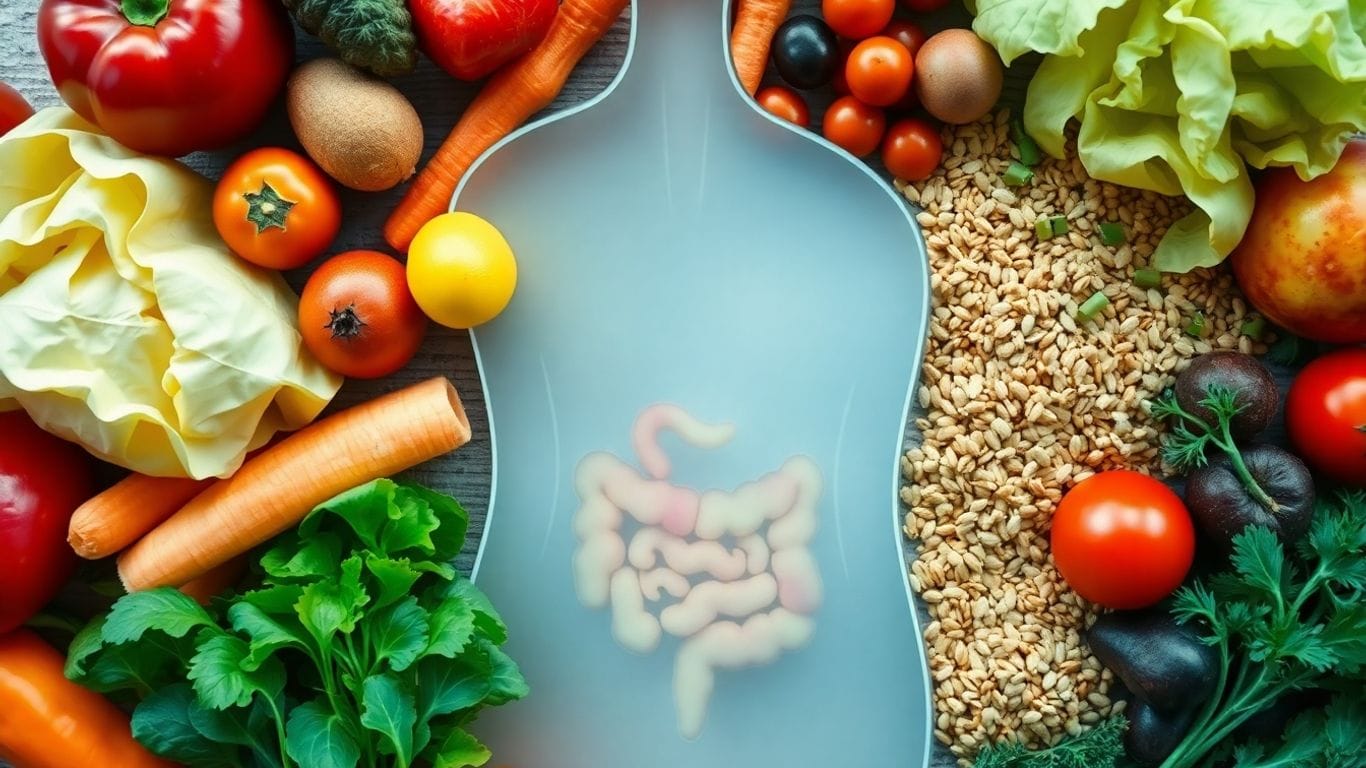
Gut Microbiome Diversity and Prebiotic Fiber is a topic that’s been getting a lot of attention lately. People want to know if eating more of certain fibers can really change the bacteria in their guts and actually help them feel better. There’s a lot of science behind it, but it all comes down to how different types of fiber, especially prebiotics, feed certain microbes in our digestive system. Some folks seem to get a big benefit, while others barely notice a change. Researchers are still figuring out why that is, and what it means for our health. This article sums up what we know so far, looking at the science, the human trials, and what might come next.
Key Takeaways
- Prebiotic fibers are special types of fiber that help certain good bacteria grow in the gut, but not all fibers are considered prebiotics.
- The way prebiotic fibers work depends on their structure and where they come from—different fibers feed different microbes.
- People don’t all react the same way to prebiotic fiber; some see big changes in their gut bacteria, while others see less impact.
- Human studies show that certain prebiotics like inulin and GOS boost specific bacteria, but the overall effects can vary a lot between people and studies.
- More research is needed to really understand how changes in gut microbiome diversity from prebiotic fiber actually affect things like blood sugar, cholesterol, and inflammation.
Gut Microbiome Diversity and Prebiotic Fiber: Defining Key Concepts
The Human Microbiome and Its Diversity
The human gut is home to trillions of microorganisms, making it one of the richest microbial ecosystems in the body. These bacteria, archaea, and tiny fungi help us digest food, train our immune system, and provide vitamins that we can't make ourselves. What makes the gut microbiome interesting is just how different it is from one person to another. Everyone’s microbial mix depends on their genetics, where they live, diet, medication use, and even how they were born. The more types of microbes you have, the more resilient your system tends to be. This diversity is linked with how well the gut works, as well as with lower risk for diseases like diabetes, obesity, and sometimes even depression.
While people used to think of bacteria mainly as germs, it's now clear that countless types living inside us might actually keep us well, especially when they're varied and balanced.
Key Points on Gut Microbiome Diversity:
- High diversity usually means better health resilience.
- Microbial composition can quickly shift with dietary changes.
- Low diversity is often linked to gut problems and chronic disease.
What Are Prebiotic Fibers?
Prebiotic fibers are unique plant-based carbohydrates that make it past our digestion systems untouched. Instead of feeding us directly, they serve as food for specific gut microbes.
Three core things define prebiotic fibers:
- They resist breakdown by our stomach acid and enzymes.
- They get fermented by the bacteria in our colon.
- They selectively support the growth or activity of microbes associated with health benefits.
The science behind prebiotics has shifted over time. At first, the focus was on boosting only a few ‘good’ bacteria like Bifidobacterium or Lactobacillus, but it turns out that prebiotics can shape the community in more complex ways, helping a broader range of beneficial microbes.
Dietary Fiber Versus Prebiotic Fiber
There's quite a bit of confusion around dietary fiber and prebiotic fiber. Not every fiber in your veggies acts as a prebiotic, but most prebiotics count as fiber.
Here’s a quick view:
| Dietary Fiber | Prebiotic Fiber | |
|---|---|---|
| Digestion | Not digested by human enzymes | Not digested by human enzymes |
| Fermentation | Often, but not always, fermented | Always fermented by gut microbes |
| Microbial Effect | Broad, non-specific | Selective—feeds beneficial bacteria |
| Health Effect | May lower cholesterol, improve bowel movements | Improves gut microbiome and can affect metabolic health |
- All prebiotics are resistant to digestion and end up in the colon.
- Not all dietary fibers have specific effects on the microbiome.
- Prebiotics are carefully defined because of their targeted benefits, not just their indigestibility.
If there’s one thing to remember, it’s that all prebiotics are fibers, but not all fibers are prebiotics.
Mechanisms of Action: How Prebiotic Fiber Shapes Gut Microbiome Diversity
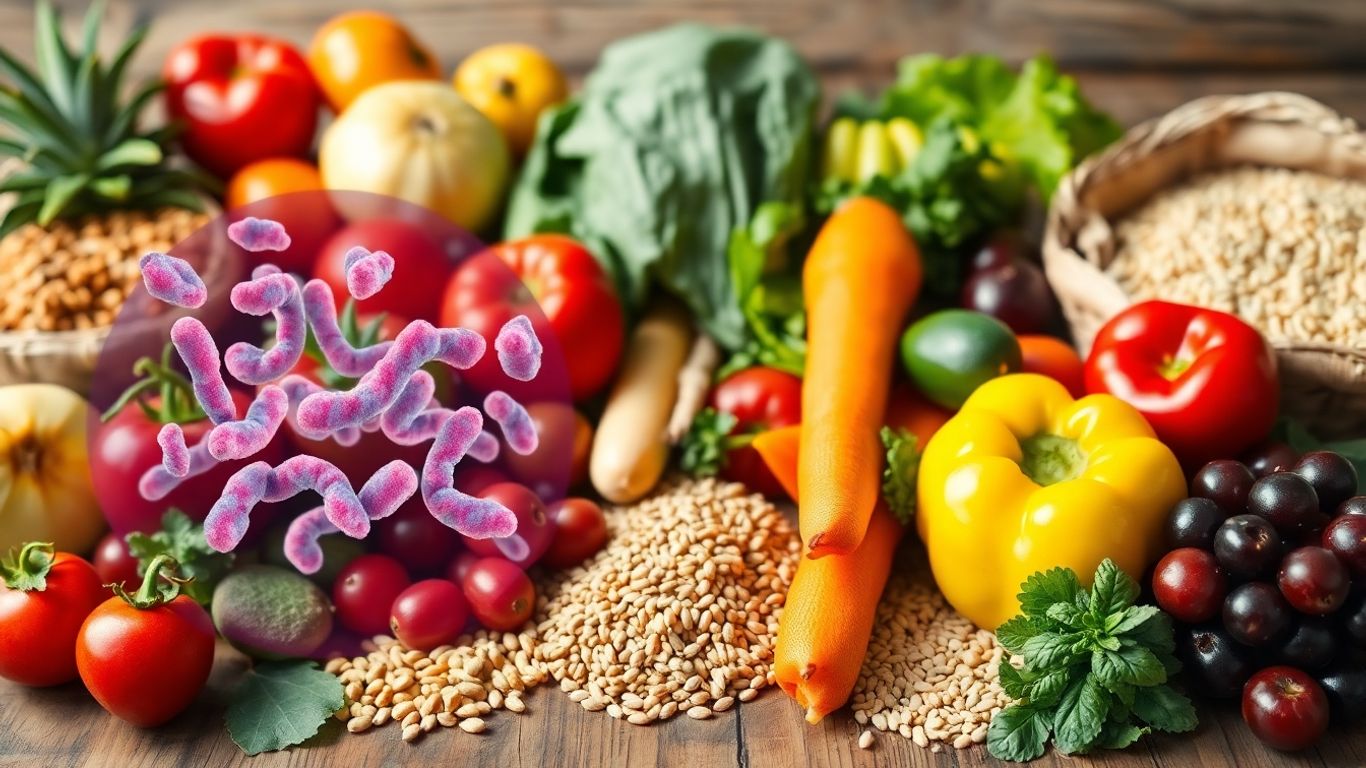
When you eat prebiotic fiber, it's not you doing the digesting—it's your gut bacteria. Prebiotics reach the large intestine mostly unchanged and become food for microbes living there. During the process called fermentation, these bacteria turn prebiotic fibers into short-chain fatty acids (SCFAs) such as acetate, propionate, and butyrate. These SCFAs don't just hang around: they help provide energy for your colon cells, play a role in controlling inflammation, and even influence metabolism beyond the gut:
- Acetate: Supports energy balance
- Propionate: Involved in controlling blood sugars and cholesterol
- Butyrate: Important for gut lining health and reducing inflammation
Ongoing fermentation in the gut by your own bacteria can shape not just what lives in your gut, but also how healthy that environment is overall.
Selective Stimulation of Beneficial Microbes
One big reason prebiotic fibers get so much attention is their ability to feed helpful bacteria, like Bifidobacteria and Lactobacilli. These microbes help crowd out less-friendly germs and may impact your immune system in surprising ways. But it’s not just about one single type of bacteria exploding in numbers—it’s about changing the overall balance in your microbial neighborhood.
- Certain prebiotics (like inulin and GOS) specifically boost Bifidobacterium
- As a result, the whole microbial community can change in composition
- Cross-feeding happens—a beneficial bacterium digests prebiotics, then produces substances that feed other useful bacteria
This chain reaction means that a single dietary change (like adding a prebiotic fiber) can ripple out to support a more varied, stable gut ecosystem.
Influence of Fiber Structure and Source
Not all fibers are created equal. The type, length, and complexity of a fiber molecule make a big difference in how it affects your gut microbiome. Some fibers are branched, while others are straight chains; some dissolve well in water, some don’t. These differences matter for both which bacteria can process them and what byproducts are created.
| Fiber Type | Common Sources | Main Microbial Effects |
|---|---|---|
| Inulin | Chicory root, onions | Boosts Bifidobacteria |
| GOS | Legumes, soybeans | Promotes Bifidobacteria, cross-feeding |
| Beta-glucans | Oats, barley | Increases SCFAs, supports diversity |
| Resistant Starch | Cooked/cooled potatoes, green bananas | Feeds Ruminococcus, boosts butyrate |
- Structure determines which microbes can ferment the fiber
- Source (natural food vs. supplement) can impact effectiveness
- Combination of fiber types often produces different results than a single fiber
What works best for one person’s gut might not do the same for someone else, mostly because our gut bacteria and diets are so different to start with.
Variability in Human Response to Prebiotic Fiber Intake
Individual Differences and Microbial Baseline
Not everyone responds to prebiotic fiber the same way. What happens in your gut depends on factors like your baseline gut microbes, genetics, and usual diet. For example, people who already have a good mix of beneficial bacteria may get the most out of prebiotics, while others notice little to no change. The enzymes your gut microbes produce can also determine whether they actually use a specific prebiotic fiber or if it just passes through. Here’s a quick rundown of what shapes your response:
- Baseline levels of key gut bacteria (such as Bifidobacterium or Ruminococcus species)
- Genetic factors affecting your digestion and immune response
- The usual makeup of your diet, including total fiber intake
Even with the same dose and type of prebiotic, reactions can be wildly different from person to person because gut microbes—and their preferences—are unique.
Responders Versus Non-Responders
Studies often split people into “responders” and “non-responders” after prebiotic supplementation. Responders show clear changes in their gut microbiome, like more beneficial species or higher short-chain fatty acid levels, while non-responders see little effect. This pattern isn’t rare—research shows it crops up time and time again.
Key distinctions between responders and non-responders:
| Factor | Responders | Non-Responders |
|---|---|---|
| Gut bacteria present | Have target species | Lacking key microbes |
| Enzyme capacity | High for fiber breakdown | Low or absent |
| Observed microbiome shift | Yes—species/gene blooms | Little to no shift |
Predictive Factors for Effective Modulation
Can we know beforehand who will benefit most from prebiotics? Scientists are starting to connect some dots, but there’s no foolproof answer yet. Here are some clues that might tip the scale:
- Higher microbial diversity at baseline—in other words, a richer gut flora, means a higher chance of response.
- Presence of the right "keystone" species, like Ruminococcus bromii for some resistant starches.
- Consuming a prebiotic at a high enough dosage—for instance, 10g/day instead of 2-5g for certain oligosaccharides—makes a response more likely.
- Using tools like gut profiling to predict capacity for fiber breakdown based on genes (enzymes called CAZymes are important here).
Knowing your gut’s starting point might help predict your odds of benefiting from prebiotic fiber. Kits like the Repose Digestive Health Therapy Kit are popping up, offering ways to restore balance and identify what works best for you.
Insights from Clinical and Controlled Trials on Gut Microbiome Diversity and Prebiotic Fiber
Clinical and controlled trials are key for understanding how prebiotic fiber changes the gut microbiome in real people, not just in theory or lab models. Let’s look at how these studies are set up, what stands out in their findings, and what makes this line of research so tricky.
Designs of Human Trials: Crossover and Parallel Arms
Researchers set up studies in a couple of different ways to track how fiber intake shifts the gut microbiome. Here’s what you might see:
- Crossover designs: Every participant tries both the fiber and the placebo at different times, with a break in between. This helps make sure that personal differences (like gut bacteria or diet) are accounted for.
- Parallel arm designs: People are split into groups that stick with their assigned intervention (fiber or placebo) throughout. This is good when the intervention might have long-lasting effects.
- Dietary tracking and compliance logs are often used, so researchers know if folks are actually sticking to the diet plan or sneaking in other foods that might mess with the results.
| Study Design | Pros | Cons |
|---|---|---|
| Crossover | Controls for individual differences | Takes longer |
| Parallel arms | Simpler, avoids carry-over effects | More variation between groups |
Even with strict control, it’s tough to separate the effects of prebiotic fiber from everything else in a real-world diet.
Notable Human Intervention Studies
When we look at major studies from the past few years, some patterns stand out:
- Inulin, GOS, and other classic prebiotics are well-known for boosting populations of Bifidobacterium. These changes sometimes occur within a few weeks.
- Soluble corn fiber and polydextrose often lead to broader microbial changes, impacting species in the Firmicutes and Bacteroidetes groups.
- The types and doses of fibers tested, as well as the starting gut microbiome of each person, greatly influence outcomes.
Here's a quick summary of a few notable findings:
| Fiber Type | Primary Effect on Microbiota | Noted Health Markers |
|---|---|---|
| GOS/Inulin | Bifidobacterium increase | Possible insulin/glucose shifts |
| Soluble corn fiber | Broader microbial shifts (Firmicutes/Bacteroidetes) | Reduced fecal SCFAs, etc. |
| Resistant starch | Boosted Eubacterium, possible metabolic effects | Variable glucose/insulin |
Limitations and Challenges in Clinical Research
Clinical trials in this field aren’t always straightforward.
- Outcomes can vary wildly—different people’s gut bacteria respond differently, even to the same fiber.
- Real diets are complicated, so controlling for all food variables is nearly impossible.
- Some studies are too short to pick up slow or subtle changes in the microbiome or health.
It can be hard to link specific microbiome changes to real health outcomes. Even with the best study design, there are natural ups and downs in gut bacteria that might not have anything to do with supplements.
Prebiotic trials tell us a lot, but there's still a lot we don't know about how all these factors come together inside the gut.
Effects of Different Prebiotic Fibers on Microbiome Composition
Prebiotic fibers aren't all identical, and the microbiome changes depending on which fiber you eat. Some fibers promote only a handful of specific gut bacteria, while others set off a broader shift involving many groups. The structure and source of each fiber shape exactly which microbes thrive in your gut. Let's break this down by the most-studied prebiotics.
Inulin, GOS, and Specific Oligosaccharides
Inulin and galacto-oligosaccharides (GOS) are famous for their precise effects:
- Inulin (from chicory, agave, etc.) and GOS reliably boost Bifidobacterium counts. People eating these can see a jump in bifidobacteria if those microbes are already present.
- Some specialty oligosaccharides like xylooligosaccharide or arabinoxylan stimulate both Bifidobacterium and select Bacteroidetes.
- The dose matters—a little usually does nothing, while larger amounts trigger visible changes.
| Prebiotic Fiber | Main Microbial Bloom | Notable Effects |
|---|---|---|
| Inulin | Bifidobacterium | Boosts bifidobacteria, affects SCFA |
| GOS | Bifidobacterium | Selective bloom, needs dose |
| XOS/AXOS | Bifido/Bacteroides | Broader changes with high doses |
Even if you eat a high dose, if your gut is missing the right strains, nothing much may change.
Beta-Glucans, Polydextrose, and Resistant Starches
Not all prebiotics are so picky with their microbial targets.
- Beta-glucans (from oats, barley) and resistant starches don't always show such a sharp bifidobacteria effect.
- Resistant starch especially needs the presence of specific fermenters, like Ruminococcus bromii, in your gut to work fully.
- Polydextrose and soluble corn fiber cause broader changes, increasing both Bacteroidetes and Firmicutes populations but sometimes reducing butyrate production.
Key points:
- Beta-glucans from whole grains can change many bacteria at once.
- Resistant starch types 2 and 4 require 'helper' microbes to ferment fully—no helpers, little benefit.
- Polydextrose, because of its mixed structure, supports a range of microbe shifts rather than one target group.
Comparisons Between Natural and Isolated Prebiotics
Natural foods and isolated fibers work a bit differently:
- Natural foods like whole grains or vegetables contain complex blends—fiber, protein, polyphenols, and sugars that all matter for microbes.
- Isolated prebiotics (like pure inulin powder) are more targeted; the changes are clearer but sometimes less broad.
- Some studies find whole-food prebiotics lead to more gradual, multi-species growth in comparison to the faster, pointed blooms with supplements.
Things to remember when choosing prebiotics:
- Whole foods deliver a mix of fibers with extra nutrients for your microbes.
- Isolated prebiotics are good if you want to target a specific microbe group, such as bifidobacteria.
- The impact of each depends on your gut's unique starting lineup—no two people see exactly the same shifts.
The structure, source, and complexity of prebiotic fibers decide which gut bacteria flourish. Sometimes it’s about adding something missing, sometimes just feeding what’s already there.
Physiological Outcomes Linked to Gut Microbiome Diversity and Prebiotic Fiber
A more diverse gut microbiome, often promoted by prebiotic fiber, seems to be connected to how our bodies handle blood sugar and fats. Eating a range of prebiotic fibers can lead to small but noticeable changes in glucose control and cholesterol levels. Some trials point to improved insulin sensitivity, while others find only minimal effects. Even weight and body fat changes tend to be modest, but they keep popping up in research.
Here's a quick rundown of some relevant trial results:
| Prebiotic Fiber | Blood Sugar (Glycemia) | Cholesterol (Lipids) | Body Weight |
|---|---|---|---|
| Inulin | ↓ Modest improvements | ↓ LDL cholesterol | ↓ Small effect |
| GOS | Neutral to minor ↓ | Neutral to minor ↓ | Neutral |
| Resistant Starch | ↓ (mostly post-meal) | ↓ Small reduction | ↔️/↓ Minimal |
- Most effects depend on the starting health of the person—bigger changes show up in people who start with higher blood sugar or cholesterol.
- Consistency and duration matter; short-term studies don't always predict the real-world, long-term impact.
- Individual responses vary widely (some people see more benefit than others).
The way your gut bugs handle fiber might be the missing piece to your blood sugar puzzle, but it's different for everyone and takes time to notice real differences.
Immunological and Inflammatory Markers
A diverse collection of gut microbes plays a big hand in how our bodies react to inflammation and immune triggers. Studies show that taking prebiotic fiber might help lower markers of inflammation, like C-reactive protein (CRP) or certain cytokines. But results jump around—some people get a clear benefit, others notice hardly anything.
- Prebiotic fiber can increase anti-inflammatory short-chain fatty acids (SCFAs), especially butyrate; these may help calm gut and systemic inflammation
- Immunomodulatory effects seem more pronounced in people with metabolic syndrome, obesity, or high baseline inflammation
- Changes seem to depend not only on the fiber type but also on the unique mix of microbes in a person's gut
Body Composition and Other Health Indicators
Prebiotics might help with more than just weight—think of things like waist size or even gut comfort. A few human trials note tiny decreases in waist circumference and shifts in how much fat versus muscle people carry—and some mention feeling less bloated or more regular after increasing fiber.
- Small reductions in visceral fat have turned up in a handful of studies (usually paired with diet or exercise changes)
- Improved stool frequency and comfort often show up as a practical effect
- Some people report feeling fuller—possibly leading to less snacking or overeating
If your goal is overall health, adding prebiotic fiber is a steady nudge, not a magic switch, affecting a handful of different areas a little at a time.
Future Directions in Research on Gut Microbiome Diversity and Prebiotic Fiber
Optimizing Study Methodologies
Getting reliable answers in microbiome research isn’t as easy as it sounds. Most studies use small sample sizes or short intervention periods, making it tough to see the full picture. To move forward, studies need to be larger and better controlled.
Well-structured trials, especially those using crossover setups with washout periods, are critical for seeing how prebiotic fiber changes the gut in different people. Ideally, these studies would include:
- Full feeding trials where only one ingredient is changed
- Careful tracking of diet and fiber intake
- Sample collection before, during, and after interventions
- Use of new technologies like stable isotope labeling to trace exactly where fiber goes in the gut
| Method | Advantage | Limitation |
|---|---|---|
| Crossover Trials | Each volunteer serves as own control | Needs more time per participant |
| Parallel Arms | Useful for comparing groups | Bigger sample required |
| Stable Isotope Use | Accurate fiber tracking | Expensive, technical expertise |
A lot of unanswered questions remain about which study designs work best in real-world settings and how to handle all the variability between participants.
Personalized Nutrition Based on Microbiome Profiling
One-size-fits-all dietary plans are unlikely to work for gut health. There’s a growing push for custom nutrition advice based on someone’s gut microbiome.
Here’s where research is headed:
- Building profiles of individual microbiomes before and after dietary changes
- Identifying patterns for responders and non-responders to prebiotics
- Developing prediction tools that match people with the most beneficial fiber ingredients
This approach has the potential to save time and money by skipping what doesn’t work and focusing on what does for each person.
Translational Potential for Public Health
Even though science is getting more detailed, the promise is to help everyday people live healthier lives.
Key goals for the future:
- Linking changes in gut microbial diversity to real-world health outcomes, like blood sugar or immune markers
- Testing if microbiome-targeted fiber recommendations can improve health in large groups
- Creating new public guidelines based on solid evidence, not just trends
A big challenge will be balancing very individualized advice with easy-to-follow public recommendations. If researchers can sort this out, it could change the way we think about nutrition for gut health forever.
Conclusion
Wrapping up, it's clear that the gut microbiome is shaped by what we eat, especially when it comes to fiber and prebiotics. Human studies have shown that different types of fiber can change the mix of bacteria in our guts, but the effects aren't always the same for everyone. Some people see bigger changes than others, and it seems like your starting gut bacteria might play a role in how you respond. Researchers are still figuring out which fibers work best, how much you need, and what that means for things like blood sugar or cholesterol. More big, well-designed studies are needed to really understand the links between fiber, gut microbes, and health. For now, adding a variety of fiber-rich foods to your diet seems like a good move, but don't expect the same results as your neighbor. The science is moving fast, so we’ll probably know a lot more in the coming years.
Frequently Asked Questions
What is the gut microbiome and why is its diversity important?
The gut microbiome is a large community of tiny organisms, like bacteria, living in our digestive tract. Having a wide variety of these microbes is important because it helps our bodies digest food, fight off harmful germs, and keep our immune system strong.
What are prebiotic fibers and how are they different from other fibers?
Prebiotic fibers are special types of fiber that feed the good bacteria in our gut. While all dietary fibers are not digested by our bodies, only prebiotic fibers are known to help certain helpful bacteria grow and thrive.
How do prebiotic fibers change the gut microbiome?
When we eat prebiotic fibers, the good bacteria in our gut use them as food. As these bacteria break down the fibers, they make substances called short-chain fatty acids, which are good for our health and can help reduce inflammation.
Why do some people respond better to prebiotic fiber than others?
Everyone's gut microbiome is a little different. Some people have more of the bacteria that use prebiotic fiber, so they see more benefits. Others might not have as many of these bacteria, so the changes are smaller or take longer.
What have human trials shown about prebiotic fiber and gut health?
Studies with people have shown that eating prebiotic fibers like inulin or GOS often increases good bacteria, like Bifidobacterium, in the gut. However, not everyone sees the same results, and more research is needed to understand why.
Can eating more prebiotic fiber improve my overall health?
Eating more prebiotic fiber can help support a healthy gut, which may lead to better digestion, improved blood sugar, and less inflammation. But the effect can be different for each person, and it's best to eat a variety of fibers as part of a balanced diet.