


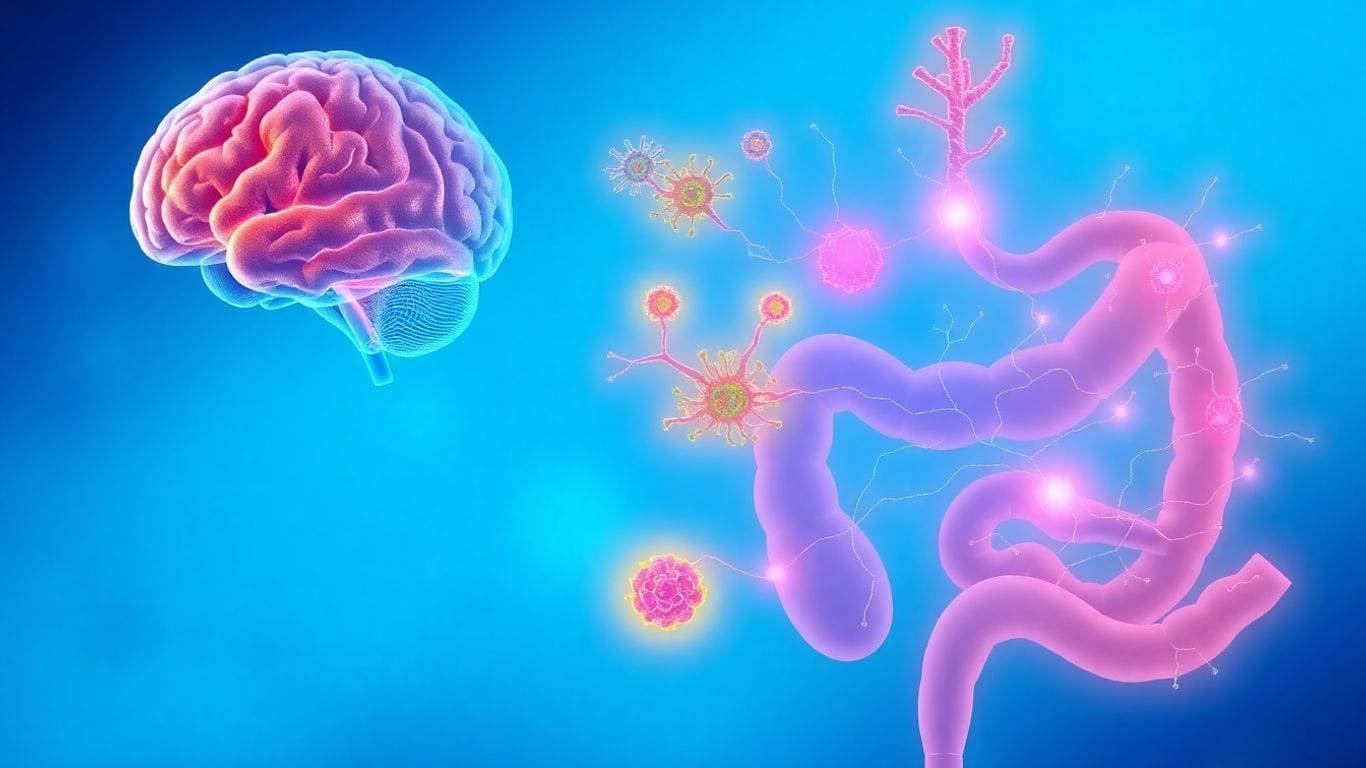
Gut-Brain Axis Modulation via Psychobiotics is a topic that’s getting a lot of attention lately. Basically, it’s about how certain probiotics—called psychobiotics—can affect the way our gut and brain talk to each other. Scientists are looking at how these bacteria might help with things like stress, anxiety, and even memory. The research is still pretty new, but there have already been some interesting findings from both animal and human studies. As more people look for ways to support mental health, understanding how psychobiotics work and what they can actually do is becoming more important.
Key Takeaways
- Psychobiotics are specific probiotics that may influence mood, stress, and mental health by interacting with gut bacteria.
- The gut-brain axis involves communication between the gut, nervous system, immune system, and hormones.
- Animal studies have shown promising effects, but translating these results to humans isn’t always straightforward.
- Human trials suggest some benefits for stress and anxiety, but results are mixed and depend on many factors.
- Diet, genetics, and individual microbiome differences can all affect how psychobiotics work in different people.
Understanding the Gut-Brain Axis Modulation via Psychobiotics
The gut-brain axis links our digestive system straight to the brain, with psychobiotics now in the spotlight for their possible mental health effects. Psychobiotics are specific microbes or compounds that may alter mood and cognition by changing the gut environment and communicating with the nervous system. This section breaks down how the gut and brain talk to each other, the role of the enteric nervous system, and how our immune and hormones jump into the mix.
Bidirectional Communication Pathways
- The gut and brain send signals back and forth using nerves, hormones, and even microbe-made chemicals.
- Microbes in the gut don’t just digest food—they send messages that can affect stress levels, anxiety, and how we feel day-to-day.
- Key communication routes include:
- The vagus nerve (a sort of super-highway connecting gut to brain)
- Hormonal channels like the hypothalamic-pituitary-adrenal (HPA) axis
- Chemicals made by gut bacteria (think neurotransmitters and short-chain fatty acids)
| Pathway | Role in Gut-Brain Talk |
|---|---|
| Vagus nerve | Fast nerve signaling (stress, mood) |
| HPA axis | Hormonal stress response |
| Bacterial metabolites | Influence immunity and mood |
The gut doesn’t just wait for orders from the brain—sometimes, it’s calling the shots, sending out signals that change the way we process stress or respond emotionally.
Role of the Enteric Nervous System
The enteric nervous system (ENS), called the "second brain," controls the gut independently but also connects with the brain. Here’s what’s interesting:
- ENS can produce neurotransmitters—like serotonin and GABA—that affect how you feel or even how well you sleep.
- Microbes can talk to the ENS directly, tweaking gut movement or influencing pain and inflammation.
- This "second brain" explains why gut issues and mood often seem connected; it’s not in your head—there’s a real nerve link.
Immune and Endocrine Contributions
Not just nerves—your immune and hormone systems get involved too:
- Gut microbes shape how the immune system responds, sometimes calming inflammation that would otherwise affect brain health.
- Certain hormones released in the gut, like cortisol during stress, can circle back to impact mood and cognitive function.
- Psychobiotics may help balance these responses, which is especially interesting in stress, depression, or inflammatory conditions.
- The immune system uses:
In a nutshell, psychobiotics offer a way to tune the gut-brain conversation—not just by targeting the brain directly, but by shifting the whole network that links mind and gut together.
Mechanisms Underlying Psychobiotic Actions on the Gut-Brain Axis
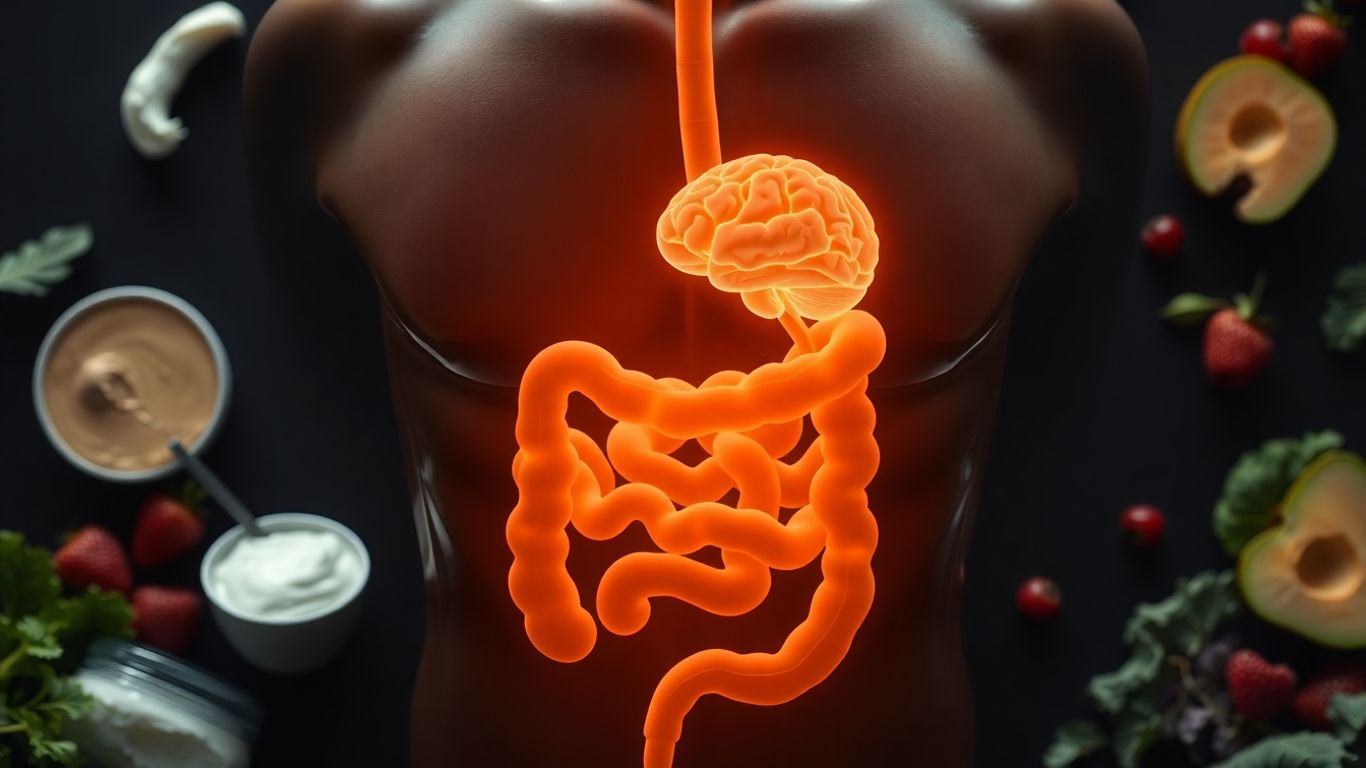
Let's explore how psychobiotics actually work once they're inside our bodies. Their impact on the gut-brain axis is not just a single process—there are several moving parts, and researchers are just starting to figure out how these small microbes may shape our minds.
Neurotransmitter Modulation and Synthesis
Psychobiotics play a role in influencing how our bodies produce and use certain brain chemicals. Some strains of bacteria help generate neurotransmitters like serotonin and GABA, both of which are directly tied to mood and brain function. For example:
- Some Lactobacillus species stimulate the production of GABA, which is known for its calming effect on the nervous system.
- Certain Bifidobacterium strains may help with the creation of serotonin, which influences mood, sleep, and even gut motility.
- These neurotransmitters or their building blocks can be produced in the gut, and although not all cross the blood-brain barrier, they can signal the brain through nerve pathways like the vagus nerve or via hormone release.
Sometimes, after starting a probiotic supplement, people report feeling a little less anxious or more upbeat—not because of magic, but possibly thanks to these neurotransmitter shifts happening deep inside their gut.
Regulation of Inflammatory Pathways
There's growing evidence that reducing inflammation in the gut can have ripple effects on the brain. Psychobiotics seem able to adjust immune signaling:
- They can lower pro-inflammatory cytokines (like TNF-alpha and IL-6).
- Some strains boost anti-inflammatory molecules, such as IL-10.
- Stress responses like activation of the HPA axis are often blunted after psychobiotic intake, which may lead to lower perceived stress.
Here's a quick table summarizing these pathways:
| Pathway | Pro-Inflammatory Effect | Anti-Inflammatory Effect | Key Psychobiotic Actions |
|---|---|---|---|
| Cytokine modulation | Lowered TNF, IL-6 | Increased IL-10 | Adjusts immune balance |
| HPA axis response | Lowered cortisol | N/A | Reduces stress perception |
If inflammation is always simmering in the background, it can mess with mood and cognition. That’s why targeting this pathway is one way psychobiotics might help people feel better.
Microbial Metabolites and Receptor Interactions
Psychobiotics don’t just interact with human cells—they churn out their own compounds. Some of these can talk to our bodies in surprising ways:
- Short-chain fatty acids (SCFAs) like butyrate, acetate, and propionate can signal cells all over the body through specialized receptors.
- Other metabolites, such as indole derivatives from tryptophan breakdown, might influence inflammation or even hormone signaling.
- These molecules can reach immune cells, nerve cells in the gut, or affect the permeability of the gut lining itself.
A few important receptor interactions include:
- FFARs (Free Fatty Acid Receptors) responding to SCFAs.
- AhR (Aryl hydrocarbon Receptor) engaged by indole compounds.
- FXR (Farnesoid X Receptor) activated by bile acid byproducts.
For people using a digestive health kit, understanding these interactions helps explain why gut-targeted therapies may have effects beyond just the gut—they could nudge mental wellbeing, too.
- Neurotransmitter shifts can support emotional stability.
- Less inflammation may help with brain fog or sadness.
- Microbial byproducts might affect how the brain and gut communicate every day.
So, while there's a lot left to discover, it looks like psychobiotics work through several overlapping systems—none of them acting alone, and all shaping the ongoing conversation between the gut and the brain.
Discovery and Clarity: From Preclinical Insights to Human Translation
Challenges in Animal-to-Human Translation
Translating psychobiotic research from animal models to people is not straightforward. While animal studies offer a controlled setup to test how psychobiotics affect mental and gut health, animals can’t capture the mix of symptoms that humans experience. Behavioral changes seen in rodents, for example, don’t always match what happens in humans. Different strains or even closely related probiotics can often work in one species and not in another. Researchers also debate which features in animals—like stress response or social behavior—best match human disorders.
- Animal models help explain basic mechanisms but often miss the complexity of human symptoms.
- Variability in animal species, testing methods, and environments can skew results.
- Some findings from animals, especially for mental health, just don’t translate cleanly when tested in people.
It’s tempting to expect rapid progress from animal breakthroughs, but the leap to real-world mental health benefits in humans often requires creative thinking and patience.
Relevance of Preclinical Models
Animal and preclinical models still matter a lot. They help sort out which strains of psychobiotics might impact stress, anxiety, or brain signaling. When used together with in vitro (lab dish) or in silico (computer) methods, these models allow researchers to focus on the most promising candidates and toss out the ones unlikely to work before moving to costly human studies. But relying only on animals would be a mistake. Studies often try to check three types of validity:
| Validity Type | Meaning |
|---|---|
| Predictive | Does the model forecast human treatment response? |
| Face | Does it look like the human condition? |
| Construct | Are the causes/mechanisms alike? |
- Predictive validity gets the most attention, as real-life effects matter.
- Construct and face validity are trickier, especially for psychiatric symptoms.
- No single model can mimic all human features—so researchers combine results from different tests.
Mechanism-Informed Strain Selection
Picking the right psychobiotic strains depends more and more on knowing how they work, not just if they work. Mechanism-informed selection means researchers study exactly how a strain alters gut-brain activities—like neurotransmitter levels, inflammation, or microbial metabolites—so that they can match the right microbe to the right problem.
- Early efforts sometimes chose strains based only on gut health, not brain effects.
- Using genomics, metabolomics, and computational methods lets scientists zero in on bacteria with direct links to mental health targets.
- Mechanistic insights help pick strains for specific issues, like anxiety or low mood, instead of hoping for general outcomes.
All these steps, from testing in animals to choosing strains with clear mechanisms, bring us closer to smart, effective psychobiotic studies in humans. Still, there’s a lot of trial and error—and plenty of surprises—before new psychobiotic therapies make it to the clinic.
Psychobiotics in Human Mental Health Trials
Clinical Evidence for Mental Health Benefits
Interest in psychobiotics for mental health has really picked up over the past few years, with effects seen mostly on mood and stress. Researchers have run quite a few clinical studies, most of them using strains like Lactobacillus or Bifidobacterium. The evidence shows that psychobiotics can support mental wellbeing, especially when used alongside typical treatments. For example, combining probiotics with antidepressants may result in better symptom improvement for people with depression and anxiety. Some specific strains, like B. longum 1714, have been linked to lower stress hormones and improved memory in adults. Still, a lot of studies use healthy people rather than those with clinical depression or anxiety, which complicates things.
Here’s a quick comparison of outcomes in recent clinical trials:
| Study Population | Probiotic Strains | Duration (weeks) | Main Benefit Reported |
|---|---|---|---|
| Depressed Patients | L. helveticus, B. longum | 8 | Improved depression scores |
| Healthy Adults | B. longum 1714 | 4 | Less stress, better memory |
| Anxious Patients | Mixed strains (multi-species) | 6 | Mixed, some anxiety relief |
Outcomes on Stress, Anxiety, and Cognition
The main improvements from psychobiotic use seem to center on how people respond to stress and, in some cases, how anxious they feel. Researchers have also seen some positive shifts in memory and even sleep quality. Here are a few of the most common outcomes targeted in studies:
- Reduction in perceived daily stress and worry
- Lower cortisol (the “stress hormone”) measurements after intervention
- Small improvements in working memory or focus
- Changes in sleep patterns, like faster time to fall asleep
Blockquote:
Taking psychobiotics hasn’t been a magic fix, but many trial volunteers have reported feeling less tense or more focused after a few weeks—especially if they also kept up their regular routines and habits.
Limitations and Variability in Human Studies
When you look closer, the clinical trial results are a little all over the place. Different studies use various strains, dosages, or timeframes, so it’s tough to compare them head-to-head. Also, studies rarely agree on which mental health measures matter most—some measure mood, others focus on sleep, and some use lab stress tests.
If you’re reading trial summaries, keep these real-world factors in mind:
- Large trials in people with diagnosed disorders are rarely done
- Different diets and lifestyles may change how people respond
- Not all probiotics are equally effective; strain selection matters
- The placebo effect is strong in mental health studies
For those looking to support their wellbeing with tools like red light therapy, it’s much the same story: results often depend on personal context, routine, and consistency. Still, psychobiotics are showing promise, and future studies with more consistent methods are expected to bring more clarity.
Key Factors Shaping Gut-Brain Axis Modulation via Psychobiotics
Host Genetics and Sex Differences
Who you are, biologically, matters a lot for how psychobiotics might affect your gut-brain health. Simple differences in genes can change the way your body responds to both the microbes in your gut and the psychobiotics you take. For example, some genetic variants might make your gut lining more open to microbial signals, while others might dampen the effects. Sex differences aren’t small either—hormones like estrogen and testosterone can mess with gut permeability, immune signaling, and even what types of microbes thrive in the gut. This means men and women often show different shifts in mood, stress, or even digestive health after taking the exact same probiotic strain.
If you've ever wondered why a supplement works wonders for one person but not another, genetics and sex could be a big part of the reason.
| Factor | Impact on Gut-Brain Response | Example |
|---|---|---|
| Genetic Variants | Alters neurotransmitter sensitivity | Serotonin transporter effects |
| Sex (M/F) | Shifts immune/inflammatory response | Hormone-driven differences |
| Epigenetics | Modifies gene expression patterns | Stress-induced DNA methylation |
Impact of Diet and Lifestyle
It’s easy to overlook, but what you eat and how you live are like the steering wheel and gas pedal for your gut-brain axis. High-fiber diets usually help feed beneficial bacteria, while a diet heavy in saturated fat or sugar can actually make things worse.
Here's how lifestyle shapes the effect of psychobiotics:
- Your fiber intake sets up which bacteria can thrive (and whether newcomers will grow).
- Sleep, stress, and exercise affect gut permeability and immune responses.
- Alcohol and drug use can wipe out or change existing gut bacteria fast.
So, while you can pop a psychobiotic pill, if your meals and habits are fighting against it, you’ll get mixed results—sometimes nothing at all.
Gut Microbiome Composition Across Lifespan
The makeup of your gut microbiome isn’t set in stone. Infants, adults, and older people all tend to have very different bacterial profiles. This matters a lot when it comes to psychobiotic therapy:
- Infancy: Gut is colonized for the first time, with big swings due to feeding style (breastmilk, formula), antibiotic exposure, and delivery method (C-section or vaginal).
- Adulthood: Microbiome stabilizes, but can still shift with diet, illness, medication, or stress.
- Aging: Microbial diversity tends to drop, often linked to increased inflammation and weaker immune responses.
| Age Group | Microbial Diversity | Gut-Brain Impact Potential |
|---|---|---|
| Infant | Low, variable | High shifting, critical |
| Adult | Moderate/stable | Steady, responsive |
| Elderly | Decreased | Lower, sometimes impaired |
The age of the host is a key factor researchers should never ignore when testing or recommending psychobiotics.
The Bottom Line
- Genetics, sex, diet, lifestyle, and age all shape the gut-brain axis response to psychobiotics.
- This is why results are so variable—both from person to person and across different trials.
- If you’re thinking about taking psychobiotics, matching the right strain, dose, and timing to your personal factors could make or break the outcome.
Approaches for Mechanistic Study and Clinical Evaluation
Psychobiotic research has picked up speed, but understanding how these microbes actually impact our brains and mental health requires a mix of old and new experimental tricks. From computer models to clinical trials, it’s a process built on layers—each with unique strengths and limitations.
In Silico and In Vitro Discovery Methods
Increasingly, researchers use computer-based (in silico) approaches and lab-based (in vitro) tools to narrow down which psychobiotics could matter most. Computational modeling helps screen large collections of bacterial strains, predicting which ones might influence critical pathways, like neurotransmitter production or immune signaling.
- Genome analysis is used to find genes likely responsible for neuroactive compound production.
- AI-assisted high-throughput screening picks strains for further study faster and more reliably than manual searching.
- In vitro assays test effects on cultured gut or brain cells before any animal or human step.
Speeding up the preclinical stage with digital and cell-based tools lets researchers weed out unlikely candidates before time-consuming animal or human research begins.
Biomarker Identification and Readouts
To actually track what’s changing in the gut-brain axis, you need dependable markers. This means putting together biological indicators (biomarkers) that show whether a psychobiotic is doing anything useful.
Key types of biomarkers include:
- Blood and saliva measures (like inflammatory cytokines or hormone changes)
- Stool metabolites and gut microbiome shifts
- Cognitive and mood tests, often using digital self-reports or lab puzzles
| Biomarker Type | Example | What it Measures |
|---|---|---|
| Metabolite Profile | Short-chain fatty acids | Gut microbial activity |
| Immune Marker | IL-6, TNF-alpha | Inflammation level in body/brain |
| Neurotransmitter | GABA, serotonin (indirect via urine or plasma) | Neuroactive compound changes |
Design Considerations in Human Trials
Human psychobiotic trials are tricky—every step matters. From picking participants to deciding on endpoints, small choices can dramatically change results.
- Adherence is easier when interventions are flexible and simple, such as foods blended into diets rather than strict pill schedules.
- Outcome measures need to match the main question: self-reported scales catch subtle mental health shifts, but detailed psychiatric interviews provide precise diagnoses (though they’re more work to run).
- Broad, inclusive participant samples let studies test real-world effects, but they might blur small impacts. On the other hand, focusing on one group (like those with diagnosed anxiety) could make findings clearer, but less generalizable.
- Wearable tech like smartwatches, digital mood trackers, and at-home sample kits make it easier for people to participate and generate more data over time.
No single study delivers all the answers, so putting together results from different types of research—computers, lab dishes, and real people—builds a clearer big picture.
Regulatory, Commercial, and Future Directions for Psychobiotic Therapies
Regulatory Challenges and Safety Profiles
Regulating psychobiotics isn’t as simple as managing ordinary probiotics. These products might look like regular supplements, but their mental health claims and impacts mean tighter oversight is needed. Psychobiotics that target mood or cognition can end up in a gray area between dietary supplements and pharmaceuticals, making clear rules crucial. There’s also the privacy side; sharing or storing microbiome data means handling sensitive personal information, and different countries are nowhere near aligned on protecting this type of data.
Key regulatory concerns:
- Defining psychobiotics as food, supplement, or drug
- Making sure safety data is robust and public
- Guidelines for labeling claims and clinical trial reporting
| Regulatory Body | Psychobiotic Category | Current Status |
|---|---|---|
| FDA (US) | Supplement/Investigational Drug | Case-by-case, unclear |
| EFSA (Europe) | Food/Novel Food | Requires strong evidence |
| TGA (Australia) | Complementary Medicine | Ongoing assessment |
Even with promising benefits, no strain should move forward without solid safety studies and honesty in marketing. The details matter here, since not all strains behave the same way and sensitive groups, like children, need different levels of evidence.
Commercialization of Psychobiotic Strains
Psychobiotic commercialization is growing fast, but it comes with hurdles. Companies have to find strains that actually work, scale up manufacturing without losing quality, and build trust with health care providers. Pricing, distribution, and access also play a part.
A few commercial products—mainly targeting mood or stress—are already launched, but most haven’t been tested in large, diverse groups. Industry is watching costs closely while juggling quality control and shelf-stability, since psychobiotic effects can change if the product degrades or sits too long on a shelf.
Common steps for commercial rollout:
- Selecting strains with clear evidence
- Ensuring large-scale production doesn’t affect function
- Developing user-friendly formats (capsules, drinks, etc.)
- Securing supply chains and global access
Exploring New Microbial Candidates
There’s a shift underway from using classic, well-known probiotics to searching for lesser-known microbes with new actions on the brain-gut axis. These novel strains could bring bigger or more targeted effects. To do this, researchers rely on DNA sequencing, metabolomics, and even AI to predict which bacteria might help with depression, anxiety, or cognitive changes.
Things driving the search for new candidates:
- High-throughput screens of gut microbiome samples
- Exploring how different diets and lifestyles affect gut-brain signaling
- Integrating digital tools to model what microbes might do before ever trialing them in humans
The future of psychobiotics means not just discovering new strains but also figuring out how to adapt treatments for individual people, and that’s going to take teamwork across science, industry, and regulatory bodies.
Conclusion
So, after looking at all the research and human trials, it’s clear that psychobiotics are a promising area for mental health and gut health. The gut-brain axis is complicated, with a lot of moving parts—nerves, hormones, immune cells, and even the bacteria themselves. Psychobiotics seem to help by tweaking these systems, maybe by changing neurotransmitter levels or calming inflammation. But, honestly, there’s still a lot we don’t know. Human studies have shown some good results, especially for stress and anxiety, but the effects can vary a lot from person to person. Things like genetics, diet, and even daily habits can make a difference. Plus, not all strains work the same way, and we’re still figuring out which ones do what. For now, psychobiotics look like a useful tool, but they’re not a magic fix. More research is needed to really nail down how they work and who will benefit the most. Still, it’s an exciting field, and it’ll be interesting to see where it goes from here.
Frequently Asked Questions
What are psychobiotics and how do they work?
Psychobiotics are special types of probiotics that help improve mental health when taken in the right amounts. They work by interacting with the bacteria in your gut, which then sends signals to your brain through different pathways, like nerves and hormones.
How does the gut talk to the brain?
The gut and brain communicate through a system called the gut-brain axis. Messages are sent back and forth using nerves, like the vagus nerve, and chemicals made by both the gut and the brain. This helps control things like mood, stress, and even digestion.
Can taking psychobiotics help with stress or anxiety?
Some studies show that psychobiotics can help lower stress and anxiety. They do this by changing how certain brain chemicals, like serotonin and GABA, are made and used. However, the effects can be different for each person.
Are there any risks or side effects when using psychobiotics?
Most psychobiotics are considered safe for healthy people when taken as directed. But, like any supplement, some people might have mild side effects like stomach upset. It's always best to talk to a doctor before starting something new, especially if you have health problems.
Why do psychobiotics work differently in animals and people?
Animal studies help us learn how psychobiotics might work, but animals and humans are not exactly the same. Things like genetics, diet, and lifestyle can change how psychobiotics affect people, so results from animal tests don’t always match what happens in humans.
What factors can change how well psychobiotics work?
Several things can affect how psychobiotics work, such as your genes, whether you are male or female, what you eat, how active you are, and the types of bacteria already living in your gut. All these factors make each person’s response a little different.