Workup Health Guide
Personalized wellness insights powered by Workup’s AI — designed to help you explore health solutions aligned with your goals.
Profile Overview
Disclaimer: This report was produced using Workup’s AI recommendation engine, which evaluates your demographic and health information to identify potentially relevant products and services from vetted partners. Workup does not practice medicine, and this content is for informational purposes only. Consult your physician or licensed practitioner before making any healthcare decisions.
Overview
This personalized preventive health guide is designed for a 50-year-old male residing in Turin, Italy. Its focus is on improving endurance and supporting overall health.
Diagnostics & Screenings
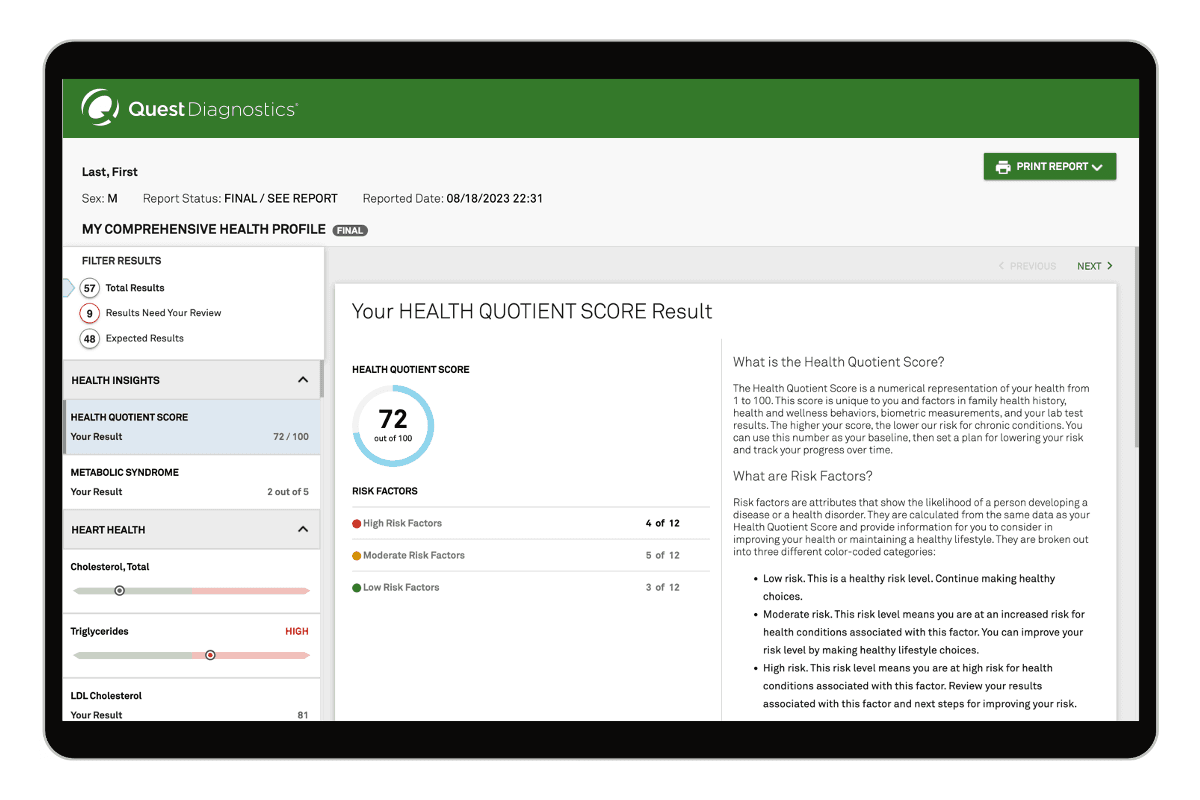
You’re a 50-year-old man in Turin focused on endurance and overall health. This plan prioritizes cardiovascular and metabolic risk, baseline organ function, low-grade inflammation, and age-appropriate cancer screening, with one lifestyle-risk screen that commonly affects performance and long-term health. Where applicable, it references Italian screening practice (e.g., FIT for colorectal cancer every 2 years via the SSN). Use these as a baseline, then adjust frequency upward if new risks, symptoms, or abnormal results appear.
Screening Overview
| Tier | Test | Risk Area | Frequency | Why It Matters |
|---|---|---|---|---|
| Cardiovascular | Office and/or home blood pressure monitoring | Hypertension and vascular disease | Check at least once a year; if readings are ≥130/80 or borderline, confirm with home monitoring several times a week and follow up within 3 months. | About 1 in 3 adults has high blood pressure, a leading cause of heart attack and stroke. Each 20 mmHg increase in systolic BP roughly doubles cardiovascular mortality risk; control reduces stroke risk by ~35–40%. |
| Cardiovascular | Comprehensive lipid panel (total, LDL, HDL, triglycerides; consider ApoB for risk refinement) | Atherosclerotic cardiovascular disease (ASCVD) | Every 1–2 years; annually if LDL is elevated, there’s family history, or you want closer tracking for performance and risk. | ASCVD is the top cause of death worldwide. Lowering LDL by ~1 mmol/L (≈39 mg/dL) cuts major vascular events by ~20–25% in trials. |
| Metabolic | A1C and/or fasting plasma glucose | Prediabetes and type 2 diabetes | Every 3 years if normal; yearly if BMI is elevated, blood pressure is high, or there’s family history of diabetes. | Roughly 1 in 3 adults has prediabetes and most don’t know it. Early detection and lifestyle change can halve progression to diabetes. |
| Organ Function | Comprehensive metabolic panel with eGFR (kidney and liver function, electrolytes) | Chronic kidney disease, liver disease, medication effects | Every 1–2 years; sooner if you start new medications (e.g., NSAIDs), have dehydration risk from training, or abnormal blood pressure/sugar. | About 1 in 10 adults has chronic kidney disease, often without symptoms. Subtle kidney or liver abnormalities are linked to higher cardiovascular risk. |
| Organ Function | Complete blood count (CBC) | Anemia or occult infection/inflammation | Every 1–2 years; yearly if high-volume endurance training, plant-based diet, or symptoms like fatigue or shortness of breath. | Anemia affects roughly a quarter of the global population and can reduce work capacity and endurance; identifying low hemoglobin or indices guides diet and evaluation. |
| Thyroid | Thyroid-stimulating hormone (TSH) | Hypothyroidism or hyperthyroidism | Get a baseline now; if normal, recheck every 3–5 years or sooner with symptoms (fatigue, weight change) or abnormal lipids. | Thyroid dysfunction affects ~2–5% of adults and can raise cholesterol, blood pressure, and fatigue—issues that impact both health and endurance. |
| Inflammation/Immunity | High-sensitivity C-reactive protein (hs-CRP) | Residual vascular inflammation and ASCVD risk | Once for baseline risk refinement; then every 1–3 years if you want tighter cardiovascular risk tracking or have intermediate risk. | hs-CRP ≥2 mg/L is associated with about a 2-fold higher risk of heart attack and stroke independent of cholesterol levels. |
| Cancer | Colorectal cancer screening (FIT via SSN; colonoscopy if positive or by preference) | Colorectal cancer | FIT every 2 years from age 50–69 per Italian programs; colonoscopy every 10 years if preferred or after a positive FIT. | Colorectal cancer is a leading cause of cancer death; organized screening with FIT every 2 years reduces mortality by ~15–33% through early detection of bleeding lesions. |
| Cancer | Prostate cancer screening (PSA) — shared decision-making | Prostate cancer | Discuss now; if you choose to screen, check PSA every 2–4 years, earlier follow-up if PSA is elevated or rises quickly. | Prostate cancer is the most commonly diagnosed cancer in European men; lifetime risk is roughly 1 in 8. Screening can reduce metastatic disease, though mortality benefit is small and overdiagnosis is possible. |
| Lifestyle Risk | Obstructive sleep apnea screening (STOP-Bang; home sleep apnea test if positive) | Sleep-disordered breathing affecting cardiovascular and daytime function | Screen once now; repeat if weight, neck circumference, snoring, or daytime sleepiness change. Test formally if screening is positive. | OSA affects an estimated 20–30% of middle-aged men, raises hypertension risk 2–3×, and impairs alertness and performance; treatment lowers blood pressure and improves daytime function. |
Recommended Products

















Nutrition & Dietary Focus
For a 50-year-old male in Turin aiming for endurance and overall health, prioritize a Mediterranean-style base with carbohydrate periodization, age-appropriate protein distribution, strategic fueling/hydration for long sessions, and targeted micronutrients. Add evidence-backed ergogenic aids (nitrate, caffeine, optional creatine) to support performance and recovery while protecting long-term cardiometabolic health.
Recommendations
Endurance Fueling
For sessions >60–90 minutes, target 30–60 g carbs/hour; for >2.5 hours aim 60–90 g/hour using a 2:1 glucose:fructose mix. Practice gut training with gels/chews, bananas, rice cakes, or simple Italian options like pane con miele or jam.
Hydration & Electrolytes
Pre-hydrate 5–7 mL/kg 3–4 hours pre‑workout. During, drink to thirst ≈0.4–0.8 L/hour with 300–600 mg sodium per liter (more if very sweaty/heat). Post‑exercise replace 125–150% of body mass lost plus sodium via mineral water/broths.
Carbohydrate Periodization
Match carbs to training load: 3–4 g/kg on easy/rest days; 5–7 g/kg on moderate days; up to 7–10 g/kg in very heavy blocks. Favor pasta integrale, farro, polenta, potatoes, seasonal fruit. Use a carb‑rich dinner and breakfast before key events; occasional low‑glycogen easy sessions can build metabolic flexibility.
Protein & Muscle Maintenance (Age 50)
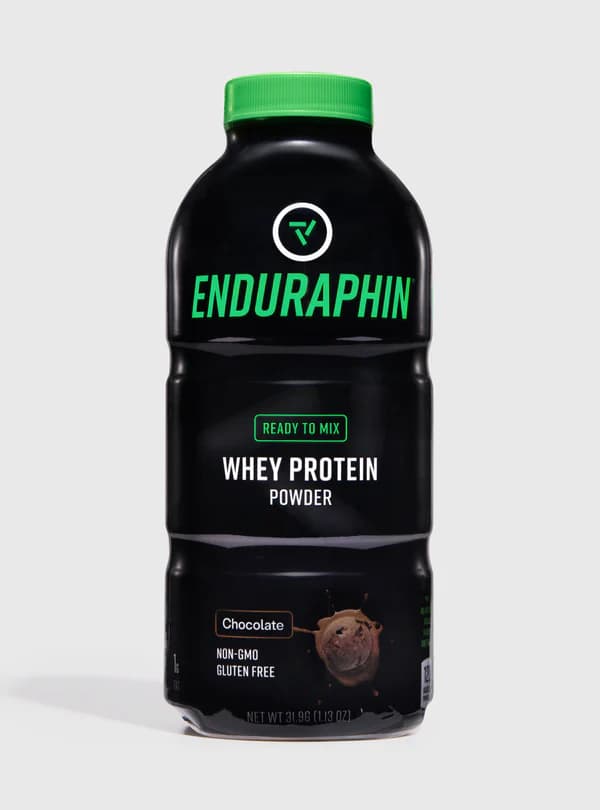
Aim 1.2–1.6 g/kg/day protein, distributed ~0.3 g/kg at 3–4 meals with 2–3 g leucine each feeding. Use fish, eggs, ricotta/Greek yogurt, poultry, legumes; after hard sessions take 20–40 g fast‑digesting protein (e.g., whey) within a few hours.
Mediterranean Pattern & Heart Health
Base meals on extra‑virgin olive oil, vegetables, legumes, whole grains, nuts (e.g., Piedmont hazelnuts, walnuts). Eat oily fish (sardines, anchovies, mackerel) 2–3×/week; limit processed meats/sugary snacks; target 30–40 g fiber/day. Keep alcohol ≤1 drink/day and avoid immediately post‑training.
Key Micronutrients for Masters Endurance
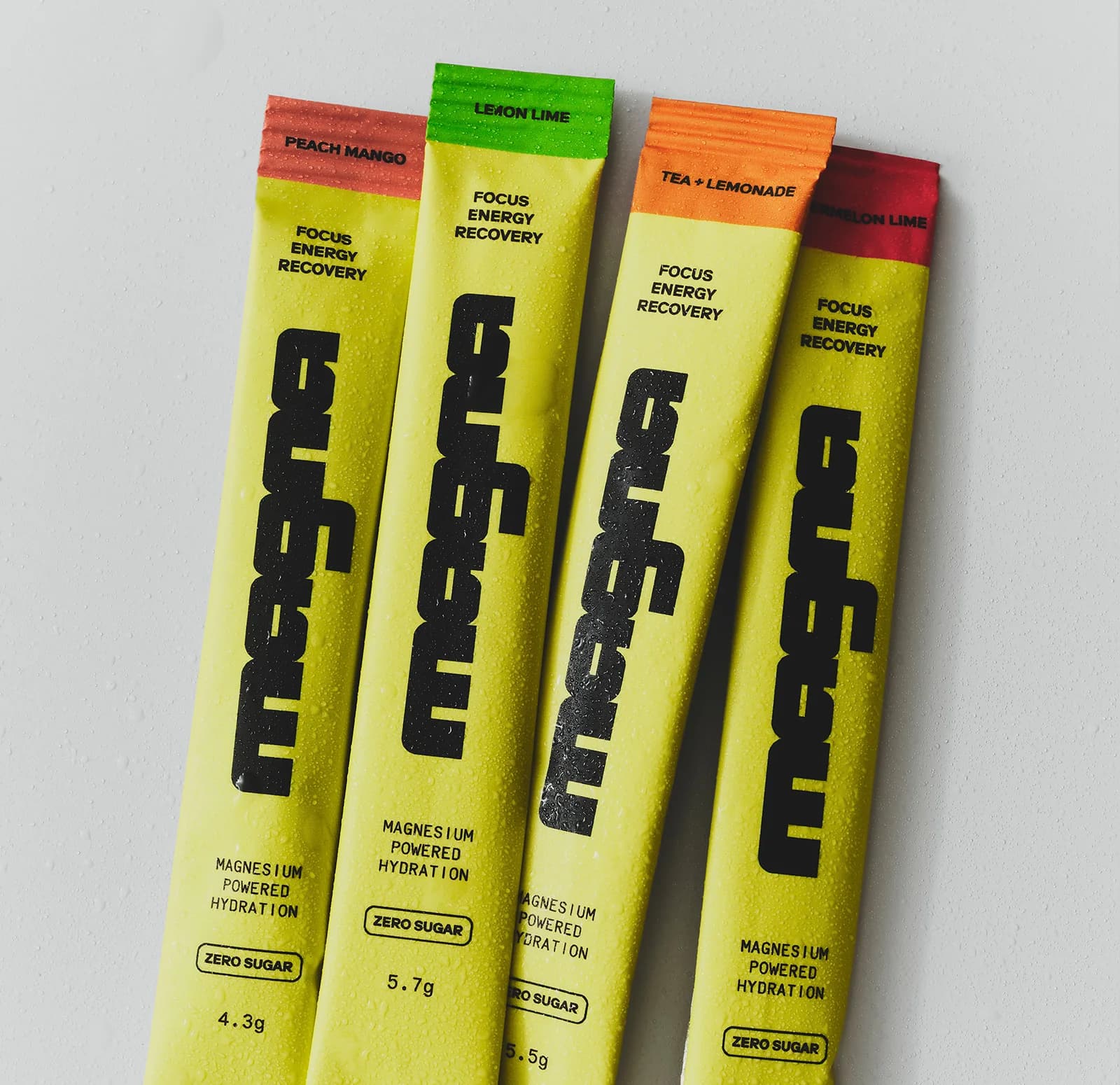
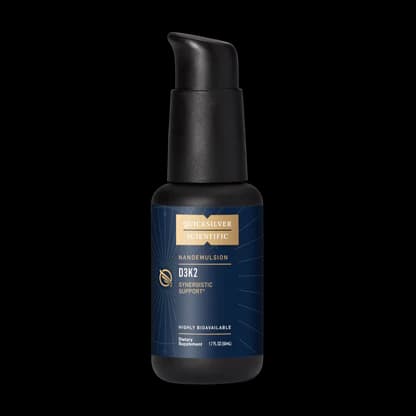
Vitamin D: check 25(OH)D; if low, use 1,000–2,000 IU D3 with meals. Omega‑3: 1–2 g/day EPA+DHA from fish or fish oil. Magnesium glycinate 200–400 mg in the evening if cramps or poor sleep. Ensure B12 intake via fish/dairy/eggs or supplement if low. Avoid iron supplements unless blood tests show deficiency; use iodized salt on non‑race days.
Ergogenic Support: Nitrate, Caffeine, Polyphenols
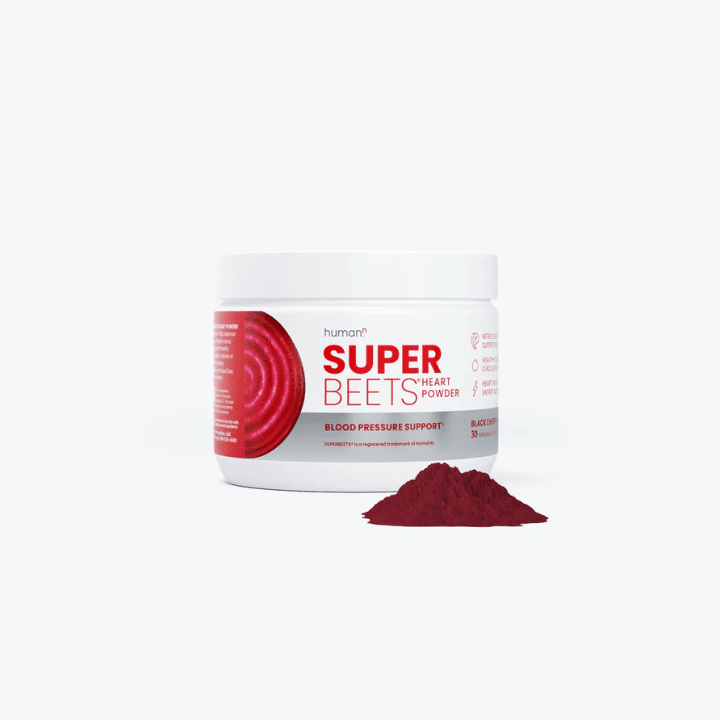
2–3 h pre‑event, consume beetroot juice delivering ~400–800 mg nitrate; for multi‑day events, consider daily low doses for 3–7 days. Caffeine 1–3 mg/kg 30–60 min pre‑workout (avoid late afternoon/evening). For recovery, take 30 mL tart cherry concentrate 1–2×/day for 3–5 days around key races.
Creatine for Strength & Resilience
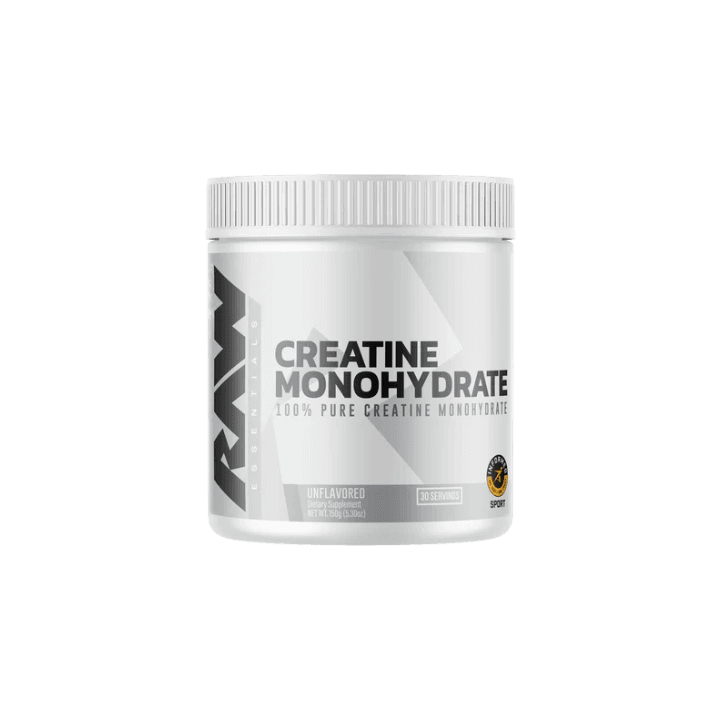
Optionally take creatine monohydrate 3–5 g/day with water (or load 20 g/day split for 5–7 days). Expect a small water‑weight increase; prioritize hydration and consider timing relative to goal‑weight races.
Recommended Products






























Supplement Strategy
For a 50-year-old male aiming for endurance and overall health, this stack targets cardiovascular efficiency, mitochondrial energy, recovery, and healthy aging. Core items bolster nitric oxide and oxygen economy (beetroot, taurine), mitochondrial output and muscle function (CoQ10, creatine), inflammation and heart health (omega-3), neuromuscular balance and sleep (magnesium), and vitamin D status for musculoskeletal and immune support—relevant in Northern Italy’s lower winter sun.
Supplement Recommendations
Beetroot (nitrate)
•Endurance & Cardiovascular6–8 mmol nitrate (≈400–800 mg) from standardized beetroot juice/concentrate, 2–3 hours before training/competition
CoQ10 (ubiquinol)
•Mitochondrial Energy & Endurance100–200 mg daily with a fat-containing meal
Creatine monohydrate
•Muscle Power & Recovery3–5 g daily (powder), any time; no loading required
Omega-3 (EPA+DHA)
•Inflammation & Cardiovascular Health1–2 g/day combined EPA+DHA from fish oil or algae oil, with meals
Magnesium glycinate
•Muscular & Nervous System Support200–300 mg elemental magnesium nightly
Ashwagandha (KSM‑66 or equivalent)
•Stress Resilience & VO2max600 mg/day standardized root extract (e.g., 300 mg twice daily)
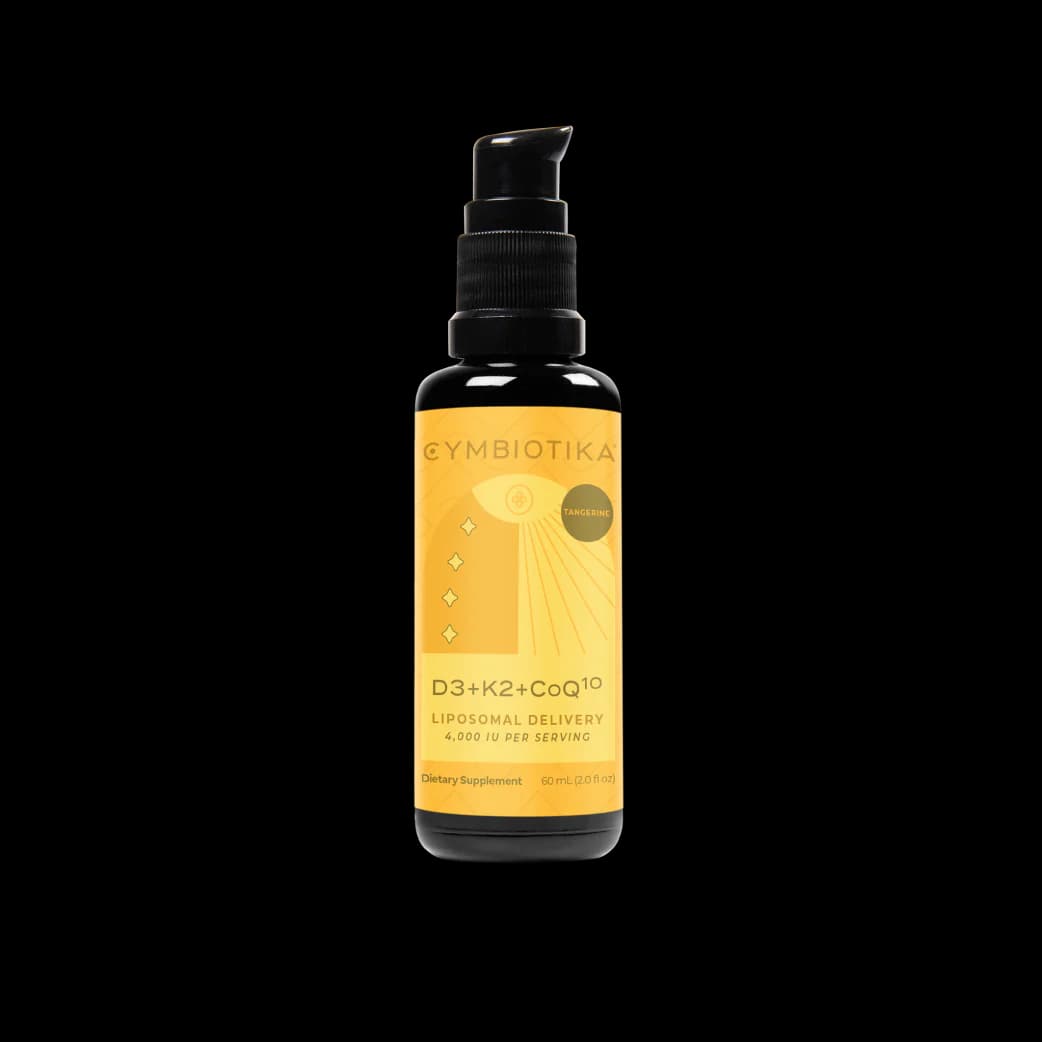
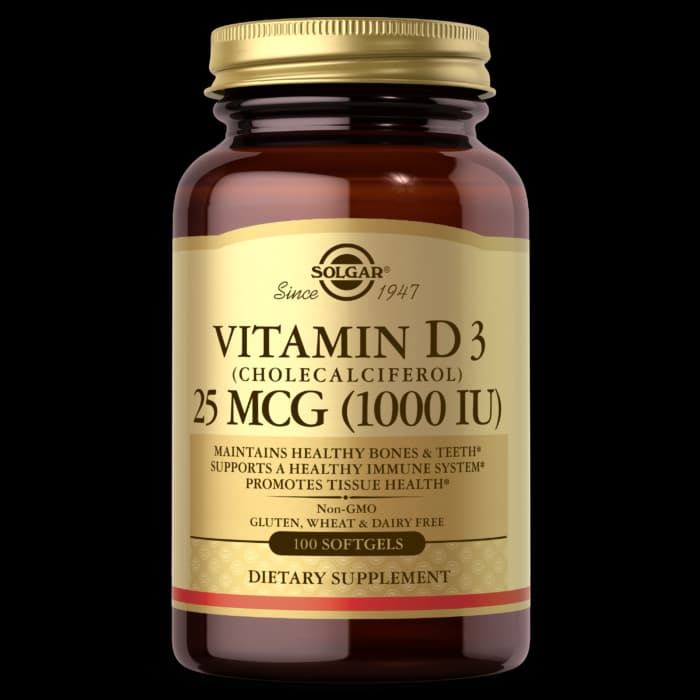
Vitamin D3 (cholecalciferol)
•Vitamin D Status & Longevity1,000–2,000 IU daily; adjust to keep 25(OH)D ~30–50 ng/mL
Taurine
•Endurance & Hydration1–2 g 30–60 minutes before training or 1–2 g/day with a meal
Recommended Products































Gut Health & Microbiome
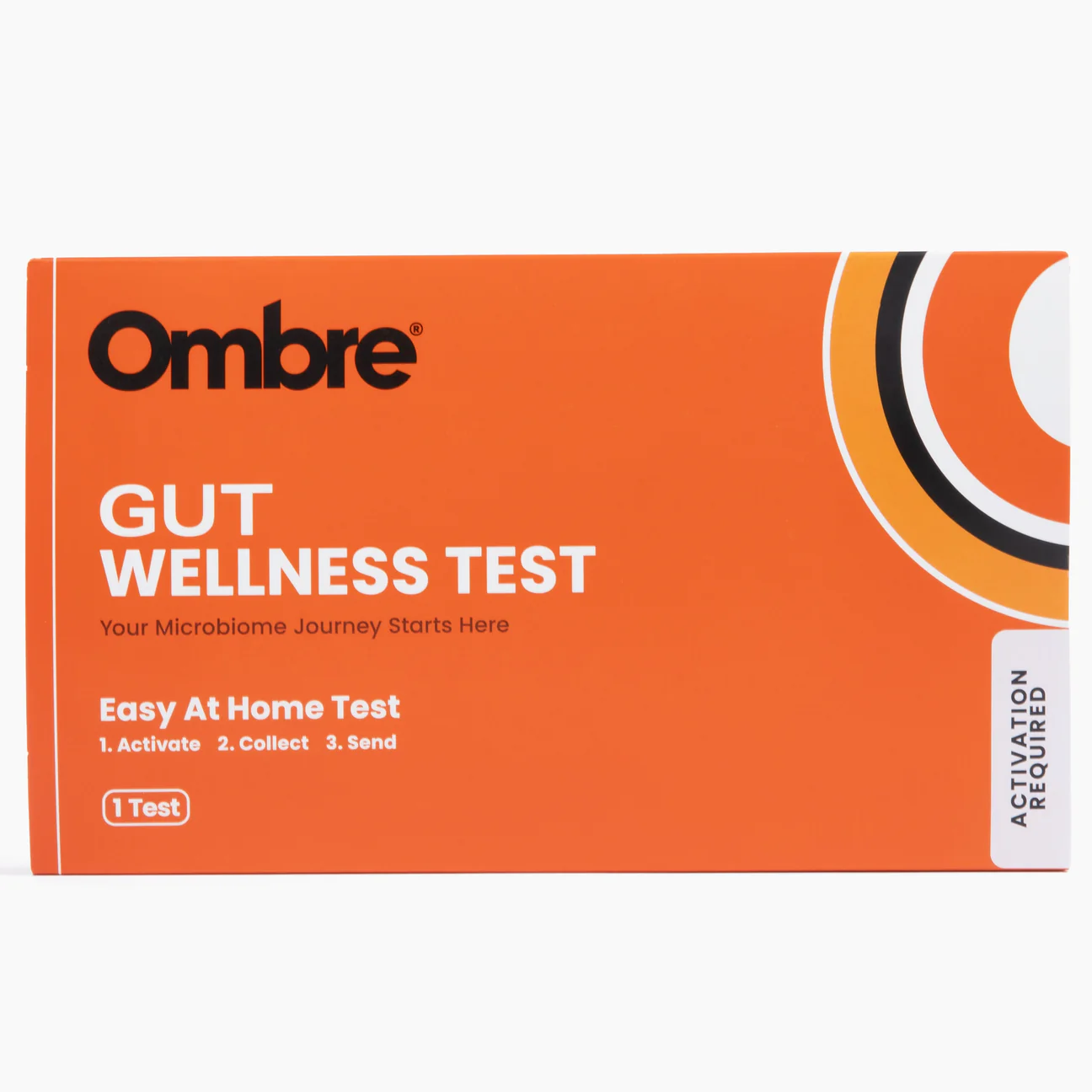
For a 50-year-old male endurance athlete in Turin, prioritize microbiome diversity and a calm gut-brain axis while training your gut for fueling. Center meals on diverse plant fibers and fermented foods, time fiber around workouts to prevent GI distress, use Mediterranean polyphenols to cool gut inflammation, and add simple nervous-system practices to support motility and barrier integrity.
Recommendations
Microbiome Diversity
Hit ~30 different plant foods per week using Italian staples: beans (borlotti, ceci), whole grains (farro, orzo), nuts/seeds, herbs/spices, and rotating vegetables like artichoke, fennel, radicchio, chicory. Include cooled-and-reheated potatoes or pasta 2–3 times weekly for resistant starch.
Fermented Foods
Include 1–2 daily servings of live-culture foods: plain yogurt or kefir, brined olives/giardiniera, sauerkraut, or naturally leavened sourdough. Choose products labeled with live and active cultures and start with small portions if you’re not used to them.
Gut Training for Endurance
Practice fueling in long sessions: start at 30–40 g carbs/hour from mixed glucose+fructose sources (e.g., gels, rice cakes, banana) with 300–500 mg sodium/hour, and increase by ~10 g/week toward 60–90 g/hour. Test products and timing only in training.
Digestion & Comfort (Fiber Timing)
Keep the last substantial meal before hard workouts lower in roughage and fats; shift most prebiotic fibers (onion, garlic, legumes, artichoke, chicory) to meals well away from training or evenings. Add a 10–20 minute easy walk after meals.
Gut–Brain Axis
Create a daily downshift: 5–10 minutes of slow nasal breathing (about 6 breaths/min), humming, or brief meditation before your largest meal and before bed; keep a regular sleep window.
Inflammation Modulation
Use extra-virgin olive oil as your main fat (2–3 Tbsp/day) and emphasize polyphenol-rich foods common in Italy—tomatoes, berries, olives, radicchio, and herbs like rosemary/oregano. If you drink alcohol, keep portions small with meals and plan alcohol-free days.
Recommended Products






















Endurance
Build endurance by prioritizing a strong aerobic base, one targeted intensity session per week, twice-weekly strength, and consistent recovery and fueling. Progress volume gradually, use heart-rate/RPE to guide effort, and tailor hydration/nutrition to Turin’s seasons for safe, sustainable gains at age 50.
Recommendations
Aerobic base (Zone 2)
Complete 3–4 aerobic sessions/week (45–90 minutes) at conversational pace (RPE 3–4 or ~60–70% HRmax), including one longer session. Favor low-impact options (cycling, brisk walking, swimming) if joints feel stressed. Increase weekly volume by ≤10%.
Threshold/tempo development
Add 1 tempo session/week: e.g., 2×20 minutes or 3×10 minutes at comfortably hard effort (RPE 6–7, ~80–90% HRmax) with easy recoveries. Warm up 10–15 minutes and cool down.
VO2max intervals (progressive)
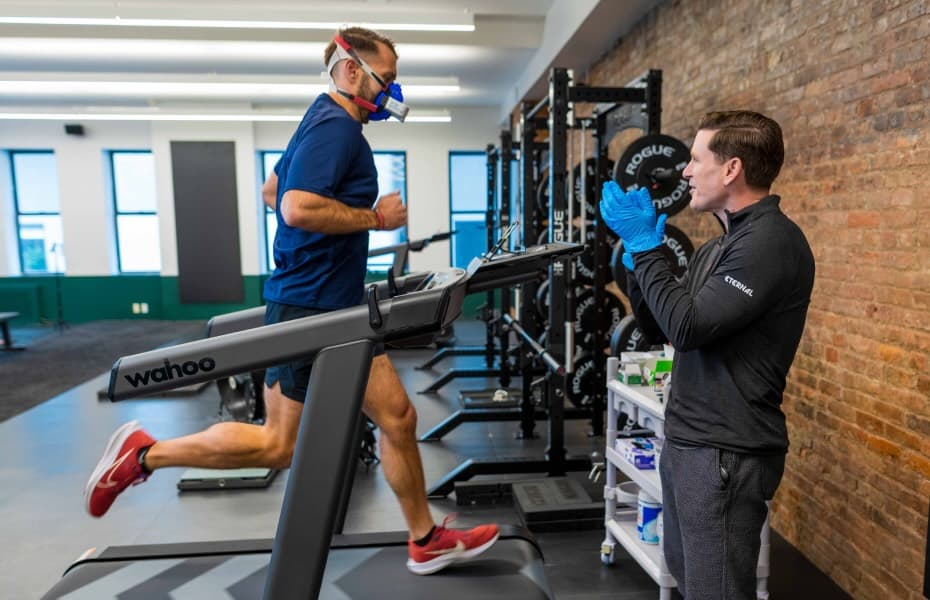
Every 7–10 days, perform 4–6×3 minutes hard (RPE 8–9, ~90–95% HRmax) with 2–3 minutes easy between reps. If new to high intensity or returning, start with fewer reps or alternate weeks. Seek medical clearance if you have cardiac risk factors or symptoms.
Strength and mobility
Twice weekly, do 30–40 minutes of full-body strength: squats/hinges, step-ups/lunges, calf raises, core/hip stability, and upper body pulls/pushes (6–10 total sets per muscle/week). Emphasize form, single-leg stability, and 48 hours between sessions; add 5–10 minutes mobility/foam rolling.
Recovery, sleep, and load management
Aim for 7–9 hours sleep; include 1–2 rest/easy days weekly and a deload every 4th week (reduce volume ~30–40%). Monitor morning resting HR or perceived recovery; adjust if unusually elevated/fatigued. In Turin’s summer heat, train early/late and shorten or slow sessions as needed.
Fueling and hydration (Mediterranean-aligned)
Daily: base meals on whole grains, legumes, fruits/veg, olive oil, fish, and dairy; target 1.2–1.6 g/kg protein. Training: for sessions >60 minutes, take 30–45 g carbs/hour and 300–500 ml fluid with electrolytes (400–700 mg sodium/L; more in hot Turin summers). Post-workout: 20–40 g protein plus carbs within 1–3 hours. Discuss iron, B12, and vitamin D checks with your GP if persistent fatigue occurs.
Recommended Products




























Overall Health Support
At 50, prioritize a Mediterranean eating pattern, combined aerobic and strength training, quality sleep, stress control, and age-appropriate screenings/vaccines to support overall health and endurance. Focus on 150–300 minutes/week of moderate cardio plus 2–3 strength sessions, 25–30 g/day fiber and adequate protein, and keep preventive checks up to date (BP, lipids, glucose, colon FIT).
Recommendations
Mediterranean nutrition & body composition
Base meals on vegetables, legumes, whole grains, fruit, and nuts; use extra‑virgin olive oil as the main fat; eat oily fish (e.g., sardines/anchovies) 2×/week; aim for 25–30 g fiber/day and ~1.0–1.2 g/kg/day protein; limit processed meats, sweets, and keep alcohol to ≤1 small glass of wine with meals (or skip).
Cardio, strength, and mobility
Do 150–300 min/week of moderate cardio (e.g., brisk walking or cycling along the Po, Zone 2) plus 1 short interval session (e.g., 4–6 × 1–2 min hard with full recovery) if cleared; add 2–3 full‑body strength sessions (squat/hinge/push/pull/core) and 10 min/day of mobility/balance work.
Sleep routine
Target 7–9 h nightly; keep a consistent schedule; get morning daylight; avoid caffeine after 14:00; wind down with screens off 60 min before bed; keep the bedroom cool, dark, and quiet.
Preventive care & vaccinations (Italy)
Check BP regularly (<130/80 if tolerated); yearly labs (lipids, fasting glucose/HbA1c, kidney function). Join the regional colorectal screening (FIT) every 2 years from age 50; keep flu vaccine annually and COVID‑19 boosters per guidance; discuss shingles vaccine (Shingrix) at 50+ with your GP; consider PSA screening via shared decision‑making.
Stress, recovery, and heat management
Practice 5–10 min/day of breathing or meditation; schedule weekly social activity; break up sitting every hour; in summer heat, train at cooler hours and hydrate with water/electrolytes during longer sessions.
Optional supplements (check with your GP)
If sun exposure is low or winter in Turin, check 25‑OH vitamin D and supplement as needed; consider omega‑3 (EPA/DHA 1–2 g/day if fish intake is low); creatine monohydrate 3–5 g/day for strength and recovery; magnesium glycinate 200–400 mg in the evening for sleep/muscle cramps. Avoid if contraindicated (e.g., kidney disease) and review interactions (e.g., anticoagulants).