Workup Health Guide
Personalized wellness insights powered by Workup’s AI — designed to help you explore health solutions aligned with your goals.
Profile Overview
Disclaimer: This report was produced using Workup’s AI recommendation engine, which evaluates your demographic and health information to identify potentially relevant products and services from vetted partners. Workup does not practice medicine, and this content is for informational purposes only. Consult your physician or licensed practitioner before making any healthcare decisions.
Overview
This guide provides personalized preventive health strategies for a 41-year-old female in New York, NY, managing Lyme antibodies and autoimmune conditions. Key goals include increasing soluble fiber intake and building muscle and strength.
Diagnostics & Screenings
Plan focuses on cardio‑metabolic risk stratification, autoimmune‑related thyroid screening, core organ function, age‑appropriate cancer screening, infection checks recommended for all adults, and a lifestyle risk screen. With asymptomatic Lyme antibodies, no repeat Lyme testing or treatment is recommended unless symptoms develop. Your goals (more soluble fiber, building muscle/strength) support many markers here by improving lipids, A1C, and inflammation and protecting long‑term heart, liver, and metabolic health.
Screening Overview
| Tier | Test | Risk Area | Frequency | Why It Matters |
|---|---|---|---|---|
| Foundational | Blood Pressure measurement (clinic or validated home monitor) | Hypertension and cardiovascular events | At every routine visit and at least once a year if normal; check at home monthly if borderline or elevated. | Nearly 1 in 2 U.S. adults has high blood pressure; controlling it can cut stroke risk by ~35–40% and heart disease by ~20%. |
| Cardiovascular | Fasting Lipid Panel (total, LDL, HDL, triglycerides) | Atherosclerotic cardiovascular disease | Every 3 years if results are optimal and overall risk is low; every 1–2 years if you have autoimmune disease, family history, or prior elevation. | High LDL drives plaque build‑up; lowering LDL by ~39 mg/dL reduces major cardiovascular events by ~20–25%. |
| Metabolic | Hemoglobin A1C | Prediabetes and type 2 diabetes | Every 3 years if normal; annually if overweight, with family history, or history of gestational diabetes—strength training and fiber can improve A1C within 3 months. | About 96 million U.S. adults (~38%) have prediabetes and most are unaware; early lifestyle changes can prevent or delay diabetes. |
| Organ Function | Comprehensive Metabolic Panel (CMP) | Liver and kidney function, electrolytes | Annually if taking regular medications/supplements or with autoimmune disease; otherwise every 1–2 years. | Chronic kidney disease affects ~1 in 7 adults, and fatty liver disease affects ~25%; CMP can flag early dysfunction before symptoms. |
| Thyroid/Autoimmune | TSH with reflex free T4 and thyroid peroxidase (TPO) antibodies | Autoimmune thyroid disease (Hashimoto’s) and thyroid dysfunction | Annually given autoimmune history, or sooner with symptoms (fatigue, weight change, temperature intolerance); if stable and normal twice, extend to every 2–3 years. | Up to 1 in 8 women develop a thyroid disorder, and thyroid autoimmunity is the leading cause of hypothyroidism. |
| Inflammation/Immunity | High‑sensitivity C‑reactive protein (hs‑CRP) | Systemic inflammation and cardiovascular risk | Obtain a baseline once; repeat annually if elevated or if cardiovascular risk increases—avoid testing during acute illness. | hs‑CRP ≥2 mg/L is linked to roughly 2× higher risk of heart attack and stroke independent of cholesterol levels. |
| Cancer | Screening Mammogram (digital 2D/3D) | Breast cancer | Every 1–2 years starting at age 40; choose annual if you have dense breasts or family history. | About 1 in 8 women will develop breast cancer; regular screening from 40 reduces breast‑cancer deaths. |
| Cancer | Cervical cancer screening (primary HPV test ± Pap) | Cervical cancer from high‑risk HPV | Every 5 years with primary HPV testing (or every 3 years with Pap alone); follow earlier intervals if prior abnormalities. | Regular screening and HPV vaccination can prevent over 90% of cervical cancers and cut deaths by more than half. |
| Infection | Hepatitis C antibody (with reflex RNA if positive) | Chronic hepatitis C leading to cirrhosis and liver cancer | One‑time screening for all adults 18–79; repeat only if new risk exposures occur. | ~2.4 million Americans have chronic HCV, often without symptoms; antivirals cure >95% and prevent liver damage. |
| Risk/Lifestyle | Obstructive Sleep Apnea screening (STOP‑Bang or Berlin; home sleep test if high risk) | Sleep‑disordered breathing, cardiometabolic strain, daytime impairment | Screen once now; repeat if you develop loud snoring, witnessed apneas, daytime sleepiness, weight gain, or new hypertension. | OSA affects ~10–20% of adults; untreated OSA raises hypertension risk 2–3× and increases accident risk due to sleepiness. |
Recommended Products















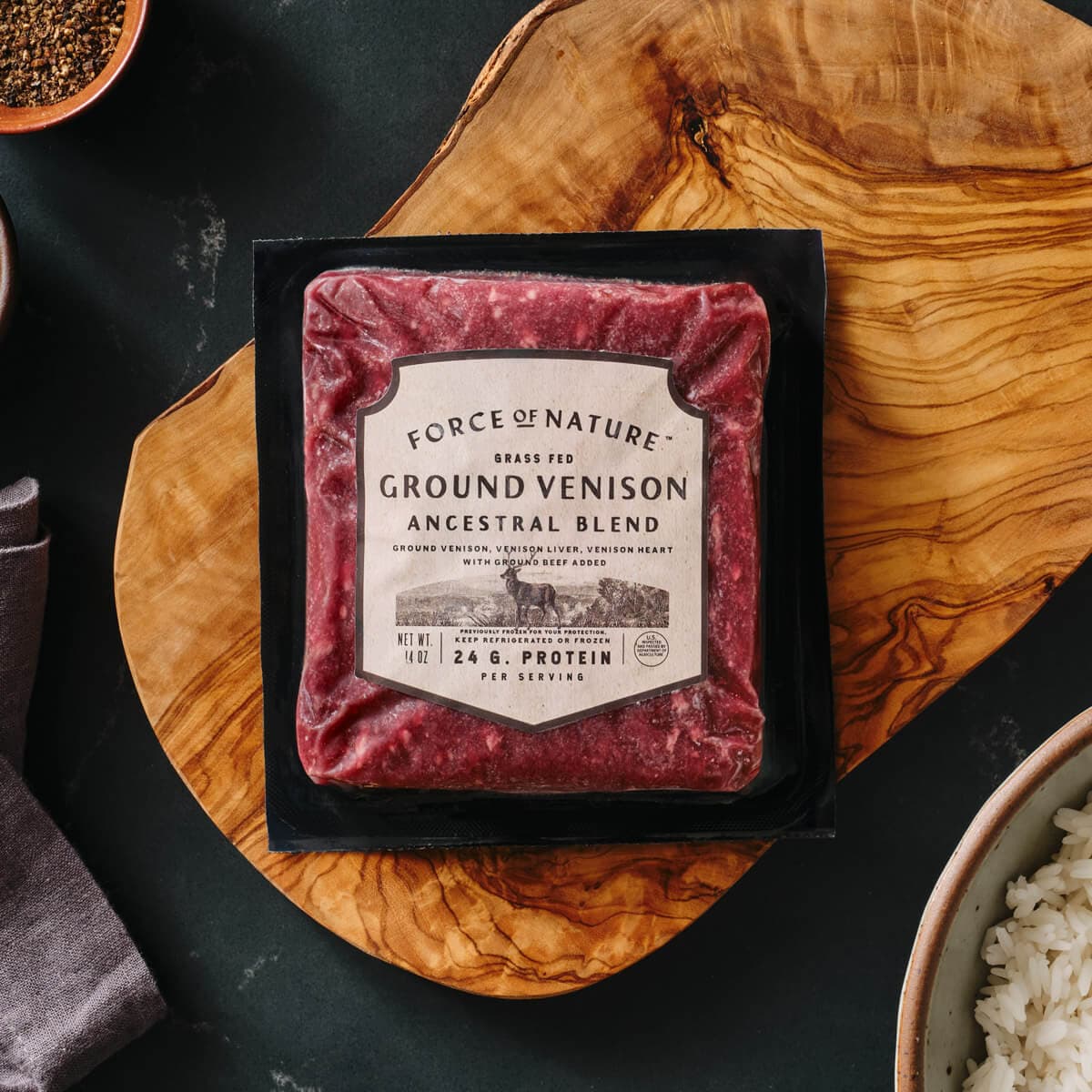
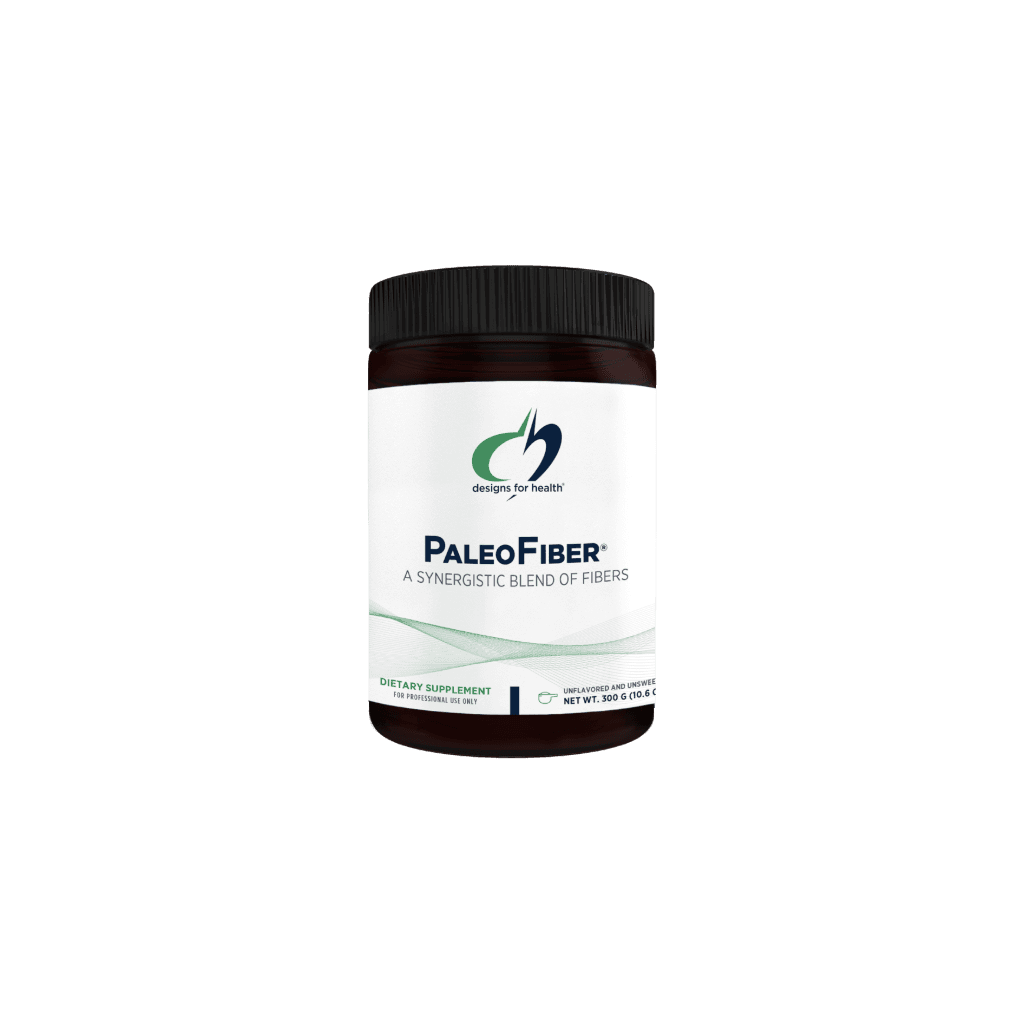
Nutrition & Dietary Focus
For a 41-year-old woman with autoimmune tendency and asymptomatic Lyme antibodies, prioritize an anti-inflammatory Mediterranean-style pattern while elevating soluble fiber and optimizing protein for strength gains. Emphasize fish-derived omega-3s, vitamin D sufficiency (limited sun in New York), selenium from foods, and gut-friendly fibers/ferments. Pair higher-protein meals with gradual soluble-fiber increases and smart supplementation (psyllium, creatine) to support body composition and immune balance.
Recommendations
Soluble Fiber Intake
Target 25–35 g total fiber with 10–15 g/day from soluble sources by building meals around oats or barley, legumes (1/2–1 cup/day), chia/flax, apples/citrus, and cooked root vegetables; increase gradually and drink 2–3 L fluids daily.
Soluble Fiber Implementation
If food alone falls short, add 5–10 g/day psyllium (start with 1 tsp once daily and build to 1–2 tsp twice daily) mixed in water away from medications by 2–3 hours.
Muscle & Strength
Aim for protein at 1.6–2.2 g/kg/day spread over 3–4 meals (about 25–35 g high-quality protein per meal) using eggs, dairy or soy, poultry/fish, or a whey/plant protein shake when needed.
Performance Supplement
Take creatine monohydrate 3–5 g daily (any time, with fluid); pair with resistance training 3–4 days/week; check with your clinician if you have kidney disease or are pregnant.
Anti-Inflammatory Pattern (Autoimmune Support)
Center meals on a Mediterranean pattern: vegetables and berries, legumes, whole grains, nuts/seeds, extra-virgin olive oil; limit ultra-processed foods, refined sugars, and excess alcohol.
Omega-3 Intake
Eat fatty fish (salmon, sardines, mackerel, trout) 2–3 times/week; if not, use an omega-3 supplement providing ~1–1.5 g/day EPA+DHA.
Vitamin D and Selenium
In New York, consider vitamin D3 1,000–2,000 IU/day Oct–Apr and confirm with a 25(OH)D lab; get selenium from foods (e.g., 1–2 Brazil nuts/day, seafood, eggs) and avoid high-dose iodine supplements unless prescribed.
Gut Health Diversity
Include 1–2 servings/day of fermented foods (yogurt/kefir, sauerkraut, kimchi) plus prebiotic-rich vegetables (onion, garlic, leeks, asparagus, artichokes) and green banana or cooked-then-cooled potatoes/rice.
Recommended Products























Supplement Strategy
For a 41-year-old woman with an autoimmune history and asymptomatic Lyme antibodies, this stack prioritizes gentle soluble fiber to support gut-immune balance and cardiometabolic health, and proven ergogenics to build muscle and strength. Vitamin D3 and omega-3s add immune and anti-inflammatory support suited to New York latitude, while magnesium glycinate, CoQ10, and curcumin aid recovery, mitochondrial energy, and healthy inflammation resolution to support training and longevity.
Supplement Recommendations
Partially Hydrolyzed Guar Gum (PHGG)
•Gut & Metabolic Health5–10 g daily as a powder in water or smoothies; start at 3–5 g and increase over 1–2 weeks.
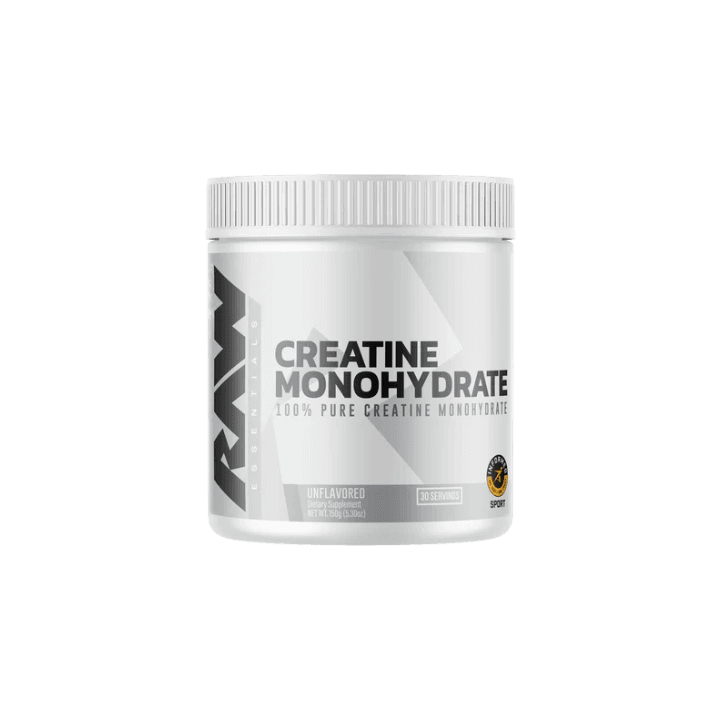
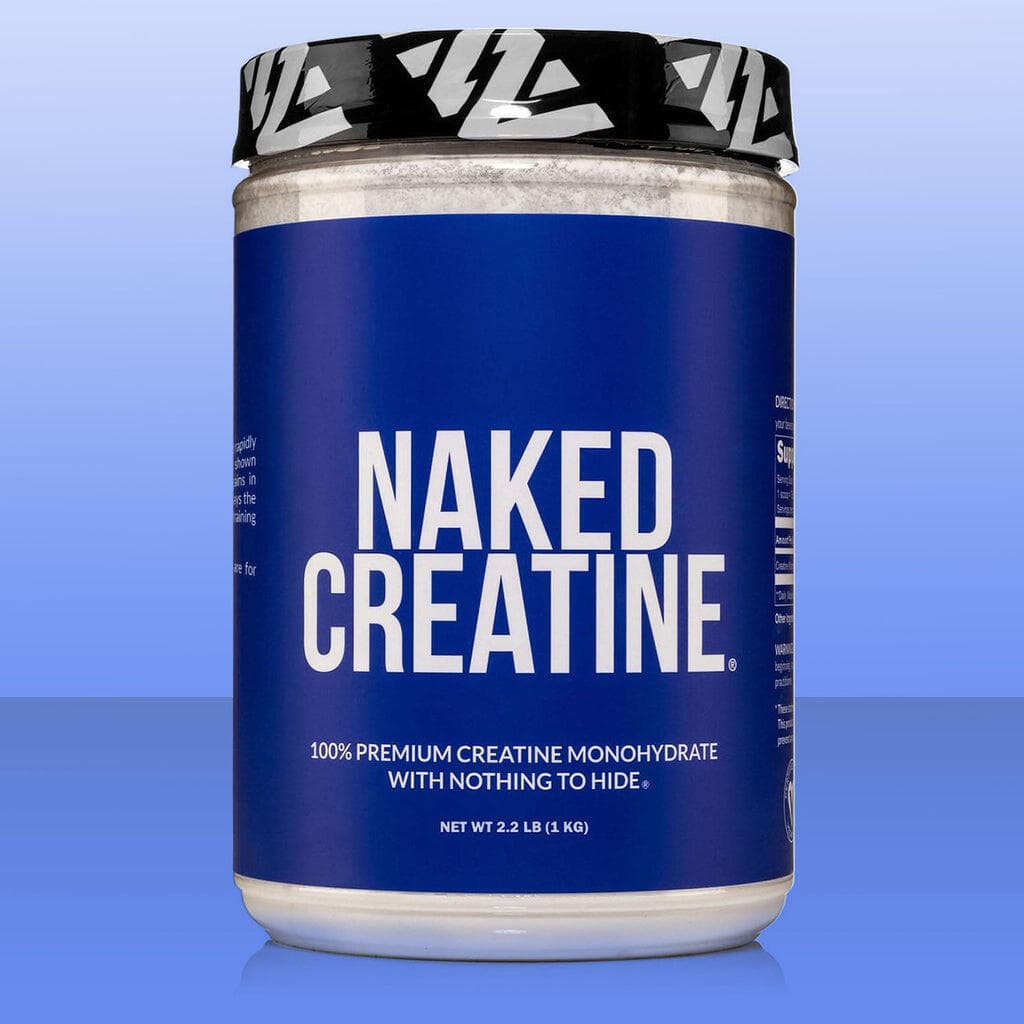
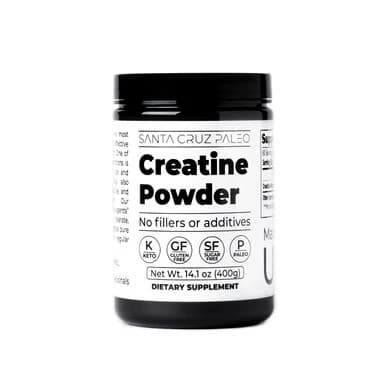
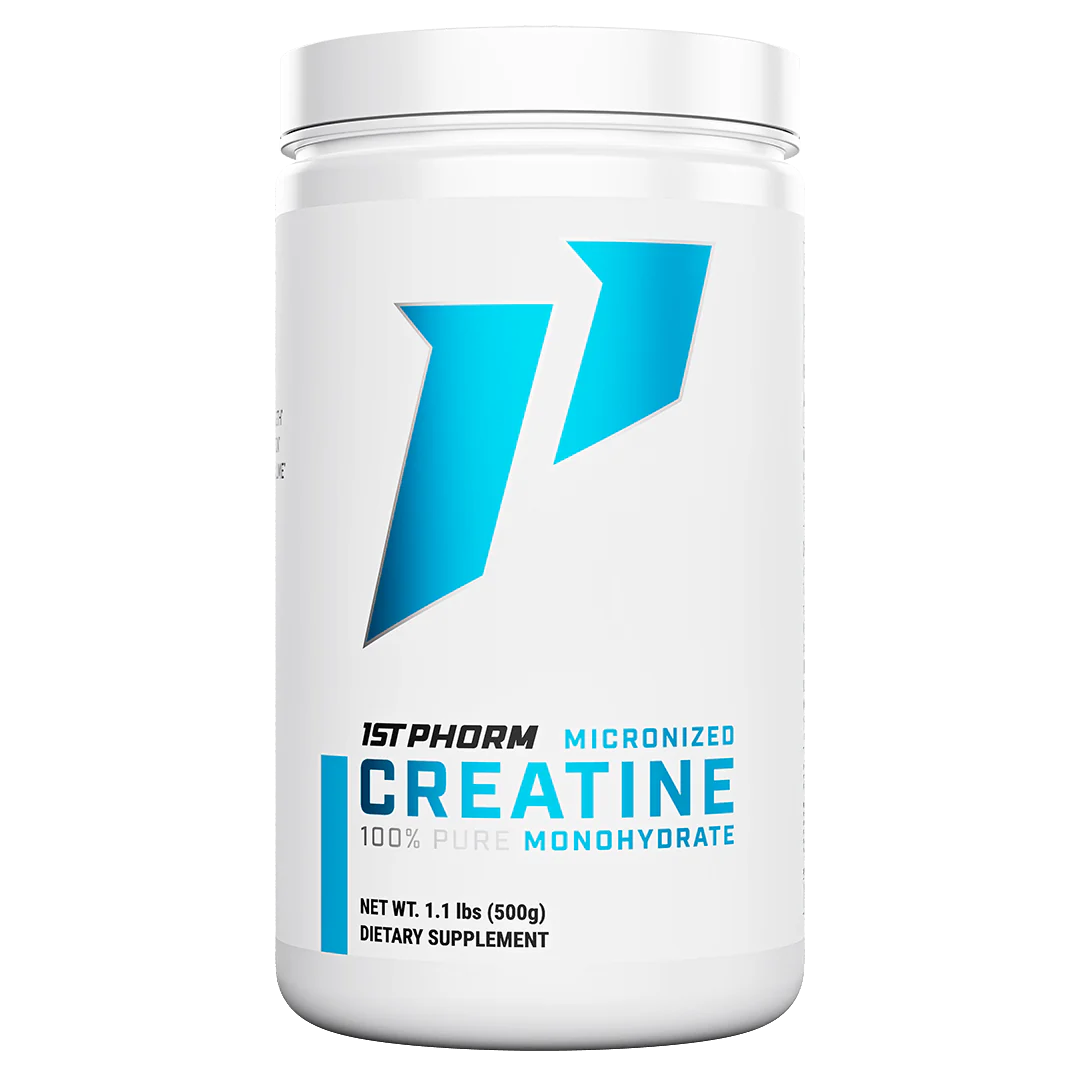
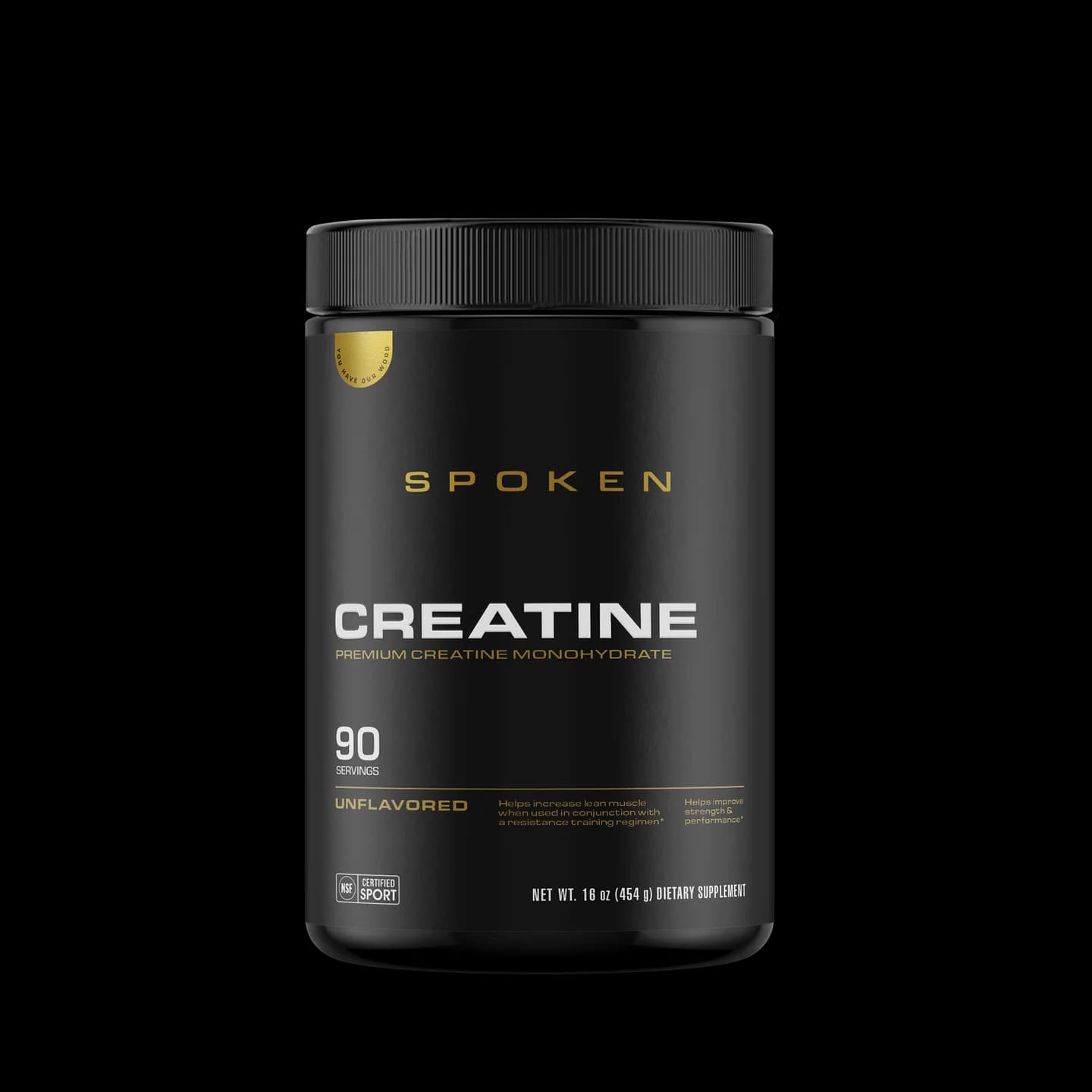
Creatine Monohydrate
•Muscle & Strength3–5 g daily, micronized powder; consistent daily dosing without loading.
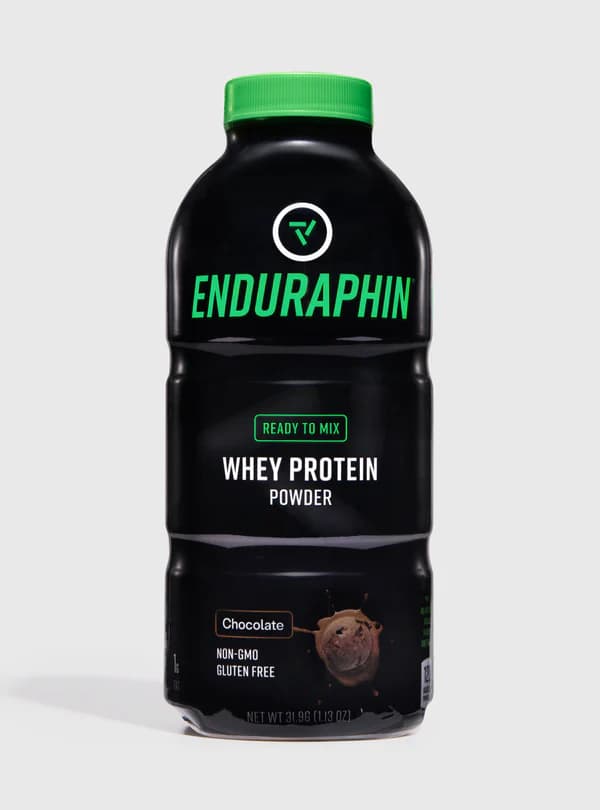
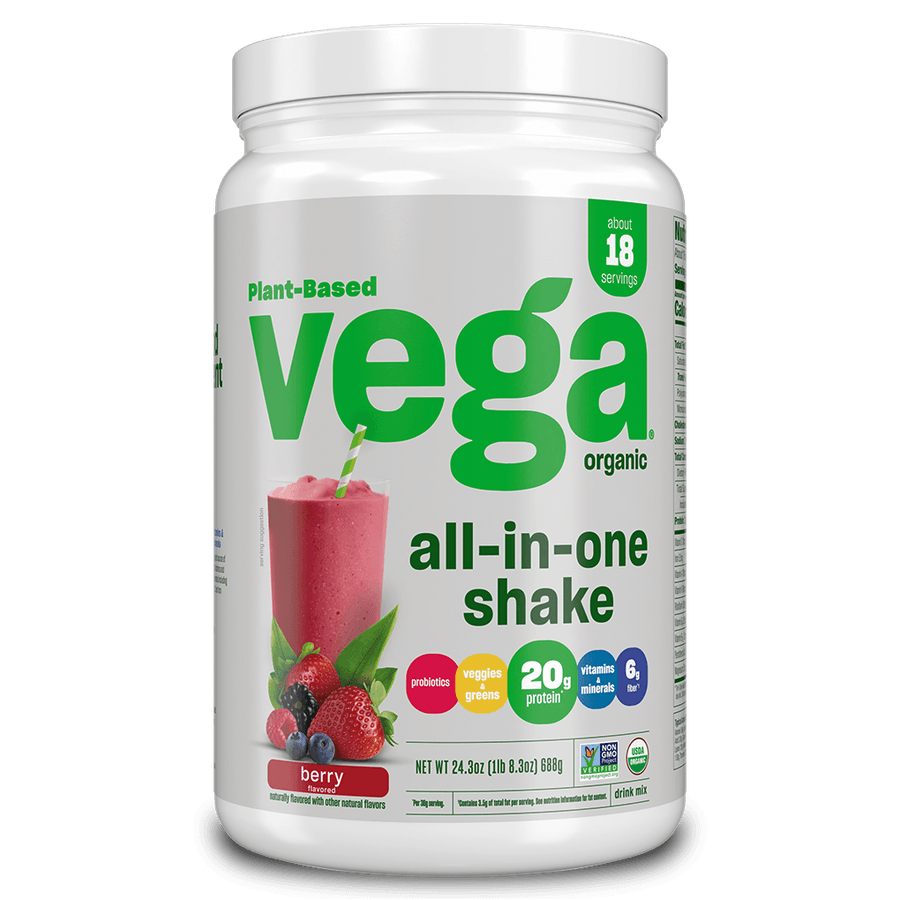
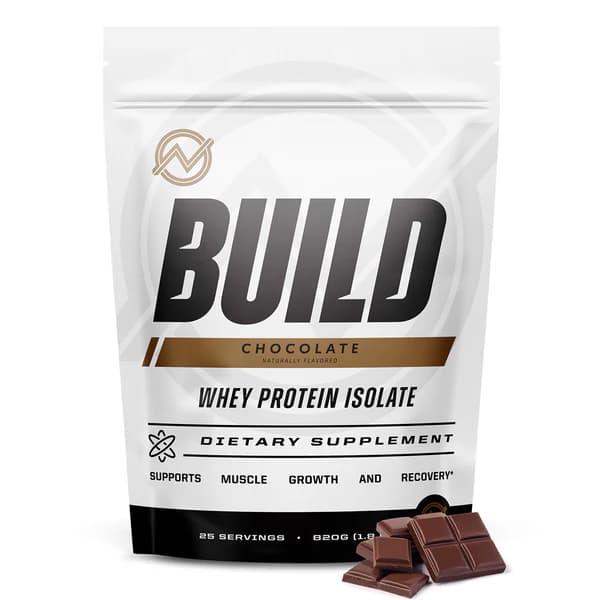
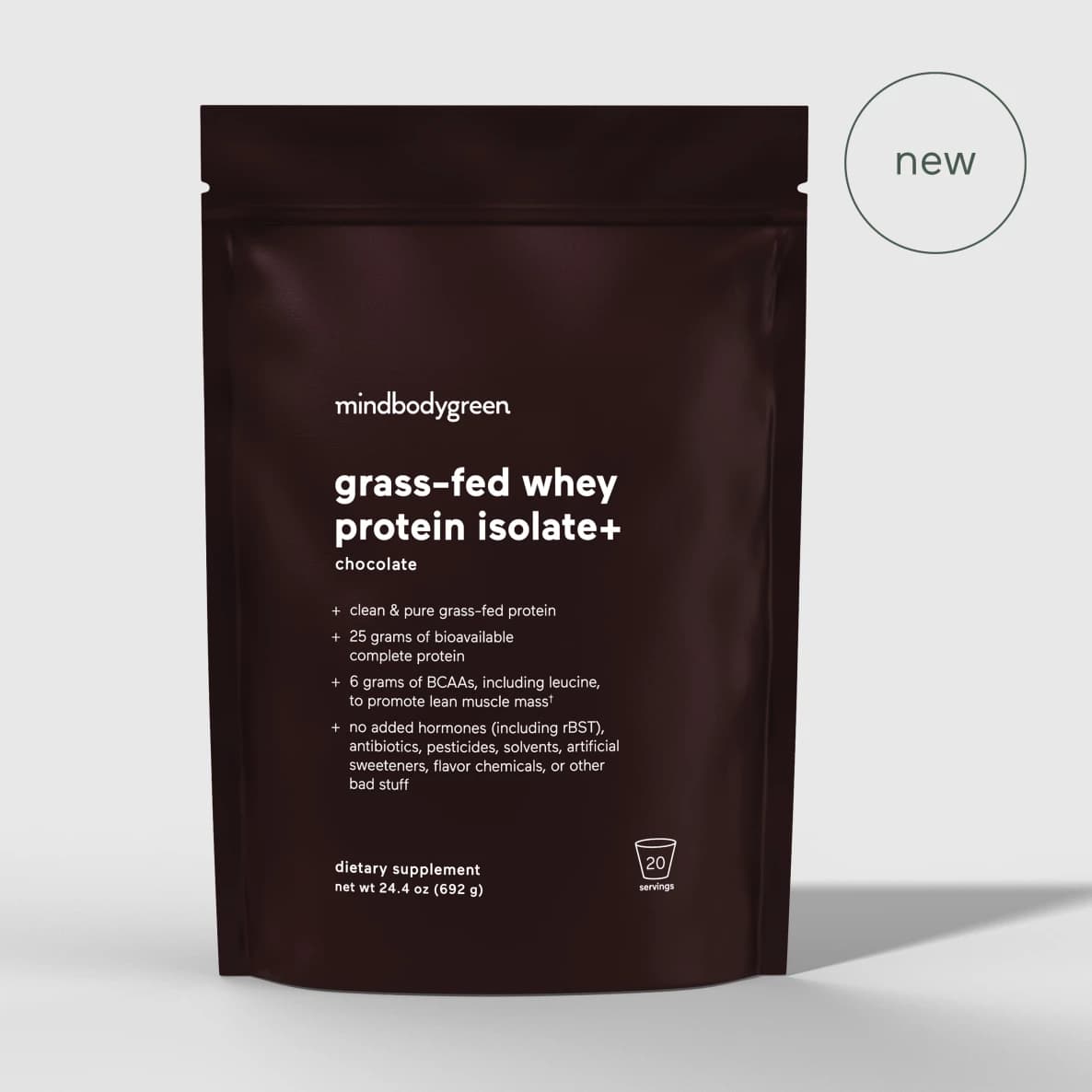
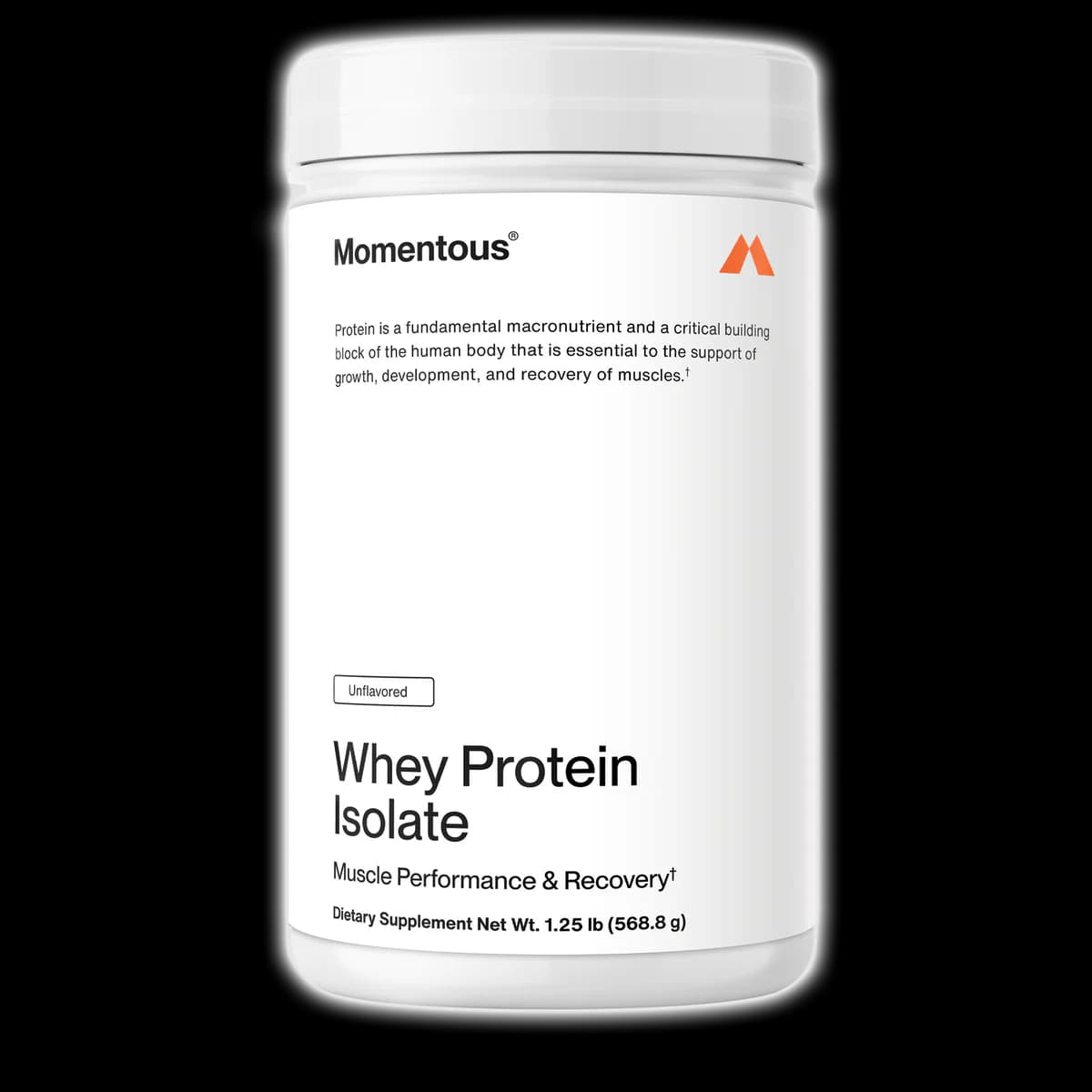
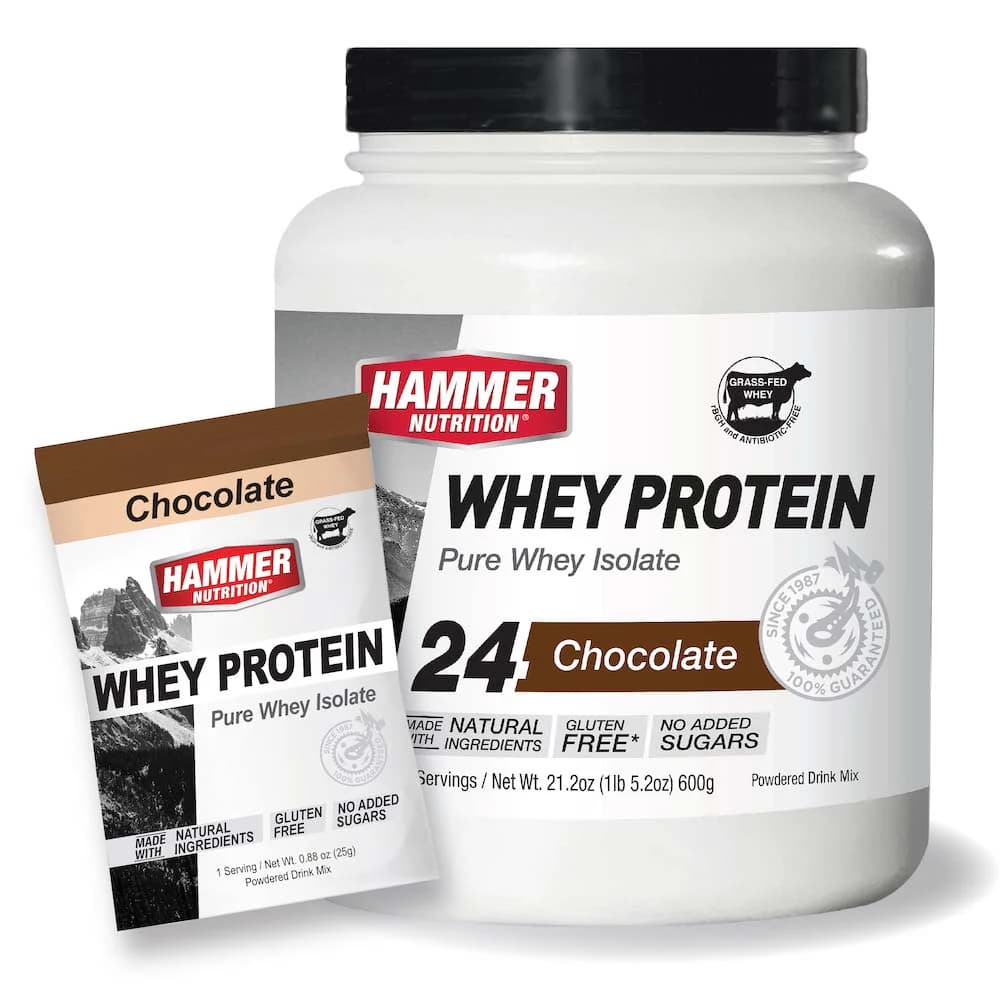
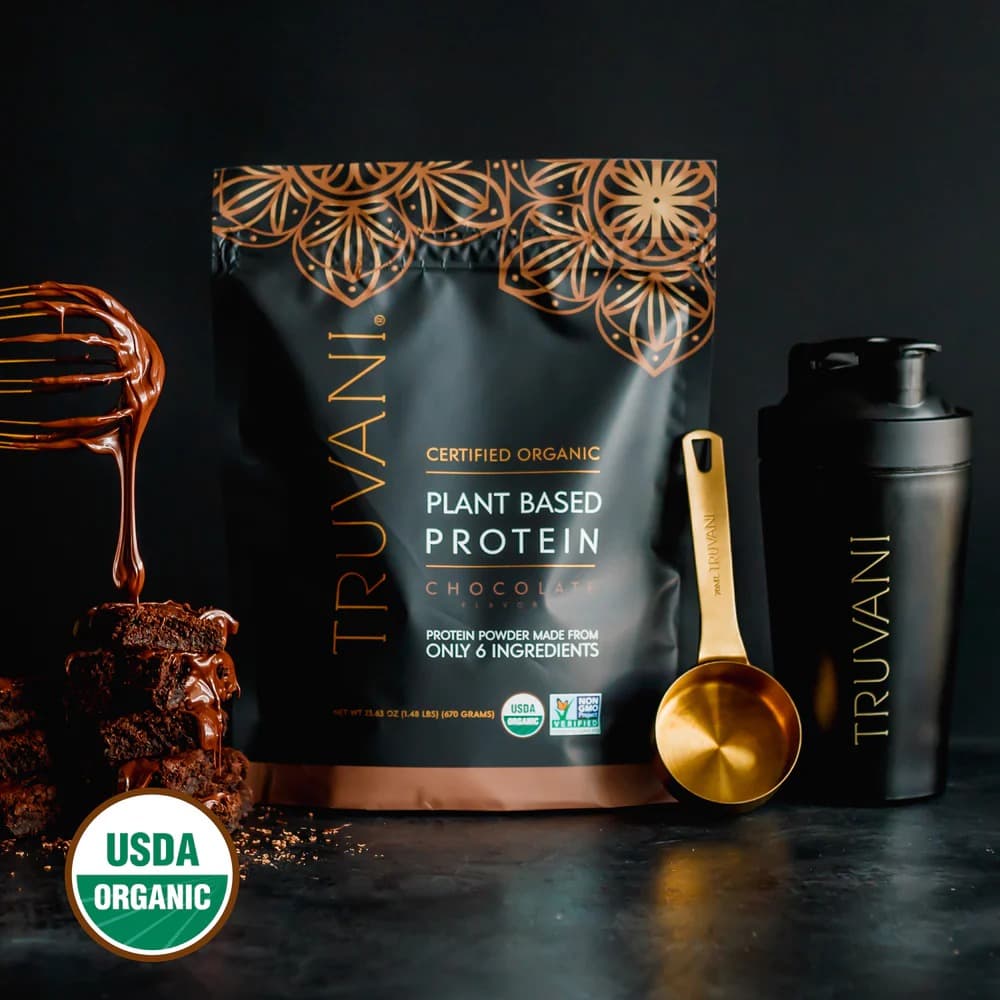
Whey Protein Isolate (or pea/rice blend if dairy-sensitive)
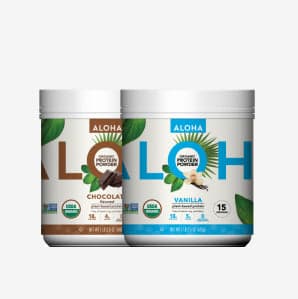
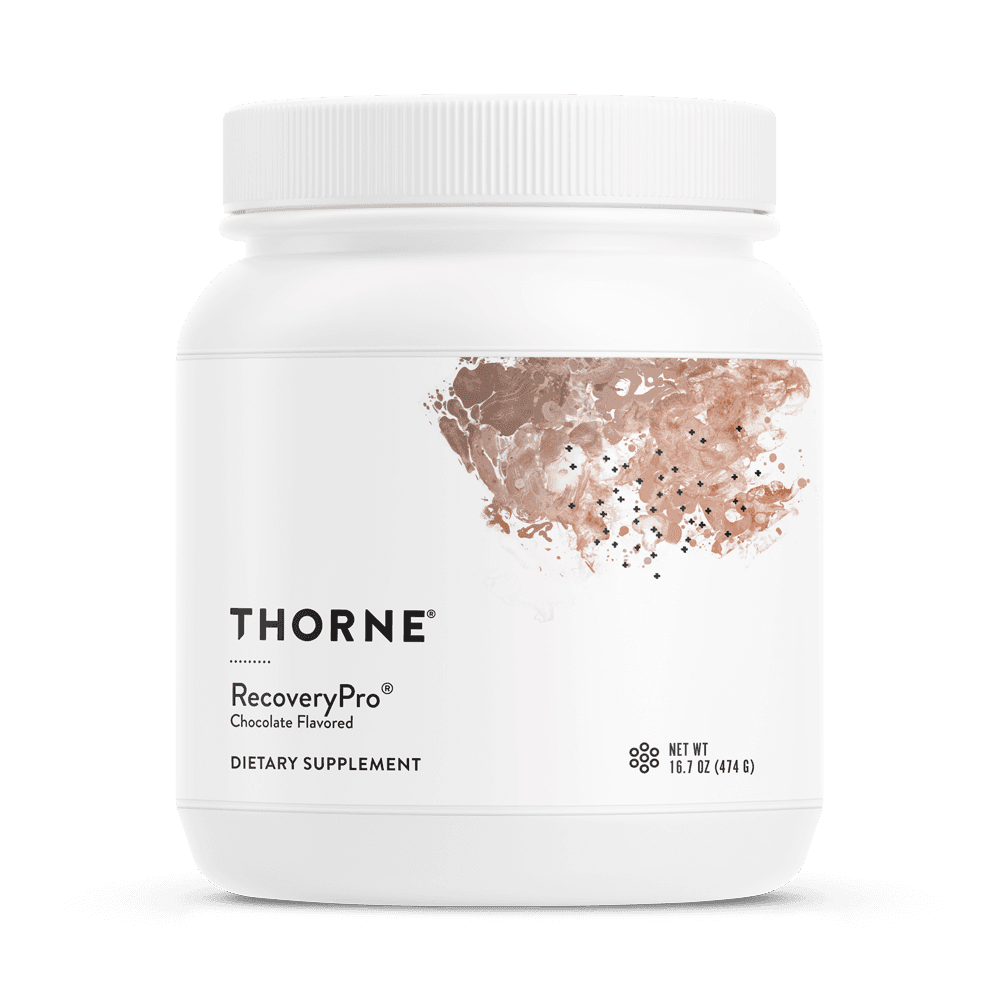
•Muscle Protein Synthesis & Recovery20–30 g protein per serving, 1× daily or post-workout.
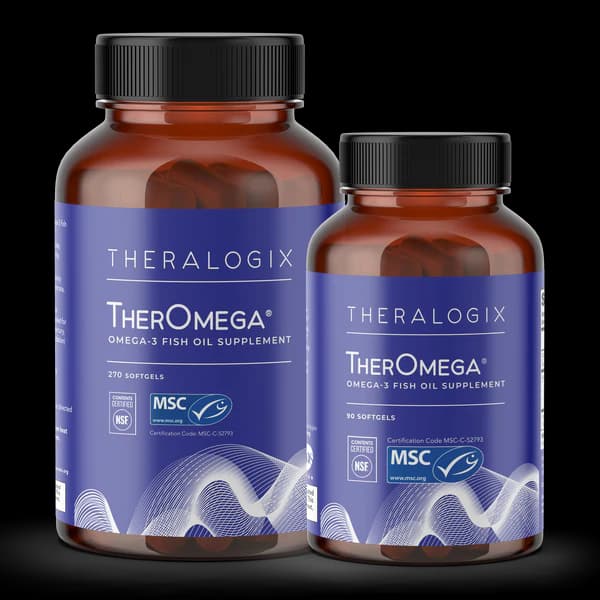
Omega-3 Fish Oil (EPA+DHA)
•Anti-Inflammatory & Immune Balance1,000–2,000 mg EPA+DHA daily with a meal.
Vitamin D3
•Immune, Bone & Muscle Support1,000–2,000 IU daily with fat; consider higher end in fall/winter at New York latitude; may pair with K2 MK-7 90–120 mcg.
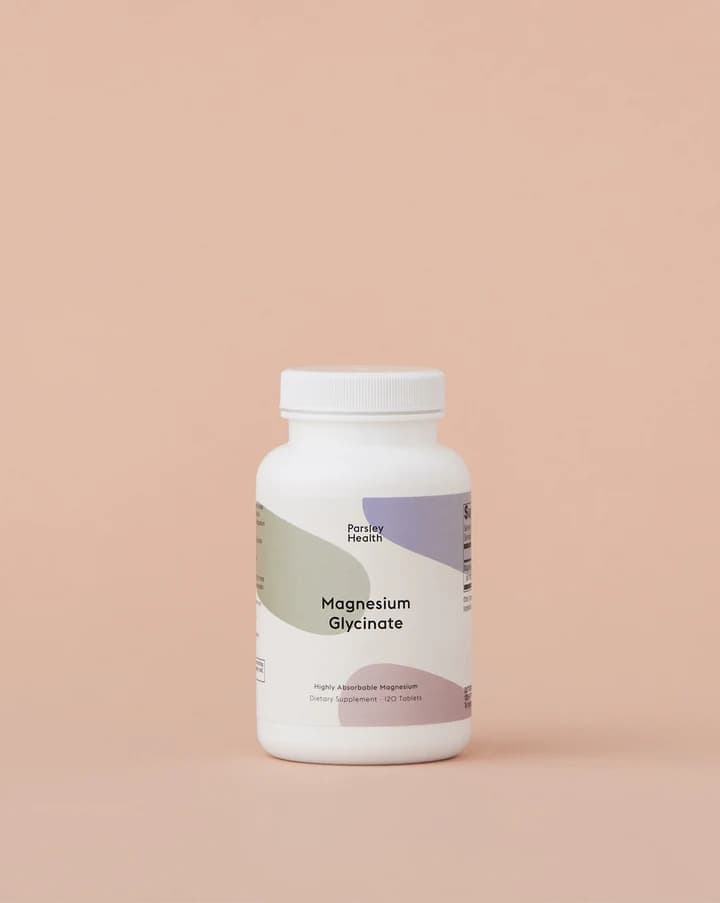
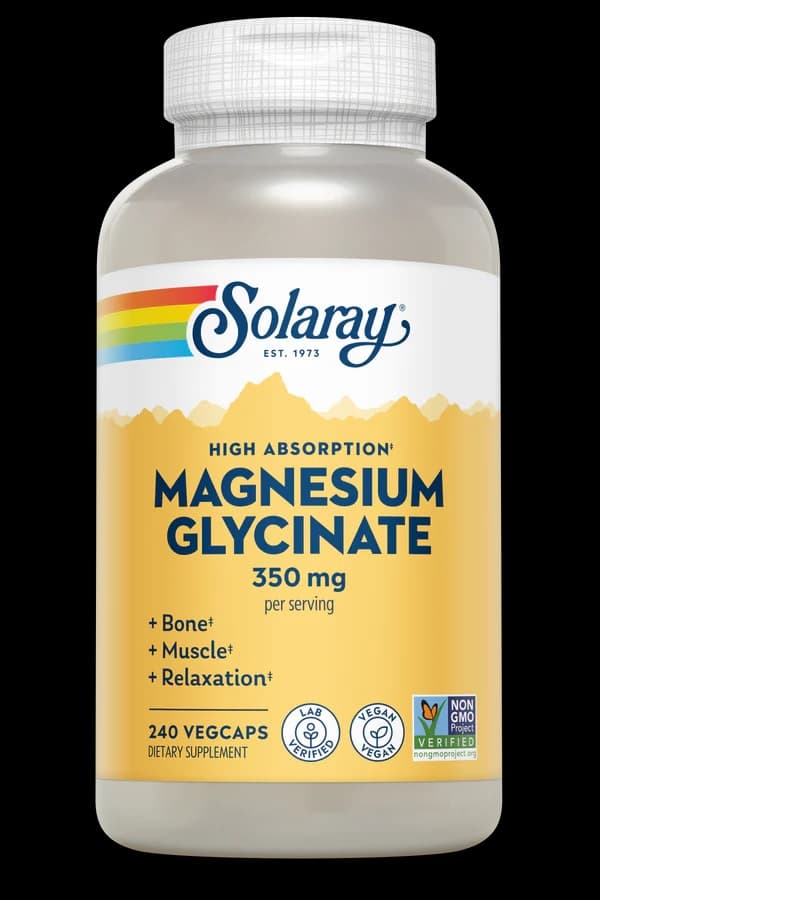
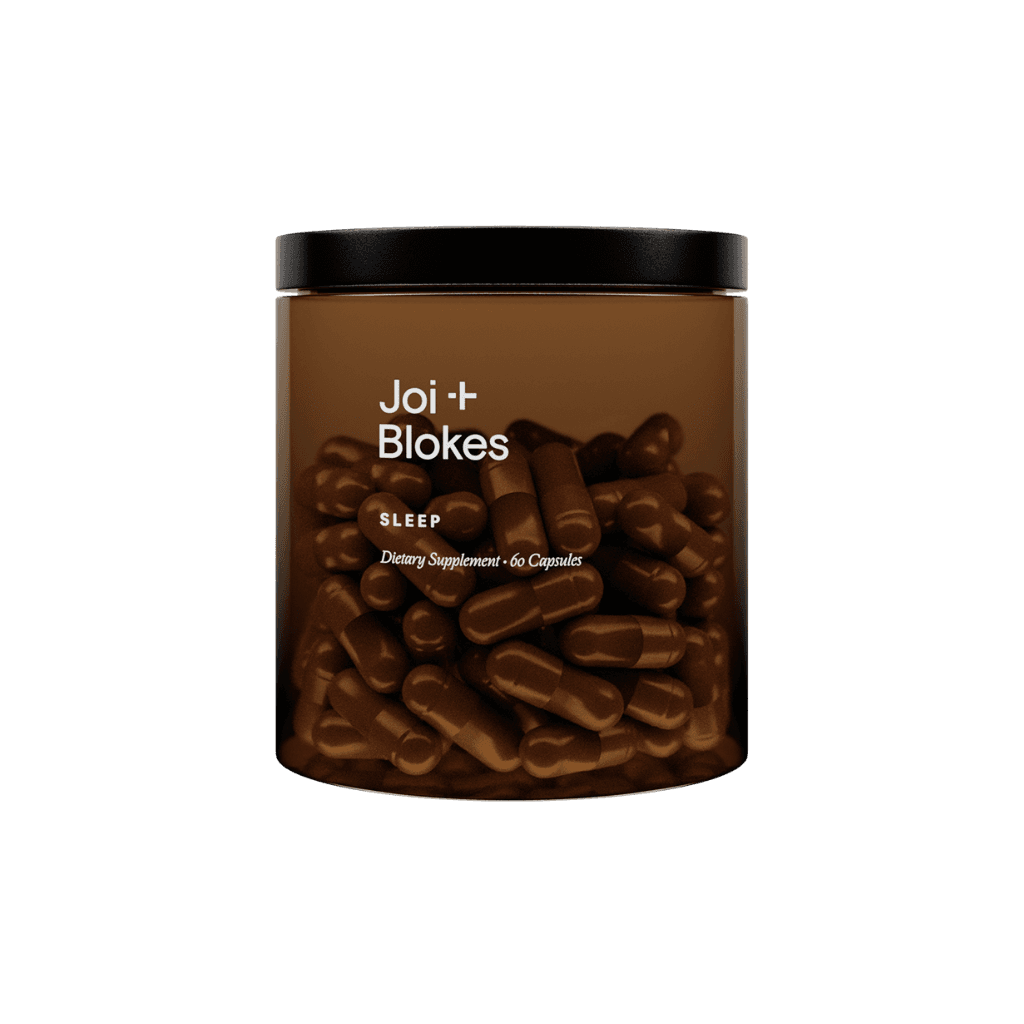
Magnesium Glycinate
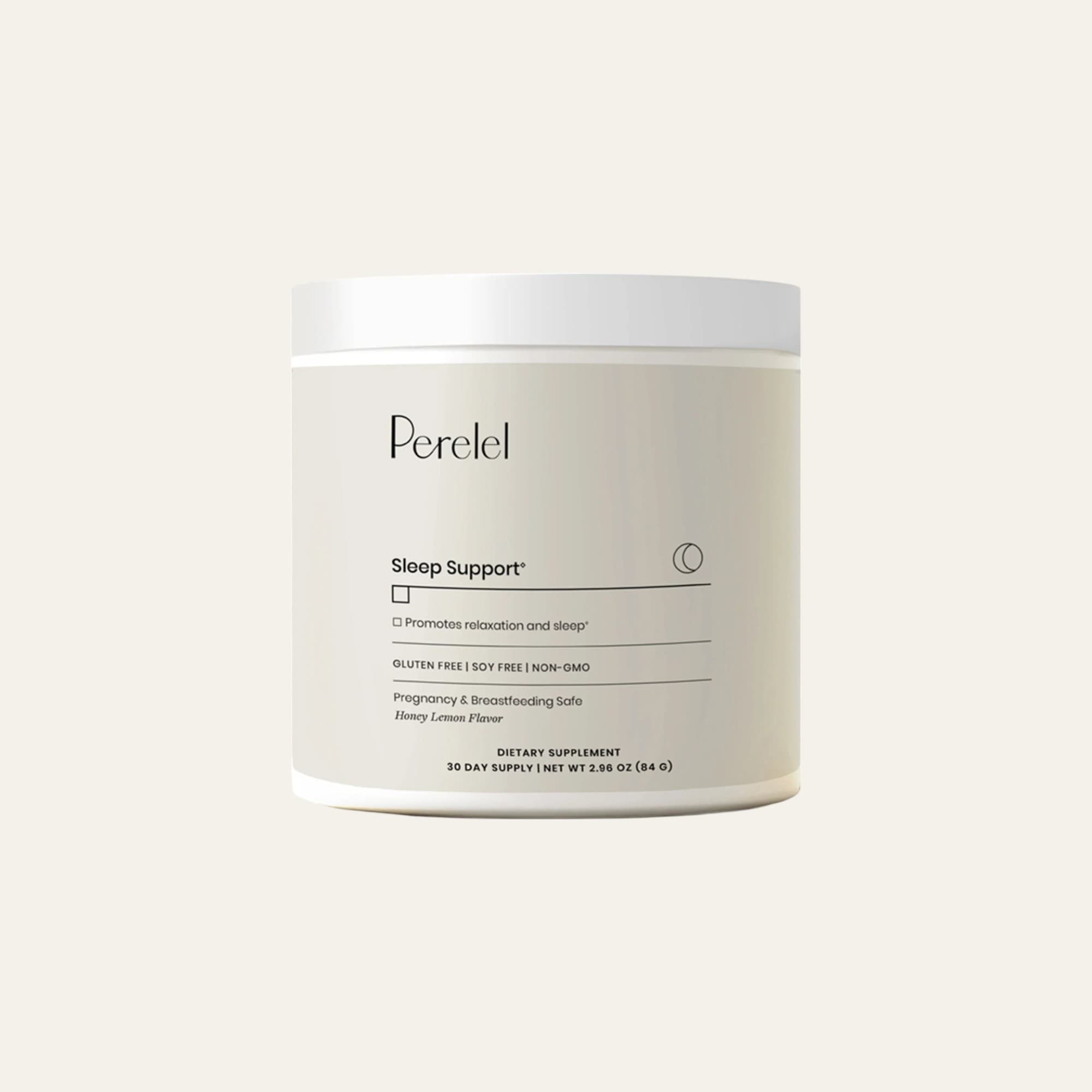
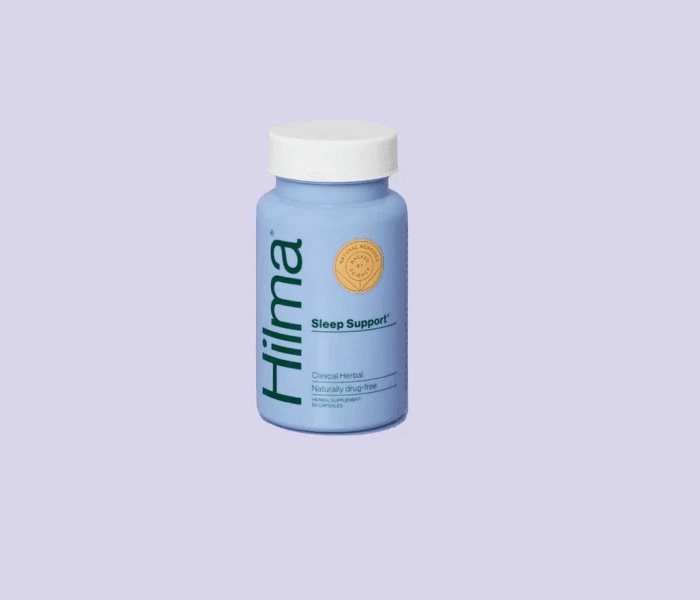
•Recovery & Sleep Quality200–400 mg elemental magnesium nightly.
Coenzyme Q10 (preferably ubiquinol)
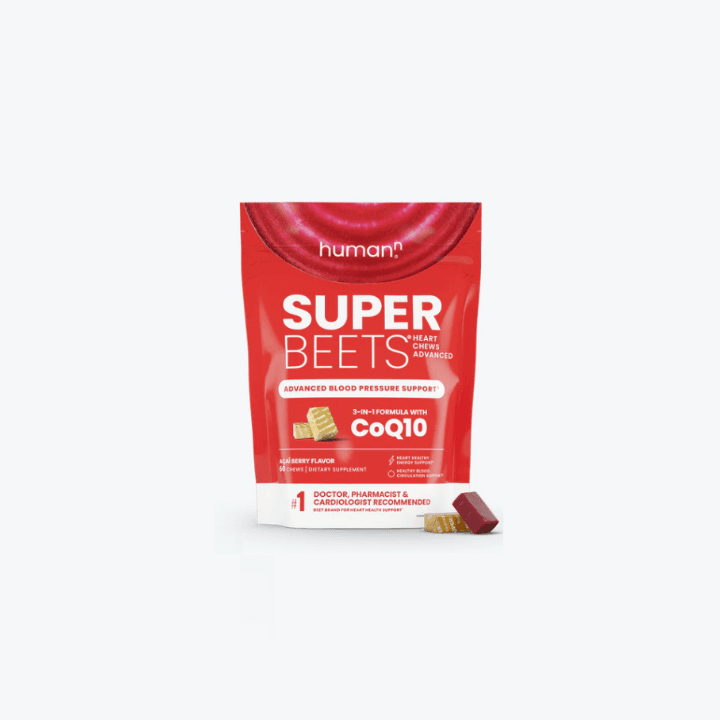
•Mitochondrial Energy & Longevity100–200 mg daily with a fat-containing meal.
Curcumin (enhanced absorption form, e.g., phytosome)
•Healthy Inflammation Resolution500–1,000 mg curcuminoids daily with food.
Recommended Products

























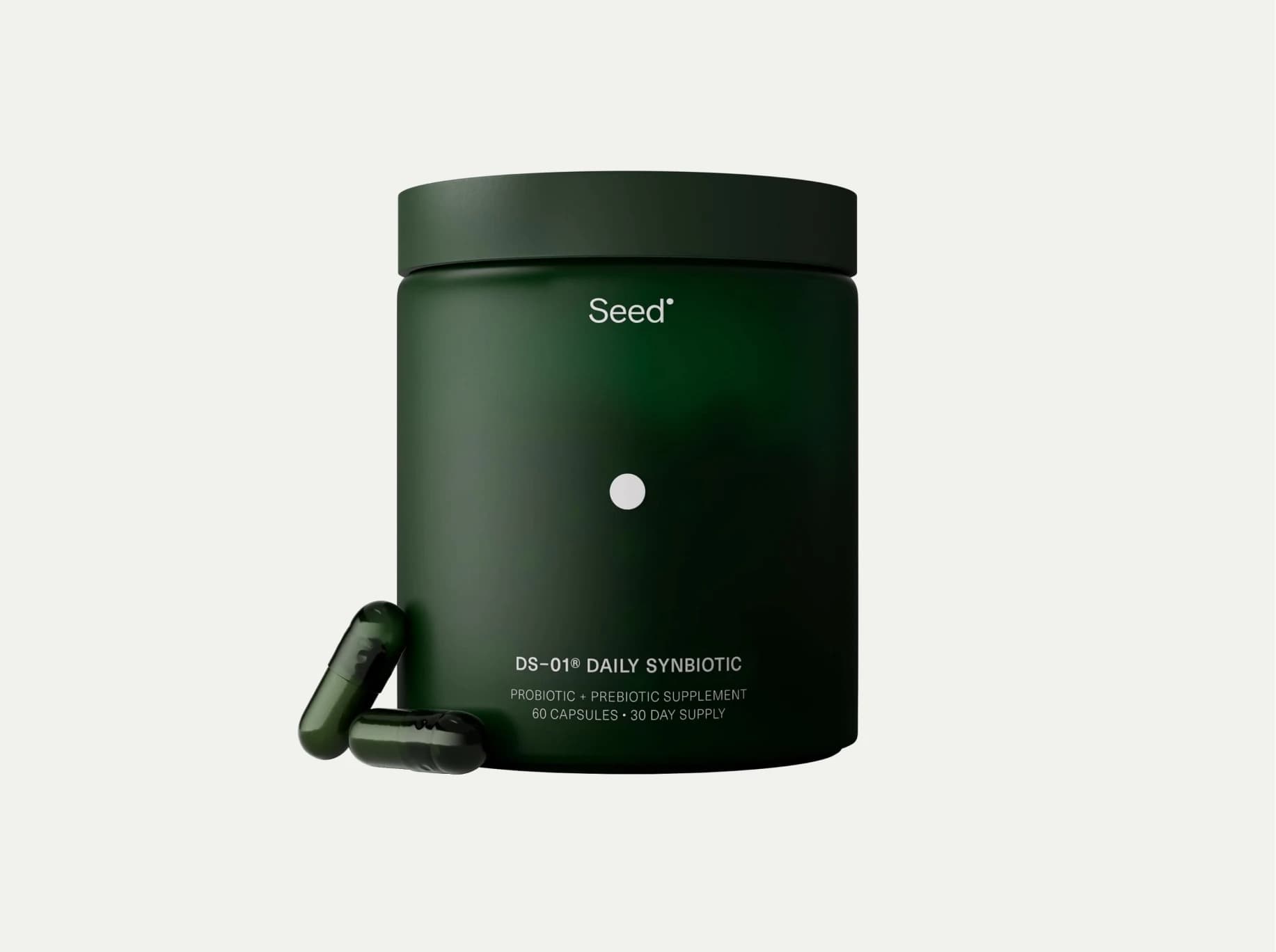
Gut Health & Microbiome
For a 41-year-old woman with autoimmune history and Lyme antibodies (no symptoms), prioritize a gradual soluble-fiber ramp-up, fermented foods, and resistant starch to boost microbiome diversity and short-chain fatty acids, while supporting gut–immune balance. Layer in gut-friendly protein strategies for muscle building and a steady gut–brain routine to optimize digestion, motility, and inflammation control.
Recommendations
Soluble Fiber Strategy (Microbiome Diversity & Digestion)
Increase soluble fiber to ~10–15 g/day over 3–4 weeks: start with 1 tsp psyllium in 8–12 oz water once daily, plus 1 cup cooked oats or barley, and 1–2 Tbsp ground flax or chia. Add legumes 3–4x/week. Increase by 3–5 g/week and maintain hydration.
Fermented Foods Rotation (Microbiome Diversity & Inflammation)
Include 1–2 servings daily, rotating options: plain kefir or yogurt, sauerkraut/kimchi (unpasteurized), tempeh, miso, or brined vegetables. Check labels for “live and active cultures.”
Resistant Starch & Prebiotics (Balanced Gut Function)
Add 1 small serving/day of resistant starch: cooled potatoes or rice, green-plantain/banana flour (start with 1 tsp), or lentils. Include prebiotic-rich alliums (onion, garlic), asparagus, and cooked/cooled oats as tolerated.
Protein-for-Strength with Gut Comfort (Digestive Function)
Distribute protein evenly (20–30 g per meal). Use gut-friendly options like kefir-based smoothies, soft-cooked eggs, or tofu/tempeh. If shakes cause GI upset, blend with 1 tsp psyllium and sip slowly; choose lactose-free or whey isolate if sensitive.
Gut–Brain Axis Routine (Motility & Stress Resilience)
Before meals, practice 2–3 minutes of slow breathing (4–6 breaths/min). Get morning outdoor light exposure and keep a regular sleep window (7–9 h). Walk 10–15 minutes after meals on training and rest days.
Inflammation & Barrier Support (Immune–Gut Axis)
Cook mainly with extra-virgin olive oil; include oily fish 2x/week and polyphenol-rich plants (berries, herbs, green tea). Minimize ultra-processed foods with emulsifiers (e.g., polysorbate-80, carboxymethylcellulose).
Recommended Products



















Build Muscle and Strength
Prioritize heavy, progressive resistance training 3–4 days/week, hit 30–40 g high‑quality protein at meals (2–3 g leucine each), and support recovery with sleep and smart inflammation management. Creatine monohydrate is safe and effective for women and pairs well with an anti-inflammatory, fiber-conscious diet. In NYC’s low-winter sun, ensure vitamin D status to keep strength, recovery, and bone health on track.
Recommendations
Progressive Resistance Training
Train 3–4 days/week using a full-body or upper/lower split. Emphasize compound lifts (squat/hinge/push/pull) for 3–5 sets of 5–8 reps at a challenging load (about 7–8 RPE), resting 2–3 minutes. Progress by adding 2.5–5 lb when you finish sets with ≤2 reps in reserve; deload every 4th week if joints or fatigue build.
Protein and Leucine Distribution
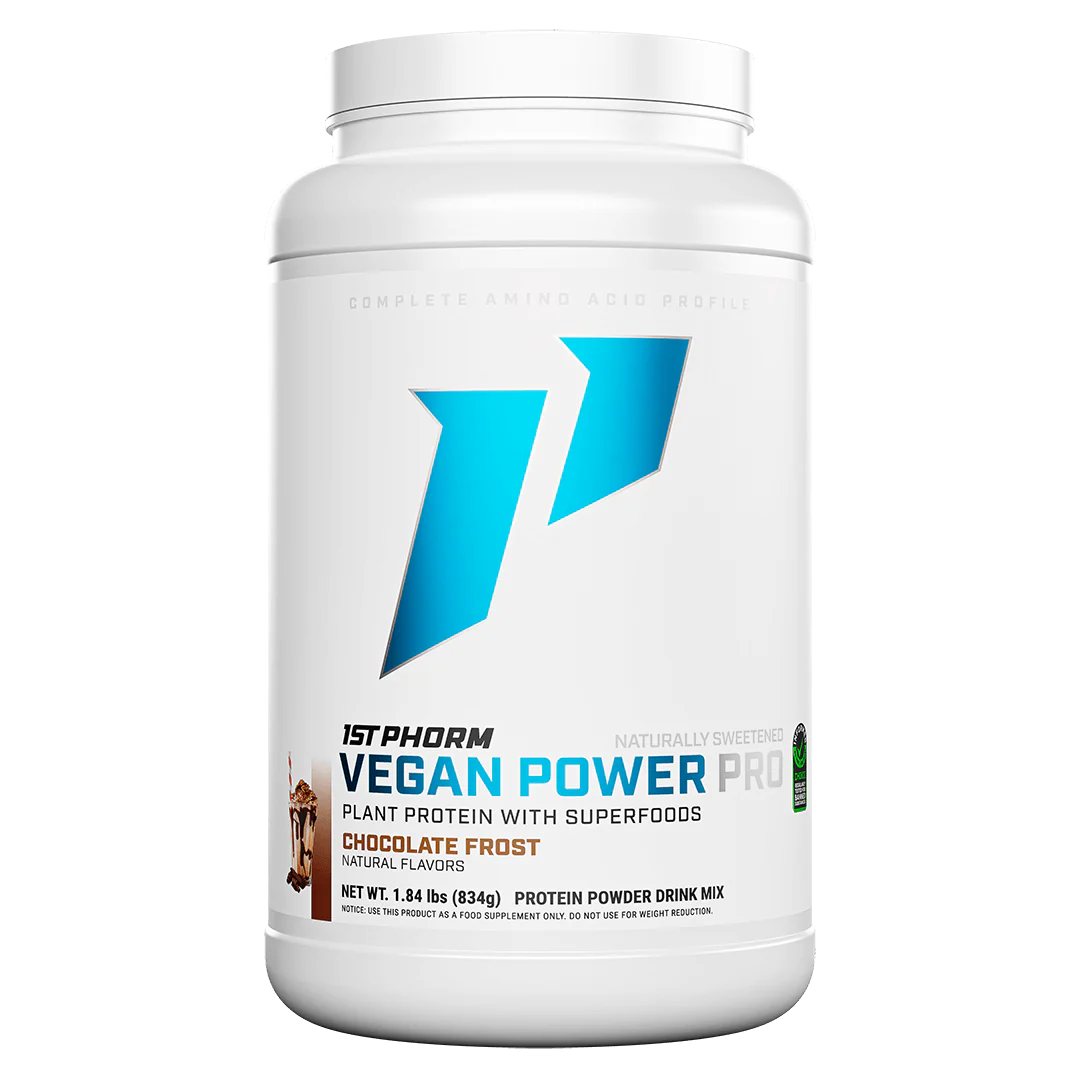
Target 1.6–2.2 g/kg/day protein, split across 3–4 meals with 25–40 g per meal delivering 2–3 g leucine (e.g., dairy/whey, eggs, soy, or paired plant proteins). Prioritize a protein-rich meal within 2 hours post-lift.
Creatine Monohydrate
Take 3–5 g creatine monohydrate daily (no loading needed), at any time with a carb/protein meal; hydrate well. Skip if you have known kidney disease and check with your clinician if on nephroactive meds.
Recovery, Sleep, and Inflammation Support
Aim for 7–9 hours of sleep, keep 1–2 low-intensity active recovery days, and include omega-3–rich fish 2–3x/week (or ~1–2 g/day combined EPA+DHA if intake is low). Adjust training volume down during any autoimmune flares and ramp back gradually.
Smart Fiber Timing Around Workouts
Maintain 25–35 g/day fiber with soluble-rich foods (oats, beans, chia, berries) but avoid very high-fiber meals within 60–90 minutes pre-lift. Choose a lower-fiber pre-workout snack (e.g., yogurt + fruit or tofu + rice) and eat a protein–carb meal after training.
Vitamin D and Iron Check (NYC)
Ask your clinician to check 25(OH)D and ferritin, especially in winter. If low, follow medical guidance; common maintenance for adults is 1,000–2,000 IU/day vitamin D3. Ensure iron-rich foods (seafood, legumes, fortified grains) paired with vitamin C if ferritin is low.
Recommended Products




















Increase Soluble Fiber Intake
Goal-focused plan to raise soluble fiber to support gut health, steady energy for training, and immune balance for a 41-year-old woman. Aim for 6–10 g soluble fiber daily within ~25–30 g total fiber, added gradually to avoid GI upset.
Recommendations
Daily target and ramp-up
Increase total fiber by ~3–5 g every 3–4 days until you reach ~25–30 g/day, with 6–10 g from soluble sources. Track for 1–2 weeks using a food log or app.
Breakfast upgrades (oats + seeds)
Most days, choose 1/2 cup dry steel-cut/old-fashioned oats or 1/3 cup oat bran cooked; top with 1 tbsp chia or ground flax and 1/2 cup berries. Alternatively, chia pudding (2 tbsp chia in 3/4 cup milk or kefir) with sliced pear.
Lunch/dinner fiber anchors
Include one soluble‑fiber anchor per meal: 1/2–3/4 cup cooked lentils/beans (well‑rinsed), 1 cup barley, 1 small sweet potato, or 1 apple/pear. Add carrots, Brussels sprouts, or avocado for extra soluble fiber.
Hydration, timing, and tolerance
Drink 8–12 cups fluid/day; pair each added fiber serving with ~8–12 oz water. Schedule higher‑fiber meals away from intense workouts and take fiber supplements or high‑fiber meals at least 2 hours apart from medications/supplements.
Supplement option (if intake lags)
Start with psyllium husk 1 tsp in 8–10 oz water once daily for 3–5 days, then increase to 2 tsp if tolerated; or use partially hydrolyzed guar gum (PHGG) or acacia fiber 3–5 g/day. Avoid large doses of inulin/chicory root if you’re sensitive.
Support muscle-building meals
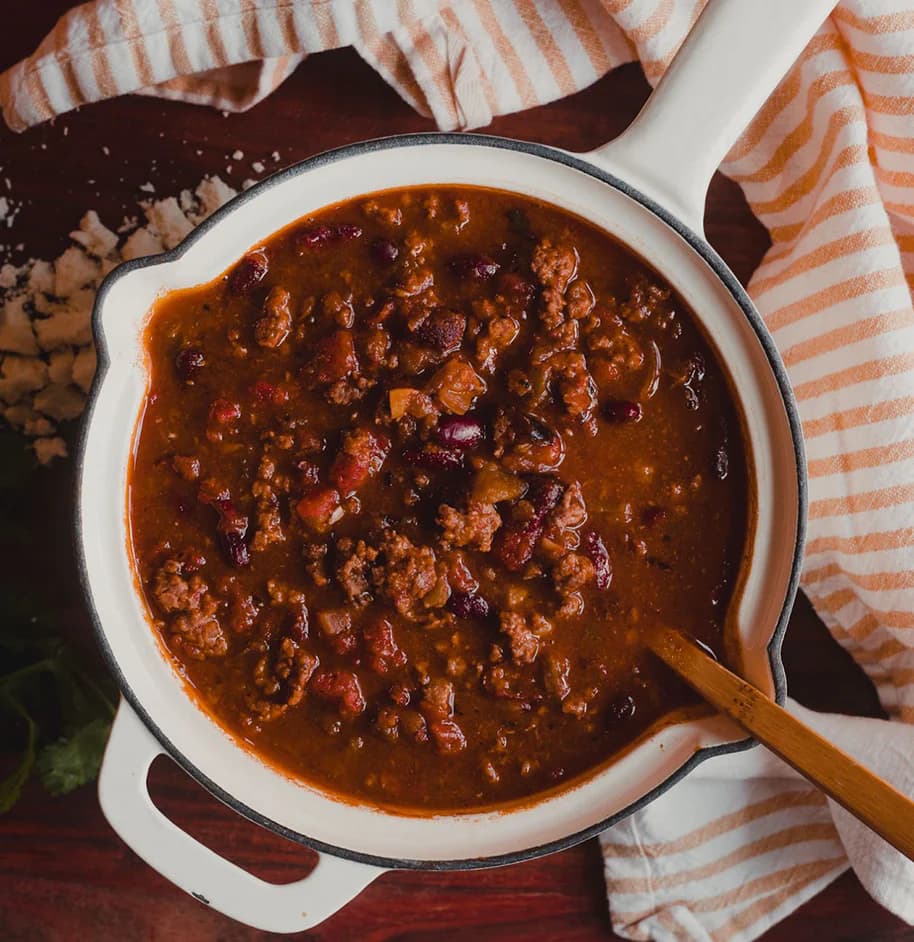
At each meal, pair a soluble‑fiber carb with 25–35 g protein: e.g., salmon + lentil arugula salad; turkey chili with beans; tofu–barley bowl; Greek yogurt chia parfait. Distribute fiber across 3–4 meals.