

Probiotics have been popping up everywhere lately—from yogurt labels to supplement aisles. But what exactly are they, and why do so many people swear by them? Simply put, probiotics are live microorganisms that, when taken in the right amounts, can support your gut and overall health. As more folks learn about the connection between gut health and things like immunity, mood, and even skin, probiotics have become a staple for many looking to boost their wellness routines. Let’s break down what probiotics really are and why they’ve become such a hot topic in wellness circles.
Key Takeaways
- Probiotics are live, friendly microorganisms that can help maintain a healthy gut balance.
- They may support digestion, immune function, skin health, and even mental well-being.
- Not all probiotics are the same—different strains can have different effects.
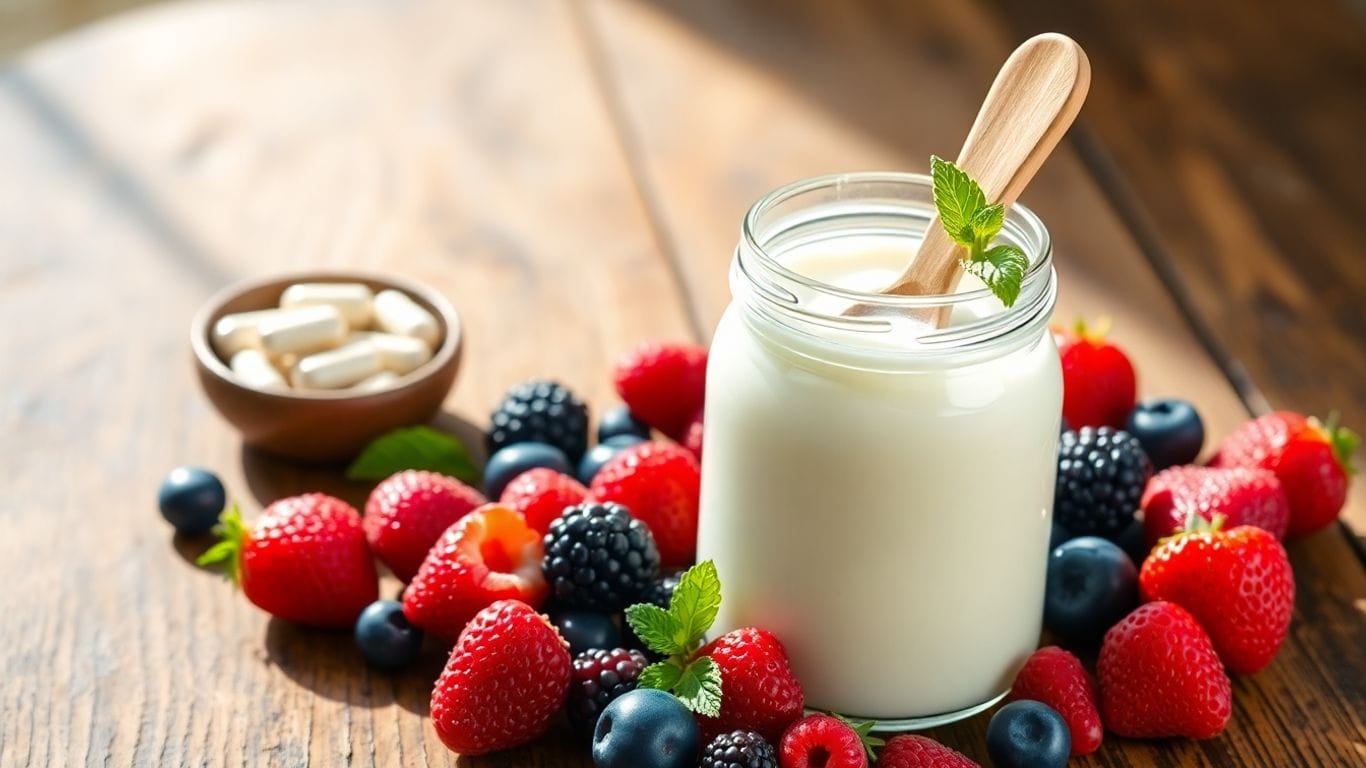
- Probiotics can be found in fermented foods like yogurt, kimchi, and sauerkraut, as well as in supplements.
- It’s important to choose reputable probiotic products and talk to a healthcare provider if you have health concerns.
Understanding Probiotics and Their Role in the Body
What Are Probiotics?
Probiotics are live bacteria and yeasts that naturally live in your body, mostly in your gut. While many people think of bacteria as something to avoid, probiotics are actually helpful microbes that help keep things running smoothly inside. They're added to some foods, drinks, and supplements to support your health. These friendly bugs can crowd out harmful organisms, create a strong barrier in your gut, and even produce substances that protect you from bad bacteria.
- Probiotics can come from foods or supplements.
- They are most often associated with good digestion and gut comfort.
- Different strains have specific health effects.
Supporting your body's natural balance of microbes with probiotics can have noticeable effects, including smoother digestion and feeling less bloated after meals.
Types of Probiotic Microorganisms
There isn’t just one kind of probiotic. The most common types found in foods and supplements are:
| Group | Common Species | Where They're Found |
|---|---|---|
| Lactobacillus | L. acidophilus, L. rhamnosus | Yogurt, fermented milk, kimchi |
| Bifidobacterium | B. longum, B. breve | Yogurt, supplements |
| Saccharomyces | S. boulardii | Supplements, some fermented drinks |
- Lactobacillus is good for gut health and is often used to relieve mild digestive upset.
- Bifidobacterium can help with regularity and may reduce certain stomach complaints.
- Saccharomyces boulardii is a yeast that’s used for its ability to help recover from diarrhea, especially after taking antibiotics.
How Probiotics Differ from Prebiotics and Synbiotics
These words sound similar, but they mean different things:
- Probiotics are live microbes that support your body's beneficial bacteria.
- Prebiotics are food for these microbes, like certain fibers you can’t digest but your gut bacteria love.
- Synbiotics combine both probiotics and prebiotics in one product, aiming to help the bacteria survive and multiply.
Here’s a quick summary to keep things straight:
| Term | What It Is | Example |
|---|---|---|
| Probiotics | Live, helpful bacteria or yeast | Yogurt, supplements |
| Prebiotics | Fiber or nutrients used as fuel by good bacteria | Onions, bananas |
| Synbiotics | A combination of both in the same thing | Prebiotic-Probiotic yogurt |
Thinking about it in simple terms: prebiotics feed the probiotics, and together they help make your gut stronger and more resilient.
How Probiotics Support Digestive Health
Balancing the Gut Microbiome
When you think about gut health, probiotics are usually front and center. These living microorganisms basically work as reinforcements for the good bacteria already in your intestines. Adding probiotics means there are fewer open spots for the bad guys—harmful bacteria—to camp out. They produce substances that help keep those unfriendly microbes in check. Here’s how probiotics help keep your gut microbiome balanced:
- Create competition so harmful bacteria can’t take over
- Support the gut lining, making it harder for invaders to pass through
- Produce organic acids that discourage the growth of less friendly microorganisms
If you've ever felt off after a stomach bug or a bad round of antibiotics, a healthy gut microbiome plays a big role in bouncing back.
Impact on Common Digestive Disorders
A balanced gut often means fewer digestive issues day to day. People dealing with bloating, gas, or even gut conditions like irritable bowel syndrome (IBS) often find probiotics can be part of their routine. You won’t always see the impact right away, but the changes add up. Some of the gut problems that probiotics may help with:
- IBS symptoms like cramping, bloating, and irregularity
- Lactose intolerance (making dairy easier to handle)
- Infectious or travel-related diarrhea
- Chronic issues like ulcerative colitis or Crohn’s disease
Check this table for a snapshot of what types of probiotics can help certain digestive conditions:
| Condition | Probiotic Strain Examples |
|---|---|
| IBS | Bifidobacterium infantis, L. plantarum |
| Diarrhea (antibiotics) | Saccharomyces boulardii, L. rhamnosus |
| Lactose Intolerance | L. acidophilus |
| Ulcerative Colitis | E. coli Nissle 1917, B. longum |
Restoring Health After Antibiotics
Ever notice your stomach feels weird after a round of antibiotics? That’s because antibiotics don’t really care who’s who—they just wipe out bacteria. The problem is, some of your helpful gut bacteria get caught in the crossfire. Probiotics can help restore that balance, especially after antibiotics by:
- Repopulating the gut with friendly bacteria
- Reducing side effects like diarrhea or bloating
- Helping the gut lining recover more quickly
A few weeks on probiotics after antibiotics can make a big difference in how quickly your gut settles down.
So, if your stomach has seen better days, or you want to keep things moving smoothly, thinking about adding probiotics might be worth your while.
Probiotics and Immune System Benefits
Gut-Associated Immune Response
Most people are surprised to learn that a large portion of the immune system lives in the gut. Up to 80% of immune cells hang out there, interacting with trillions of microorganisms. Probiotics help shape how these immune cells respond to threats, both inside the gut and throughout the rest of the body. Here’s how probiotics are thought to support immunity:
- They encourage the growth of friendly microbes, crowding out harmful bacteria.
- Probiotics strengthen the intestinal barrier, making it tougher for invaders to leak through.
- They help immune cells know the difference between actual threats and things that are harmless.
- Some strains promote antimicrobial substances that actively stop nasty bugs from spreading.
When the gut microbiome is in good shape, the body is better equipped to keep unwanted germs in check and maintain a calm, balanced immune response.
Reducing Inflammation and Infections
People talk a lot about inflammation, and for good reason. Chronic inflammation can set the stage for allergies, recurring infections, and even long-term conditions like inflammatory bowel disease. Probiotics may keep inflammation under control by tuning down the body’s overreactions and supporting friendly bacteria that protect you. Some key actions:
- Probiotics can increase short-chain fatty acid production, which helps ease inflammation.
- They help restore balance after illness or treatments like antibiotics, which often wipe out the good bacteria along with the bad.
- Certain probiotic strains make it harder for invaders to latch onto intestinal walls, lowering infection risk.
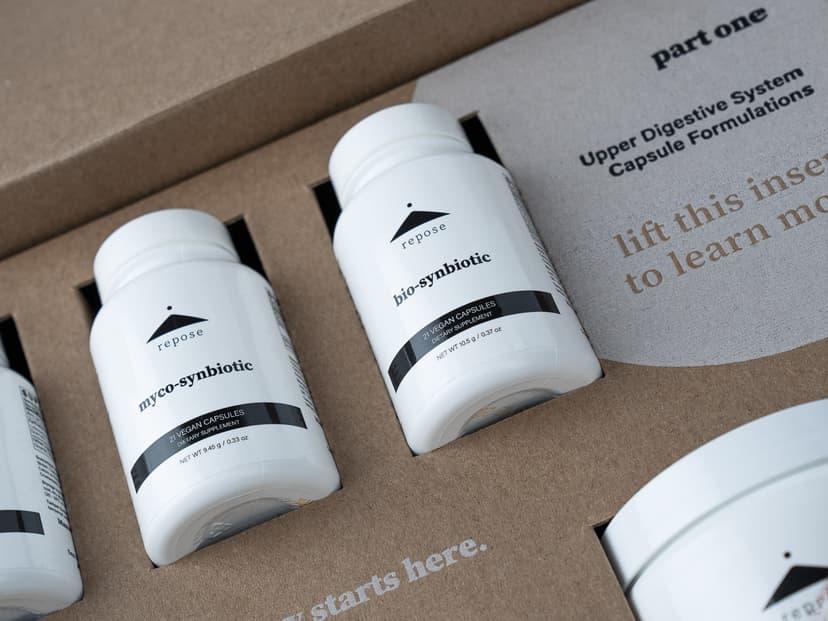
If you’re curious about routine use, check out a protocol like the Repose Digestive Health Therapy Kit, which combines shelf-stable probiotics with instructions for overall gut balance.
Probiotics and Allergic Reactions
Allergies show up when the immune system gets too jumpy and reacts to harmless things like pollen or even certain foods. Probiotics may help take the edge off by training immune cells to be less aggressive when they come across these triggers. Here’s what’s been found:
- Some strains—especially those from the Lactobacillus and Bifidobacterium families—are studied for their possible role in easing atopic dermatitis and hay fever.
- Regular consumption of probiotic-rich foods or supplements might help reduce the severity of allergic symptoms.
- Early use in childhood may steer the immune system into responding more calmly to allergens later in life.
| Immune Benefit | How Probiotics Help | Key Probiotic Strains |
|---|---|---|
| Strengthens gut barrier | Supports tight junctions | Lactobacillus rhamnosus |
| Reduces inflammation | Ups short-chain fatty acids | Bifidobacterium breve |
| Lowers infection risk | Outcompetes harmful microbes | Lactobacillus acidophilus |
| Calms allergies | Modulates immune cell response | Bifidobacterium longum |
By making probiotics a regular part of your routine, you may support immune system balance—not just in the gut, but throughout your body.
Exploring the Gut-Brain Axis: Probiotics and Mental Health
The idea that gut health links to brain health may sound strange at first, but it’s quickly catching attention. The gut-brain axis isn’t just an abstract concept—it’s a bustling two-way street between the digestive tract and the brain, mostly using nerves and hormones to send information. This means what happens in your gut can actually influence how you feel, think, or respond to stress.
How Gut Health Affects Mood
Your gut makes a surprising number of mood-related chemicals, including serotonin and dopamine. In fact, most of the body’s serotonin actually gets produced in the digestive system. So, an upset gut doesn't only mean a tummy ache—it could impact mood, energy, and even how well you cope with stress. Common triggers, like a change in diet or a bout of food poisoning, can sometimes leave you feeling anxious or blue for days afterward.
- Gut microbiome imbalances may increase inflammation, which is tied to feeling down or anxious.
- Stress itself, like a tough workday, can set off gut symptoms—think: butterflies, cramps, or sudden hunger.
- Having a healthy mix of gut bacteria helps keep the mood-controlling chemicals stable.
Scientific Evidence Linking Probiotics and Cognitive Function
Researchers are investigating if adding probiotics to your routine can actually help with focus, memory, or even reduce feelings of stress. Some clinical studies show promising results for conditions like depression or anxiety, though this is still an early field.
| Study Type | Main Outcome | Notable Probiotic Strains |
|---|---|---|
| Human Trials | Improved mood and reduced anxiety | Lactobacillus rhamnosus, B. longum |
| Animal/Mice Studies | Better learning and memory tests | L. helveticus, B. breve |
| Elderly Populations | Enhanced cognitive scores and attention | L. casei, L. plantarum |
What’s interesting is that changes in gut bacteria sometimes align with better test scores or more balanced emotions. Still, these aren’t magic pills, and more research is needed.
Probiotic Strains Studied in Mental Wellness
Certain strains keep coming up in studies about probiotics and mental wellness. Not all probiotics have the same impact, so it matters which one you get.
- Lactobacillus rhamnosus: Shown in some research to reduce stress-driven behaviors in animals.
- Bifidobacterium longum: Linked to less anxiety and improved memory in a few human trials.
- Lactobacillus helveticus: Noted for calming effects and possible stress reduction.
- L. plantarum, L. casei, and B. breve: These are also being looked at for benefits in anxiety, memory, and mood stability.
After adding probiotics to their routine, some people find they get less upset stomach with stress, or their mood feels more even—everyone’s experience is a bit different, but it’s a small change that might make daily ups and downs a little smoother.
In short, the gut-brain connection is real, and probiotics may be a useful tool for people looking to support their mental wellness from the inside out. Just go into it with reasonable expectations and stay tuned as science uncovers more.
The Connection Between Probiotics and Skin Health

The Gut-Skin Axis Explained
Your skin and gut are linked by what's known as the gut-skin axis, a two-way system involving the immune and nervous systems. Imbalances in the gut are often reflected on your skin—issues like eczema, acne, and psoriasis have all been associated with gut dysbiosis. When your gut bacteria are out of balance, it can lead to inflammation, hormone changes, and disruptions in the skin's natural protection. In short, if your digestive system is struggling, your skin might show it.
Many of the problems people battle with their skin actually trace back to the gut, making it important to think about gut care as part of your daily skincare routine.
Probiotics for Common Skin Conditions
People try probiotics in hopes of easing flare-ups or keeping skin in better shape. There's some evidence they might help:
- Reduce symptoms of inflammatory conditions like acne, rosacea, and eczema
- Soothe irritation and redness
- Improve skin moisture and reinforce your skin's own defenses
Topical probiotics—creams or serums with live bacteria—are trending, though oral use is more common. Products like the Bullet Red Light Therapy Device also target skin from a different angle, combining technology with microbiome support for those seeking alternative solutions.
Modulating Inflammation Through the Microbiome
Your gut microbiome helps regulate inflammation. If the balance shifts toward more harmful bacteria, the body may experience more frequent inflammation, disrupting the skin barrier and increasing issues like redness, dryness, or breakouts. Certain probiotic strains actively support the body's anti-inflammatory processes:
| Probiotic Strain | Skin Benefit |
|---|---|
| Lactobacillus rhamnosus | May reduce eczema severity |
| Bifidobacterium breve | May decrease skin dryness |
| Lactobacillus paracasei | May calm skin sensitivity |
A healthier gut usually means calmer, clearer skin. That’s why addressing gut health, with diet or supplements, has become a part of many people’s everyday routines.
Weight Management and Metabolic Effects of Probiotics
Probiotics have gotten a lot of attention for their possible effects on weight control and how our bodies handle food. It's not magic, but the bacteria living in your gut actually seem to play a quiet role in how fat gets stored, how hungry you feel, and how well your metabolism works overall. Here’s a closer look at how these tiny organisms could help with your weight and metabolic health.
Probiotics and Fat Storage Regulation
Studies suggest that the makeup of your gut bacteria can influence how much fat your body stores. Certain strains of probiotics—especially some from the Lactobacillus and Bifidobacterium groups—might actually help shift the balance toward less fat accumulation. This seems to happen through a few different paths:
- Lowering the absorption of dietary fat from the gut
- Changing how your body deals with calories and nutrients
- Influencing genes that impact how cells store fat
Here’s a simple table showing some probiotic strains and their studied effects:
| Probiotic Strain | Potential Effect on Fat Storage |
|---|---|
| Lactobacillus gasseri | Can reduce belly fat in adults |
| Bifidobacterium breve | Linked to reduced body fat in some |
| Lactobacillus rhamnosus | May help with weight maintenance |
Influence on Appetite Hormones
Gut bacteria talk to your brain through signaling molecules, some of which impact hunger and fullness. Probiotics might tweak the production of:
- Ghrelin (the hormone that makes you feel hungry)
- Peptide YY and GLP-1 (hormones that help you feel full)
- Insulin (which manages blood sugar and hunger)
For some, this means fewer cravings and feeling full much sooner after eating—though results can vary from person to person. More research is ongoing, but many folks notice they snack less when their gut is balanced.
Supporting Healthy Metabolism
A healthy gut microbiome with the right mix of probiotics may help keep your metabolism humming. This means:
- Improved insulin sensitivity, so your cells use sugar more efficiently
- Less chronic, low-level inflammation, which is tied to obesity
- Better breakdown and use of nutrients from your meals
Sometimes, small shifts in gut bacteria can lead to real changes in energy and weight, even if you don't notice them at first.
All in all, adding probiotic-rich foods like yogurt or kefir, or using supplements, could be a simple way to support weight management goals as part of an overall healthy routine. Just remember, these work best alongside smart food choices and an active lifestyle.
How to Incorporate Probiotics Into Your Wellness Routine
Making probiotics a regular part of your wellness routine can seem overwhelming at first, but it's really about finding what fits into your everyday life. Adding probiotics isn't just about swallowing a supplement—it's about exploring different foods, paying attention to quality, and knowing what works for you.
Food Sources of Probiotics
There are plenty of foods that naturally contain live probiotic cultures. If you want a fresh start, begin by including one or more of these options each week:
- Yogurt with live and active cultures: Choose plain versions without a bunch of added sugars or flavors.
- Kefir: This fermented milk drink has a tangy taste and contains multiple strains of good bacteria.
- Kimchi and sauerkraut: Both of these pickled vegetables offer a punch of flavor and beneficial microbes—just make sure they’re raw and unpasteurized.
- Miso and tempeh: Popular in Asian cuisine, these are fermented soy products and can be a good source for people avoiding dairy.
- Kombucha: This fermented tea is bubbly and tart, but always check that it’s labeled as containing live cultures.
The trick is, not all products are the same—some may not have live cultures by the time you eat them. Always check labels for phrases like "live and active cultures."
Selecting Effective Probiotic Supplements
If you’re considering a supplement, there are a few important things you should look for to pick one that might actually work:
- Check the CFU count (colony-forming units). High numbers don’t always mean better results, but a reliable product should have at least 1 billion CFUs per serving.
- Look for strain information. Supplements should list which strains they include, not just say “probiotic blend.” Common ones are Lactobacillus acidophilus, Bifidobacterium lactis, and others.
- Packaging matters. Probiotics are alive when you swallow them, so make sure they’ve been stored properly (like being refrigerated if required).
- Mind expiration dates. Over time, those live cultures might not be so alive, so don’t take expired supplements.
- Certifications and third-party testing. Look for brands that get tested for quality and have transparent labels.
| Product Label | What to Check |
|---|---|
| CFU Count | At least 1 billion CFUs |
| Strain Specificity | Name of exact strains |
| Storage | Fridge or shelf-stable* |
| Expiration | Not expired |
| Third-party Testing | Yes is best |
*Depends on the formulation; check packaging instructions.
Safety and Regulatory Considerations
Not every probiotic is right for everyone. Here’s what to keep in mind:
- Probiotics can interact with certain medications or conditions. Especially for folks with weakened immune systems.
- The FDA doesn’t closely regulate supplements. This means product quality may vary between brands.
- Too much isn’t always better. Taking very high doses can sometimes lead to stomach upset or bloating.
- If you’re unsure, talk to your doctor. Especially if you have gut problems or other health concerns.
Before adding a new probiotic or making major changes, check in with a healthcare professional who understands your medical history.
Figuring out what works for you can take a little trial and error, but with some patience and experimenting, it’s possible to find a probiotic routine that fits your life and maybe even helps you feel better day to day.
Wrapping It Up: The Buzz Around Probiotics
So, after looking at all the hype, it’s easy to see why probiotics have become such a big deal in wellness circles. They’re not just about gut health anymore—people are taking them for everything from mood to skin to immune support. Sure, there’s still a lot we don’t know, and not every probiotic works the same for everyone. But with more folks paying attention to what’s happening in their gut, it makes sense that probiotics are showing up in more products and routines. If you’re thinking about trying them, it’s probably a good idea to talk to your doctor first, especially if you have health issues. At the end of the day, taking care of your gut might just be one more way to look after your whole self.
Frequently Asked Questions
What are probiotics and why are they important?
Probiotics are live, friendly microorganisms that help keep your gut healthy. They support good digestion and can help your body fight off bad bacteria. Many people use probiotics to feel better and stay healthy.
How do probiotics help with digestion?
Probiotics add more good bacteria to your gut. This helps balance the gut microbiome, making it harder for harmful germs to take over. They can also help reduce problems like bloating, diarrhea, and stomach pain.
Are probiotics the same as prebiotics or synbiotics?
No, they are different. Probiotics are live good bacteria. Prebiotics are special plant fibers that feed the good bacteria. Synbiotics are products that contain both probiotics and prebiotics to give extra benefits.
Can probiotics help with my immune system?
Yes, up to 80% of your immune cells are in your gut. Probiotics help train your immune system to know which germs are harmful and which are not. They can also help lower inflammation and help your body fight infections.
Do probiotics affect mental health?
Studies show that the gut and brain are connected. A healthy gut can help improve your mood and even help with stress. Some probiotic strains have been linked to better brain function and less anxiety.
What are some good ways to get probiotics?
You can get probiotics from foods like yogurt, kefir, sauerkraut, kimchi, and kombucha. There are also supplements in capsules, powders, or drinks. Just make sure to look for products with 'live and active cultures' on the label.