


Pushing your body hard is a big part of being an athlete. Whether you're a pro or just someone who enjoys working out on the weekends, getting your body back to normal after exercise is just as important as the training itself. The right gear can really help your body fix itself and get stronger, which means you'll perform better, get hurt less often, and bounce back quicker. This guide will go over some of the best recovery tools for athletes to help you get the most out of your workouts.
Key Takeaways
- Recovery tools help your muscles repair and rebuild, making you perform better.
- Using these tools consistently can lower your risk of injuries.
- Good recovery means you'll have more energy and better flexibility.
- There are many different recovery tools, from foam rollers to special garments.
- Even simple things like staying hydrated and getting enough sleep are super important for recovery.
1. Foam Rollers
Foam rollers are a staple in many athletes' recovery routines, and for good reason. They're relatively inexpensive and easy to use, making them accessible to almost everyone. Foam rolling helps with muscle soreness, flexibility, and overall recovery by targeting tight spots and promoting blood flow.
There are a few things to consider when choosing a foam roller. Density, size, and texture all play a role in how effective the roller will be for you. Let's take a closer look.
Foam rollers come in various densities, from soft to firm. If you're new to foam rolling, a softer density is a good starting point. As your muscles adapt, you might want to transition to a firmer density for deeper tissue work. Firm-density rollers, like the Roll Recovery R4 Body Roller, can be more effective at releasing muscle adhesions and alleviating tightness.
I remember when I first started using a foam roller. It was so painful! I could barely tolerate it for more than a few seconds at a time. But I stuck with it, and now I can't imagine my recovery routine without it. It's amazing how much it's helped with my muscle soreness and flexibility.
Foam rollers also come in different sizes. Shorter rollers are more portable and easier to maneuver, while longer rollers are better for larger muscle groups like the quads and hamstrings. The Amazon Basics High-Density Round Foam Roller is a great option for a basic, effective roller.
Texture is another factor to consider. Some foam rollers are smooth, while others have a textured surface. Textured rollers can provide a deeper massage and help to break up adhesions. For example, the TriggerPoint Grid 1.0 Foam Roller has a grid texture designed to mimic the feel of a massage therapist's hands.
Here's a quick comparison of different foam roller features:
| Feature | Soft Density | Firm Density |
|---|---|---|
| Best For | Beginners, sensitive muscles | Experienced users, deep tissue work |
| Effectiveness | Gentle pressure, good for initial use | More intense pressure, targets muscle adhesions |
| Durability | Less durable | More durable |
Ultimately, the best foam roller for you depends on your individual needs and preferences. Experiment with different types to find what works best for your body. You can even use a Tiger Tail Foam Roller Massage Stick to target specific areas without getting on the ground.
Here are some tips for effective foam rolling:
- Start slowly and gradually increase the pressure.
- Focus on areas that feel tight or sore.
- Roll for 30-60 seconds per area.
- Breathe deeply and relax your muscles.
- Don't roll directly over joints or bones.
2. Compression Garments
Compression garments are super popular these days, and you see athletes wearing them all the time. But do they actually work? Well, the jury is still out, but lots of people swear by them. The idea is that they help improve blood flow and reduce muscle soreness after a tough workout.
I've tried them myself, and honestly, sometimes I feel like they make a difference, and other times, not so much. It probably depends on the person and the type of activity you're doing. Some studies suggest they can help with recovery, while others are less conclusive. It's one of those things where you might just have to experiment and see what works for you.
I think a big part of it is the feeling of support they provide. It's like a gentle hug for your muscles, which can be comforting after a hard run or lifting session. Plus, they can help reduce swelling, which is always a good thing.
Here's a quick rundown of some potential benefits:
- Improved blood circulation
- Reduced muscle soreness
- Decreased swelling
- Enhanced muscle support
Some people also use compression pants for recovery even when they are not working out. It's all about finding what helps you feel your best. I've even seen some off-brand NormaTec or Hyperice Boots that do the same thing for a fraction of the price. It's worth looking into if you're on a budget. I also like to use a Pro-Tec Athletics 35″ EVA Bold Foam Roller to help with recovery.
3. Ice Baths
Okay, so ice baths. I know, I know, they sound absolutely terrible. Who wants to willingly submerge themselves in freezing water? But hear me out, because there's a reason athletes swear by them. Ice baths, or cold water immersion, can be a game-changer for recovery.
Think of it this way: after a tough workout, your muscles are inflamed and possibly even a little damaged. The cold from the ice bath helps to constrict blood vessels, which reduces inflammation and swelling. Then, when you get out, the blood rushes back in, bringing fresh oxygen and nutrients to help repair those muscles. It's like a reset button for your body.
Now, I'm not saying it's easy. The first few minutes are definitely the hardest. But once you get past that initial shock, it's actually kind of... invigorating? Plus, the mental toughness you build from enduring the cold can translate to other areas of your life. I'm not a doctor, but I've read that it can help with exercise recovery and reduce muscle soreness.
Here's a quick guide to getting started:
- Temperature: Aim for water between 50-59°F (10-15°C).
- Duration: Start with just a few minutes (3-5) and gradually increase to 10-15 minutes as you get more comfortable.
- Safety: Never do an ice bath alone, and always listen to your body. If you start feeling too cold or uncomfortable, get out.
I remember the first time I tried an ice bath. It was after a particularly brutal leg day, and I was dreading it. But honestly, after about five minutes, I started to feel amazing. My legs felt lighter, and the soreness was noticeably reduced. Now, I try to do it at least once a week, especially after long runs or intense workouts.
Some people even use KTRecovery+ Cold Massage tools for targeted relief. It's all about finding what works for you!
4. Cold Therapy
Okay, so ice baths... they're not exactly fun, but hear me out. Beyond just the initial shock, there's some real science behind why subjecting yourself to the cold can actually help you bounce back faster. I remember after that crazy Tough Mudder last year, I could barely walk. Someone suggested an ice bath, and honestly, I was dreading it. But after about 15 minutes of shivering, I actually felt a noticeable difference. My legs weren't nearly as sore the next day.
Cold therapy works by constricting blood vessels, which reduces inflammation and swelling. Think of it like hitting the reset button on your muscles after a tough workout. It's not just for athletes either; anyone dealing with muscle soreness or minor injuries can benefit.
There are a few different ways to get your cold fix. You don't necessarily need a fancy cold plunge setup. Here are some options:
- Ice Baths: The classic. Fill your tub with cold water and add ice until the temperature is between 50-60°F (10-15°C). Start with short intervals (5-10 minutes) and gradually increase the time as you get used to it.
- Cold Showers: A less intense, but still effective option. Turn the water as cold as you can handle for a few minutes after your regular shower. It's a great way to wake up too!
- Ice Packs: Targeted relief for specific areas. Apply an ice pack to sore muscles for 15-20 minutes at a time.
It's important to note that cold therapy isn't for everyone. If you have certain medical conditions, like cardiovascular disease or Raynaud's phenomenon, talk to your doctor before trying it. Also, don't overdo it. Prolonged exposure to extreme cold can be dangerous.
I've found that incorporating cold therapy into my routine, even just a few times a week, has made a big difference in my recovery time. It's not always pleasant, but the results are worth it.
5. Hydration Packs
Staying hydrated is super important, especially after a tough workout. I used to just grab a water bottle, but honestly, it's not always the most convenient thing. That's where hydration packs come in handy. They're not just for hiking; they're great for any activity where you need to keep water on hand without actually holding it.
A good hydration pack can make a huge difference in your performance and recovery.
Think about it: no more stopping to fumble with a bottle, no more lukewarm water after an hour in the sun. Just consistent, easy access to fluids. Plus, many packs have extra storage for snacks, keys, or your phone. It's like having a mini support system strapped to your back.
- Hands-free hydration
- Temperature control (some packs have insulated reservoirs)
- Extra storage for essentials
I remember one time I went for a long run without a hydration pack. By the end, I was so dehydrated that I felt terrible for the rest of the day. Now, I never leave home without one. It's a game-changer for sure.
There are tons of options out there, from small running vests to larger packs for longer adventures. Finding the right one depends on your needs, but trust me, it's worth the investment. You can even find running vest reviews online to help you decide. And don't forget to consider adding some electrolyte powders to your water for an extra boost!
6. Electrolyte Supplements
Electrolyte supplements are a game-changer for recovery, especially after intense workouts or prolonged physical activity. I used to think water was enough, but I quickly learned that sweating depletes more than just water; it also flushes out essential minerals like sodium, potassium, and magnesium. These minerals are vital for muscle function, nerve impulses, and maintaining fluid balance. So, just chugging water might not cut it.
Electrolyte supplements help replenish these lost minerals, aiding in faster recovery and preventing muscle cramps.
I've tried a bunch of different brands, and honestly, some taste like straight-up chemicals. But there are some decent ones out there. I usually look for supplements that contain a good balance of sodium, potassium, magnesium, and sometimes calcium. Some even include added vitamins or amino acids for an extra boost. For example, the electrolyte supplement aids hydration and recovery with BCAAs, Pink Himalayan Salt, and B-Vitamins, supporting stamina.
Here's a quick rundown of why electrolytes are important:
- Sodium: Helps regulate fluid balance and nerve function.
- Potassium: Crucial for muscle contractions and maintaining blood pressure.
- Magnesium: Supports muscle and nerve function, energy production, and bone health.
- Calcium: Important for muscle function, nerve transmission, and bone health.
I always keep a stash of electrolyte tablets or powder in my gym bag. It's a simple way to make sure I'm giving my body what it needs to bounce back after a tough workout. Plus, they're super convenient – just mix with water and you're good to go.
I've found that taking electrolytes before, during, and after exercise can make a noticeable difference in my energy levels and overall recovery. It's definitely worth considering if you're serious about your fitness routine.
7. Professional Recovery
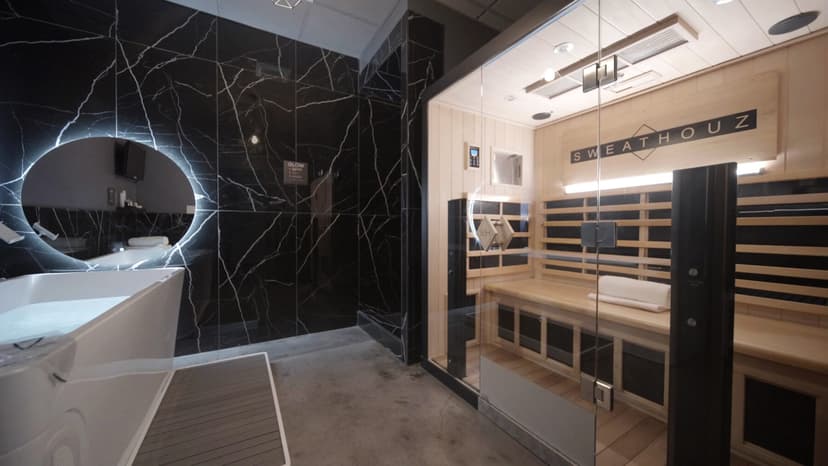
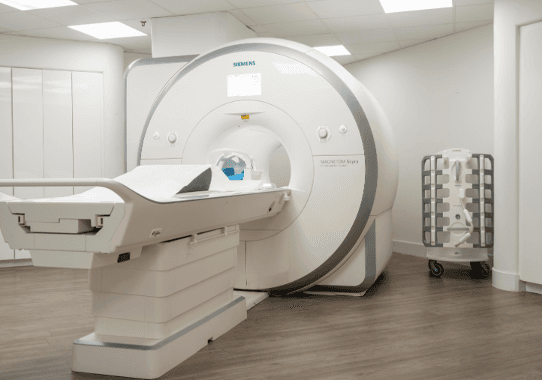
Sometimes, you just need a little extra help, and that's where professional recovery services come in. It's not just about pampering yourself (though that's a nice bonus!), it's about getting targeted treatments that can really make a difference in how your body bounces back. Think of it as an investment in your long-term athletic health.
Professional recovery goes beyond what you can do at home, offering specialized techniques and equipment to accelerate healing and improve performance.
Here's why considering professional recovery is a smart move:
- Expert Guidance: Professionals can assess your specific needs and tailor treatments accordingly. They understand the nuances of muscle recovery and can identify areas that need extra attention.
- Advanced Techniques: Access to tools and methods you might not have at home, like specialized massage techniques or cutting-edge recovery technologies.
- Faster Results: Professional treatments can often speed up the recovery process, getting you back to training sooner and feeling better faster.
It's easy to fall into the trap of thinking you can handle everything yourself, but sometimes, seeking professional help is the most efficient way to recover. It's like having a pit crew for your body – they're there to fine-tune everything and get you back in the race.
8. Sleep Optimization Tools
Okay, so we all know sleep is important, but sometimes it feels impossible to get enough, right? Especially when you're pushing your body hard. That's where sleep optimization tools come in. They're not magic, but they can definitely help you create a better sleep environment and improve your sleep quality. Prioritizing sleep is one of the best things you can do for recovery.
Think about it – your body repairs itself while you sleep. Skimp on sleep, and you're basically short-changing your recovery. I used to think I could power through on minimal sleep, but I was so wrong. Now, I'm all about making my bedroom a sleep sanctuary.
Here are a few things that have helped me:
- Blackout Curtains: Seriously, these are a game-changer. Even a little bit of light can mess with your sleep. Blackout curtains make your room super dark, which helps your body produce melatonin, the sleep hormone.
- White Noise Machine: I live in a noisy area, so a white noise machine is essential. It drowns out all the distractions and helps me fall asleep faster. There are also apps that do the same thing, but I prefer a dedicated machine.
- Comfortable Mattress and Pillows: This seems obvious, but it's worth mentioning. If you're sleeping on a lumpy mattress or a flat pillow, you're not going to get good sleep. Invest in a good mattress and pillows that support your body properly. I recently upgraded my mattress, and it's made a huge difference.
- Sleep Mask: Blocks out any remaining light. Even with blackout curtains, sometimes light sneaks in. A sleep mask ensures total darkness.
- Temperature Control: Keep your bedroom cool. A slightly cooler temperature is ideal for sleep. I usually aim for around 65-68 degrees Fahrenheit.
I started tracking my sleep with a fitness tracker, and it was eye-opening. I realized I was waking up multiple times during the night without even realizing it. Now I use WHOOP monitors to track my sleep and get personalized recommendations. It's helped me make adjustments to my routine and improve my sleep quality significantly.
I've also found that establishing a consistent sleep schedule is key. Going to bed and waking up around the same time every day, even on weekends, helps regulate your body's natural sleep-wake cycle. It takes some getting used to, but it's worth it in the long run. And avoid screens before bed! The blue light emitted from phones and tablets can interfere with sleep. Try reading a book or listening to calming music instead.
9. Percussion Massagers
Percussion massagers, also known as massage guns, have become super popular for athletes and anyone looking to ease muscle tension. They work by delivering rapid bursts of pressure into your muscles, which can help to reduce soreness and improve blood flow. I've been using one for a while now, and it's definitely made a difference in my recovery routine.
The main benefit is that they can target specific muscle groups with precision.
Here's a quick rundown of what I've found helpful when using percussion massagers:
- Start with a low setting: It's easy to overdo it, especially when you're first starting out. Begin with the lowest intensity and gradually increase it as needed.
- Focus on muscle groups: Spend time on major muscle groups like your quads, hamstrings, and back. Don't forget smaller muscles like your calves and shoulders.
- Keep it moving: Avoid staying in one spot for too long. Move the massager around to prevent irritation and maximize the benefits.
I've noticed that using a percussion massager before bed helps me relax and sleep better. It's like a mini massage that I can do myself, anytime, anywhere. It's also great for breaking up knots and relieving tension after a long day at work.
There are a ton of different models out there, from budget-friendly options to high-end devices with all the bells and whistles. The Therabody Theragun Mini is a great option if you want something portable. Some come with multiple attachments for different muscle groups, while others have adjustable speed settings. It really depends on your needs and budget. The Hyperice Hypervolt 2 Pro is another great option with multiple attachments.
Here's a simple table comparing a few popular models:
| Feature | Model A | Model B | Model C |
|---|---|---|---|
| Speed Settings | 3 | 5 | 6 |
| Attachments | 3 | 5 | 6 |
| Battery Life (min) | 120 | 150 | 180 |
| Price | $150 | $250 | $350 |
10. Nutrition Supplements
Okay, so we've talked about foam rollers and ice baths, but let's get real – what you put inside your body is just as important as what you do to the outside. I used to think supplements were a waste of money, but after doing some research (and feeling the difference myself), I'm a convert. It's not about replacing a good diet, but about giving your body that extra edge it needs, especially after a tough workout.
Nutrition supplements can play a key role in muscle repair, reducing inflammation, and replenishing depleted energy stores.
Here's the thing: everyone's different. What works wonders for your gym buddy might not do squat for you. It's all about experimenting and finding what your body responds to best. And, of course, talking to a doctor or registered dietitian is always a smart move before you start popping pills like they're candy.
I started taking creatine a few months ago, and I've noticed a real difference in my strength and power output. It's not a magic bullet, but it definitely helps me push harder during my workouts. I also swear by protein powder after a tough session – it just seems to kickstart the recovery process.
Here are a few supplements I've found helpful:
- Protein Powder: Whey, casein, soy – the options are endless. Find one that agrees with your stomach and fits your dietary needs. It's a convenient way to get a quick dose of protein after exercise.
- Creatine: This stuff is great for boosting strength and power. It helps your muscles produce energy during heavy lifting or high-intensity exercise. Creatine benefits are well-documented, so it's worth considering.
- Omega-3 Fatty Acids: These are fantastic for reducing inflammation and supporting overall health. You can get them from fish oil supplements or from foods like salmon and flaxseeds. They're especially good for joint health.
- Electrolytes: After a sweaty workout, you lose electrolytes like sodium, potassium, and magnesium. Replenishing these can help prevent muscle cramps and fatigue. Sports drinks or electrolyte tablets can do the trick. I usually go for the tablets because they're less sugary.
Don't expect miracles overnight. Supplements are just one piece of the puzzle. But with the right approach, they can definitely help you recover faster and perform better. Remember to check out vitamins and supplements for overall wellness too!
Wrapping It Up
So, there you have it. Getting better after a tough workout or just a long day is super important. It's not just about feeling good, though that's a big part of it. It's also about making sure your body can keep going strong, day after day. Think of these tools and tips as your personal helpers. They're there to get you back on track, ready for whatever comes next. Give some of them a try, see what works for you, and remember, taking care of yourself is always a good idea.
Frequently Asked Questions
How do foam rollers help my muscles?
Foam rollers are awesome tools that help you give yourself a deep tissue massage. They work by pressing on your muscles, which can break up knots, make you less sore, and help blood flow better.
What do compression garments do for recovery?
Compression clothes, like special socks or sleeves, squeeze your muscles gently. This helps your blood move around better and can make swelling go down after you've worked out hard. It's like a hug for your muscles that helps them heal faster.
Why would I use ice baths or cold therapy?
Ice baths and cold therapy are about using cold to help your body. When you get into cold water or put ice packs on, it helps calm down swelling and can make pain feel better. People often use this when they're hurt or after a really tough workout to speed up getting better.
How do hydration packs and electrolyte supplements help with recovery?
Staying hydrated is super important for your body to bounce back. Hydration packs let you carry water easily, and electrolyte supplements replace the important minerals you lose when you sweat. Think of it as giving your body the right fuel to repair itself.
What is 'professional recovery' and how does it help?
Professional recovery, like a sports massage, is when experts work on your muscles. This can make your muscles relax, ease pain, and get your blood flowing. It's a great way to help your body recover and feel its best.
Why is sleep so important for recovery, and what tools can help?
Sleep is a superpower for recovery! Sleep optimization tools are things like eye masks, earplugs, or white noise machines. They help you create a super calm and dark space so you can get really good, deep sleep, which is when your body does most of its repair work.