


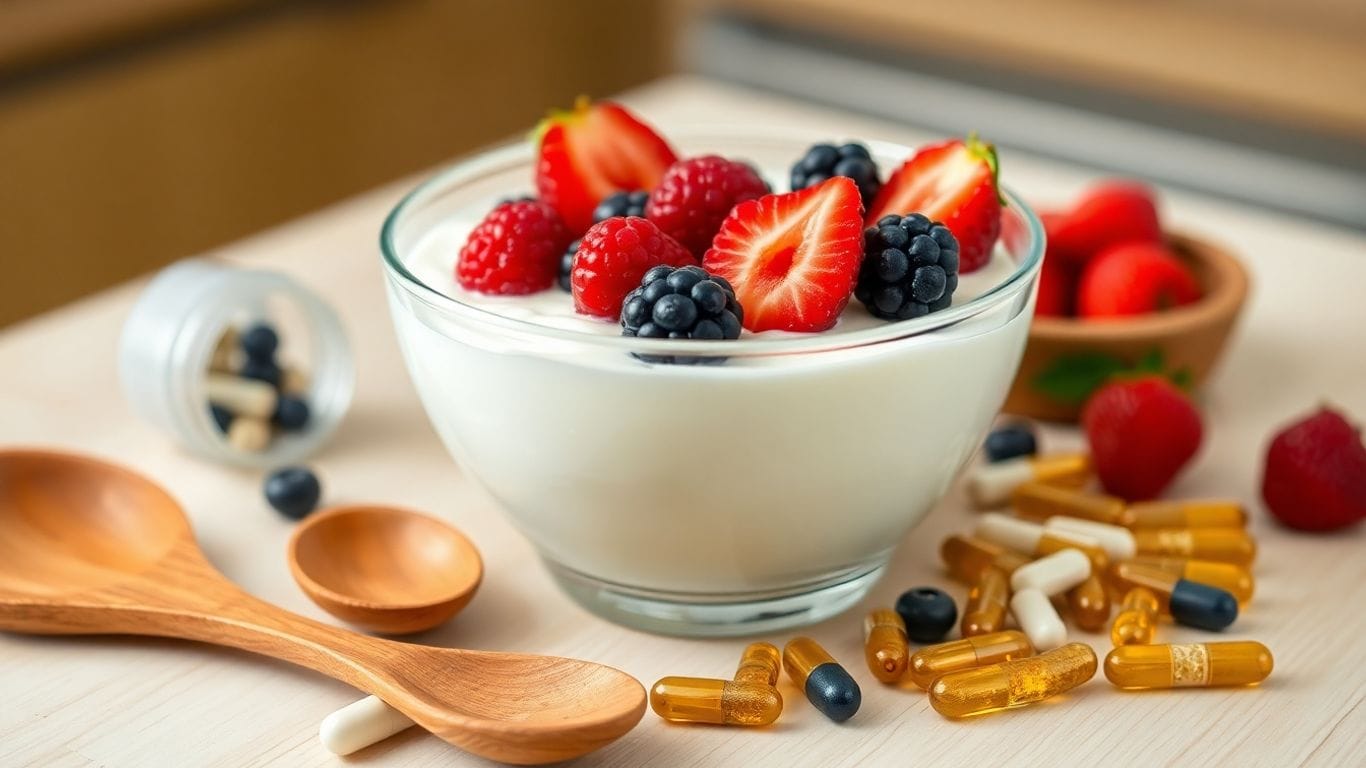
Probiotics have been getting a lot of attention lately. You see them in yogurt ads, health food stores, and even in some snack bars. But what do they actually do? These are live bacteria that, when eaten in the right amounts, can help with all sorts of things in your body—especially in your gut. Scientists have been looking into probiotics for years, and while there’s still more to learn, a bunch of studies show they can offer real benefits. Let’s look at some of the top perks of adding probiotics to your routine, based on what the research says so far.
Key Takeaways
- Probiotics can help keep your digestion running smoothly and may ease common gut issues.
- Regular use of probiotics might support your immune system, making it easier to fight off bugs.
- Taking probiotics when you’re on antibiotics could lower your chances of getting diarrhea.
- If you have trouble with dairy, probiotics might make it easier to handle lactose.
- Some studies suggest probiotics might help lower cholesterol and even play a part in keeping your blood pressure in check.
Improved Digestive Health
Probiotics play a real role in helping your gut work the way it should. They’re live bacteria that, when eaten in the right amounts, can help keep your digestive system running smooth. Plenty of people struggle with a mix of stomach issues—constipation, bloating, gas—and sometimes it’s from the balance of bacteria in the gut being off. Probiotics may help set things back on track.
Here’s what they can do for your gut health:
- Support the growth of the “good” bacteria that help you digest food more efficiently.
- Keep harmful bacteria in check, so they don’t take over and cause issues like diarrhea or cramps.
- Help the body break down and use nutrients, especially protein and fat, so what you eat is put to better use.
It’s not just about keeping things regular. Ongoing studies show probiotics might help people with specific long-term digestive troubles, such as irritable bowel syndrome (IBS), or even after using antibiotics when the gut’s normal balance gets thrown off. Here’s a snapshot from recent clinical research:
| Benefit | Evidence Level | Notes |
|---|---|---|
| Reduced bloating | Moderate | Most users report improvement in a few weeks |
| Less frequent diarrhea | Strong | Notable after antibiotic use |
| Better absorption of nutrients | Emerging | Research ongoing |
A lot of people notice fewer stomach problems and feel lighter overall after adding probiotic-rich foods like yogurt or kefir to their routine.
While results can shift from person to person, it’s clear probiotics aren’t just a buzzword—they’re making a difference for those struggling with gut woes.
Enhanced Immune Function
There’s a lot more action going on in your gut than most people think. Probiotics have actually been shown to help your body’s defense system work better. It’s not just about fighting off the sniffles—there’s real science backing up how certain probiotic strains can make changes in your immune response, sometimes in a pretty measurable way.
To make it a little more concrete, here's what studies say probiotics can help with when it comes to the immune system:
- Promote the creation of antibodies, especially Immunoglobulin A (IgA), which plays a part in neutralizing unwanted bacteria and viruses.
- Help certain white blood cells spot and deal with invaders quicker, speeding up the way your immune system reacts.
- Influence the type and strength of immune responses, lowering chances of unwanted inflammation—a big deal for folks prone to allergies or eczema.
- Change how the gut’s protective barrier works, tightening up cell junctions and helping to block out troublemakers.
Here’s a simple table showing effects found in clinical studies:
| Probiotic Strain | Study Population | Immune Benefit |
|---|---|---|
| L. rhamnosus GG | Children, Infants | Reduced occurrence and severity of eczema; fewer respiratory infections |
| B. lactis | Breastfed Infants | Lowered eczema symptoms |
| Mixed Strains | Adults | Boosted IgA, improved response to mild illnesses |
Even with all the data out there, probiotics work best as part of an overall healthy routine; things like diet, sleep, and even supplements such as Momentous Vital Aminos play supporting roles.
Bottom line, certain probiotics won’t magically stop you from ever getting sick, but they do help your body gear up for whatever comes its way. For someone who always seems to catch whatever’s going around, giving your gut some friendly bacteria might just be worth a try.
Prevention of Antibiotic-Associated Diarrhea

Anyone who’s ever had to finish a strong round of antibiotics probably knows about the not-so-fun side effect: diarrhea. When antibiotics wipe out both the bad and good bacteria in your gut, it can throw the whole digestive system off balance. That’s where probiotics come in.
Probiotics, especially certain strains like Lactobacillus rhamnosus GG (LGG) and Saccharomyces boulardii, have been shown to significantly lower the risk of antibiotic-associated diarrhea (AAD). They help by restoring some of the friendly bacteria that antibiotics tend to destroy, which keeps the gut microbiome more stable and reduces the chances of diarrhea.
Let’s look at what the evidence says:
| Group | With Placebo/No Probiotics | With Probiotics |
|---|---|---|
| Kids (LGG) | 22.4% | 12.3% |
| Adults (S. boulardii) | 17.4% | 8.2% |
- Starting probiotics within 2 days of the first antibiotic dose seems to work best.
- Both hospitalized and non-hospitalized patients, especially kids and younger adults, see the most benefit.
- Not every probiotic strain works: LGG and S. boulardii are the ones with the strongest supporting evidence.
While taking antibiotics, adding a daily probiotic can help you avoid the uncomfortable gut symptoms and keep you feeling more normal throughout your treatment.
Just remember—results may vary, especially in people over 65 or those with other medical conditions. Still, if you’re about to start antibiotics and want to avoid a disrupted stomach, it’s worth talking to your doctor about adding in the right probiotic at the same time.
Alleviation of Symptoms of Lactose Intolerance
Living with lactose intolerance means that eating ice cream or drinking milk can feel more like a gamble than a treat. This condition happens when your gut doesn’t make enough of the enzyme lactase, which breaks down lactose found in dairy. Left undigested, lactose causes all sorts of digestive issues—think cramping, gas, and bathroom trips you’d rather not talk about.
Probiotics have shown promise for folks dealing with these problems. Certain strains of probiotics, especially those found in some yogurts and supplements, can actually help your gut cope better with dairy. They supply beneficial bacteria that either produce lactase or help your gut handle undigested lactose more gently.
Here’s what stands out about probiotics and lactose intolerance:
- Probiotic strains like Lactobacillus acidophilus and Bifidobacterium longum are most often studied for easing lactose-related symptoms.
- Yogurts containing live cultures seem to make dairy easier to digest than milk on its own.
- Probiotic effects can vary based on the strain and how much you take, so results might not be the same for everyone.
| Type of Probiotic | Potential Benefit for Lactose Intolerance |
|---|---|
| L. acidophilus | Reduces bloating and discomfort |
| B. longum | Assists with lactose digestion |
| S. thermophilus (in yogurt) | Boosts beta-galactosidase, improving tolerance |
For some, adding probiotics to a daily routine means cheese and milk might be back on the menu—or at the very least, they’re less likely to regret that slice of pizza. It’s worth trying out different probiotic foods or supplements to see what actually helps your guts work better with dairy.
Reduced Risk of Infectious Diarrhea
No one wants to deal with a stomach bug, and infectious diarrhea is especially tough for families with young kids or anyone traveling abroad. Probiotics have been studied for their role in making these episodes less frequent and shorter in duration. It isn’t just about feeling better faster—probiotics can help the gut deal with all sorts of bacteria and viruses that cause trouble.
Here’s what stands out from the research:
- Probiotics like Lactobacillus rhamnosus GG (LGG), Saccharomyces boulardii, and Limosilactobacillus reuteri are the most researched for viral and bacterial diarrhea.
- Some strains cut down the length of an episode by about a day, especially in infants and young children dealing with rotavirus or similar infections.
- Most benefit has been seen in places where diarrhea is a bigger health threat—results in the US and Canada aren’t as clear-cut.
- The largest data pool (82 randomized controlled trials, over 12,000 mainly pediatric participants) showed up to 36% lower risk of diarrhea lasting more than 48 hours with probiotic use, but differences between studies make the numbers less certain.
| Probiotic Strain | Duration Reduction | Notes |
|---|---|---|
| L. rhamnosus GG | ~1 day | Best for viral diarrhea |
| S. boulardii | ~1 day | Also studied in adults |
| L. casei / L. reuteri | Small (varied) | Some positive findings |
There’s some disagreement among experts—while groups in Europe have offered weak recommendations for probiotics in pediatric diarrhea, groups in the US say there isn’t enough convincing proof for routine use. Much depends on region, access to clean water, and what type of diarrhea is most common.
In my house, when anyone gets sick, we look for ways to ease the symptoms so life can get back to normal. If you’re thinking about trying probiotics for diarrhea, the science says they might help, but it’s not a magic fix in every situation.
Support for Gut Microbiota Balance
Probiotics play a key part in keeping your gut microbiota balanced, which is your unique mix of bacteria, yeast, and other tiny organisms living in your digestive system. When this community gets out of whack—say, after antibiotics or a stretch of poor eating—you might notice bloating, stomach trouble, or worse. Probiotics help nudge your gut bugs in the right direction by adding more of the good bacteria and crowding out the ones linked to discomfort or illness.
Here’s why gut balance matters and how probiotics fit in:
- They help keep harmful microbes from taking over your digestive tract.
- A steady gut environment means smoother digestion and less gas or belly pain.
- They work with your immune system, making it easier to spot and fight off the stuff that shouldn’t be there.
Here’s a quick breakdown of common probiotic strains and their main functions:
| Probiotic Strain | Common Role in Gut |
|---|---|
| Lactobacillus acidophilus | Digests lactose, manages pH |
| Bifidobacterium lactis | Strengthens gut lining |
| Lactobacillus plantarum | Reduces gut inflammation |
If you’re trying to reset your gut, yogurt, kefir, and foods with live cultures can help, but sometimes a supplement is easier to fit into a hectic day. Science keeps showing small but real improvements in people who have a consistent probiotic routine, especially after antibiotic use or digestive upset.
Gut balance isn’t just about what you eat—stress, medications, and age can also mess with your microbiota. Probiotics give you extra help to keep everything running smooth.
Sometimes, adding other wellness tools like portable red light therapy to your routine can support your overall well-being alongside your gut-focused efforts.
Potential Cholesterol Reduction
When you think about cholesterol, you probably picture those numbers from your last checkup and maybe some advice to eat fewer burgers. What you might not hear as often is this: taking certain probiotics could help lower your cholesterol—especially the “bad” kind (LDL). Studies show this isn’t just hype, but not all types of probiotics do the job, and results vary depending on strain and length of use. It’s a bit messy, but let’s break it down.
Some ways probiotics may lower cholesterol include:
- Increasing bile salt hydrolase activity, which forces your liver to use more cholesterol to make new bile acids (bye-bye, cholesterol)
- Binding to cholesterol in your gut, making it harder for your body to soak it up
- Producing short-chain fatty acids, which slow down your liver’s cholesterol production
If you’re into numbers, here’s what some of the studies have found:
| Effect | Probiotics Group vs. Placebo |
|---|---|
| Total Cholesterol | 6.6–12.0 mg/dL lower |
| LDL ("bad") Cholesterol | 7.3–20.1 mg/dL lower |
| HDL ("good") Cholesterol | No significant change |
These changes usually show up if people take probiotics for at least four weeks, and especially for folks over 45 or those who started out with high cholesterol. The most consistent results come from using mixed strains—like Lactobacillus acidophilus and Bifidobacterium lactis, rather than single strains. Single-strain probiotics just don’t seem to pull their weight.
- Most effective for adults over 45
- Works best for those with high starting cholesterol
- Needs at least 4–8 weeks, sometimes longer
It’s easy to check your own cholesterol numbers if you want to track whether adding probiotics makes a difference—many people start with a simple Cholesterol (Lipid) Panel.
All that said, not every study agrees, and the effects, while promising, may not be dramatic or universal. Think of probiotics as one small piece of the cholesterol puzzle, not a magic fix. Always chat with your doctor before making changes—especially if you’re already treating high cholesterol.
Adjunct in Prevention of Some Cancers
There’s been a lot of buzz lately about how probiotics could play a supporting role in cancer prevention. While researchers aren’t saying probiotics are a magic fix, there are some pretty interesting findings about how they might help, at least as part of an overall approach.
Probiotics may help lower cancer risk by changing gut bacteria and reducing substances that hurt our cells. The focus is mostly on specific strains like Lactobacillus and Bifidobacterium. Here’s what current science suggests:
- They help keep a healthy balance of gut bacteria, which can slow the growth of bacteria linked to increased cancer risk.
- Some probiotics lower the activity of enzymes in the colon that could turn other compounds into potential carcinogens.
- Certain strains boost your body’s immune responses, giving it a better shot at fighting rogue cells before they cause trouble.
A few studies have taken a closer look at people who eat more probiotic-rich foods, like yogurt, and noticed slight drops in rates of colon cancer. Is it game-changing? Not just yet, but there seems to be a trend worth tracking.
| Probiotic Strain | Shown Effect |
|---|---|
| Lactobacillus acidophilus | Reduced carcinogenic enzymes in studies |
| Bifidobacterium bifidum | Improved gut barrier, less harmful byproducts |
| Lactobacillus rhamnosus | Improved immune activity |
If you’re considering adding probiotics to your routine for extra support, look for a well-rounded probiotic supplement or food source. Products like the Repose Digestive Health Therapy Kit come with reliable strains and can support overall gut balance—an important piece in the long game of cancer prevention.
All in all, while the science isn’t set in stone and more research is ongoing, probiotics could end up being a solid piece of the prevention puzzle—just don’t expect miracles overnight.
Support in Treating Bacterial Vaginosis
Probiotics are making a real difference for folks dealing with bacterial vaginosis (BV). There's strong scientific support for certain probiotic strains—like Lactobacillus species—in helping to restore the healthy bacteria needed to keep BV at bay. Doctors and researchers are finding that using probiotics as an extra step alongside traditional antibiotic therapy can actually cut the chances of BV coming back.
Here’s what really stands out about how probiotics help with BV:
- They boost the presence of healthy Lactobacillus in the vagina, which drops when BV shows up.
- Probiotics can lower the overgrowth of harmful bacteria that trigger the telltale odor and discharge of BV.
- For some people, regular probiotic use along with prescribed meds means fewer relapses and less frustration overall.
| Key Benefit | Evidence Level | Example Probiotic |
|---|---|---|
| Fewer BV Recurrences | Moderate to strong | Lactobacillus rhamnosus |
| Improved Symptoms | Moderate | Lactobacillus reuteri |
| Better Microbiota | Moderate | Lactobacillus acidophilus |
When BV keeps coming back, it gets exhausting, and that's why using probiotics—especially after a round of antibiotics—can feel like a missing piece finally fitting into the puzzle. For many, it's more than science—it's relief, day-to-day.
Needless to say, if you're thinking about adding probiotics or are curious about related health testing options, you might be interested in early detection resources like this comprehensive blood test to keep up with your overall sexual health.
Possible Aid in Blood Pressure Control
For folks worried about blood pressure, probiotics might seem like an unexpected helper. Studies over the last few years have looked at whether taking certain probiotic strains can lead to small but measurable drops in blood pressure. While the results aren't dramatic, some evidence suggests probiotics could offer mild support for people dealing with elevated blood pressure.
Here are a few things to keep in mind when it comes to probiotics and blood pressure:
- Benefits have been more pronounced in people with higher baseline blood pressure.
- Most studies focus on multi-strain probiotic supplements rather than just one type.
- Effects are usually more noticeable when probiotics are taken for at least eight weeks or longer.
| Study Duration | Average Reduction in Systolic BP (mm Hg) | Average Reduction in Diastolic BP (mm Hg) |
|---|---|---|
| <8 weeks | 0.8 | 0.6 |
| ≥8 weeks | 3.5 | 2.4 |
The mechanisms that might explain these changes include improving cholesterol metabolism, tweaking gut microbiota, and possibly reducing inflammation in the body. While these results aren't a magic solution, they're a nudge in the right direction—especially if you combine probiotics with other healthy practices, like regular walking or mindful eating.
People hoping to keep blood pressure in check might find probiotics are a useful, low-risk addition to their routine. Just remember, consistency matters and results are typically better when you take a multi-strain supplement for at least a couple of months, similar to using a quality supplement for other goals like muscle performance improvement.
Conclusion
So, after looking at all the science and stories around probiotics, it’s clear they’re more than just a health trend. From helping with digestion to possibly lowering cholesterol and even supporting the immune system, probiotics have a lot going for them. Sure, not every claim is backed up by rock-solid evidence yet, and some benefits need more research, especially when it comes to things like heart health or cancer prevention. But for stuff like easing tummy troubles after antibiotics or helping with lactose intolerance, the proof is pretty strong. As more people get interested in what they eat and how it affects their health, probiotics are popping up in all sorts of foods, not just yogurt. Just remember, not all probiotics are the same, and what works for one person might not work for another. If you’re thinking about adding them to your routine, it’s always a good idea to check with your doctor, especially if you have health issues. All in all, probiotics seem to be a promising part of a healthy lifestyle, and it’ll be interesting to see what future research finds.
Frequently Asked Questions
What are probiotics?
Probiotics are live, friendly bacteria that are good for your health, especially your digestive system. You can find them in foods like yogurt, kimchi, and other fermented foods.
How do probiotics help with digestion?
Probiotics help keep your gut healthy by adding more good bacteria. This can make it easier to digest food and may help with problems like gas, bloating, and constipation.
Can probiotics boost my immune system?
Yes, some studies show that probiotics can help your body fight off germs by supporting your immune system. They help keep a balance of good bacteria, which can protect you from getting sick.
Do probiotics help with diarrhea caused by antibiotics?
Yes, taking probiotics while you’re on antibiotics can lower your chance of getting diarrhea. Antibiotics can kill both good and bad bacteria, but probiotics help bring back the balance.
Are probiotics safe for everyone?
Most people can take probiotics safely, but people with very weak immune systems or serious illnesses should talk to a doctor first. It’s always a good idea to check with a healthcare provider before starting any new supplement.
How can I add more probiotics to my diet?
You can eat more foods like yogurt, kefir, sauerkraut, or take probiotic supplements. Just make sure to check the label to see if they have live and active cultures.