
Spermidine is a natural compound that has been getting a lot of attention lately, especially among folks interested in healthy aging and longevity. It’s found in a bunch of foods and is also made by your body, but as you get older, your levels drop. People are curious about whether eating more spermidine or taking supplements could help with things like heart health, brain function, and even fertility. But before you run out and buy a bottle, it’s worth looking at what we actually know—and what’s still up in the air.
Key Takeaways
- Spermidine is a compound found in many foods and is made naturally by your body, but levels decrease as you age.
- Some research in animals suggests spermidine may help with longevity, heart health, and brain function, but human studies are still limited.
- Dietary sources of spermidine include wheat germ, soybeans, mushrooms, and some cheeses, while supplements are also available.
- Side effects seem mild for most people, but there could be drug interactions, so talk to your doctor before starting supplements.
- More research is needed to know if spermidine supplements work as well in humans as they do in animal studies.
Understanding Spermidine and Its Biological Role
What Is Spermidine and Where Is It Found?
Spermidine is a natural polyamine, which sounds complicated, but it's really just a type of molecule present in every living thing—from plants to people. You’ll find spermidine in foods like wheat germ, soybeans, mushrooms, and even aged cheese. It was first discovered in human semen, but don’t let that put you off; it’s everywhere, not just in people. In the diet, folks can get it from plants, some meats, and fermented foods.
Common Dietary Sources of Spermidine
| Food Source | Spermidine Content (mg/100g) |
|---|---|
| Wheat Germ | 24 |
| Aged Cheese | 10-20 |
| Mushrooms | 6-10 |
| Soybeans | 2-5 |
| Green Peas | 2-3 |
How Spermidine Is Produced in the Body
Your body makes spermidine on its own, mainly through a process involving other molecules called "polyamines" like putrescine and spermine. Here’s the basic flow:
- It usually starts with the amino acid arginine.
- Arginine gets converted into putrescine (another polyamine).
- Putrescine then becomes spermidine, thanks to specific enzymes working in your cells.
- Finally, spermidine can be further converted into spermine.
So even if you don’t eat much spermidine, your body fills in the gap. But as you get older, levels can drop.
Key Biological Functions of Spermidine
Spermidine’s jobs inside cells are pretty wide-ranging:
- Promotes cell growth and division: It helps your body make new cells, which matters for healing and maintaining healthy tissue.
- Keeps DNA and RNA stable: Spermidine acts almost like a shield, helping to protect our genetic material from damage.
- Supports autophagy: This is the system cells use to clear out junk and recycle worn-out parts. Spermidine ramps this up, which is a big reason researchers think it’s tied to longevity.
- Acts as an antioxidant: It helps neutralize harmful molecules that can damage your cells over time.
- Regulates protein production: Without spermidine, cells would struggle to keep making and fixing the proteins that keep everything humming along.
When you put it all together, spermidine seems to help keep all the important systems in your cells running smoothly—like oil in an engine. That might explain why there’s so much buzz about its role in healthy aging, cell repair, and even disease prevention.
Spermidine and Healthy Aging
Spermidine is getting a lot of attention for its possible age-related benefits. If you're keeping an eye on things that might help you grow older while staying active and healthy, this section is for you.
Its Role in Longevity and Lifespan Extension
Evidence from both animal and human studies shows that higher spermidine intake is linked to longer lifespans. Researchers tracked people for over a decade and consistently found lower rates of cancer and cardiovascular disease among those who consumed more spermidine-rich foods. In mice, the story is even clearer—supplementing their diet with spermidine helped them live longer and stay healthier, especially with heart health.
| Study Group | Years Observed | Spermidine Intake | Longevity Impact |
|---|---|---|---|
| Humans (829) | 15 | High | Lower mortality, longer lifespan |
| Mice | Lifetime | Supplemented | Extended lifespan |
Mechanisms Behind Anti-Aging Effects
Spermidine’s claim to fame in aging comes from its role in a natural cell clean-up process called autophagy. When autophagy works well, your cells are efficient at getting rid of damaged parts—almost like taking out the trash. Spermidine boosts this process, which can keep many age-related issues at bay.
Key ways spermidine supports anti-aging:
- Promotes autophagy, helping clear out cellular waste
- Offers mild anti-inflammatory action
- Supports the maintenance of proteins and other cell components
For people hoping to age gracefully, supporting healthy autophagy with enough spermidine could be a straightforward step, especially because levels naturally drop as we get older.
Spermidine’s Impact on Cellular Regeneration
As we age, our cells slow down with repairs and recycling. Spermidine steps in here, because it’s shown to:
- Encourage the renewal of tissues
- Support the stability of DNA and proteins
- Speed up the recycling of old cell parts
This process matters for everything from cosmetic changes like skin quality to bigger things such as organ function. Healthy cellular regeneration means less buildup of cellular junk—which often triggers age-related diseases.
So, spermidine might seem like just another “supplement” buzzword, but behind the hype is a growing pile of real research. Higher levels in the diet, safe supplementation, or even supporting your own production might genuinely help people keep their bodies running more smoothly as the years roll by.
Cardiovascular and Metabolic Benefits of Spermidine
Cardioprotective Effects and Heart Health
Spermidine has been linked to better heart health and may help lower the risk of cardiovascular disease. Most of the early studies come from animal models, but the signs are promising. Spermidine is thought to support the lining of blood vessels, lowering blood pressure and keeping arteries flexible. Lower blood pressure and healthy arteries usually mean less risk of heart attacks or strokes.
Key ways spermidine could support your heart:
- Helps the endothelium (blood vessel lining) work properly
- May prevent the early buildup of plaque in arteries
- Can lead to lower systolic and diastolic blood pressure
| Effect | Animal Studies | Human Studies |
|---|---|---|
| Lower blood pressure | ✔️ | ✔️/❌ (mixed) |
| Improved vessel health | ✔️ | ✔️ |
| Plaque reduction | ✔️/❓ | ❓ |
If you’re looking for simple lifestyle changes to protect your heart, adding more spermidine-rich foods might be a smart move—just know the strongest evidence so far comes mostly from lab and animal studies, not huge human trials.
Supporting Healthy Fat Metabolism
Spermidine plays a part in how the body handles fats—it seems to help regulate the way fat is stored and used for energy. In animal studies, higher spermidine levels mean less fat accumulation in organs and improved metabolic function. The result? Tissues like the liver work smoother and stay healthier.
Benefits of spermidine for fat metabolism:
- May reduce fat buildup in organs
- Possible improvements in metabolic health and insulin signaling
- Might support steady energy use and storage
For anyone concerned about metabolic syndrome or weight gain, this could be good news, but keep in mind most proven effects are still from research in animals.
Spermidine and Blood Lipid Regulation
There is also some evidence that spermidine can change cholesterol and triglyceride levels for the better. Mice on spermidine-rich diets see drops in total cholesterol and sometimes even LDL (the so-called "bad" cholesterol), while humans eating more spermidine-rich foods sometimes score better on blood tests.
Key impacts on blood lipids:
- Lower total cholesterol
- Lower triglycerides
- Help maintaining better balance between LDL and HDL
| Lipid Type | Studied Effects in Animals | Observed Changes in Humans |
|---|---|---|
| Total Cholesterol | ↓ | ↓/― (varied) |
| Triglycerides | ↓ | ― |
| LDL Cholesterol | ↓ | ↓/― (limited data) |
If your doctor has ever told you to watch your cholesterol, spermidine could be part of a bigger plan—just make sure it's not your only strategy, especially since human evidence is still building.
Spermidine for Brain Health and Cognitive Function
Effects on Memory and Cognitive Decline
Spermidine has been getting attention for its potential role in supporting memory and slowing down cognitive decline as we age. Research in both animals and humans suggests that adding spermidine-rich foods or supplements may help people with mild memory problems. For example, in one study, older adults given spermidine from wheat germ performed better on memory tasks compared to those who didn't add it to their diets. But not every study is conclusive—in some long-term trials, the improvements seem small or inconsistent.
A few things that stand out about spermidine and brain health:
- It may help protect nerve cells from age-related damage.
- Some studies show a difference with regular, low-dose intake rather than one-off high doses.
- Benefits might be more noticeable for people in early stages of memory trouble, rather than advanced decline.
If you’re considering spermidine specifically for memory support, it’s a good idea to first check with a doctor, since results are still mixed and not every product is proven to work the same way.
Potential to Slow Neurodegenerative Processes
Neurodegenerative diseases like Alzheimer’s and Parkinson’s are marked by the gradual loss of brain cells. Spermidine seems promising in this area for one key reason: it supports autophagy, the cell’s process for cleaning up waste. By helping clear out damaged proteins, spermidine could reduce some of the cell stress that leads to disease.
Here's how spermidine might impact neurodegeneration:
- Encourages cells to remove damaged parts more efficiently.
- May reduce inflammation in brain tissues.
- Could help keep cellular energy production in check, which protects brain function.
Again, most data comes from animal studies or small human trials. The link is there, but we need larger studies before making strong recommendations.
Autophagy and Brain Health
Autophagy is basically "cellular housekeeping"—it’s how cells get rid of junk that builds up over time. Spermidine naturally boosts this cleaning process. This is important for the brain because, as we age, our brains are less efficient at clearing out waste, which is where problems start. Boosting autophagy with things like spermidine might help keep brain cells working properly for longer.
Here’s a straightforward table summarizing what current studies report:
| Study Type | Key Finding on Autophagy | Population |
|---|---|---|
| Animal Studies | Spermidine increased autophagy and improved learning | Mice |
| Small Human Trials | Enhanced markers of autophagy, better memory on some tasks | Older adults |
| Lab Research | Reduced build-up of harmful proteins | Human cells |
While research keeps growing, it’s clear that managing cell health is important for memory, and spermidine could be part of that strategy. If you’re curious about other compounds that support mental performance and tissue repair, a mix of foundational nutrients is often recommended, such as those in amino acid blends.
Spermidine and Fertility Support
Potential Role in Female Fertility
Spermidine has sparked curiosity for its involvement in female reproductive health. While the underlying science is still being worked out, some animal research suggests spermidine might help maintain ovarian and uterine health, both key players in fertility. Low levels could be linked with weakened ovarian function, at least in animal models. However, right now, there’s no slam-dunk study showing the same for people.
Key points to consider:
- Animal studies hint at spermidine supporting healthy ovaries and uterine tissue.
- The exact effect in humans isn’t settled, so researchers are watching closely.
- Women trying to conceive may want to keep an eye on new discoveries about spermidine, but shouldn’t expect miracles.
Spermidine’s Influence on Hormonal Balance
The way spermidine interacts with hormones is a complicated story. In very small studies, spermidine supplementation seemed tied to lower stress hormone (cortisol) levels in both men and women. Considering high cortisol can mess with sex hormones and cycles, this could have a ripple effect on fertility—though it’s not clear how big that effect actually is.
A few things researchers are investigating:
- Potential for spermidine to reduce stress hormone disruptions, which can interfere with fertility
- Whether spermidine helps preserve steady cycles by supporting ovarian health
- How spermidine interacts with other fertility-related hormones (like estrogen and FSH)
Research on Fertility Outcomes
Hard evidence for spermidine directly improving fertility is thin on the ground—most studies are still small or focused on animals. The handful of human trials haven’t tracked live birth outcomes or conception rates; they generally look at hormone levels or ovarian health.
| Study Type | Participants | Spermidine Dose | Main Finding |
|---|---|---|---|
| Animal (mice) | Mice | Varied | Suggests better ovarian health |
| Human (very small) | Men & women | Typical sup. | Lowered cortisol, possible less stress |
| Human (none large) | — | — | No proven fertility boost for now |
Right now, taking spermidine for fertility is a bit like buying a lottery ticket; it might help, but there’s no guarantee, and we need more real-world evidence.
Sources of Spermidine in Diet and Supplement Form
Top Dietary Sources Rich in Spermidine
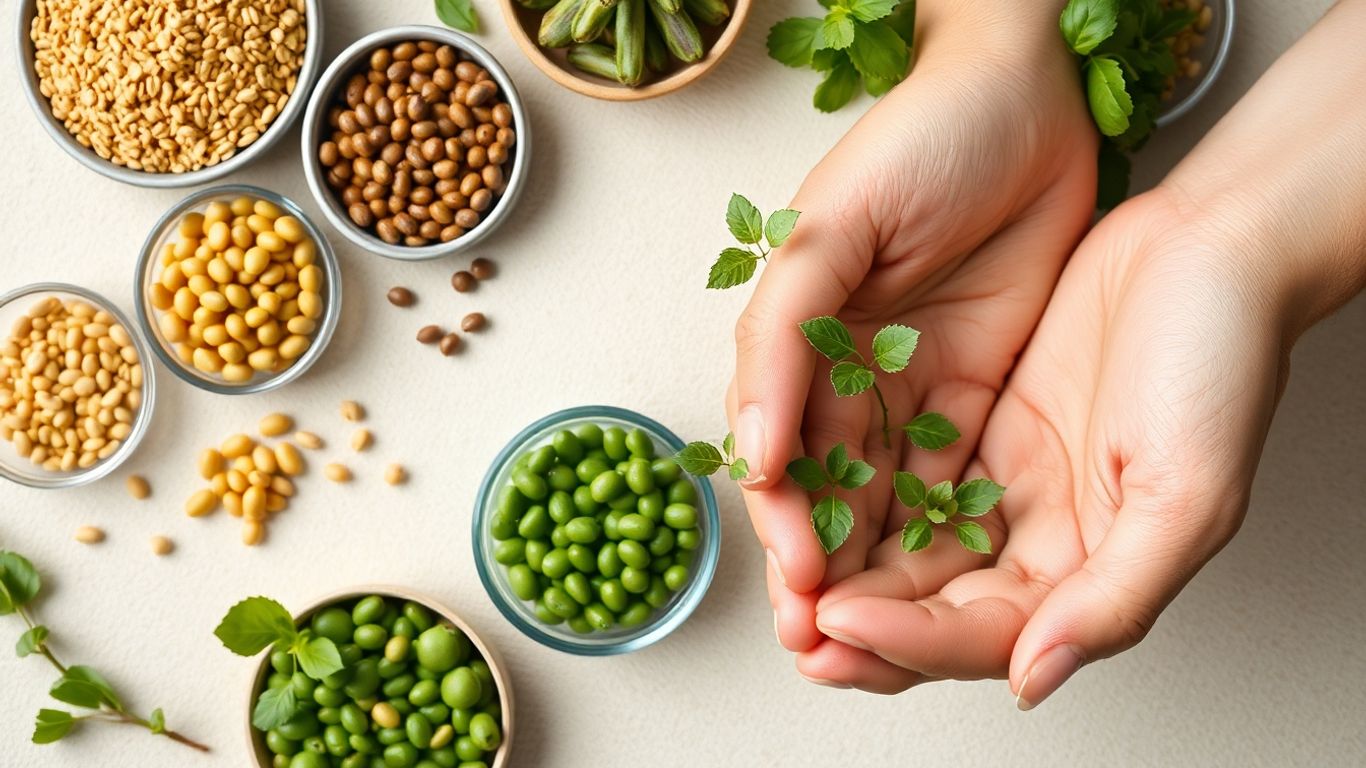
Spermidine occurs naturally in a bunch of everyday foods—especially plant-based ones. If you plan to up your intake from what you eat, try including some of these items:
- Wheat germ (a classic powerhouse of spermidine)
- Soybeans and soy-based foods like natto and miso
- Aged or mature cheeses
- Mushrooms (especially shiitake)
- Green peas, lentils, chickpeas
- Broccoli, cauliflower, and green peppers
- Amaranth grain and whole grain products
Here’s a quick look at spermidine content in selected foods:
| Food | Approximate Spermidine Content (mg per 100g) |
|---|---|
| Wheat germ | 24–30 |
| Soybeans | 15–20 |
| Shiitake mushrooms | 7–8 |
| Green peas | 5–7 |
| Aged cheese | 3–5 |
| Broccoli | 2–4 |
Including a variety of these foods can help support your spermidine levels without much trouble.
Effectiveness and Safety of Spermidine Supplements
Supplements are an option for folks who have dietary restrictions, or just want to ensure they're hitting a consistent target. Most spermidine supplements are made from wheat germ extract, but some use other plant concentrates. Research on the effectiveness of supplements is still evolving, but there’s growing interest in their use for longevity and brain health.
Key points about spermidine supplements:
- Dosage is often standardized for consistent intake
- Supplements should not replace a balanced diet
- Quality varies by brand, so sourcing matters
- Long-term effects and optimal dosage aren’t fully known
Safety-wise, spermidine supplements are considered safe for most people. Still, check with your doctor if you have health conditions or take medications, as interactions can’t be ruled out.
Considerations for Increasing Spermidine Intake
Before making big changes, think about these factors:
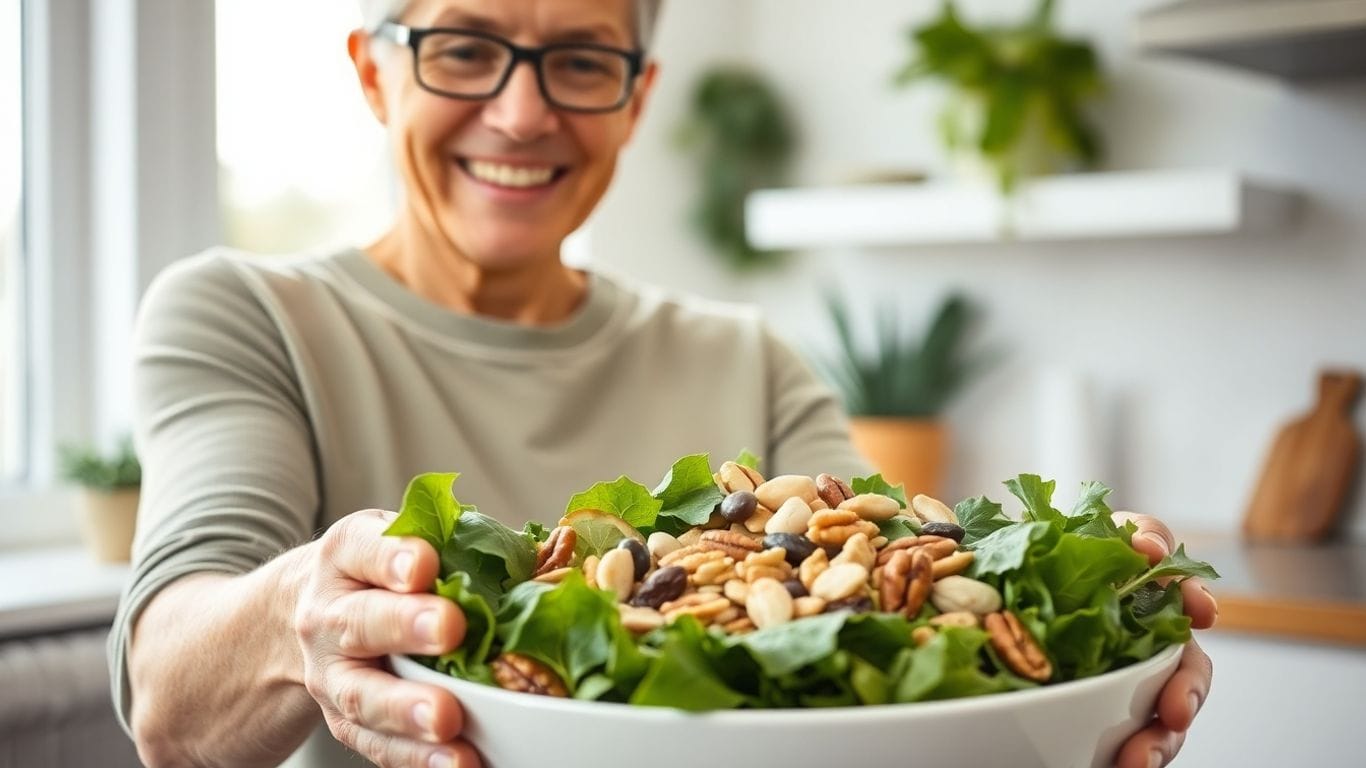
- Food first: It’s generally best to get nutrients from whole foods, not pills.
- Gut health counts: A healthy gut microbiome helps your body make and absorb spermidine—fiber and fermented foods may help boost this process.
- Supplements = extra, not essential: Use them if your diet is lacking or if your doctor recommends it.
- Personal sensitivity: Some folks may get mild digestive side effects when first increasing spermidine, especially from supplements.
Aiming for more spermidine? Focus on a varied diet packed with whole grains, legumes, mushrooms, and leafy veggies. If you’re considering supplements, talk with your healthcare provider to make sure it's the right fit.
Risks, Side Effects, and Safety Considerations
Taking spermidine is getting a lot of attention, but it’s not all smooth sailing. Most folks can handle it fine when it’s part of their normal diet, but things can get tricky with higher supplement doses or certain health conditions.
Potential Drug Interactions to Watch
- Spermidine can interact with some prescription medications, which isn’t something you want to find out the hard way.
- Be careful with drugs like blood thinners and antidepressants—these meds may not play nice with spermidine supplements.
- If you’re already taking other supplements or over-the-counter products, double-check with your prescriber before mixing them together.
| Medication Type | Potential Issue |
|---|---|
| Blood thinners | May impact clotting |
| Antidepressants | Possible mood effects |
| Kidney medications | Alters electrolyte balance |
Always talk with your healthcare provider before adding spermidine or any new supplement to your daily routine. Unexpected side effects do happen, especially with other meds involved.
Common Side Effects and Who Should Avoid Spermidine
While natural food sources are generally safe, supplement forms might bring side effects—mostly if you go high on the dose.
- Stomach issues: Some people notice mild digestive trouble like bloating or nausea.
- Allergic reactions: Many supplements come from wheat germ, which means there could be gluten for those sensitive to it.
- Blood chemistry changes: In rare cases, changes in lab markers like creatinine, calcium, or phosphate have been reported, especially in animal studies. This hints at possible kidney or electrolyte issues.
- Pregnancy, nursing, or trying for a baby? It’s best to hold off on spermidine supplements—there’s just not enough data for safety during these times.
If you fall into a higher risk category (kidney concerns, pregnancy, medications listed above), skip the supplement route and stick with natural foods instead.
Guidelines for Safe Use of Spermidine Products
It’s tempting to chase the promises of better energy or longevity, but using spermidine safely is about balance. Don’t overdo it with mega-doses—more isn’t always better.
- Start with the smallest effective dose, and rise slowly if no problems pop up.
- Read supplement labels closely—look for allergen information and avoid brands that don’t list their source material.
- Stick with quality supplements that are third-party tested, much like NSF-certified products such as Momentous Creatine.
- Keep your healthcare provider in the loop before starting, especially if you have health conditions or take prescription meds.
- If any weird symptoms show up—think rash, stomach pain, or big changes in energy—stop using it and call your doctor.
While spermidine naturally found in foods is unlikely to cause trouble, the supplement form is still being studied. Play it safe, and focus on a balanced diet first before reaching for a pill.
Conclusion
So, that's the scoop on spermidine. It's a natural compound found in lots of foods, and early research—mostly in animals—suggests it might help with things like heart health, fat metabolism, and maybe even brain function. But here's the thing: most of the studies so far have been on mice or in labs, not people. Some results look promising, but others are mixed, especially when it comes to heart health and cognitive benefits. If you're thinking about upping your spermidine intake, you can start by adding more foods like soybeans, mushrooms, and whole grains to your meals. Supplements are out there too, but it's a good idea to talk with your doctor first, especially if you're on medication. At the end of the day, spermidine could be helpful for some folks, but we still need more research to know for sure. For now, sticking to a balanced diet and healthy habits is probably your best bet.
Frequently Asked Questions
What is spermidine and where can you find it?
Spermidine is a natural compound found in all living things. It is especially common in foods like soybeans, mushrooms, whole grains, and some fruits and vegetables. Our bodies also make spermidine, but as we get older, our levels tend to drop.
How does spermidine help with aging?
Spermidine is believed to help slow down aging by supporting a process called autophagy. This means it helps clean out old or damaged cells, letting your body make new, healthy ones. Some animal studies show that spermidine might help animals live longer, but more research is needed to see if the same is true for people.
Can spermidine improve heart and brain health?
Some studies in animals suggest that spermidine can help keep the heart healthy and may lower the risk of heart disease. There is also some early research that shows spermidine might help with memory and protect the brain as we get older. However, the results in humans are not clear yet, so more studies are needed.
Is spermidine safe to take as a supplement?
Spermidine supplements are generally thought to be safe for most people when taken as directed. But, they might interact with certain medicines, like antidepressants or blood thinners. Always talk to your doctor before starting any new supplement.
Can spermidine support fertility?
There is some early research that suggests spermidine may help with fertility by lowering stress hormones and supporting healthy ovaries. But the studies so far have been small, and we need more research to know for sure.
How can I get more spermidine in my diet?
You can eat more spermidine by including foods like soybeans, mushrooms, whole grains, peas, and some fruits and vegetables in your meals. If you find it hard to get enough from food, there are also spermidine supplements available, but check with your doctor before using them.