



Omega-3 is one of those nutrients you hear about all the time, but it's easy to ignore unless your doctor brings it up. Maybe you’ve seen fish oil bottles in the supermarket, or heard that walnuts are good for you. But what’s the real deal? Should you actually make an effort to add Omega-3 to your daily routine, or is it just another health trend? Let's break down what Omega-3 does, what experts really say about it, and how to know if you might need more in your life.
Key Takeaways
- Omega-3 fatty acids are important for your heart, brain, and overall health, but your body can’t make them on its own.
- There are different types of Omega-3s, and getting a mix from both plant and marine sources is best.
- Signs you might need more Omega-3 include dry skin, mood changes, and joint discomfort.
- You can get Omega-3 from foods like fatty fish, walnuts, flaxseed, or from supplements if needed.
- Supplements aren’t for everyone, so check with your doctor, especially if you’re on medication or have health conditions.
Understanding Omega-3: Essential Role in the Body
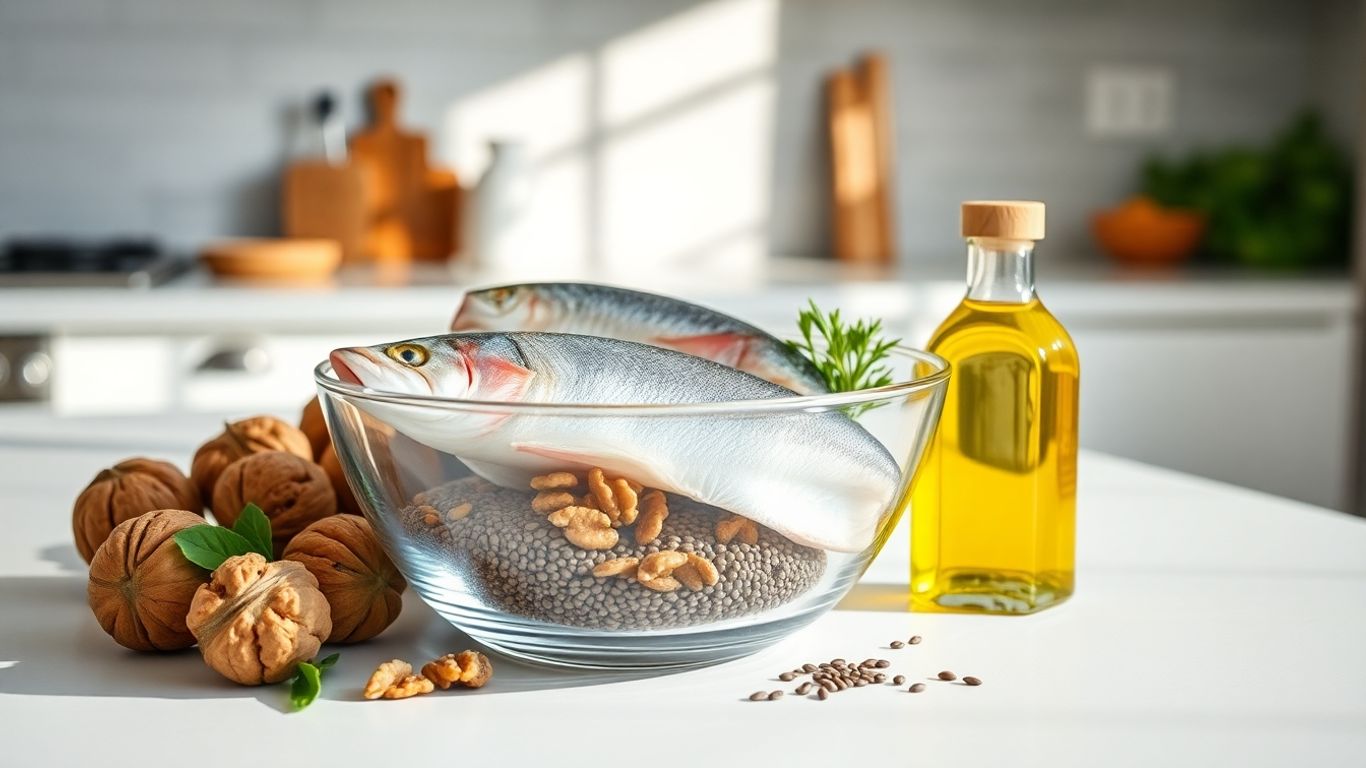
Omega-3s are a specific type of fat that our bodies need for everyday functions, yet we can’t make them ourselves. Instead, it’s on us to eat the right foods or find quality supplements. While it sounds technical, think of omega-3s as the handy building blocks that help our brains, eyes, and even our skin work the way they’re supposed to—nothing fancy, just absolutely necessary for getting through the day.
Functions of Omega-3 Fatty Acids
- Support for brain function and memory
- Help maintain healthy vision
- Aid in managing healthy cholesterol and triglyceride levels
- Assist in making hormones that regulate blood clotting, artery walls, and inflammation
- Serve as structural components in every cell membrane you have
Omega-3 fatty acids play a direct role in keeping our heart, immune system, and many other processes on track.
| Function | Impact of Omega-3 |
|---|---|
| Brain Health | Supports cognition, mood, memory |
| Cardiovascular System | Helps manage cholesterol, blood flow |
| Immune Function | Regulates inflammation, enhances defense |
| Joint and Eye Health | Keeps joints moving, maintains vision |
Even if you eat a generally healthy diet, missing out on omega-3s can leave you with nagging issues—dry skin, low energy, and so on—that you might not realize are connected.
Types of Omega-3: ALA, EPA, and DHA
- Alpha-linolenic acid (ALA): This is found in foods like flaxseeds, chia seeds, and walnuts. Your body has to convert it to EPA or DHA, but that process isn’t very efficient.
- Eicosapentaenoic acid (EPA): Sourced mostly from fatty fish like salmon, EPA is directly available and associated with heart and mood benefits.
- Docosahexaenoic acid (DHA): Also comes from fish and seafood, DHA is a major player in brain and eye health.
EPA and DHA are most easily absorbed from animal sources, while ALA comes from plants. People who rely on ALA alone might not get all the same effects, because the conversion rate is low.
Why Omega-3 Is Considered Essential
Our bodies can’t make omega-3s from scratch. That’s what makes them "essential"—not just important, but required in the diet. Every cell uses them, and not getting enough means something, somewhere, probably isn’t working as well at it should.
- We need omega-3s for basic cell function—every organ depends on these fatty acids.
- Omega-3s make up part of the membranes of our cells, which helps everything from nerve signaling to keeping skin moist.
- The only way to get them: diet or supplements—no other option.
Keeping up the right intake of omega-3s, along with things like a blend of essential amino acids, can help maintain steady energy and better wellbeing. Most people don’t realize small, overlooked details like this are the foundation for feeling good.
Key Health Benefits of Omega-3 According to Experts
Omega-3s have been in the spotlight for years, but not everyone knows exactly why these fats get so much attention. Experts have studied them in-depth, going beyond rumors and trends to show us what’s fact and what’s hype. Here are the main ways omega-3s make a difference you can actually feel—or even measure.
Heart Health and Cardiovascular Protection
Regular omega-3 intake is linked with a lower risk of heart problems. Researchers have seen that people who include these fats in their diet may have smaller chances of heart issues.
Some practical findings about omega-3 fats and heart health:
- May help lower triglyceride levels in the blood
- Can reduce blood pressure slightly, especially in those with high readings
- Help keep the heart rhythm steady, reducing the risk of dangerous arrhythmias
- Slow the buildup of plaque that can clog arteries
Here’s a handy table showing some of the most-studied effects:
| Heart Health Factor | Potential Omega-3 Benefit |
|---|---|
| Triglycerides | Often reduced |
| Blood Pressure | May be slightly lowered |
| Plaque buildup | Slowed |
| Heart rhythm (arrhythmia) | Improved stability |
Eating more omega-3-rich fish can be a simple habit that pays off for your heart in the long run.
Support for Brain and Eye Function
Omega-3 fats aren’t just about the heart—they’re important for your brain and eyes, too. Experts say that these fats are found in large amounts in the brain and retina. Some ongoing research even suggests that they may have a role in slowing down cognitive decline as we age.
Benefits include:
- Building cell membranes in the brain (good for thinking and memory)
- Supporting brain development in kids and during pregnancy
- Helping with visual function and may reduce risk of age-related vision loss
- Possibly easing symptoms in mood disorders like depression
For example, studies have shown people with low omega-3 tend to have higher rates of certain mental health symptoms. Doctors sometimes recommend omega-3s to support patients with poor attention, mood swings, or dry eyes.
Potential Role in Reducing Inflammation
We hear about inflammation all the time, mostly in connection with pain, joint aches, or autoimmune troubles. Omega-3s seem to have a calming effect here.
- May reduce swelling and stiffness, especially in joint conditions
- Can help keep chronic inflammation in check, which affects conditions like arthritis or certain bowel disorders
- Can help rebalance the immune system
Many people with nagging joint pain report less stiffness after adding more omega-3s to their diet. Plus, with inflammation tied to many chronic issues, this small addition can mean fewer aches down the road.
For folks with busy lives, eating more omega-3 is one of those changes that isn't hard to do but can pay off in lower inflammation and better comfort day to day.
Common Signs Your Body Needs More Omega-3
You might not realize your body needs more omega-3 until you start noticing a few curious signs. People often miss the signals, assuming they're just part of getting older or being stressed out. But experts agree: several subtle symptoms can mean you're running low on these important fats. Recognizing these early can help you avoid bigger health issues down the road.
Skin and Hair Changes Linked to Deficiency
Low omega-3 shows up surprisingly often in your skin and hair. Here are a few things to watch for:
- Persistent dry, flaky, or itchy skin that does not improve with moisturizers
- Increased hair loss, thinning, or brittle hair that's lost its luster
- Nails becoming weaker or breaking easily
Here's a quick table summarizing possible signs:
| Change | What You Might Notice |
|---|---|
| Skin | Dryness, irritation, eczema |
| Hair | Thinning, dryness, brittle |
| Nails | Splitting, slow growth |
If your usual lotions or shampoos stop working, it could be more than just the weather. Lack of omega-3 can change your skin's and hair's texture and strength over time.
Mood and Cognitive Symptoms of Low Omega-3
A shortage of omega-3 can affect how you feel mentally and emotionally. Here are a few signs:
- Feeling down, anxious, or more irritable than usual
- Struggling with focus or memory lapses
- Trouble sleeping or waking up feeling unrested
Some studies link low omega-3 levels to mood swings and even symptoms of depression. If you've been noticing changes in your mental sharpness or mood without a clear cause, increasing your omega-3 intake is worth considering before things get worse.
Indicators in Eye and Joint Health
Your eyes and joints can signal low omega-3 before anything else. Look out for:
- Eyes feeling dry, gritty, or tired even when you're well-rested
- Persistent joint stiffness, pain, or mild swelling not explained by injury
- Reduced grip strength or achy fingers that linger, especially in the morning
If these symptoms sound familiar, it may help to check your dietary patterns. Plus, tests like a Cholesterol (Lipid) Panel can sometimes show clues about your overall fat intake and balance, providing another angle on your omega status.
It's easy to brush off these little changes, but your body does its best to warn you. Pay attention to what it's telling you—sometimes the answer is as straightforward as getting more omega-3, either from food or supplements.
Best Dietary and Supplemental Sources of Omega-3
Getting enough omega-3s isn't just about taking a capsule—you’ve got a lot of options to fit your food habits (or dietary quirks, let’s be honest). Here’s what you should know about loading up on these fats, whether you’re a seafood fan or more of a nut butter person.
Top Omega-3-Rich Foods to Include
Fatty fish are your best source for EPA and DHA—the most effective omega-3s for your heart and brain. If you’re not into fish, or you’re plant-based, there are still solid options for ALA, which your body can convert (but only a little) to EPA and DHA.
| Food | Type of Omega-3 | Approx. Amount per Serving (g) |
|---|---|---|
| Salmon (3 oz) | EPA, DHA | 1.1–1.9 |
| Mackerel (3 oz) | EPA, DHA | 1.0–1.5 |
| Sardines (3 oz) | EPA, DHA | 0.8–1.0 |
| Chia seeds (1 oz) | ALA | 5.0 |
| Flaxseed oil (1 Tbsp) | ALA | 7.3 |
| Walnuts (1 oz) | ALA | 2.5 |
Daily reality check: Two servings of fish per week and regularly adding nuts or seeds cover your bases. But, if you skip seafood, you might want to think about other options.
Differences Between Plant-Based and Marine Sources
- Marine sources (fish, shellfish, seaweed, algae) contain EPA and DHA—"ready to use" omega-3s that your body absorbs quickly.
- Plant-based sources (flaxseed, chia, walnuts, soy) give you ALA, which only converts to EPA and DHA in small amounts (think: less than 10%).
- Algal oil gives you direct DHA and works for vegans and vegetarians.
You won’t get the same omega-3 boost from plant foods as you do from fish, but they absolutely still help make up your daily total—especially if you eat them often.
Do You Need Supplements or Can Diet Suffice?
It all depends on your eating pattern and personal health needs. Here’s how to think about it:
- Supplements might make sense if:
- You rarely eat fish or seafood.
- You have higher omega-3 needs (like in pregnancy, or certain health conditions).
- Your diet is vegan or plant-based—marine-sourced algae supplements are an option.
- A food-first approach works if:
- You eat fish a couple of times a week.
- You regularly use plant oils, nuts, and seeds.
- You stick to balanced, varied meals.
- Heads up: Supplements aren’t a free pass—they can interact with meds, might cause mild stomach issues, and high doses aren’t always safe.
Basically, if you get enough through food, you may not need supplements at all. For folks with a finicky appetite or strict diets, a supplement can be a really easy gap-filler.
Navigating Omega-3 Supplements: What to Know
Supplements can seem like a shortcut, but omega-3s aren’t always straightforward—there’s a bit to consider before grabbing a bottle. This section covers popular supplement types, how to take them for best results, and how to avoid feeling queasy or wasting your money.
Choose Between Fish Oil, Krill Oil, and Algal Supplements
Supplement shopping isn’t just about picking up any old fish oil. There are three main sources for omega-3 supplements:
- Fish oil: The most common, usually high in EPA and DHA. Comes in both liquid and capsule form. Taste and potential aftertaste are common complaints.
- Krill oil: Sourced from tiny shrimp-like crustaceans. Often smaller capsules, sometimes digested more easily, but at a higher price.
- Algal oil: The go-to for vegetarians and vegans. Made from algae, it’s a direct source of DHA, sometimes with EPA as well. Usually more expensive, but no fishy taste or after-burps.
| Supplement Type | Source | Main Omega-3s | Who It's For | Price Range |
|---|---|---|---|---|
| Fish oil | Oily fish | EPA/DHA | Most adults, omnivores | $ |
| Krill oil | Krill | EPA/DHA | Sensitive stomachs, premium | $$ |
| Algal oil | Algae | Primarily DHA | Vegetarians, vegans, allergies | $$$ |
Most people don’t need to overthink which to choose: go with what fits your diet, budget, and stomach best.
How to Maximize Absorption and Minimize Side Effects
If you hear horror stories about fish burps, you’re not alone—there are easy ways to help, though:
- Always take omega-3 supplements with food, especially something with some fat. This helps your body absorb the oils and cuts down on aftertaste and nausea.
- Try starting with the lowest dose. You can build up gradually if you tolerate it.
- Store capsules in the fridge. Cold capsules are less likely to break open before they hit your gut (less burping, less fishy taste).
Timing and Consistency for Best Results
It’s tempting to skip days, but omega-3s aren't about quick fixes. Daily, consistent use is the number-one factor for real benefits.
- Pick a time of day that works for you—morning with breakfast, or at dinner if your stomach is sensitive.
- Set a reminder if you forget. Skipping a day occasionally isn’t a dealbreaker, but try not to make it a habit.
- It can take a few weeks or even longer to notice changes, especially for joint or heart health. Stick with it.
If you’re having trouble tolerating your supplement or just don’t know if you need it, talk to a healthcare provider—not everyone needs a daily omega-3 pill, especially if you already eat fish a couple times a week.
Risks and Controversies Around Omega-3 Supplementation
Omega-3 supplements, like fish oil, have become something of a default health move for many people. But believe it or not, not everyone stands to gain from these pills. Here's what experts have found:
- People already eating lots of fatty fish may not get extra benefit from additional supplements.
- Some large clinical trials haven't been able to show a clear-cut reduction in cardiovascular events from fish oil in the general population – the evidence just isn't there for everyone.
- For most healthy adults, major health groups don't even recommend over-the-counter fish oil unless your doctor prescribes it for very high triglycerides.
It can feel like you're missing out if you're not adding fish oil to your daily routine, but for many folks, food sources might be better and safer long-term.
Potential Side Effects and Drug Interactions
Like anything, omega-3 supplements aren't trouble-free. For some people, side effects can crop up, especially at high doses.
Common side effects:
- Fishy aftertaste and burps (yeah, those are as gross as they sound)
- Mild digestive upset, like nausea or diarrhea
- In rare cases, allergic reactions
Drug interactions are a biggie. Omega-3s can thin your blood a bit:
| Drug/Condition | Potential Interaction |
|---|---|
| Blood thinners (e.g., warfarin, apixaban) | Increased bleeding risk |
| Anti-platelet meds | May add to blood-thinning effects |
| People with surgery scheduled | Higher risk of bleeding peri-operatively |
If you take meds for clotting or have bleeding disorders, talk to your doctor first.
Expert Guidelines and Current Recommendations
So, what do the pros actually say?
- Most experts agree: omega-3-rich foods (like salmon, sardines, walnuts, flaxseed) are the top choice for the average adult.
- Prescription-strength omega-3 supplements may be helpful if you have very high triglycerides, but that's a chatting-with-your-doctor situation, not a one-size-fits-all answer.
- High-dose supplements aren't advised for everyone due to possible risks, like irregular heartbeat or bleeding.
It's tempting to reach for supplements, especially when the bottle promises so much, but a balanced diet wins almost every time when it comes to omega-3s.
Understanding the Omega-3 and Omega-6 Balance
The conversation around omega-3s always seems to bring up omega-6. Both are types of polyunsaturated fats, and both are found in plenty of foods we eat all the time, but there's a lot of confusion about how much of each we need and whether this balance really matters.
The Debate Over Omega-3 to Omega-6 Ratios
For years, people have said that keeping the right ratio of omega-3 to omega-6 is important for health. The idea is that most diets, especially here in the U.S., are packed with omega-6 fats from oils like sunflower, soybean, and corn, while omega-3s from fish and nuts are a lot harder to get. Some experts worry that too much omega-6 could push the body towards inflammation, outweighing the good that omega-3s do.
But, according to newer research, focusing on the actual ratio might be missing the larger point—most evidence doesn’t show that omega-6 fats are harmful. In fact, omega-6 fats may support heart health and aren’t something to be wary of if your overall diet is balanced.
Which Oils and Foods Affect Your Balance
Here's a quick look at where these two fats come from:
| Fat Type | Common Food Sources | Main Component |
|---|---|---|
| Omega-3 | Fatty fish (salmon, sardines), flaxseeds, walnuts, chia seeds | ALA, EPA, DHA |
| Omega-6 | Sunflower oil, corn oil, soybean oil, processed snacks | LA (Linoleic acid) |
If you want more omega-3s, focus on:
- Fatty fish a couple times a week
- Throwing walnuts or flaxseed in oatmeal or salad
- Swapping some vegetable oils for canola or flaxseed oil
Most Americans don’t need to seek out omega-6—they already get more than enough from daily cooking oils and processed foods.
Current Scientific Perspectives and Myths
A lot of people feel pressure to lower their omega-6 intake, thinking it's the key to being healthy. Actually, both omega-3 and omega-6 are good for us, and there isn’t solid proof that one cancels out the other if you’re generally eating a balanced diet.
- The highest priority is to get more omega-3, not less omega-6.
- Swapping out processed snacks for whole foods makes a bigger impact on your health than counting ratios.
- Both types of fat are needed for normal body function.
At the end of the day, it's not about cutting out oils or measuring ratios on the dot—it's about working more omega-3-rich foods into your routine and not stressing too much about the rest. Eat more fish, grab some nuts, and let the numbers take care of themselves.
Conclusion
So, should you add omega-3 to your routine? After looking at what the experts say, it seems like most people could benefit from getting more omega-3s, especially if you don’t eat much fish or plant-based sources. Omega-3s play a role in heart health, brain function, and even your skin. You can get them from foods like salmon, walnuts, and flaxseed, or from supplements if that’s easier for you. But, it’s not a magic fix—supplements aren’t a replacement for a balanced diet, and not everyone needs them. If you’re thinking about taking an omega-3 supplement, it’s a good idea to talk with your doctor first, especially if you have health conditions or take other meds. At the end of the day, adding more omega-3-rich foods to your meals is a simple step that could help your overall health. Just don’t expect overnight changes—these things take time.
Frequently Asked Questions
What are omega-3 fatty acids, and why are they important?
Omega-3 fatty acids are healthy fats that your body needs but can't make on its own. They help keep your heart, brain, and eyes working well. You have to get them from foods like fish, nuts, and some oils.
How can I tell if I might need more omega-3 in my diet?
You might need more omega-3 if you notice dry skin, dull hair, feeling sad or forgetful, or having dry eyes and stiff joints. These signs could mean your body isn’t getting enough of these healthy fats.
What foods are the best sources of omega-3?
Fatty fish like salmon, sardines, and mackerel are the best sources. You can also get omega-3 from walnuts, chia seeds, flaxseeds, and oils like canola or soybean oil. Plant foods mostly have ALA, while fish have EPA and DHA, which are easier for your body to use.
Do I need to take omega-3 supplements, or can I just eat the right foods?
Most people can get enough omega-3 by eating a balanced diet with fish and plant foods. But if you don’t eat fish or have certain health needs, a supplement might help. It’s best to talk to a doctor before starting any supplement.
Are there any risks or side effects with omega-3 supplements?
Some people may get an upset stomach, fishy burps, or diarrhea from omega-3 supplements. High doses might also cause bleeding problems or interact with some medicines. Always check with your doctor, especially if you take other medications.
Is it true that the balance between omega-3 and omega-6 fats matters?
Both omega-3 and omega-6 fats are good for you, but most people eat way more omega-6. Experts say it’s more important to make sure you get enough omega-3 than to worry about the exact balance. Eating more fish, nuts, and seeds can help improve your omega-3 intake.