
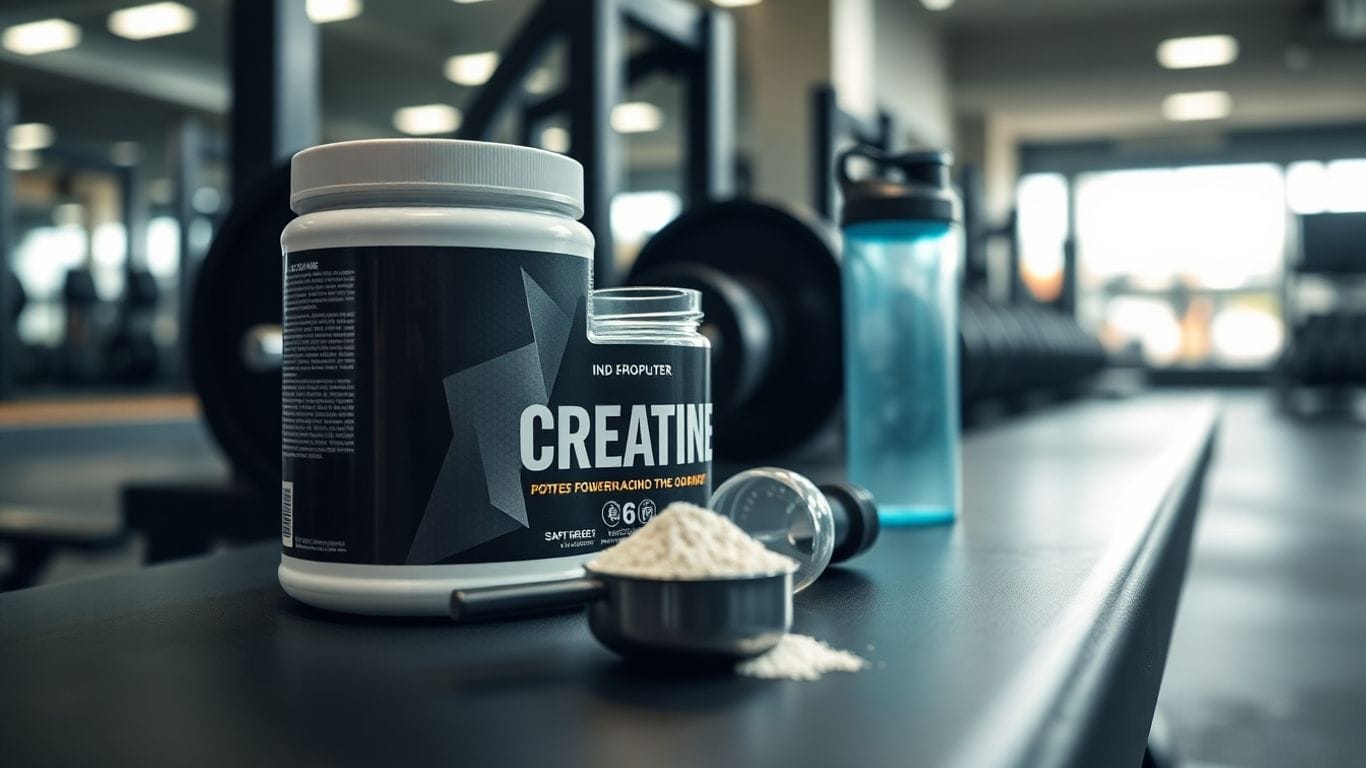
If you spend any time in the gym or scroll through fitness forums, you’ve probably heard people talking about creatine. Some folks swear by it for building muscle and getting stronger, while others aren’t so sure if it’s worth adding to their daily routine. With so much talk and a lot of opinions out there, it can be tough to know what’s actually true. So, is creatine right for you? Here’s what the experts and the latest research have to say.
Key Takeaways
- Creatine is a natural compound found in your body and in foods like red meat and fish, and it helps your muscles produce quick energy during workouts.
- Most people use creatine to boost strength and muscle growth, but there’s also some early evidence it might help with recovery and even brain function.
- People who are new to working out, or those on plant-based diets, might see the most benefit from creatine, while seasoned athletes may notice less of a difference.
- Taking creatine is generally safe for healthy adults, but it’s smart to talk to a doctor first—especially if you have kidney or liver issues.
- Consistency is more important than timing; taking creatine daily, staying hydrated, and eating a balanced diet will help you get the best results.
Understanding What Creatine Is and How It Works
When you think about popular workout supplements, creatine is probably at the top of the list. But what does it really do?
Role of Creatine in Muscle Energy Production
- Creatine is a molecule your body naturally produces and mostly stores in muscles.
- It helps recycle adenosine triphosphate (ATP), giving your muscles a quick energy boost during activities like lifting weights or sprints.
- This extra supply lets you push out more reps, sprint faster, or tackle just a bit more in each gym session. Without enough creatine, your muscles run out of gas faster.
The reason creatine is so popular is its clear, direct link to better workout performance—almost anyone aiming for better results wants that extra energy push from their muscles.
Natural Sources of Creatine in Your Diet
Creatine is not just something found in powder tubs—your everyday meals can actually contain small amounts. Here's where most of your dietary creatine comes from:
| Food | Typical Creatine (g per kg) |
|---|---|
| Beef/Red Meat | 3–5 |
| Fish/Seafood | 2–5 |
| Pork | 4–5 |
| Animal Milk | ~0.1 |
- People who eat mostly plant-based foods usually get less creatine unless they supplement or eat fortified foods.
- The body makes up for low intake by producing creatine in the liver, kidneys, and pancreas—but diet definitely matters.
How the Body Processes and Stores Creatine
- About 95% of your body’s creatine ends up stored in skeletal muscles, ready to use during activity.
- The process: you eat creatine in food (mostly meat or fish), or your body makes its own. It then travels through your bloodstream to muscles, which soak it up for later use.
- Not everyone has the same storage capacity—genetics, age, activity level, and diet all play a part.
- If muscles are already topped off (from lots of red meat or regular supplements), extra creatine just gets flushed out.
If you’re working out hard or cutting back on meat, creatine supplements (or products like Vital Aminos) could offer up that missing piece for muscle energy and repair.
For most, creatine isn’t about instant results. It’s about keeping your muscles ready for whatever challenging workout you throw at them—just a more consistent energy source, right when you need it.
Expert-Backed Benefits of Creatine Supplementation

Enhancing Strength and Muscle Mass
Creatine is probably best known in gym circles for what it can do for your muscle strength and size. When you supplement with creatine, your muscles get a boost in stored energy, letting you push out a few more reps or add a little more weight to the bar. This just doesn’t happen by magic—you still have to work while you’re in the gym, but creatine makes those efforts a bit more productive.
Common ways people notice strength and muscle gains while supplementing creatine:
- Heavier weights lifted after a few weeks of consistent use
- More muscle fullness, as creatine increases water content inside muscle cells
- Faster recovery between sets, meaning less fatigue during sessions
| Typical Result | Range | Timeline |
|---|---|---|
| Lean Mass Gain | 2–4 lbs | 4–8 weeks |
| Extra Reps/Set | 1–3 reps | 1–4 weeks |
| Strength Increase | 5–15% | 4–12 weeks |
Many notice that workouts just have more "oomph" with creatine—you’re able to work harder, and your body responds by gradually building muscle.
Creatine’s Role in Recovery and Injury Prevention
While powering through your session is great, recovery matters just as much. Creatine seems to help here too. It may:
- Reduce muscle soreness after tough workouts
- Shorten the amount of time needed between sessions
- Lower muscle cell damage markers in the blood after intense exercise
What this means in real life: You’re back in the gym sooner and feeling less beat up, which is huge for anyone who works out often. Some folks even report fewer tweaks and strains, possibly because their recovery is more complete between sessions.
Potential Cognitive and Brain Health Benefits
Now for something a little less obvious—your brain actually uses creatine, too. Studies are starting to look at how creatine could:
- Improve short-term memory and mental quickness, especially in older adults or during sleep loss
- Help protect brain cells from certain types of injury or stress
- Potentially support healthy mood and focus, though research is still young
Here’s what’s interesting: Most brain studies so far focus on older adults, but anyone who goes through periods of high mental stress or tiredness might stand to benefit.
Creatine isn’t just about bigger muscles—it might also give your mind a little more get-up-and-go when you need it most.
Who Can Benefit Most from Taking Creatine?
Creatine isn't just for bodybuilders or professional athletes—though they make up a big chunk of its users. The supplement can be helpful for a range of people, depending on their goals, fitness level, and even diet habits. Here’s a closer look at who stands to gain the most from adding creatine to their daily routine.
Individuals New to Exercise or Plant-Based Diets
If you're just getting started in the gym, or coming back from a long break, creatine could help jump-start your progress. People who haven’t been lifting or are new to structured exercise often see faster gains in muscle and strength when supplementing with creatine.
- Those who eat little or no animal products tend to have lower baseline creatine stores, so they can experience a bigger effect from supplements.
- New exercisers often notice improved workout quality and endurance for high-intensity sessions.
- Most research shows increased lean muscle mass after just a few weeks of consistent use.
Table: Who Benefits Most from Creatine
| Group | Potential Benefit |
|---|---|
| New Lifters | Faster strength & muscle gains |
| Plant-Based Eaters | Improved workout energy & recovery |
| Older Adults | Possible cognitive & muscle-sparing effects |
Potential Benefits for Women
While it used to be mostly guys taking creatine, more women are finding it useful, too. Some newer studies point to benefits beyond strength, including:
- Supporting lean muscle without excessive bulk
- Helping preserve bone density and muscle, especially for women over 40
- Possible improvement in mood and focus, especially when paired with resistance training
Women may not see quite the same muscle-building response as men, but they often gain other wellness perks.
Limitations for Endurance Athletes and Highly Trained Individuals
Creatine isn't a magic fix for everyone. If you’re already near your peak physical conditioning—say, you’re running marathons or you’ve been strength-training for years—you might not notice a huge difference. This is because:
- Highly trained muscles already have a lot of stored creatine, so there's less extra effect from supplementation.
- Endurance athletes sometimes experience water retention, which isn’t always helpful for sports that require low body weight.
- Those on high-protein diets from meat and fish may already have topped up their creatine stores.
It might be worth trying creatine if you hit a plateau, but don’t expect a miracle if you’ve been training hard and eating meat for years.
Safely Adding Creatine to Your Routine
Bringing creatine into your daily routine isn't hard, but it does help to know a few basics before getting started. Here’s what to look at before you scoop that powder into your shaker.
Recommended Dosage and Loading Phase
- For most people, three to five grams per day is a safe, effective amount.
- Some folks start with a 'loading phase'—that’s about 0.3 grams per kilogram of body weight per day for 3-5 days. After that: switch to the standard three to five grams per day.
- Skipping the loading phase is fine, too. It just means your muscles fill up with creatine a little slower.
| Phase | Dosage | Duration |
|---|---|---|
| Loading | 0.3g/kg body weight daily | 3–5 days |
| Maintenance | 3–5g daily | Ongoing |
Choosing the Right Type of Creatine Supplement
- Creatine monohydrate is the most studied and reliable type—there's no need to spring for fancy blends.
- Look for brands with third-party testing seals. That way, you’re getting what’s on the label.
- Avoid proprietary mixes filled with unnecessary extras or suspicious claims.
Importance of Consulting a Healthcare Provider
- If you have kidney or liver conditions, definitely pause and talk to your doctor before using creatine.
- Watch out if you’re on medications—your healthcare provider will know if there’s any risk.
- Even if you feel healthy, check in with a professional if you’re unsure. It’s your body; no harm in playing it safe.
Getting started with creatine doesn't have to be complicated, but double-checking with your healthcare provider can keep you out of trouble if you have any underlying health concerns or take other meds.
Timing and Consistency: When Should You Take Creatine?
Figuring out the ideal time to take creatine always seems to come up once you start thinking seriously about supplements. There’s a lot of talk at the gym—some people swear by pre-workout, others toss it down with their protein shake after lifting. But here’s what you should really know.
Pre-Workout versus Post-Workout Supplementation
There’s a slight edge to taking creatine right after your workout, mostly because your muscles are primed to soak up nutrients then. Some studies suggest that post-workout creatine might help with muscle recovery and growth a bit more than pre-workout. That said, the difference is pretty small for most people. If it fits your routine better before you hit the gym—or even in the morning—that’s fine too.
| Timing | Pros | Cons |
|---|---|---|
| Pre-workout | Easy habit to pair with other supplements; may support session energy | No strong evidence for much added benefit |
| Post-workout | Muscles more receptive to nutrients; possible recovery perk | Requires remembering after exercise |
| Anytime | Ultimate flexibility; less stress | Possible to forget if not attached to a habit |
Why Consistency Matters More Than Timing
Honestly, this might be the most important thing about creatine. Your muscles only get the full benefit when you keep them topped up with creatine, and that means taking it every day, not just on training days. Missing days? That’s what actually limits results.
A simple tip:
- Set a daily routine—pick a time you won’t forget, and stick to it.
- Use a reminder or stick a note on your blender/shaker.
- Bundle it with another daily habit, like brushing your teeth or making coffee.
Even though there’s a lot of debate over timing, being consistent with your creatine is what people see results from. The clock matters way less than not skipping doses.
How Hydration Impacts Creatine Effectiveness
Creatine pulls water into your muscles, so you’ll want to be mindful of hydration when you start supplementing. Not drinking enough could mean you don’t get all the benefits—or worse, get a headache or muscle cramps.
Here are some simple ways to stay hydrated:
- Drink a glass of water with your creatine.
- Keep a water bottle with you during workouts.
- Watch your urine color—if it’s pale yellow, you’re likely drinking enough.
Bottom line: The best creatine routine is the one you’ll stick with long-term. Focus on regular daily intake and good hydration, then tweak the timing if you feel like experimenting.
Potential Side Effects and Risks of Creatine Use
Creatine supplements are popular for their role in helping people work out harder and recover faster. But just because something is widely used doesn’t mean there aren’t things you need to look out for.
Commonly Reported Side Effects
Most people tolerate creatine well, but it’s still possible to feel some mild side effects, especially in the beginning. These might happen more often during the loading phase or if you take too much at once. Here’s what some folks notice:
- Bloating or water retention
- Stomach discomfort, cramping, or nausea
- Diarrhea, especially if your dose is high
- Some users also mention feeling a little muscle cramping
Here’s a simple table that sums up the most common mild side effects:
| Side Effect | How Common? | Notes |
|---|---|---|
| Bloating | Common | Often eases after a few days |
| Stomach Upset | Occasionally | More likely with large doses |
| Muscle Cramping | Rare | Usually mild and temporary |
| Diarrhea | Occasionally | Adjusting dose may help |
If symptoms stick around longer than a few days or disrupt your routine, scale back your dose or talk to a doctor.
Special Considerations for People with Kidney or Liver Conditions
If you have a history of kidney or liver disease, it’s especially important to check in with your healthcare provider before starting creatine. Creatine is filtered through your liver and kidneys—and while most healthy people have no problem, those with preexisting issues might be at higher risk.
- People with kidney disease should avoid creatine unless a doctor approves it
- If you have liver concerns, extra caution is needed
- Some health conditions (like diabetes or bipolar disorder) may also require a closer look
Even though extensive studies suggest creatine is safe for most healthy people, not everyone should assume it’s risk-free. Checking with your doctor can save you from unwanted surprises down the road.
Third-Party Testing and Supplement Quality
Supplements, unlike medicines, aren’t always strictly regulated. That means the quality can vary widely from brand to brand—some powders may have contaminants or not as much creatine as promised.
Here’s how to pick a safer option:
- Look for third-party testing seals on the package (examples: NSF, Informed Choice)
- Choose products that spell out their main ingredient, like creatine monohydrate
- Watch out for unnecessary fillers or additives
Some high-quality brands, like Momentous Creatine, use simple formulas with trusted ingredients and independent certification.
In short, while most people have good experiences with creatine, being careful about brand, dose, and any personal health concerns can help you get the benefits without unwanted side effects.
Creatine and Nutrition: Dietary Foundations First
When folks start thinking about supplements—including creatine—a lot of experts suggest starting with your regular diet first. The best approach is always to focus on whole foods and a balanced plate before popping any pills or scooping powders. That being said, creatine is pretty unique: you can get some through food, but not as much as you might think, especially if you’re avoiding meat or fish.
Whole Foods That Naturally Contain Creatine
Most of the creatine in our diet comes from animal-based sources. If you eat a mixed diet, you’re already getting a little in here and there. But if you eat only plants, it’s pretty much missing.
| Food | Approximate Creatine per 100g |
|---|---|
| Beef | 0.4–0.5 g |
| Pork | 0.4–0.5 g |
| Salmon | 0.4–0.7 g |
| Tuna | 0.3–0.4 g |
| Chicken | 0.3–0.4 g |
| Milk | Trace amounts |
| Beans, Legumes | Almost zero |
So, getting enough from food alone would mean eating pretty large portions of meat or fish every single day. For example, a pound of raw beef has about 2–2.5 grams of creatine.
How Diet Impacts Supplement Needs
Depending on what you eat, your need for a creatine supplement can change:
- People who regularly eat meat and fish probably have higher baseline levels of creatine in their muscles than vegetarians or vegans.
- Plant-based eaters or those with very low animal protein intake tend to have less stored creatine, and they may notice bigger effects from supplements.
- Cooking meat can actually reduce its creatine content, so you won’t get the same amount in a cooked chicken breast as you would in raw data tables.
Balancing Supplementation with a Well-Rounded Diet
If you’re thinking about creatine, these basic steps help put things in perspective:
- Check your overall nutrition—are you eating enough total protein and getting a range of nutrients?
- See if your daily diet already includes meat or fish, and how much.
- Use supplements to fill specific gaps, don’t let them replace whole foods.
Most of the time, supplements work best when you’re already eating well. Creatine isn’t magic: if your everyday meals are lacking, it can’t make up for an unbalanced diet and won’t help as much as you might hope.
The bottom line? Creatine is simple and effective for a lot of people, but it’s never a substitute for basic good eating habits. If you nail the basics first, you’re less likely to waste time or money on stuff you don’t actually need.
Conclusion
So, should you add creatine to your routine? After looking at what the experts say, it seems like creatine can be a solid choice for a lot of people who want to get more out of their workouts. It’s not a magic powder, but it does have a good amount of research behind it, especially for building strength and muscle if you’re putting in the work at the gym. The main thing is to take it regularly and not stress too much about the exact timing. But, like with any supplement, it’s smart to check in with your doctor first—especially if you have any health issues. Also, make sure you’re eating well and staying hydrated. Creatine isn’t for everyone, but for many, it could be a helpful addition to a balanced fitness plan. Just remember, it works best when you’re actually moving, not just sitting on the couch.
Frequently Asked Questions
What is creatine and what does it do?
Creatine is a natural substance found in your muscles and some foods like red meat and fish. It helps your muscles make energy during short, hard activities like lifting weights or sprinting. Your body also makes creatine on its own.
Is creatine safe to take every day?
For most healthy people, creatine is safe if you take the recommended amount. Some people might get mild side effects like stomach aches or muscle cramps. If you have kidney or liver problems, talk to your doctor before using creatine.
Who might benefit the most from taking creatine?
People who are new to working out, follow a plant-based diet, or don’t get much protein from food might see the biggest benefits. Creatine can help them get stronger and build muscle faster. Some research also shows it might help women and support brain health.
When is the best time to take creatine?
Experts say the most important thing is to take creatine every day, not just before or after your workout. Some studies suggest taking it after exercise could be a little better, but being consistent matters more than timing.
Can creatine help with brain health or thinking skills?
There is new research showing creatine might help with memory and thinking, especially in people who don’t eat much meat. But scientists are still learning about these effects, so more studies are needed.
What should I look for when buying creatine supplements?
Choose creatine monohydrate, as it’s the most studied and proven type. Pick brands that are tested by third-party labs to make sure they are safe and contain what the label says. Always check with a doctor if you’re unsure or take other medicines.