
Berberine has been popping up everywhere lately—from health blogs to supplement shelves at the pharmacy. People say it can help with everything from blood sugar to weight loss. But before you grab a bottle, it’s smart to look at what this compound actually does and what the experts think. Is berberine worth adding to your daily routine, or is it just another health trend? Let’s break down the facts in plain language so you can make an informed decision.
Key Takeaways
- Berberine is a plant-based compound used in traditional medicine, now studied for its effects on blood sugar, metabolism, and heart health.
- Research suggests berberine can help lower blood sugar and support modest weight loss, but results may take several months and aren’t as strong as prescription medications like metformin.
- Some people experience digestive issues like gas, diarrhea, or constipation when starting berberine, but these often improve over time.
- Berberine can interact with certain medications and isn’t recommended for everyone, especially those who are pregnant, breastfeeding, or under 18.
- Experts recommend talking to your healthcare provider before starting berberine, starting with a low dose, and monitoring how your body responds.
Understanding What Berberine Is
Natural Sources of Berberine
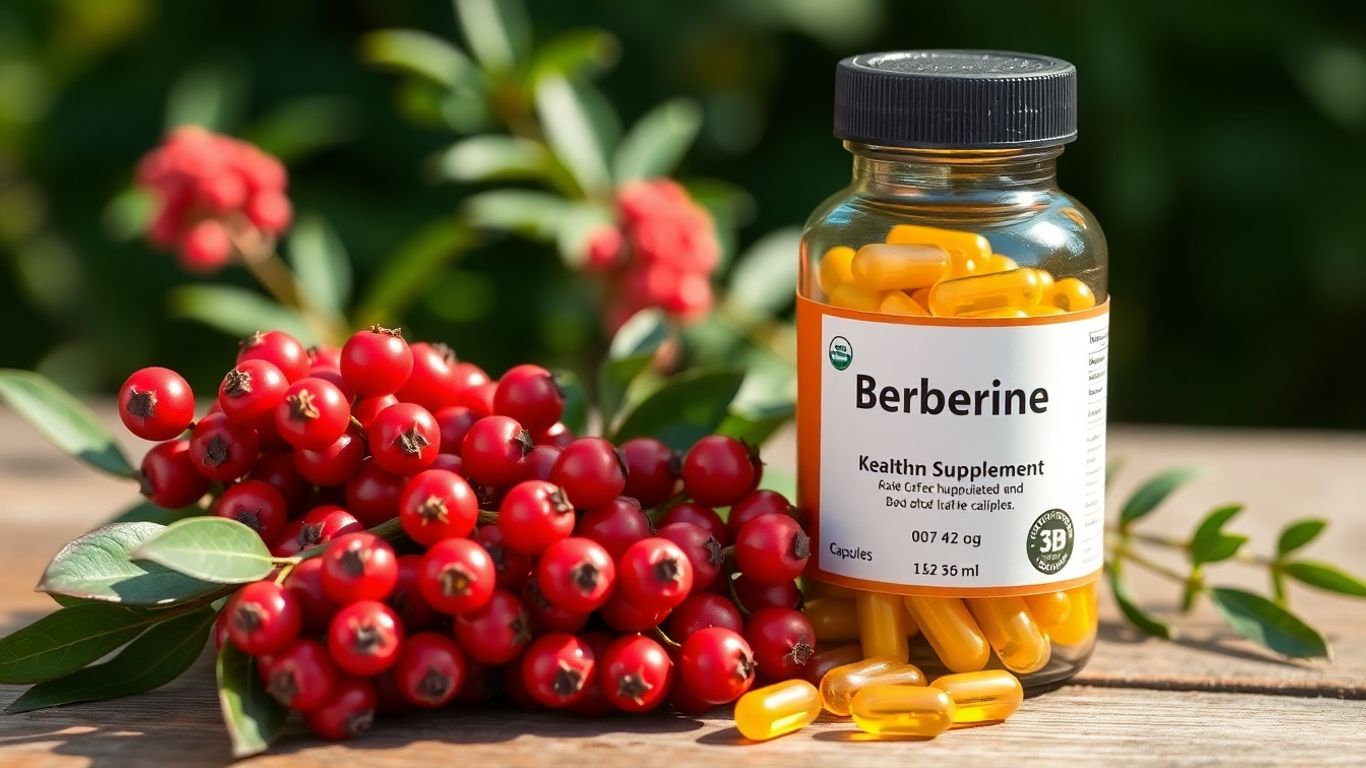
Berberine is a plant compound you’ll find in several different roots, barks, and stems. The most common natural sources include barberry, Oregon grape, goldenseal, and tree turmeric. Here’s a quick overview:
| Plant Name | Part Used | Berberine Content (approx.) |
|---|---|---|
| Barberry | Bark, Roots | High |
| Goldenseal | Roots, Rhizomes | Moderate |
| Oregon Grape | Root | High |
| Tree Turmeric | Stem, Bark | Moderate |
- Many of these plants are pretty bitter in flavor and distinctly yellow.
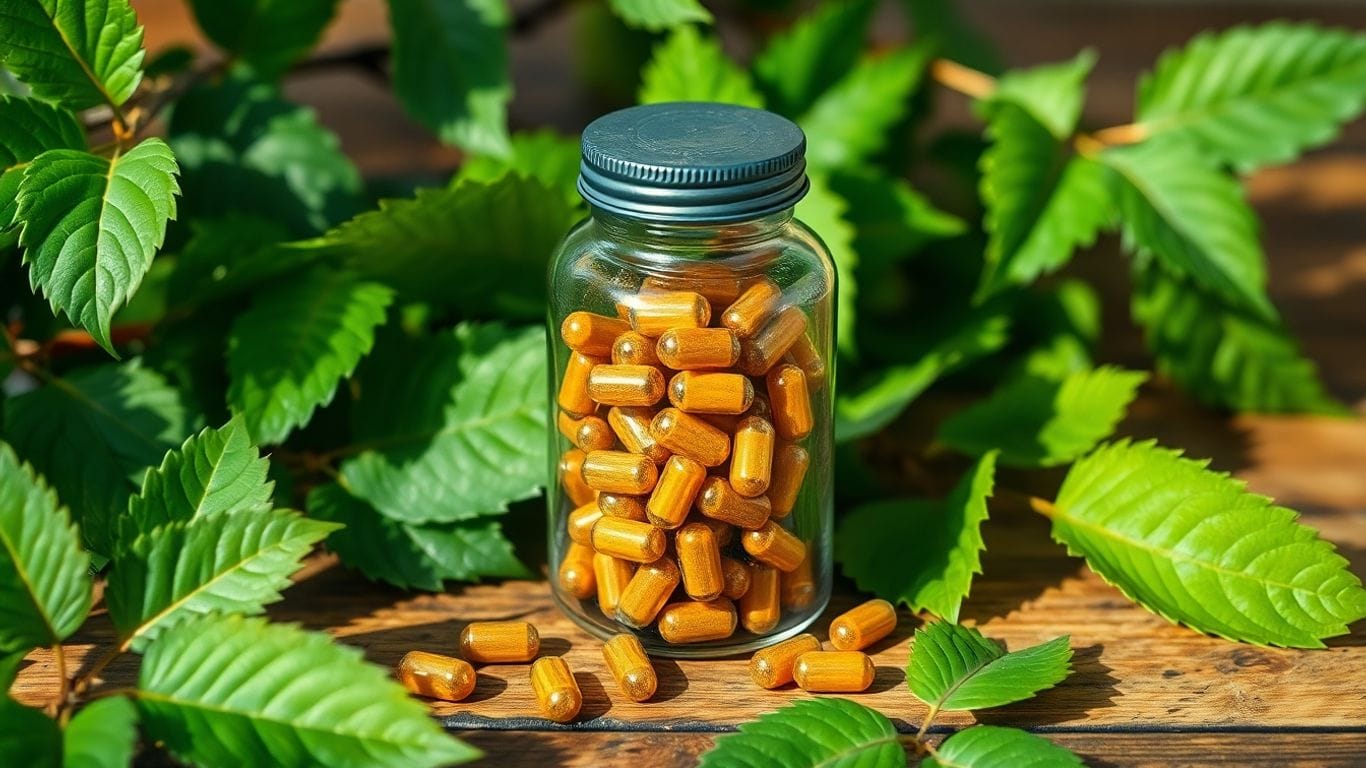
- Berberine used in supplements is usually extracted from these plants, available as capsules or powders.
- In nature, the presence of berberine gives these plants their signature color and taste.
Historical Uses in Medicine
Traditional systems of medicine recognized the effects of berberine long before any modern research existed.
- Chinese medicine practitioners have used berberine rich roots for thousands of years.
- It’s featured in Ayurveda and traditional Iranian medicine as well.
- People used it to try to address:
- Gut infections and diarrhea
- Wounds and skin irritations
- Fever or inflammation
- Berberine-rich teas and tinctures were common for both minor and chronic complaints.
For centuries, healers reached for berberine-containing plants hoping to tackle infections and boost recovery, even though the exact chemistry was unknown to them.
How Berberine Works in the Body
Modern studies are starting to explain why traditional healers thought berberine was special. When you take berberine, here’s what scientists believe is happening:
- It activates an enzyme called AMPK, which helps your body manage energy use. Some call AMPK the “metabolic switch.”
- By flipping this "switch," berberine may help improve how your cells handle blood sugar, burn fat, and store energy.
- It also changes certain molecules and even how some genes are turned on and off.
- There’s evidence it can slow the breakdown of carbohydrates in your gut, which might lead to steadier blood sugar.
In short, berberine helps different systems in the body communicate a little better, potentially supporting healthier blood sugar, metabolism, and cholesterol—though there’s a lot we still don’t know.
Berberine’s Impact on Blood Sugar and Metabolism
Taking berberine daily has generated a lot of interest for people looking to support blood sugar and overall metabolism. The way it works might be a bit different than prescription drugs, so knowing what to expect is important.
Mechanisms for Blood Sugar Regulation
Berberine acts through several unique pathways in the body:
- Makes cells more responsive to insulin, which allows sugar to move from your blood into your tissues more effectively
- Slows down how quickly carbohydrates are digested in the gut, keeping blood sugar from spiking
- Reduces sugar production in the liver
- Helps promote healthier gut bacteria
On average, berberine drops fasting blood sugar and HbA1c by a modest but meaningful amount. So if you’re aiming to get your numbers under control, it can be a good supporting tool.
Some folks notice more stable energy levels and fewer sugar crashes after using berberine for a few weeks, especially if their diet isn’t always perfect.
Comparison with Medications Like Metformin
Berberine works a bit like metformin, a common prescription for those with type 2 diabetes. But results show it might not be quite as strong:
| Average A1C Reduction | How Fast Results Appear | |
|---|---|---|
| Metformin | 1.1% | Within several weeks |
| Berberine | 0.5%–0.7% | After 3–6 months |
Some things to keep in mind:
- Metformin usually brings down blood sugar faster and to a greater degree
- Berberine may pair well with other dietary changes but shouldn’t replace prescription meds unless your doctor agrees
- You’ll likely need to stick with berberine for a few months to see the full benefit (blood sugar and metabolism)
Effects on Insulin Sensitivity
One reason berberine looks promising is its ability to improve how the body responds to insulin:
- Increases glucose uptake into muscles and other tissues
- Activates an enzyme called AMPK (the so-called “metabolic switch”), leading to better energy use
- Helps prevent new fat buildup and inflammation tied to poor blood sugar control
If you’re struggling with insulin resistance, it can help, but it’s not a miracle fix. Eating a balanced diet, staying active, and checking your blood sugar are still important.
The bottom line: berberine could be a gentle nudge in the right direction for your metabolism, especially if you aren’t ready to jump straight to prescription drugs—but it’s not a shortcut or a cure-all.
Berberine for Weight Loss: What the Research Shows
How Berberine Supports Fat Loss
Berberine has caught people’s attention for helping with fat loss, mostly because of how it changes how your body uses energy. It seems to impact several pathways that control the way your body stores and burns fat. Here are the main ways berberine may help:
- Improves the body’s response to insulin, which can help slow down fat storage
- Encourages your cells to use stored fat for energy
- May curb appetite slightly, though not as much as prescription weight loss drugs
While it’s not a miracle pill, berberine can support steady fat loss when paired with a balanced diet and regular activity.
The Role of AMPK Activation
A big reason berberine gets so much buzz is its effect on the enzyme called AMPK, sometimes nicknamed the body’s “metabolic switch.” By turning on AMPK, berberine can help the body shift from storing fuel to burning more fat. This effect is similar, but weaker, compared to some diabetes medications like metformin.
Here’s what AMPK activation may do:
- Ramp up your body’s ability to burn fat
- Help control blood sugar levels
- Reduce the amount of new fat that the body makes
So, while activating AMPK is a big deal for metabolism, berberine isn’t as strong as prescription meds. It’s more of a gentle nudge than a full push.
Limits and Realistic Expectations
Even if the research looks promising, berberine has some real limits. If you’re expecting rapid or dramatic weight loss, you might end up disappointed. Most studies report only mild changes.
| Supplement | Average Weight Loss (12-16 weeks) |
|---|---|
| Berberine | 2-5 pounds |
| Lifestyle changes alone | 1-4 pounds |
| Prescription medications | 8-15 pounds |
Keep in mind:
- Results vary based on diet, exercise, and overall lifestyle
- Effects take several months to show up
- Berberine isn’t FDA-approved for weight loss—so don’t use it as your only strategy
If you use berberine, set realistic goals and consider it one part of an overall healthy routine, not a shortcut to major weight changes.
Cardiovascular and Other Potential Health Benefits of Berberine
Cholesterol and Triglyceride Management
Berberine’s role in improving cholesterol numbers keeps popping up in studies. While not as powerful as prescription statins, it still manages to cut total cholesterol, LDL (the so-called "bad" cholesterol), and triglycerides for many people. Interestingly, berberine can also give HDL ("good" cholesterol) a minor bump. The exact impact varies depending on the individual, their diet, and if they're making other lifestyle changes at the same time.
Here's a quick look at numbers gathered from some research:
| Marker | Typical Reduction with Berberine |
|---|---|
| Total Cholesterol | 10–15% |
| LDL Cholesterol | 10–20% |
| Triglycerides | 15–25% |
| HDL Cholesterol | Slight Increase |
Big wins? Maybe not, but even small improvements can matter if your numbers are edging into unhealthy territory.
Heart Health Effects
Berberine may nudge several heart disease risk factors in the right direction.
- Reduces LDL and triglycerides, which can build up in arteries
- May improve circulation and support healthier blood vessel function
- Could help with mild blood pressure drops, but not enough to replace blood pressure meds
- May lower apolipoprotein B, a less talked-about but important risk marker
If you already take medication for your heart or blood pressure, berberine isn’t going to replace those. But for folks unable to tolerate statins or looking for an extra boost, it might play a supporting role.
There’s a lot of buzz around berberine in heart health circles, but it’s best seen as a helper—not a substitute for well-tested treatments or a green light to skip lifestyle changes.
Emerging Areas: Liver, Cancer, and Inflammation
Researchers are looking into how berberine might help in other areas, but most of this evidence comes from lab or small animal studies. Here are a few leads:
- Liver Health: There are early hints it could reduce fat buildup in the liver, offering possible relief for people with fatty liver disease.
- Cancer: Test tube and animal studies suggest it might slow the growth of certain types of cancer cells, but this hasn’t been proven in humans yet.
- Inflammation: Some studies find berberine has anti-inflammatory effects, which could matter for those with ongoing health issues tied to inflammation.
If your main health struggles are cholesterol, insulin resistance, or mild fatty liver, berberine could potentially bring some support, but don’t expect miracles for conditions like cancer or advanced liver problems. Research is still unfolding.
Possible Side Effects and Who Should Avoid Berberine
If you're thinking about adding berberine to your supplement lineup, it's not something you want to do without knowing how it could affect you. Some people do fine with it, but others run into problems. Here's what you really need to know — not just the good stuff.
Common Digestive Issues to Expect
Several people notice digestive side effects when they start taking berberine. It's almost a running joke among regular users: the first week can be rough on your stomach.
- Gas and bloating
- Nausea or mild stomach pain
- Constipation
- Diarrhea
Most of these symptoms ease up once your body gets used to the supplement, but the first few days can be uncomfortable.
| Possible Issue | How Often It Happens | Is It Serious? |
|---|---|---|
| Gas/Bloating | Common | Not usually |
| Nausea | Sometimes | Mild |
| Diarrhea | Sometimes | Mild |
| Constipation | Sometimes | Mild |
A lot of folks describe the adjustment period as a "reset" for their gut, but if side effects linger or get worse, it's smarter to stop and talk to your doctor.
Drug Interactions and Safety Concerns
Berberine doesn’t play well with every medication. The supplement can boost the effects of drugs that lower blood sugar or blood pressure, sometimes sending those numbers too low. It can also interact with a range of other medications, like statins or blood thinners.
Some drugs to watch out for:
- Diabetes meds (like insulin, metformin)
- Blood thinners (such as warfarin)
- Blood pressure medications
- Certain antibiotics and immunosuppressants (like cyclosporine)
If you're on any regular prescription drugs, checking in with your healthcare provider before using berberine is a must.
Special Considerations for Certain Groups
There are certain people who should avoid berberine, plain and simple. Here’s who needs to sit this one out:
- Pregnant or breastfeeding women: There's not enough research on safety, and some evidence suggests possible risk to the baby.
- Children under 18: No solid data for kids.
- Anyone with serious liver or kidney disease: Berberine can put extra stress on these organs.
And if you’re planning to have surgery, make sure to mention berberine to your doctor, because it might mess with anesthesia or bleeding risk.
When in doubt, err on the side of caution—berberine isn't for everyone, even if it seems harmless and natural.
How Experts Recommend Taking Berberine
When it comes to adding a new supplement like berberine to your routine, advice from professionals can make a big difference. There's a right way to use it, and if you get the details wrong you might not see any real benefit—or worse, you could run into trouble. Here's what doctors and nutritionists usually suggest.
Typical Dosage and Timing
Most experts recommend taking berberine in divided doses throughout the day, instead of all at once. The sweet spot seems to be 1,000 to 1,500 mg daily, but it's rarely just one big pill—breaking it up keeps blood levels steady and reduces side effects.
| Dosage Per Serving | How Often Per Day | Total Daily Amount |
|---|---|---|
| 500 mg | 2-3 times | 1,000–1,500 mg |
A few things to remember:
- Take berberine 30 minutes before meals, not with food.
- Try to stick to morning and afternoon doses. Avoid late evening, since it might mess with your sleep.
- Always start with a lower dose (like 500 mg daily) if you're new, then gradually increase as your body adjusts.
Best Formulations and Sources
You’ll find berberine in a bunch of different forms—capsules are most common, but there are also powders, gummies, and liquids. Here’s what experts tend to recommend:
- Capsules are the easiest to dose accurately.
- Look for products labeled "berberine HCl" for consistent absorption.
- Only buy from reputable brands tested by third-party labs for quality and purity.
Guidelines for Long-Term Use
Berberine isn't like taking a one-off painkiller for a headache; it’s more of a long-game kind of thing. But it’s not for everyone, and there are some rules:
- Take breaks: Some pros suggest cycling off after 8 to 12 weeks to see how you feel without it.
- Listen to your body: If you start having digestive issues that don’t go away, it's time to pause or stop.
- Don’t mix with certain meds: Berberine can interact with drugs for blood sugar, blood pressure, and immune suppression.
If you’re thinking about trying berberine, don’t just order a bottle online and hope for the best. Talk it through with your doctor, especially if you have any chronic health issues or take prescription meds. It’s just not worth risking a bad reaction—even if the supplement seems harmless.
Deciding If Berberine Fits Into Your Wellness Routine
Making a decision about adding berberine to your daily life can feel a bit overwhelming, especially when there’s so much buzz. It’s not a one-size-fits-all supplement, and your unique health needs matter most.
Consulting Your Healthcare Provider
Before you add berberine to your day, talk with your healthcare provider first. Here’s how to get the most out of that chat:
- Make a list of any medications you already take, especially for blood sugar, cholesterol, or blood thinners
- Be ready to discuss your current health goals (weight loss, blood sugar management, etc.)
- Ask about potential side effects and interactions unique to you
- Share any recent lab results if you want to track changes while using berberine
Your provider can help decide if berberine is safe for you, or if something else might be a better fit.
Assessing Risks Versus Benefits
Figuring out whether berberine is worth it involves weighing several factors. Check out this summary table:
| Benefit | Potential Risk | Who Might Benefit Most |
|---|---|---|
| Better blood sugar levels | Digestive upset (nausea, gas) | People with prediabetes |
| Cholesterol support | Medication interactions | Those with mild cholesterol issues |
| Weight management | Uncertain long-term effects | Adults working on weight |
Ask yourself these questions:
- Am I willing to deal with mild stomach issues if they come up?
- Do I mind taking pills several times a day?
- If I have to stop or switch, what signs should I look for?
Sometimes, benefits aren’t obvious right away, and patience is important. Keep in close touch with your doctor and adjust as you go.
Monitoring Your Body’s Response
Once you start berberine:
- Track your symptoms and note any changes in digestion, sleep, or mood.
- Keep an eye on your blood sugar, cholesterol, and weight, especially if those are your goals.
- Write down any side effects or new symptoms, even if they seem small.
- Schedule regular check-ins with your provider for labwork and progress updates.
If you notice side effects or no benefit after a few months, it’s totally okay to stop—sometimes a supplement just isn’t the right fit. And always remember: your well-being comes first, not trends or quick fixes.
Conclusion
So, should you add berberine to your routine? Honestly, it depends on your situation. Berberine has some promising research behind it, especially for blood sugar control and maybe a little help with weight loss. But it’s not a miracle fix, and it’s definitely not a replacement for prescription meds like metformin or GLP-1s. Most people who try it don’t have major side effects, but some do get stomach issues like gas or diarrhea. If you’re already taking medication, especially for blood sugar or cholesterol, you really need to check with your doctor first—berberine can interact with a bunch of drugs. At the end of the day, berberine could be a helpful tool for some folks, but it’s not for everyone. If you’re curious, talk it over with your healthcare provider and see if it makes sense for you. And remember, no supplement is going to do all the work—healthy habits still matter most.
Frequently Asked Questions
What is berberine and where does it come from?
Berberine is a natural compound found in several plants, such as barberry and Oregon grape. It has been used in traditional medicine for many years to help with different health problems.
Can berberine really help with weight loss?
Some studies show that berberine may help the body burn fat more efficiently and support weight loss, but it is not a magic solution. Weight loss is best achieved with a healthy diet and regular exercise.
How does berberine affect blood sugar?
Berberine can help lower blood sugar by making the body respond better to insulin and slowing down how quickly sugars are broken down in the gut. This makes it helpful for people with high blood sugar or type 2 diabetes.
Are there any side effects to taking berberine?
Most people who take berberine might notice some stomach problems, like diarrhea, constipation, or gas. These usually go away as your body gets used to it. Rarely, it can cause more serious issues, so always check with your doctor first.
Who should not use berberine?
Berberine is not recommended for children, pregnant or breastfeeding women. People who take certain medicines, especially for diabetes, blood pressure, or blood thinning, should talk to a doctor before using it since it can interact with these drugs.
How much berberine should I take and when?
A common dose is 500 mg, taken two or three times a day before meals. It’s best to start with a lower dose and see how your body reacts. Always follow your doctor’s advice and do not take more than recommended.