Oxidative stress markers are getting a lot of attention lately in supplement research. It seems like every week there’s a new study looking at how these markers shift when people take different vitamins, antioxidants, or even new delivery systems. The idea is to figure out if these supplements actually help balance out the wear and tear our bodies go through from things like pollution, stress, or just normal metabolism. But with all these new tools and measurements, it can get confusing fast. Let’s break down what’s really going on with oxidative stress markers in supplement research and what the latest human trials are showing.
Key Takeaways
- Oxidative stress happens when the body can’t keep up with the amount of reactive oxygen species (ROS) being produced, leading to cell and tissue damage.
- Scientists use markers like MDA, F2-isoprostanes, protein carbonyls, and 8-OHdG to track oxidative stress in the body, especially in supplement studies.
- Supplements such as vitamin E, polyphenols, and flavonoids can change these oxidative stress markers, but results vary depending on the person and the condition being studied.
- New methods, including advanced imaging and multi-omics, are making it easier to spot changes in oxidative stress from both supplements and diseases.
- There’s still a lot of debate over which markers are best and how to measure them, so results from supplement research should be viewed with some caution.
Fundamental Mechanisms Underlying Oxidative Stress in Human Health
Redox Homeostasis and Reactive Oxygen Species Generation
Living cells are always walking a line between creating and clearing reactive oxygen species (ROS). These molecules are often just a normal part of metabolism—think of breathing and making energy—but when production outpaces removal, things tip out of balance. Redox homeostasis is how cells regulate this balance, relying on both enzymatic and non-enzymatic systems to neutralize excess ROS. Here’s a quick look at how ROS are produced:
- Mitochondrial respiration: By-products form as cells turn nutrients into energy.
- Enzymatic reactions: Processes involving enzymes like NADPH oxidases can generate ROS.
- External inputs: Radiation, pollution, and some drugs can also bump up ROS levels.
| Source of ROS | Main Type Produced | Typical Trigger |
|---|---|---|
| Mitochondria | Superoxide | Normal metabolism |
| NADPH oxidase | Superoxide | Immune response |
| Environmental Factors | Multiple | UV, Pollution |
The entire story of oxidative stress starts with how these free radicals build up and how well your body handles them.
Signaling Roles of Oxidative Stress in Physiology
It’s not all bad news: a certain amount of oxidative stress is actually helpful. Low levels of ROS work like messengers, helping to control cell growth, regulate inflammation, and even signal cell death at the right time. This delicate signaling is essential for things like:
- Directing immune cells to infection sites
- Regulating cell division and repair
- Triggering protective stress responses
But there’s a catch: when ROS escape normal limits, these signals become scrambled, potentially damaging DNA, proteins, and cell membranes.
Environmental and Metabolic Triggers of Redox Imbalance
Most people think of pollution or sun exposure as big causes of oxidative stress, but normal life plays a bigger role than you might guess. Here’s what can send redox balance sideways:
- Diet and overnutrition: High sugar or fat intake can boost ROS formation.
- Chronic diseases: Diabetes, obesity, and other metabolic issues stress out the antioxidant system.
- External stressors: UV rays, smog, heavy metals, and even physical injury push ROS levels higher.
There’s also the impact of aging, since natural antioxidant defenses tend to fade over time, making older adults more vulnerable.
Even healthy lifestyles can’t totally shield you; daily routines, environment, and the slow tick of aging all shape redox balance.
Key Oxidative Stress Markers in Supplement Research
It's easy to get lost in all the lab jargon when talking about oxidative stress, but there are a few main markers that pop up consistently in supplement research. These markers tell us what’s happening to our fats, proteins, and even DNA when exposed to stress or when people start taking antioxidants. Here’s how researchers track this stuff.
Lipid Peroxidation Biomarkers: MDA and F2-Isoprostanes
Lipids, or fats, can get damaged by free radicals, creating things like MDA (malondialdehyde) and F2-isoprostanes. Both are widely used to detect oxidative stress in studies about supplements.
Main Points:
- MDA is often measured by the TBARS assay, but this test isn’t perfect—false positives happen.
- F2-isoprostanes are considered more precise and reliable for showing real fat damage.
- Researchers prefer F2-isoprostanes in clinical trials because they provide a clearer picture of what’s going on.
| Biomarker | Sample Types | Pros | Cons |
|---|---|---|---|
| MDA (Malondialdehyde) | Plasma, serum, urine | Easy, low cost | Low specificity |
| F2-Isoprostanes | Plasma, urine | High specificity, reliable | Costlier, complex assay |
Sometimes, the way we measure these markers can be trickier than the biology itself, adding extra challenges to supplement research.
Protein and DNA Oxidation Markers: Protein Carbonyls and 8-OHdG
It’s not just fats that get roughed up—proteins and DNA are targets, too. Two standouts here are protein carbonyls and 8-hydroxy-2’-deoxyguanosine (8-OHdG).
- Protein carbonyls suggest that proteins have faced attack by oxidative forces.
- 8-OHdG is a dead giveaway that DNA is under oxidative pressure and is especially studied in chronic and age-related conditions.
- These markers end up in blood or urine, making them handy for noninvasive testing.
Why researchers use these markers:
- They can pick up early signs of chronic disease development.
- Many supplements claim to lower these—tracking changes shows if anything is really happening.
- They are linked directly to cellular damage, not just a general “stress” state.
Advancements in Multi-Omics and Imaging-Based Detection
Tracking oxidative stress is moving beyond single markers. Modern methods combine several types of biological info for a detailed view.
- Multi-omics (like combining genomics, metabolomics, and proteomics) gives a bigger, more accurate picture instead of guessing from a single biomarker.
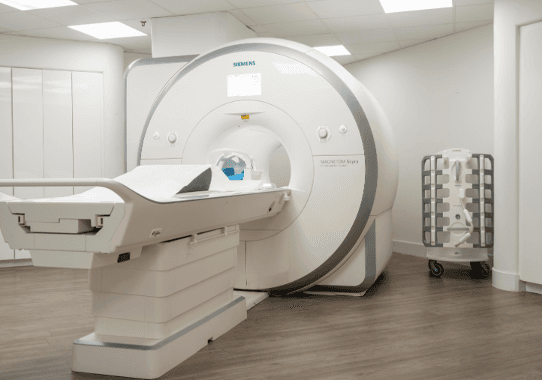
- Imaging techniques, especially MRI with special probes, provide real-time, noninvasive data about oxidative changes in tissues.
- These advances help researchers catch subtle changes early and personalize supplement interventions.
The shift toward multi-omics and imaging lets scientists see not just the damage, but the entire web of changes connected to oxidative stress.
Antioxidant Supplementation and Modulation of Oxidative Stress Markers
Supplements today promise all sorts of benefits when it comes to controlling oxidative stress, but do they actually change those pesky biomarker levels in the body? This section sorts through the tangle, explaining what happens when people add antioxidants like vitamin E, plant flavonoids, or popular exogenous supplements to their routine, both in theory and in practice.
Role of Vitamin E and Tocopherols in Redox Balance
Vitamin E—think tocopherols and tocotrienols—is one of the heavy hitters among dietary antioxidants. It's known for protecting cell membranes from oxidation, but its impact goes far beyond just shielding fats. Most vitamin E in the human body comes from diet, with supplements aiming to boost blood levels in people with low intake. In studies, supplementation sometimes lowers levels of malondialdehyde (MDA) and reduces protein oxidation, though the results are pretty inconsistent depending on the population and dosage.
Main areas where Vitamin E supplementation appears helpful:
- Correction of vitamin E deficiency (very rare in modern diets but possible in specific conditions)
- Potential reduction in certain markers like MDA in diabetes or cardiovascular risk
- Reducing lipid peroxidation in at-risk groups (e.g., elderly, smokers)
| Group | Vitamin E Dose (IU/d) | Change in MDA (%) | Change in 8-OHdG (%) |
|---|---|---|---|
| Healthy adults | 200 | -3 | 0 |
| Type 2 Diabetes | 400 | -22 | -8 |
| Smokers | 800 | -15 | -2 |
Some research shows pretty steep drops in oxidative markers with high-dose vitamin E, especially in people with already high oxidative stress, but not everyone gets the same benefit.
Impact of Polyphenols and Flavonoids on Cellular Oxidative Stress
This is the stuff you find in berries, tea, cocoa, and even some supplements. Polyphenols act as direct antioxidants and also switch on our own cell defense systems. Unlike vitamin E, their effects rely on how they're broken down by our gut and how much actually gets into the blood.
Key points about polyphenols and flavonoids:
- They sometimes lower markers like F2-isoprostanes and 8-OHdG in humans.
- Not every polyphenol works the same—quercetin might help with DNA damage, but resveratrol could have more effect on lipid peroxidation.
- Studies measuring both blood and urine markers often show better results in people under moderate oxidative stress (like obesity or metabolic syndrome).
Comparative Efficacy of Endogenous and Exogenous Antioxidants
Here's where it gets tricky. Our bodies already make antioxidants—like SOD (superoxide dismutase), catalase, and glutathione peroxidase—to keep things in balance. Most supplements target different parts of this system.
Comparing both types:
- Endogenous antioxidants tend to act quickly and right where they're needed, but their levels can be hard to change with supplements (except in cases of deficiency).
- Exogenous antioxidants (like vitamin E, vitamin C, or flavonoids) can boost total antioxidant capacity but sometimes miss the main source of the problem—a bit like patching a leaking pipe instead of fixing the source.
- Some people respond better to one approach than another, and combining both doesn’t always give better results.
| Antioxidant Source | Site of Action | Typical Effect on Biomarkers |
|---|---|---|
| Endogenous (e.g., SOD) | Inside cells/mitochondria | May decrease superoxide/limited 8-OHdG |
| Exogenous (vitamin C/E) | Plasma, cell membranes | Moderate drop in MDA, weak effect on SOD |
| Flavonoids/Polyphenols | Gut, circulation | Small changes in F2-isoprostanes, variable |
In the end, proper antioxidant strategies depend on individual needs and underlying health issues. Populations with chronic illnesses or micronutrient deficiencies might truly benefit, while healthy people generally see little measurable change in oxidative stress markers after supplementation.
Clinical Evidence from Human Trials on Dietary Supplements

Randomized controlled trials are commonly used to figure out how supplements affect oxidative stress markers in people. Many results are a toss-up, especially when you look at things like the dosage, the type of supplement, and who is taking it. Here’s a breakdown of what’s out there so far:
Supplementation Outcomes in Diabetes and Cardiovascular Disorders
Supplements like vitamin E, C, selenium, and polyphenols have all been tested in folks with diabetes and heart problems. Some trials report lower oxidative stress markers—like malondialdehyde (MDA) and 8-OHdG—after short or long-term supplementation. Others show little or no effect, making it a mixed picture.
| Supplement | Duration | Population | Key Oxidative Stress Marker | Reported Outcome |
|---|---|---|---|---|
| Vitamin E (400–800 IU/d) | 12–24 weeks | Type 2 Diabetes | MDA, 8-OHdG | ↓ MDA, mixed 8-OHdG |
| Polyphenols (green tea, berries) | 4–16 weeks | Hypertensive, Obese | F2-Isoprostanes | Slight ↓ |
| Selenium (200 mcg/d) | 8–12 weeks | Cardiovascular Disease | GSH, protein carbonyls | Neutral to slight ↑ |
- The effect of supplements varies a lot between metabolic conditions
- Duration and dose matter—short studies usually show less effect
- There’s no one-size-fits-all answer for reducing oxidative stress in these conditions
Effects of Mitochondria-Targeted Antioxidants on Disease Progression
Mitochondria-targeted compounds like MitoQ and SkQ1 have popped up in a few human studies. Early trials have measured changes in oxidative stress markers, inflammation, and even physical function.
- MitoQ: Some evidence points to lower F2-isoprostanes in plasma and improved endothelial function in patients with atherosclerosis
- SkQ1: Still being tested, but early data in age-related diseases is promising for slowing oxidative damage
- Most trials are small—many with less than 50 participants
Even where mitochondria-targeted antioxidants show promise, longer and larger trials are needed to understand real-world benefits or risks.
Stratifying Patient Responses in Clinical Oxidative Stress Trials
Not everyone responds to supplements the same way. Some trials have started sorting out how factors like genetic background, diet, and baseline oxidative stress change the results.
Here are a few things that change supplement outcome:
- Genetic differences in antioxidant enzymes
- Pre-existing health status (e.g., smokers vs. non-smokers, diabetic vs. non-diabetic)
- Other medications or dietary habits
Researchers are now using subgroup analyses and personalized metrics to dig deeper. This means the next decade of trials might finally answer some long-standing questions about who really benefits from supplements designed to fight oxidative stress.
Innovative Strategies to Target Oxidative Stress: Nanotechnology and Gene Delivery
Nanotechnology is making it possible to overcome some of the old hurdles of antioxidant treatment. With regular supplements, antioxidants often will not reach the cells or areas where damage is happening. Encapsulating antioxidants in nanoparticles helps get them across cell membranes and keep them working for longer periods. For example:
- Nanoparticles made from substances like PLGA (poly-lactic-co-glycolic acid) can hold and protect enzymes such as catalase or superoxide dismutase (SOD).
- Some nanoparticles are designed to slowly release their antioxidant contents, so cells get a steady supply rather than a quick burst.
- Researchers have even combined nanoparticles with cell-targeting tags to head straight for inflammation or tissue injury spots.
| Nanoparticle Material | Encapsulated Antioxidant | Release Profile | Notable Benefit |
|---|---|---|---|
| PLGA | Catalase | Sustained (weeks) | Protects neurons long-term |
| Human serum albumin | SOD gene, sulforaphane | Immediate + sustained | Improves cell antioxidant defenses |
| Lipid-based | Sulforaphane | Controlled | Targets vascular tissue |
Nanoparticle strategies let researchers combine multiple antioxidants or pair them with anti-inflammatory or gene therapies in ways regular capsules or tablets simply cannot.
Gene and Enzyme Therapies to Boost Antioxidant Capacity
Instead of just adding antioxidants through pills, gene delivery approaches try to increase the body’s own antioxidant machinery. This can mean:
- Delivering the genetic code for key antioxidant enzymes (like SOD, catalase, or glutathione peroxidase) using viral vectors or nanoparticles.
- Using designer carriers (AAV, or adeno-associated viruses) to make sure the enzyme genes reach the right organ, like the heart or liver.
- Pairing gene delivery with drugs (like Nrf2 activators) to turn up the cell’s whole defense system.
Some trials in animals show that this method can reduce inflammation, control reactive oxygen damage, and even help recovery after injury. Researchers continue to fine-tune these techniques for safe use in humans; the target is specific delivery without unwanted immune system reactions.
Mitochondrial-Targeted Approaches for Precise ROS Neutralization
Cells make lots of their reactive oxygen species (ROS) in the mitochondria. Regular antioxidants often can’t reach the inside of these power plants, which is why mitochondrial targeting is a hot topic. Popular strategies now include:
- Using small molecules (like MitoQ) that are designed to cross mitochondrial membranes
- Packing antioxidants inside lipid or polymer nanoparticles designed to home in on mitochondria
- Combining these with gene approaches for a double-hit effect
List of current mitochondrial-targeting tools:
- Modified antioxidants (e.g., MitoQ)
- Lipid nanoparticles with mitochondrial signals
- Dual-delivery systems combining genes, enzymes, and antioxidants
Getting antioxidants directly into mitochondria is a promising way to tackle diseases tied to high ROS, like neurodegeneration or metabolic syndrome.
Disease-Specific Insights: Oxidative Stress Markers Across Pathologies
Oxidative stress isn't just a vague concept—it actually looks different in each health problem, and the markers researchers measure can tell us a lot about what’s happening inside the body. Different diseases mess with the body’s redox balance in unique ways, so it's important to know what each marker might really mean based on the health issue at hand.
Oxidative Stress in Neurological and Cardiometabolic Diseases
In brain and heart diseases, oxidative stress markers often go up before obvious symptoms appear. In conditions like Alzheimer’s or Parkinson’s, things like 8-OHdG (which shows DNA has been hit by oxidative damage) show up more in the early stages. For heart problems—think high blood pressure, atherosclerosis, or heart failure—lipid peroxidation markers like MDA and F2-isoprostanes frequently rise. That tells scientists there’s more cell membrane damage and inflammation brewing beneath the surface.
Common Biomarkers in Neurological vs. Cardiometabolic Disorders
| Disease Group | Key Biomarkers | Risk or Progression Signal |
|---|---|---|
| Neurological (e.g. AD) | 8-OHdG, Protein Carbonyls | Early neuron damage |
| Cardiometabolic | MDA, F2-Isoprostanes | Plaque, hypertension |
- Neurological diseases often show high DNA and protein oxidation.
- Cardiometabolic conditions involve more lipid peroxidation.
- Overlapping increases suggest mixed disease mechanisms or comorbidities.
Spotting the right biomarkers early gives a window into disease progression, and sometimes even a chance to step in before problems get worse.
Markers in Hypertension and Renal Dysfunction
In patients with high blood pressure, there’s a well-documented uptick in oxidative stress markers—especially isoprostanes and oxidized proteins. Chronic kidney disease also comes with its own profile: increased protein carbonyls in the blood, and often more 8-OHdG in urine. These patterns are pretty consistent regardless of what originally caused the kidney damage.
Markers Frequently Measured in Clinical Settings
- F2-Isoprostanes in blood or urine (shows lipid oxidation)
- Protein carbonyls (a general sign of protein oxidation)
- 8-OHdG (tracks DNA oxidation)
Seeing a spike in these markers in someone with kidney or blood pressure problems often means the underlying damage is active and may get worse if not addressed.
Biomarker Profiles in Oncology and Inflammatory Disorders
Cancer is a tricky one. Tumors flip redox balance on its head, often with both higher oxidative damage and higher antioxidant enzyme activities—sometimes at the same time. As for inflammatory diseases, like rheumatoid arthritis or certain gut disorders, markers like isoprostanes and protein carbonyls shoot up alongside clinical flare-ups.
Oxidative Stress Markers Seen in Cancer and Inflammation
| Condition | Typical Marker Increases | Clinical Utility |
|---|---|---|
| Oncology | MDA, 8-OHdG, SOD/Catalase | Indicates tumor activity |
| RA/Chronic Inflammation | Isoprostanes, Carbonyls | Tracks flare severity |
- Cancer: both oxidative damage and defense markers are high, reflecting stress and tumor adaptation.
- Rheumatoid arthritis: oxidative damage marks rise with joint inflammation.
- These markers might also guide treatment choices, like antioxidant strategies.
Each disease has its own marker fingerprint, and measuring the right one can help pick up on subtle changes or track if treatments are working.
Methodological Advances and Controversies in Oxidative Stress Biomarker Assessment
Keeping up with oxidative stress research means dealing with tricky, shifting methods for measuring biomarkers. Labs often use a mix of classic and new tools, but even the most advanced tests have limits. Let’s take a closer look at some big questions and innovations shaping this story.
Limitations of Total Antioxidant Capacity Measurements
Measuring total antioxidant capacity (TAC) sounds great—just one readout for the body’s ability to fight off free radicals. But in practice, TAC is really blunt. It doesn’t reveal which antioxidants are at play or what’s actually happening inside the body. Some of the main issues include:
- TAC tests lump water- and fat-soluble antioxidants together without separating them.
- They mostly reflect what’s in the blood, missing out on tissue or cell-specific activity.
- Different TAC assay kits use different chemicals, so labs might not get the same results even with the same samples.
- There’s no single "standard" antioxidant, making results hard to compare.
So, relying on TAC alone can be misleading when judging the impact of a supplement or therapy.
Specificity and Sensitivity of Biomarker Assays
A big worry in research is whether a biomarker really points to oxidative stress or if other factors muddy the results. Some examples:
| Biomarker | What It Detects | Method | Notes & Caveats |
|---|---|---|---|
| MDA (malondialdehyde) | Lipid peroxidation | TBARS assay | Can react with non-specific substances |
| F2-Isoprostanes | Lipid oxidation | GC/MS, LC-MS | High specificity, costly |
| Protein Carbonyls | Protein oxidation | DNPH reaction, ELISA | Pretty reliable, but may miss minor oxidations |
| 8-OHdG | Oxidized DNA | HPLC, ELISA | ELISA kits may cross-react with similar molecules |
- It’s important to choose biomarkers that fit the supplement or disease under study.
- Be careful with older, less-specific tests—these can overestimate oxidative damage.
- Multi-marker panels or advanced omics might give a clearer, more complete story than a single biomarker.
Integration of Diagnostic Platforms in Supplement Research
Getting a full picture of oxidative stress takes more than just basic chemistry!
- Advanced analytical platforms (like mass spectrometry and omics) let researchers catch subtle changes across hundreds of molecules at once.
- Imaging (for example, redox-sensitive dyes in tissues) helps visualize where the oxidative stress happens—in real time.
- Combining classic and new methods increases confidence in the data and helps avoid false positives.
Sometimes, new biomarker technologies promise the world but never make it to clinical use—the key is finding a balance between sensitivity, specificity, and everyday practicality.
All this means that while biomarker assessments are more sophisticated than ever, choices about what, how, and when to measure still really matter. The field just isn’t one-size-fits-all yet, especially in supplement research.
Conclusion
Wrapping things up, it's clear that oxidative stress markers have become a big part of supplement research. Scientists have learned a lot about how these markers work in the body, and human trials are starting to show what actually happens when people take different antioxidants or supplements. Still, there’s a lot we don’t know. Some studies show benefits, while others are less convincing, and it really depends on the supplement, the dose, and the person taking it. The tools for measuring oxidative stress are getting better, which should help future research sort out what works and what doesn’t. For now, it’s probably best to keep an open mind and remember that a balanced diet and healthy lifestyle are still the basics. Supplements might help in some cases, but they’re not a magic fix. As more studies come out, we’ll hopefully get a clearer picture of how to use these markers and supplements to support health.
Frequently Asked Questions
What is oxidative stress, and why is it important?
Oxidative stress happens when the body makes more reactive oxygen species (ROS) than it can remove. These molecules can damage cells and tissues, which may lead to diseases like diabetes, heart problems, and even cancer. Learning about oxidative stress helps us understand how to keep our bodies healthy.
How do scientists measure oxidative stress in the body?
Researchers use special markers to check for oxidative stress. Some common ones are MDA and F2-isoprostanes for fats, protein carbonyls for proteins, and 8-OHdG for DNA. Newer ways include using high-tech tools like multi-omics and special imaging to see more details.
Can taking antioxidant supplements help lower oxidative stress?
Some supplements, like vitamin E, polyphenols, and flavonoids, may help the body fight oxidative stress. These work by neutralizing harmful molecules. But their effects can be different for each person, and not all supplements work the same way in everyone.
Are there any risks or problems with measuring oxidative stress?
Yes, some tests are not very specific or sensitive. For example, measuring total antioxidant capacity doesn't always show the full picture. Scientists now try to use more accurate tests and combine different methods to get better results.
What new treatments are being studied to fight oxidative stress?
Researchers are working on advanced ways to deliver antioxidants, like using tiny nanoparticles or gene therapy to help the body make more of its own antioxidants. These new methods can target specific parts of the body and may work better than regular supplements.
How does oxidative stress affect different diseases?
Oxidative stress is linked to many health problems. In the brain, it can play a part in diseases like Alzheimer's. It also affects heart and kidney health, cancer, and inflammation in the body. Doctors look for special markers in each disease to help diagnose and treat them.