
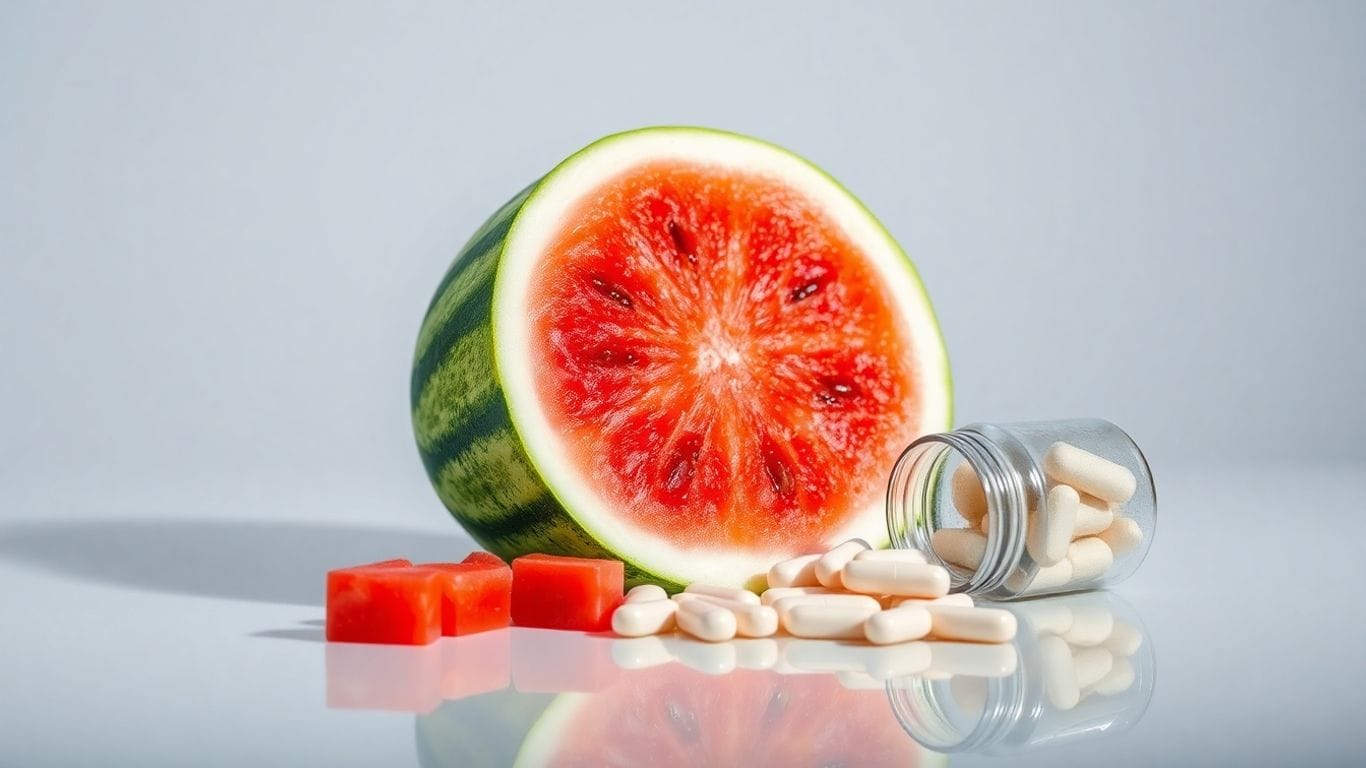
L-Citrulline is an amino acid your body makes on its own, but you can also get it from certain foods or supplements. Lately, it’s been getting a lot of buzz, especially among people who work out or want to support their heart health. Some folks also look at it for help with blood pressure or even sexual health. But there’s a lot of mixed info out there. In this article, we’ll break down what L-Citrulline does, where it comes from, who might want to try it, and who should probably steer clear.
Key Takeaways
- L-Citrulline is naturally made in your body, but you can also find it in foods like watermelon or take it as a supplement.
- It may help with blood flow and circulation, which is why athletes and people with blood pressure concerns are interested.
- Some studies suggest L-Citrulline could help with exercise performance and recovery, but results are mixed.
- There’s some early research showing it might support blood pressure and even help with mild erectile dysfunction, but more studies are needed.
- Most people tolerate L-Citrulline well, but it can interact with certain medications, so talk to your doctor before starting it.
Understanding L-Citrulline: What It Is and Where It Comes From
L-citrulline is an amino acid your body makes on its own, and it plays several roles in your system beyond just being a building block for proteins. Unlike some amino acids, L-citrulline is not used to create proteins but is important for other processes, especially the urea cycle (which helps remove waste from your body). It also helps your body create nitric oxide, which is linked to blood flow and muscle function. L-citrulline falls into the category of "nonessential" amino acids, meaning you don't need to get it from your diet—but some people are interested in taking extra under certain circumstances.
Natural Food Sources of L-Citrulline
If you're looking to get L-citrulline from food, your biggest source is watermelon—no contest. A typical cup of diced watermelon can give you about 365 mg of L-citrulline, although the exact amount depends on the watermelon variety. Other foods contain much less, but if you're curious, here are some options:
- Melons (like cantaloupe)
- Cucumbers
- Pumpkins
- Squash
- Gourds
Here's a quick table to show L-citrulline content in some foods:
| Food | L-Citrulline (mg per cup) |
|---|---|
| Watermelon (seedless) | ~365 |
| Cantaloupe | Very low |
| Cucumber | Trace |
| Pumpkin | Trace |
Most of us aren't chowing down on watermelon every day, so it's easy to see why supplements exist if you're looking to boost your intake.
L-Citrulline in Supplement Form
Supplements containing L-citrulline have gotten popular lately, especially for people interested in working out, managing blood pressure, or looking into alternative support for sexual health. They mostly come as powders or capsules. There are actually two main kinds you’ll see if you shop around:
- L-Citrulline: The basic, pure amino acid—simple and straightforward.
- Citrulline Malate: A combo of L-citrulline and malic acid (the stuff that makes apples tart). Citrulline malate is common in sports supplements because it's thought to help with muscle energy.
If you're thinking about taking a supplement, keep in mind:
- There's no "official" daily requirement for L-citrulline, since your body makes it anyway.
- Supplements vary in strength, and most are designed for adults.
- The research on what works best (and for whom) is ongoing.
That sums up what L-citrulline is, where to find it naturally, and what to expect from supplement options. Plenty of interest, and still lots to learn about how much it actually helps for different goals.
L-Citrulline’s Role in the Body: Mechanisms and Functions
How L-Citrulline Supports Nitric Oxide Production
L-citrulline isn’t just another amino acid—it plays a unique role because it helps raise nitric oxide (NO) levels in your blood. When you take in L-citrulline, either from food or supplements, your body converts it to another compound, called L-arginine. That, in turn, boosts NO production. Nitric oxide causes your blood vessels to relax and widen, a process called vasodilation. This means more blood can flow where it’s needed, which is especially important during exercise or situations where your muscles and organs are working hard.
- L-citrulline gets converted to L-arginine.
- L-arginine increases nitric oxide production.
- Nitric oxide relaxes blood vessel walls, improving blood flow.
If you’ve ever wondered why some pre-workout supplements talk about "the pump"—that’s nitric oxide making your workouts feel smoother and more efficient.
Impact on Blood Flow and Circulation
Blood flow matters for a lot more than just feeling warm in the winter. When nitric oxide rises, thanks to L-citrulline, circulation improves all over your body. This can help muscles get more oxygen and nutrients, and might make physical activity seem easier. People hope it might also support lower blood pressure, although results from studies haven’t all agreed on how much.
Here’s a look at average findings from some research on L-citrulline’s possible effects on blood pressure:
| Effect | Systolic BP (mmHg) | Diastolic BP (mmHg) |
|---|---|---|
| Average reduction | 4–7 | 2–4 |
| High dose effect (6g+) | Up to 10 | Up to 5 |
Keep in mind, these numbers aren’t guaranteed for everyone—they’re just a snapshot from various trials.
Role in the Urea Cycle
The urea cycle is basically your body’s waste management system for getting rid of ammonia—a toxic byproduct of breaking down proteins. L-citrulline plays a key part here:
- Ammonia builds up as you digest protein or push your muscles.
- L-citrulline helps convert ammonia into urea, which you then get rid of when you pee.
- This process keeps ammonia from reaching harmful levels, especially if you’re working out really hard or have certain health conditions.
- Removes waste ammonia from your body
- Helps with fatigue caused by ammonia buildup during tough workouts
- Keeps overall body chemistry balanced
Even if you’re not an athlete, keeping toxins like ammonia under control makes you feel more clear headed and less run down, especially if you’re active or eat a high-protein diet.
Potential Benefits of L-Citrulline for Athletic Performance
Effects on Endurance and Strength
L-citrulline is popular among athletes and gym-goers who want to get more out of their workouts. Some people say it helps them push through longer sessions or add a few more reps before fatigue sets in. The reasoning behind this is simple: L-citrulline helps boost nitric oxide levels in the body, which can improve blood flow. When your muscles get more oxygen and nutrients, they theoretically function better for longer.
Here’s what current research shows for endurance and strength:
- Some studies suggest that regular supplementation (around 6,000–8,000 mg of citrulline malate) before activity can let people exercise at higher intensity before getting tired.
- Benefits seem most noticeable in high-intensity cycling or strength workouts—think repeated heavy lifts or sprint intervals.
- Results from research are mixed, though. Not every trial finds a clear improvement, especially for longer aerobic events like distance running.
| Activity Type | Results with L-Citrulline |
|---|---|
| High-intensity cycling | Some improvement in stamina |
| Resistance training | Sometimes more repetitions |
| Steady-state cardio | Mixed or little impact |
Honestly, if you’re a weekend warrior, you might see small improvements, but elite athletes may need a bit more convincing evidence before counting on it for race day.
Muscle Recovery and Fatigue
There’s a lot of chatter about L-citrulline cutting down on muscle soreness after tough workouts. The way it’s supposed to work is by promoting blood flow—helping the body clear out the stuff that makes muscles feel sore and tired.
Points worth knowing:
- Some report quicker bounce-back and less muscle ache after using L-citrulline.
- A few small studies suggest people may recover a little faster, but research isn’t unanimous.
- Benefits seem more likely after repeated intense workouts rather than easy or light activity.
Comparison of L-Citrulline and Citrulline Malate
You’ll see both plain L-citrulline and citrulline malate on supplement shelves. The main difference: citrulline malate combines L-citrulline with malic acid, which is supposed to help with energy production.
Here’s a quick comparison:
| Supplement | Typical Dose | Purported Benefit | Evidence Level |
|---|---|---|---|
| L-Citrulline | 3,000-6,000 mg | Blood flow, mild stamina rise | Good |
| Citrulline Malate | 6,000-8,000 mg | Endurance, faster ATP making | Mixed |
- L-citrulline has more evidence for effectiveness at normal doses, especially for blood flow and possible performance bumps.
- Citrulline malate is newer and may help with endurance, but findings are all over the place.
- For now, most experts recommend sticking to L-citrulline if you’re curious, but either form is generally considered fine for healthy adults.
Some people try both to see which one helps them feel more energized, but don’t expect miracles—supplements can help, but your training and sleep habits matter more.
L-Citrulline for Blood Pressure and Cardiovascular Health

Research on Blood Pressure Reduction
You wouldn’t think an amino acid found in watermelon could have much impact on your blood pressure, but L-citrulline has started to turn heads for just that reason. Several studies suggest L-citrulline can lead to small drops in both systolic (the top number) and diastolic (the bottom number) blood pressure, especially in people dealing with hypertension. The effect seems modest—think a few points off, not a total reversal—but for some, every little bit helps.
| Blood Pressure Metric | Typical Change with L-Citrulline* |
|---|---|
| Systolic (mmHg) | -4.1 to -7.5 |
| Diastolic (mmHg) | -2.1 to -3.8 |
*Changes are averages from several short-term studies; individual responses vary.
Arterial Stiffness and Vascular Health
Better blood pressure numbers are nice, but they don’t tell the whole story. There’s some evidence L-citrulline may make your arteries less stiff and improve how blood flows through your vessels. That matters because stiff arteries put more strain on your entire cardiovascular system. People who tried L-citrulline have sometimes shown:
- Improved artery flexibility (lower arterial stiffness)
- Better blood flow, especially after exercise
- Lower pressure responses during stress or cold
Small changes add up. If even a few mmHg drops in blood pressure happen day after day, that means less pressure on your arteries overall.
Considerations for Heart Patients
So, is L-citrulline a magic fix for your heart? Not quite. There are some things to think through, especially for anyone with a heart condition or on medication:
- L-citrulline isn’t a substitute for prescription blood pressure meds.
- There’s a risk it could interact with drugs that affect nitric oxide or blood pressure.
- The supplement hasn’t been studied for long periods in people with major heart disease.
Folks with kidney problems, pregnant women, or anyone on regular medication should definitely check with a healthcare provider before starting L-citrulline. The supplement world is still the Wild West when it comes to regulation, and not all bottles have what they claim inside.
Bottom line: L-citrulline seems to make a difference for some people, but it’s not a miracle. Consider it as a possibly helpful sidekick—not a lead actor—when it comes to heart health.
Exploring L-Citrulline for Erectile Dysfunction and Sexual Health
How L-Citrulline May Help ED
L-Citrulline has picked up interest for people dealing with erectile dysfunction (ED) because of its role in boosting blood flow. The logic is pretty simple: L-citrulline is turned into L-arginine in the body, which then helps ramp up nitric oxide production. More nitric oxide means blood vessels relax and let more blood through, which is important for achieving and keeping an erection. Some hope L-citrulline can be a sort of natural alternative to more traditional ED meds, especially for people who want to avoid prescription drugs.
Supporting Studies and Evidence
The science so far is small but promising. Most research uses fairly low doses for a short time and the number of participants isn’t huge, so keep that in mind. Here’s a quick look at what’s out there:
| Study Size | Dose | Duration | Results |
|---|---|---|---|
| 24 men | 1.5g daily | 1 month | 50% improved from mild ED to typical erections |
| ~30 men | 1.5–3g daily | 4 weeks | Some improvement seen, mainly in erection hardness |
- Benefits appear most pronounced in men with mild ED.
- In many cases, the improvement is less dramatic than what’s seen with PDE5 inhibitors (like Viagra or Cialis).
- Some men report easier erections, but not everyone sees a major change.
While early results are positive, L-citrulline should not be counted on as a guaranteed ED solution, and results will vary from person to person.
Safety and Limitations
Trying a new supplement always comes with a few things to think about:
- Side effects are rare but might include mild stomach discomfort or nausea if you use more than recommended.
- There are no major safety issues reported for healthy people taking up to 6 grams per day, but really high doses haven’t been well tested over the long term.
- Drug interactions are possible—especially with blood pressure or ED medications—so talk to your doctor before adding L-citrulline if you’re already taking prescriptions for your heart or circulation.
- Supplements can vary in quality, so buy from a reputable company.
- ED can be a sign of other health issues, so it’s smart to get a full checkup if this is a new problem.
- L-citrulline isn’t regulated by the FDA for treating ED, so there’s no set "official" dose.
Overall, L-citrulline looks like it’s well tolerated and safe for most, but it isn’t a miracle fix. It may give some people a little help, but others might see little (or no) difference. If you want to try it out, keep expectations realistic and check in with a healthcare provider first.
Supplementation: Dosage, Safety, and Side Effects of L-Citrulline
Recommended Dosage Guidelines
There isn’t a single recommended dose for L-citrulline, since people use it for different reasons—athletic performance, blood pressure, or even erectile dysfunction. Still, most studies give us some ballpark figures for safe use.
Here’s a comparison of L-citrulline and citrulline malate doses for different goals:
| Purpose | Typical L-Citrulline Daily Dose | Citrulline Malate Daily Dose |
|---|---|---|
| Circulatory Health/ED | 3–6 grams (split or single dose) | N/A |
| Sports Performance | 6–8 grams (single, pre-workout) | 8–10 grams (pre-workout) |
- Citrulline malate is about 56% pure citrulline, so dosing needs to be adjusted.
- Split dosing (2 grams, 3x per day) can help with digestion for some.
- It doesn’t matter much whether you take L-citrulline with meals or on an empty stomach.
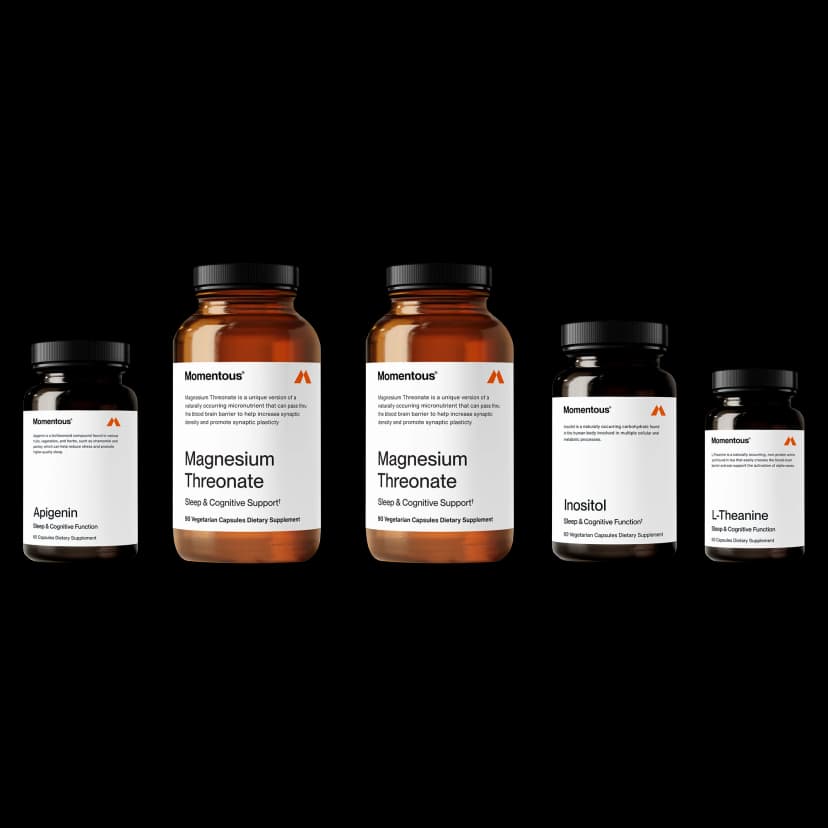
Before supplementing, check if other products you're taking—like Momentous Creatine—can be used alongside, to minimize risk of interactions.
Potential Side Effects and Risks
Most people tolerate L-citrulline well, but that doesn’t mean it’s totally free of problems for everyone.
Possible issues to look out for:
- Mild stomach upset, gas, or diarrhea at high doses (especially above 10 grams per day).
- Headaches and low blood pressure, though rare, have been reported in sensitive folks.
- Long-term effects are still largely unknown since most studies last just a few weeks.
Even though side effects seem mild, it’s smart to start with the lowest effective dose and slowly increase if you feel okay.
Medication Interactions to Watch For
L-citrulline can interact with several common medications. Here’s a quick checklist:
- Blood pressure drugs: L-citrulline may lower blood pressure even more, increasing risk of dizziness or fainting.
- Nitrate medications (for heart disease) and some drugs for erectile dysfunction: These widen blood vessels, so combining them can drop your blood pressure too far.
- ED medications like sildenafil (Viagra): Combined effects could cause unexpected drops in blood pressure.
Always talk to your doctor before starting L-citrulline, especially if you’re on prescription meds or have chronic health concerns. Supplements aren’t well regulated, so what’s safe for one person might not be for you.
Who Should Consider L-Citrulline and Who Should Avoid It
When it comes to L-citrulline, not everyone needs to rush out and buy a bottle. People are interested in it for different reasons, but it's definitely better suited for some than others.
Athletes and Fitness Enthusiasts
If you work out regularly or play sports, L-citrulline might be something to look into. Many athletes use L-citrulline hoping it will help with strength, endurance, and muscle recovery. Here’s why some active folks consider it:
- May support better blood flow during exercise, possibly leading to better pumps and increased stamina.
- Could help reduce muscle soreness after intense workouts.
- Some studies point to a boost in exercise performance, especially for short bursts of activity like weightlifting or sprints.
| Population | Potential Benefit | Typical Dosage |
|---|---|---|
| Regular gym-goers | Improved workout recovery | 6–8 g pre-workout |
| Competitive athletes | May enhance endurance | 6–8 g pre-workout |
| Recreational lifters | Possible reduced soreness | 3–6 g daily |
While results can vary, some athletes find L-citrulline helps them power through an extra rep or speed up recovery between sessions.
Individuals With Cardiovascular Concerns
Some people with cardiovascular issues also look to L-citrulline, mainly due to its effect on blood flow:
- May support healthy blood vessel function and help lower blood pressure in certain cases.
- Some hope it’ll ease mild symptoms of circulation issues or arterial stiffness.
- There’s also early research suggesting it could help men with mild erectile dysfunction, thanks to improved flow.
Things to consider:
- Always check with your doctor before starting L-citrulline if you have a heart condition, as effects can be unpredictable.
- Start at a lower dose to monitor how your body responds.
- Be aware of possible interactions with blood pressure or ED medications.
Populations Needing Medical Guidance Before Use
Not everyone is a good match for L-citrulline. Some groups need to be extra careful or avoid it altogether:
- Anyone taking blood pressure meds, nitrates, or erectile dysfunction drugs should only consider L-citrulline under a healthcare provider’s supervision.
- Pregnant and breastfeeding women should skip supplementation, just in case.
- People with kidney, liver, or other chronic health conditions need medical oversight due to possible effects on metabolism or drug interactions.
| Group | Should Avoid or Use Cautiously | Why? |
|---|---|---|
| Those on certain medications | With medical advice | Interaction risk |
| Pregnant/Breastfeeding | Generally avoid | Safety not established |
| Chronic illnesses | With professional guidance | Possible health complications |
If you’re unsure if L-citrulline is okay for you, it’s best to run it by your doctor before trying anything new.
Bottom line? L-citrulline could make sense for active people and those with mild blood flow concerns if your doctor says it’s safe, but it’s not one-size-fits-all. Don’t go it alone if you’re on medications or have a medical condition.
Conclusion
So, wrapping things up, L-citrulline is one of those supplements that gets a lot of buzz, especially in the fitness world. Some people swear by it for better workouts, faster recovery, or even help with blood pressure and ED. The science is still a bit all over the place, though. Some studies show benefits, others not so much. If you’re thinking about giving it a try, it’s smart to talk to your doctor first, especially if you’re on other meds or have health concerns. And remember, you can get some L-citrulline from foods like watermelon, so you don’t always need a supplement. At the end of the day, it might help some folks, but it’s not a magic fix. Listen to your body, start slow, and see what works for you.
Frequently Asked Questions
What is L-citrulline and where does it come from?
L-citrulline is an amino acid your body makes on its own. You can also get it from some foods, especially watermelon. It is also sold as a supplement in powder and pill form.
How does L-citrulline help with exercise and sports?
L-citrulline may help you work out harder and recover faster by improving blood flow to your muscles. Some studies show it can boost endurance and strength, but not all research agrees.
Can L-citrulline lower blood pressure?
Some research suggests L-citrulline can help lower blood pressure by making blood vessels wider. However, results are mixed, and more studies are needed to know for sure.
Is L-citrulline useful for erectile dysfunction (ED)?
L-citrulline might help men with mild ED by improving blood flow. A few small studies have shown some benefits, but scientists say we need more research before it can be recommended for everyone.
What is a safe dose of L-citrulline, and are there side effects?
A safe dose is usually between 3 and 6 grams per day. Some people may get stomach problems like bloating or cramps. It's best to start with a low dose and see how your body reacts.
Who should not take L-citrulline supplements?
People who take medicine for blood pressure, heart problems, or ED should talk to a doctor before using L-citrulline. It can interact with some medicines. Always ask your doctor if you are unsure.