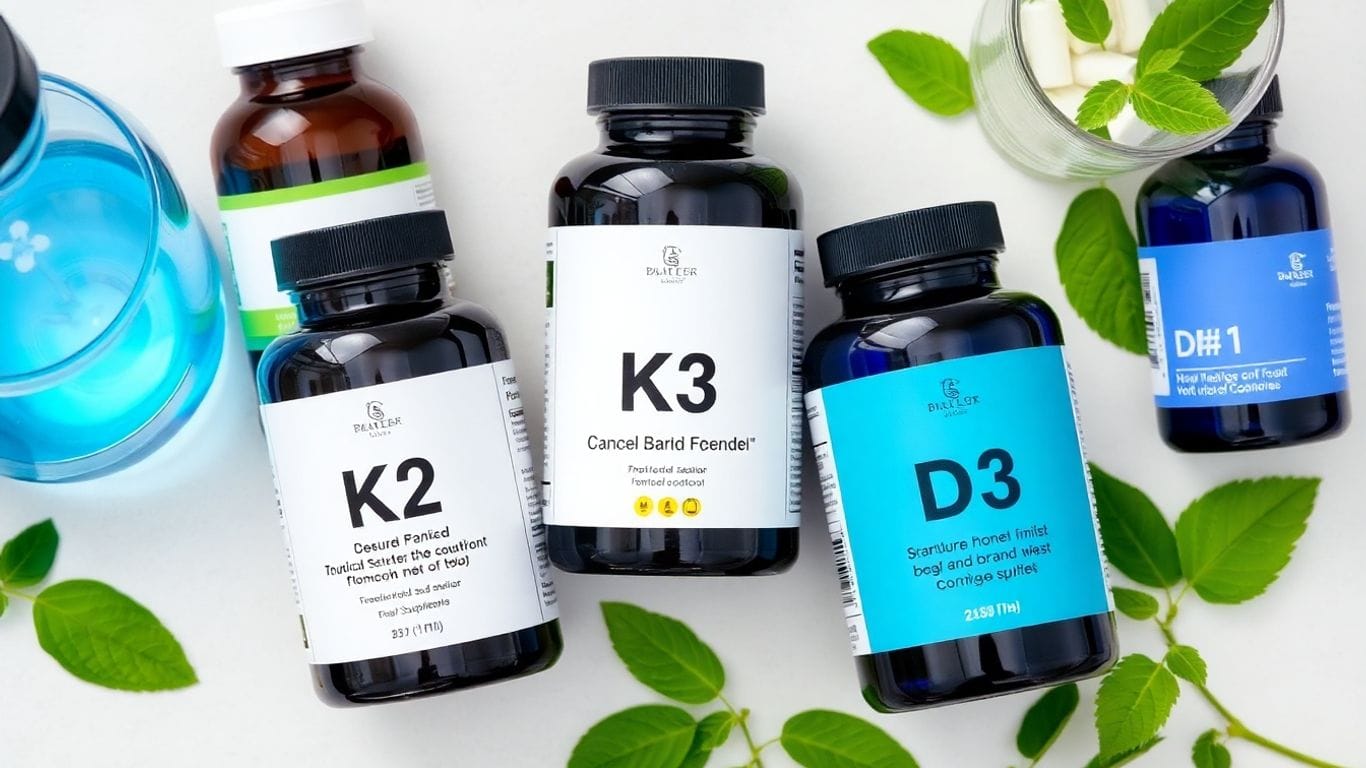
If you've ever stood in the supplement aisle and wondered whether you should grab a bottle of K2 + D3 or stick with something else, you're not alone. The combo is everywhere these days, but does it really do more than just taking vitamin D3 or K2 on their own? People want to know what actually works, what’s just hype, and if there’s a real reason to spend a little more for a combo pill. In this article, I’ll break down how K2 + D3 works together, how it stacks up against taking each vitamin solo, and what you need to know before picking a supplement. Let’s get into it.
Key Takeaways
- K2 + D3 work together to support both bone and heart health better than taking either alone.
- Taking K2 with D3 may help lower the risk of vitamin D toxicity, making the combo safer for most people.
- Some groups—like adults wanting stronger bones, people managing heart health, and vegans—may benefit more from the combo.
- Not all K2 + D3 supplements are the same; check for third-party testing, proper dosage, and delivery form before buying.
- Always consider your personal needs and talk to your doctor before starting or changing any supplement routine.
How K2 + D3 Works Synergistically in the Body
Combining vitamin K2 with D3 isn’t just a random supplement trend—there’s real science behind it. When you take these two nutrients together, they support both your bones and heart more effectively than when you use either one on its own. Let’s break down how that synergy happens across your body’s systems.
Bone Health Benefits of K2 + D3
- Vitamin D3 encourages your gut to absorb more calcium from the food you eat.
- Vitamin K2 helps route that calcium straight to your bones, rather than letting it collect where it doesn’t belong.
- The duo works together to keep bones dense and tough, which is especially important as you age.
| Nutrient | Primary Role | Impact on Bones |
|---|---|---|
| Vitamin D3 | Boosts calcium absorption | Increases calcium available for bones |
| Vitamin K2 | Activates bone proteins | Directs calcium into bone tissue |
If your calcium is getting into your body but not landing in your bones, it’s not really doing you much good. That’s why pairing D3 and K2 matters so much, especially for folks worried about osteoporosis.
Cardiovascular Support Through Combination
- Too much calcium floating around in your blood can lead to hardening of the arteries.
- With K2, the calcium you absorb is less likely to stick to artery walls.
- This combo protects both your heart and vessels by keeping them clear of unwanted mineral deposits.
Key points:
- D3 increases calcium in the bloodstream.
- K2 helps remove excess calcium from blood vessels.
- Their cooperation may lower the risk of cardiovascular disease.
Reducing the Risk of Vitamin D Toxicity
- High doses of D3 alone, over time, can lead to dangerously high calcium levels (hypercalcemia).
- K2 helps sweep that extra calcium into bones and out of delicate tissues.
- Taking both can make D3 supplementation safer, especially in higher doses.
Many people overlook the role of vitamin K2, but it’s the sidekick that makes vitamin D3 safer and a lot more effective in the long run.
Comparing K2 + D3 to Individual Vitamin Supplements
Vitamin D3 Alone: Pros and Cons
Vitamin D3 is popular for its role in supporting bone strength, healthy immune function, and mood. Many people take it solo, especially in winter or if they don’t get much sunlight.
- Pros:
- Cons:
Many people think taking extra D3 on its own is easier, but it doesn't always handle calcium as well as a D3/K2 combo. That can make a difference for long-term health.
Vitamin K2 Alone: Pros and Cons
Vitamin K2 isn’t as well-known as D3, but it plays a key role in guiding calcium into bones and out of arteries. Some supplement with K2 for general bone and heart health.
- Pros:
- Cons:
Results of Joint Supplementation vs. Solo Use
When D3 and K2 are taken together, they seem to produce better results for both bone strength and artery protection. The combo helps direct calcium to where your body needs it, potentially making it safer and more effective than either alone.
Here’s a quick side-by-side comparison:
| Factor | Vitamin D3 Alone | Vitamin K2 Alone | D3 + K2 Together |
|---|---|---|---|
| Bone Health | Good | Moderate | Best outcome |
| Heart Protection | Lower | Better | Best outcome |
| Risk of Calcium Misplacement | Higher | Lower | Lowest |
| Ease of Dosing | Simple | Moderate | Simple |
| Cost | Low | Moderate | Slightly higher |
- D3 alone is effective, but may raise the risk of misplaced calcium.
- K2 alone is protective but works better in tandem with D3.
- The D3 + K2 combo offers a simple way to cover both bases.
For most people, combining vitamins D3 and K2 gives a more reliable approach to supporting both strong bones and a healthy heart, without needing to fine-tune lots of separate doses.
Targeted Benefits of K2 + D3 for Different Populations
When considering who truly benefits from the combination of vitamin K2 and D3, it's clear that different groups have very different needs. Joint supplementation can be especially meaningful for people who fall into a few key categories. Let's walk through the main groups and see what makes K2 + D3 potentially more appropriate compared to single-vitamin options.
For Adults Seeking Bone Strength
Bone health is a central reason people reach for supplements. Both D3 and K2 have their own important roles: D3 helps the body absorb calcium from food, and K2 helps move that calcium into bones where it's actually useful. Taken together, they may do more for bone density than either alone. People—especially those over 40—often start losing bone mass, and their risk of osteoporosis grows with time.
Bulleted reasons why K2+D3 matters for stronger bones:
- Promotes efficient calcium absorption and deposition into bone
- Reduces risk of calcium building up in arteries instead of bones
- May offer better maintenance of bone mineral density with age
Older adults are likely to see the most benefit from a supplement that includes both vitamins. If you’re worried about osteoporosis, you’ll want this combo in your routine.
For Heart Health Management
There’s decent evidence that the D3 and K2 combination does more than just shore up bones—it can also impact the heart and blood vessels. Excess calcium in the blood can harden arteries, but K2 may direct it away from artery walls and into bones. Meanwhile, vitamin D3 helps regulate blood pressure. People with heart disease risk factors might want to pay close attention to these nutrients.
Here's a quick comparison of K2 + D3 vs. single vitamins for heart health:
| Supplement | Main Benefit | Arterial Calcification Risk |
|---|---|---|
| Vitamin D3 alone | Increases calcium absorption | Possible increase |
| Vitamin K2 alone | Calcium transportation in blood | May reduce |
| K2 + D3 Together | Both effects above; synergistic | May significantly reduce |
Special Considerations for Vegans and Postmenopausal Women
A couple of groups need to think more about how they supplement, and K2 + D3 is a top option for both:
- Vegans: Plant-based diets often lack vitamin D3 (usually from animal sources) and vitamin K2 (mainly found in fermented foods and animal products). Supplementing is sometimes the only way to get enough.
- Postmenopausal women: Bone loss speeds up after menopause due to hormonal changes. This group is especially at risk for osteoporosis, and research shows that a combo of D3 and K2 may help slow bone density losses more than D3 alone.
- People with absorption or conversion concerns: Those with digestive issues or older adults losing efficiency in vitamin absorption might need a standardized supplement for best results.
Keeping up your bone strength and heart health isn’t as simple as just more calcium. For many, D3 and K2 together are like a one-two punch that can fit different health needs throughout life.
Evaluating the Most Popular K2 + D3 Supplement Options
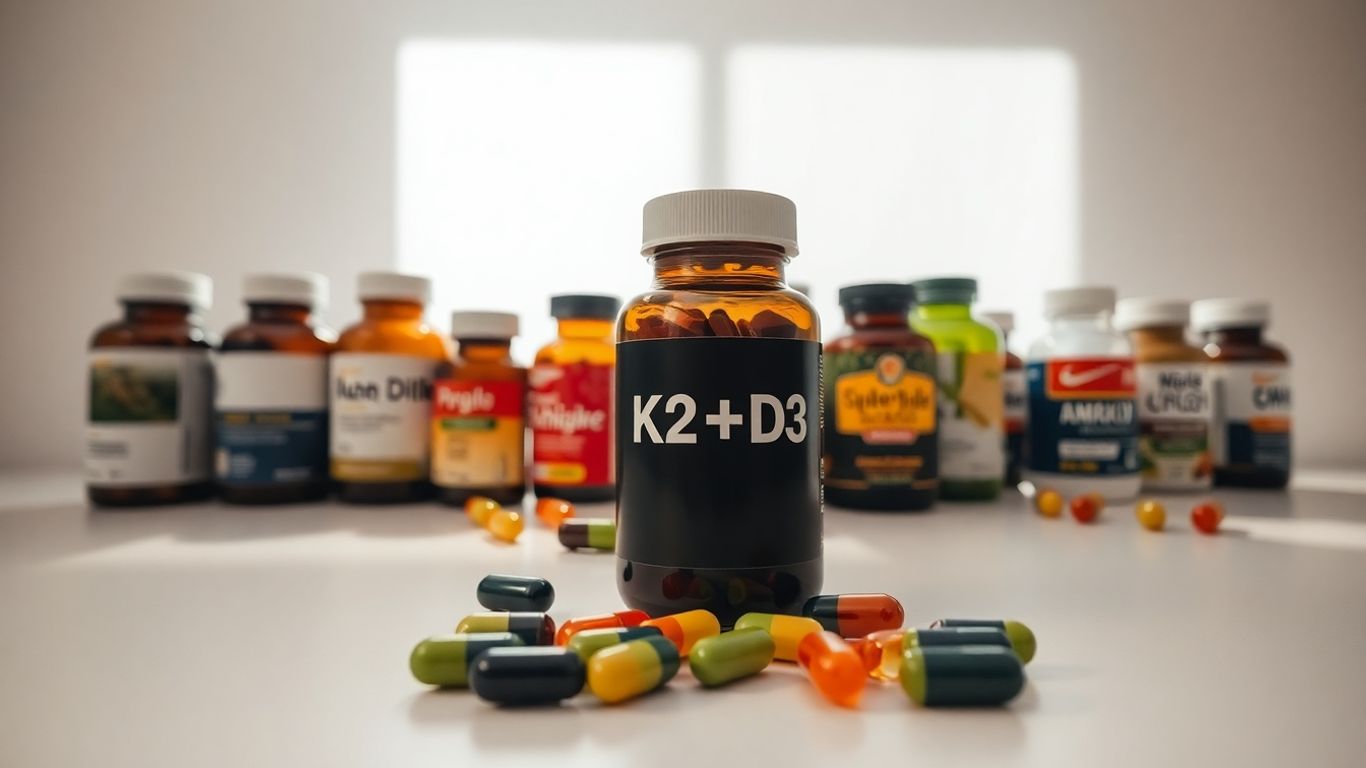
When it comes to K2 + D3 supplements, the market is packed with options. Some brands keep it plain, while others go for extras or focus on specific needs. Here’s a look at three popular picks you’ll see over and over. Let's break down what makes each one stand out, what to consider, and who they might be right for.
NOW Foods Vitamin D-3 & K-2: Simplicity and Safety
NOW Foods’ combo is basically the gold standard when you want something straightforward. One small capsule gives you 25mcg (1,000 IU) of vitamin D3 and 45mcg of K2—those numbers follow the typical recommended daily intake for adults, according to some studies.
- Contains only D3 and K2, nothing extra
- Low cost per dose, making it a smart pick for daily use
- Certified halal, kosher, non-GMO; also free from common allergens like gluten, soy, dairy
- Simplified dose helps avoid too much of anything
Even though it’s not third-party tested, NOW runs tight in-house checks and has solid manufacturing certifications. Still, you don’t get a money-back guarantee if you already opened the bottle.
If you just want a basic, no-nonsense supplement you won’t have to worry about, this one is a safe place to start and is gentle on your wallet.
Metagenics D3 5000 + K2: Treating Deficiency
Metagenics targets people who need higher levels—think those diagnosed with a serious vitamin D gap. Its formula gives a sharp boost: 125mcg (5,000 IU) of vitamin D3 per softgel, with a potent 180mcg of vitamin K2 to match.
- Designed for people with confirmed vitamin D deficiency
- High-dose, but still balanced with enough K2 to minimize risks
- Softgel form is easy to swallow
- Priced much higher than basic options
Doctors sometimes recommend this kind of dose, but it’s not for everyone. You usually only need this if your bloodwork says so.
Sports Research D3 + K2: The Vegan Solution
Vegan supplements can be tricky to find, especially when you want both D3 and K2. Sports Research offers a plant-based option—vegan-certified D3 from lichen and K2 sourced without animal stuff. It’s popular among plant-based folks, but plenty of others pick it for the clean ingredient list.
- Made with non-animal sources; certified vegan
- Small softgels, easy to take
- Third-party tested for purity and potency
- Slightly pricier than NOW but with more testing and assurance
Here's a quick comparison of their core features:
| Brand | D3 per Serving | K2 per Serving | Vegan | Third-party Tested | Cost (approx.) |
|---|---|---|---|---|---|
| NOW Foods | 25mcg | 45mcg | No | No (in-house only) | $0.08/serving |
| Metagenics | 125mcg | 180mcg | No | Yes | $0.42/serving |
| Sports Research | 125mcg | 100mcg | Yes | Yes | $0.27/serving |
Bottom line?
- Simple and affordable: NOW Foods.
- Targeted for major deficiency: Metagenics.
- Vegan, third-party safety: Sports Research.
No matter which one you choose, think about your own health goals, dietary needs, and budget first. Some people need more, some just need the basics—what matters is that you’re choosing something suited to your lifestyle.
Dosage, Safety, and Flexibility of K2 + D3 Supplements
When it comes to taking a K2 + D3 supplement, figuring out the right amount and staying safe is important. These two vitamins often come combined in a single pill or softgel, but doses can vary a lot by brand, and some formulas include other vitamins or minerals that complicate the dosing even further.
Standard vs. High Dosage Formulas
You’ll find a couple of common dosing patterns when shopping for K2 + D3:
| Supplement Brand | Vitamin D3 per Serving (IU) | Vitamin K2 per Serving (mcg) | Notes |
|---|---|---|---|
| NOW Foods | 1,000 | 45 | Standard, easy to titrate |
| Sports Research | 2,500–10,000 | 100 | High dose, intended for deficiency |
| Metagenics | 5,000 | 180 | Treatment-level, not daily maintenance |
A standard daily formula like NOW Foods (1,000 IU D3, 45 mcg K2) inches over the recommended daily minimum but is far from the upper safety limit for most adults. More "treatment level" doses, like what Metagenics offers, are for people with diagnosed deficiencies, so they should only be used with a doctor’s oversight.
Products with very high vitamin D content can push you past the safe upper daily limits very quickly, especially if you already get D from other sources.
Managing the Risk of Over-Supplementation
Most people handle typical K2 + D3 doses just fine, but regular mega-dosing is risky. Here are things to keep in mind:
- Vitamin D toxicity is rare but possible—it usually requires months of high daily doses (think 10,000 IU/day or more).
- Too much vitamin D can lead to high calcium in the blood, causing problems such as fatigue, nausea, kidney stones, and even confusion.
- Vitamin K, especially K2, is considered very safe. There’s currently no upper intake limit set for K2.
- Multi-nutrient pills can include other minerals (like calcium, magnesium, zinc) with their own safety limits, making it easier to go overboard without noticing.
- Pay attention to everything you're taking that contains vitamin D to avoid stacking up too much.
- If your supplement includes extra ingredients, check the safe upper intake for each one.
- Anyone with a medical condition or on regular medications should double check with their doctor before starting high-dose D3 or K2.
Choosing a supplement with just D3 and K2, without lots of add-ons, makes it a lot easier to increase or decrease your dose to fit your needs—without worrying about hitting unsafe levels of other ingredients.
Adjusting Dosage Based on Individual Needs
Deciding how much K2 + D3 to take isn’t always about what’s on the label—your lifestyle and health make a big difference. Consider these:
- People who are mostly indoors or live in northern climates may need a higher daily dose of D3, especially in winter.
- Those with known deficiency or limited absorption (maybe due to certain medications or gut issues) might temporarily require higher doses prescribed by a doctor.
- If you eat a diet rich in K2 (natto, hard cheeses), you may not need as much from a supplement.
Let’s simplify:
- Start with the lowest dose that meets the recommended daily intake—adjust only if you have a specific need.
- Re-test your blood vitamin D levels every few months if you’re on a higher dose to stay in the safe zone.
- Listen to your body—if you notice weird side effects, tap the brakes and check with a doctor.
Bottom line: K2 + D3 supplements are flexible, but dosing needs to be thoughtful, especially if you go beyond standard amounts. It’s all about finding what works for you, not just what the bottle says.
Cost and Accessibility in the K2 + D3 Market
With so many K2 + D3 supplements on the market, pricing differences can be a headache. Finding the right balance between affordability and reliability is key. Some products keep things basic while others come bundled with subscription perks, refund guarantees, or third-party certifications.
Best Budget Picks for Daily Use
When shopping on a tight budget, you’ll notice big differences in what you get for your money. Here’s a look at three of the most popular, wallet-friendly supplements:
| Product Name | Servings per Bottle | Approx. Price | Cost per Serving |
|---|---|---|---|
| NOW Foods Vitamin D-3 & K-2 | 120 | $14.99 | $0.12 |
| Metagenics D3 5000 + K2 | 60 | $28.25 | $0.47 |
| Sports Research D3 + K2 | 60-90 | $19.00-$25.00 | $0.21-$0.28 |
- NOW Foods is a straightforward pick with a basic formula, ideal for people who want a no-fuss daily supplement.
- Metagenics is a bit pricier but targets those needing higher doses for deficiency, and comes with solid quality assurance.
- Sports Research gives a middle-ground price with vegan-friendly sourcing.
The lowest price doesn’t always equal the best value, especially if your needs go beyond the standard daily dose.
Subscription and Refund Policies
Convenience matters when you’re using supplements long-term. Some brands make it easier to stick with a routine by offering ongoing delivery or flexible guarantees:
- Many companies, like Metagenics, offer subscription discounts (typically saving a dollar or two per bottle) and auto-shipping.
- Refund policies can vary—a number of budget brands only allow returns on unopened bottles, so open bottles may not qualify.
- Free shipping is standard over a certain amount ($50 is a common threshold), so you can save by ordering in bulk.
Third-Party Testing and Product Verification
Peace of mind about what’s actually in your supplement is a big deal. Not every brand invests in outside lab testing, but some stand out:
- NOW Foods is Intertek GMP Supplement certified, focusing more on manufacturing standards internally.
- Metagenics and Sports Research go the extra mile by getting third-party tested, supporting label accuracy and purity claims.
- Certifications like non-GMO, vegan, kosher, and halal may also be relevant depending on your needs or values.
For the most part, paying a bit more can mean better quality control—but you should always read the fine print about what verification means for each brand.
In the end, choosing a K2 + D3 supplement isn’t just about finding the cheapest bottle. Consider how often you’ll take it, the quality assurances, and whether a subscription or big order makes more sense for your lifestyle.
Practical Guidelines for Taking K2 + D3
Optimal Timing and Pairing with Food
For best results, take your K2 + D3 supplement with a meal that contains healthy fats. Both vitamins D3 and K2 are fat-soluble, so pairing them with foods like eggs, avocado, olive oil, or nuts will help your body soak them up more efficiently. Swallowing your capsule or softgel in the morning with breakfast, or at dinner, works fine—just don’t take it on an empty stomach, or you might be wasting your money.
A quick checklist for timing and pairing:
- Choose a meal with natural fats (think olive oil or cheese).
- Avoid taking supplements right before bed, since some people feel more alert after taking vitamin D.
- Stay consistent with your timing to help your body build a routine.
Missing your supplement a few times isn’t the end of the world, but staying consistent will help maintain steady levels in your system.
Understanding Capsule vs. Softgel Delivery
K2 + D3 supplements usually come in either capsules or softgels. The differences aren’t huge, but they might matter if you have preferences or digestive issues.
| Form | Pros | Cons |
|---|---|---|
| Capsule | Easier to swallow, often vegetarian | May release slower |
| Softgel | Better absorption with fat-soluble oils | Not always vegan |
- If you follow a plant-based diet, double-check that your option says “vegan.”
- Softgels might get absorbed a bit faster, especially if you eat enough fat with them.
- People who have trouble swallowing pills might like capsules since they tend to be a bit smaller and less slippery.
Tips for Maximizing Absorption
Getting the most from your supplement doesn’t take a science degree, but a few habits make a difference:
- Take your K2 + D3 at the same time every day, paired with a meal that has some fat.
- Don’t double up if you skip a day—just get back to your routine.
- If you take medications (especially blood thinners), talk to your doctor first.
- Store them in a cool, dark place. High heat or sunlight can damage the quality.
- Avoid taking K2 + D3 at the same time as high-dose calcium supplements unless advised—sometimes these can compete or you might overdo it.
Sometimes, the supplements you take are only as good as the habits you build around them. Find a groove that works for you, and you’ll get more out of your vitamins without overthinking it.
Conclusion
So, after looking at all the options, it’s pretty clear that pairing vitamin K2 with D3 has some real perks, especially for bone and heart health. The research keeps pointing to the combo being more helpful than taking either one by itself. It’s kind of like how running and lifting weights work better together for fitness than just doing one or the other. That said, not every supplement is the same, and what works best for you might depend on your diet, health goals, or if you need something vegan or budget-friendly. NOW Foods D3 & K2 stands out for most people because it’s simple, affordable, and easy to adjust. But if you have specific needs—like being vegan or needing a higher dose—there are good alternatives out there too. At the end of the day, it’s about finding what fits your routine and talking to your doctor if you’re not sure. Supplements can help, but they’re just one piece of the bigger health puzzle.
Frequently Asked Questions
Why should I take vitamin K2 and D3 together instead of separately?
Vitamin K2 and D3 work better when taken together. Vitamin D3 helps your body absorb calcium, while K2 helps move that calcium to your bones and away from your arteries. This teamwork means stronger bones and a healthier heart than taking either vitamin by itself.
Are K2 + D3 supplements safer than just taking vitamin D3?
Yes, combining K2 with D3 can make taking vitamin D3 safer. High doses of vitamin D3 can sometimes cause too much calcium in your blood, which can be harmful. K2 helps your body use calcium the right way, lowering this risk.
Who should consider using a K2 + D3 supplement?
People who want to keep their bones strong, support their heart health, or have low levels of these vitamins might benefit from K2 + D3. This includes older adults, people who spend little time in the sun, vegans, and postmenopausal women.
Is there a difference between capsules and softgels for K2 + D3?
Both capsules and softgels work, but softgels are usually easier to swallow and may be absorbed a bit faster. Some people prefer capsules if they avoid animal products, as softgels can sometimes contain gelatin.
When is the best time to take my K2 + D3 supplement?
Take your K2 + D3 supplement with a meal that has some healthy fat, like avocado or nuts. Both vitamins dissolve in fat, so eating them with food helps your body absorb them better.
How do I know if my K2 + D3 supplement is good quality?
Look for supplements that have been tested by a third party, have clear labels, and are made by trusted brands. Certifications like non-GMO, vegan, or GMP (Good Manufacturing Practice) are also good signs of quality.