
Zinc Carnosine for Mitochondrial Function is getting a lot of attention these days, and for good reason. People are always looking for ways to support their energy and health, and this compound seems to interact with a bunch of important pathways in the body. From how our cells make energy, to how they deal with stress and even how our brains work, Zinc Carnosine is popping up in research everywhere. If you’re curious about what it actually does inside our bodies—especially when it comes to mitochondria—this article breaks it down in simple terms.
Key Takeaways
- Zinc Carnosine for Mitochondrial Function helps cells manage energy and protects them from stress.
- It can reduce harmful molecules like reactive oxygen species, which damage cells.
- This compound supports healthy brain function and may help slow down problems tied to aging.
- Zinc Carnosine can help muscles recover after exercise and might support heart health.
- It also plays a role in how cells get rid of damaged parts, which keeps them working better over time.
Molecular Mechanisms of Zinc Carnosine for Mitochondrial Function
Modulation of Energy Metabolism
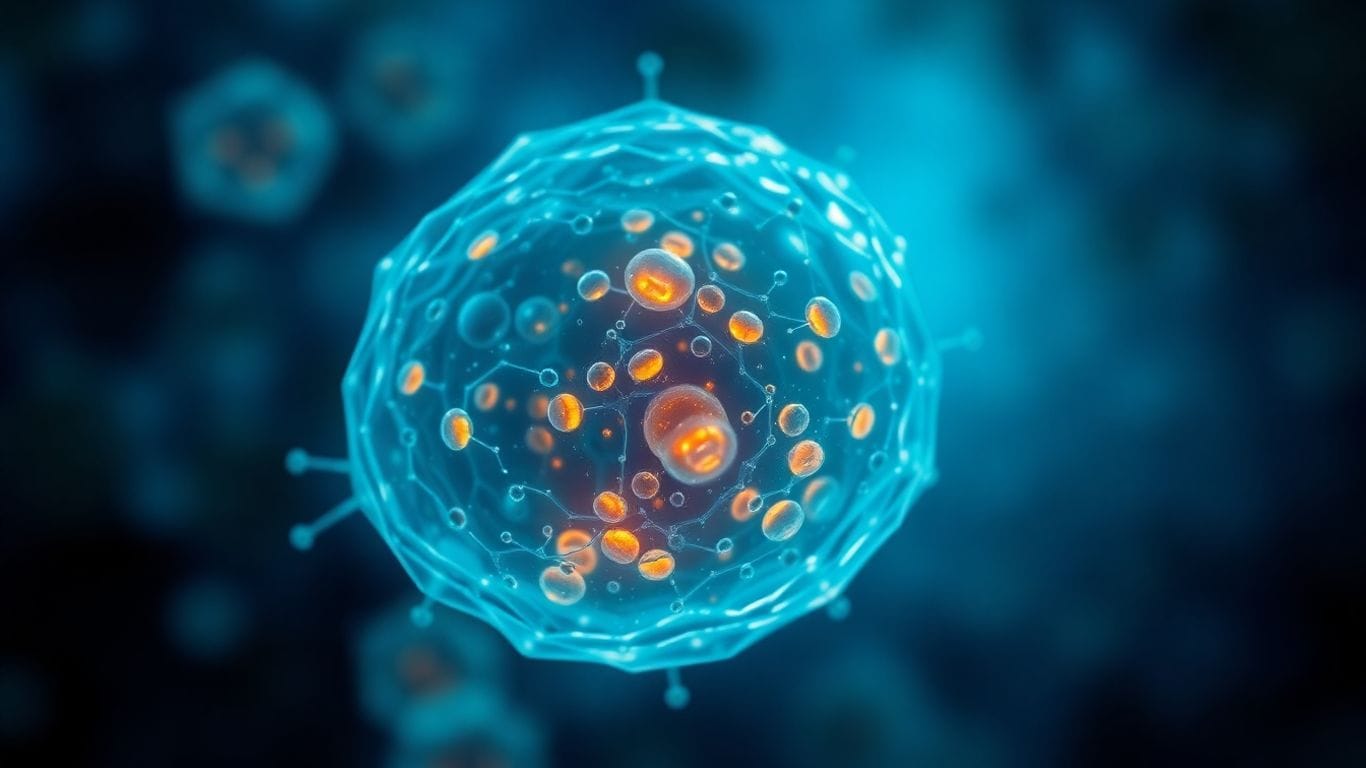
Zinc carnosine plays a big part in how cells manage their energy. It can influence enzymes that handle energy transfer in mitochondria—the parts of cells where most energy is made. This complex helps stabilize the electron transport chain, making ATP production smoother, especially under stress. Zinc carnosine may also help maintain the mitochondrial membrane potential, so energy keeps flowing efficiently even when cells are under pressure.
Main roles:
- Supports proper functioning of mitochondrial complexes
- Helps maintain ATP levels, crucial for all cellular work
- Reduces risk of energy loss during oxidative stress
Stable mitochondrial energy output means healthier cells, even when life throws tough conditions at them.
Interaction with Proteostasis Pathways
Proteostasis, keeping proteins in shape and clearing out damaged ones, is vital in every cell. Zinc carnosine seems to get involved here, too. It can help limit protein misfolding by reducing damaging oxidative and glycation reactions. This compounds acts like a mini-shield, possibly by binding harmful byproducts that would otherwise stick to and damage proteins, especially near mitochondria. Some research hints that zinc carnosine can nudge cells to signal for chaperones—protein helpers that refold or clear out the junk.
Proteostasis effects:
- Lowers rate of protein cross-linking
- Encourages expression of cell-protective chaperones
- Reduces buildup of dysfunctional protein aggregates
Impact on Cellular Signaling Cascades
Zinc carnosine doesn’t just sit back; it has fingers in many signaling pies. It may help regulate pathways that decide how mitochondria react to changes in the environment, including stress signals. By influencing kinases and phosphatases, zinc carnosine helps rebalance cell signals that direct antioxidant defenses, apoptosis (safe cell death), and inflammation. It’s a bit like tuning the dials on a radio—keeping the static down and the music (cell function) clear.
Core signaling interactions:
- Modulates pathways tied to stress response (MAPKs, NF-kB)
- Balances inflammation-related signals
- Supports cell survival signals while dampening those that cause unwanted cell death
| Mechanism | Main Biological Effect | Impact on Mitochondria |
|---|---|---|
| Modulation of energy pathways | Efficient ATP production | Consistent energy for cell |
| Proteostasis interaction | Less protein damage | Healthier mitochondria |
| Signaling cascade modulation | Better stress response | More resilience under stress |
Zinc carnosine works on all these fronts at the same time, which is probably why it’s gaining so much attention in the world of cell and mitochondrial health.
Antioxidant Properties and Oxidative Stress Management
Zinc carnosine has gotten some attention for the way it helps with cellular defense, especially when it comes to keeping oxidative stress in check. This compound teams up the power of both zinc and carnosine, giving cells a double layer of support against free radicals. Let’s look at how it tackles different sides of antioxidant protection.
Scavenging Reactive Oxygen Species
One thing that’s often overlooked is just how busy our cells are making reactive oxygen species (ROS), especially while burning fuel for energy. Too many ROS, though, can damage almost anything inside the cell. Zinc carnosine steps in by:
- Neutralizing superoxide and hydroxyl radicals before they start trouble.
- Supporting natural antioxidant enzymes like superoxide dismutase.
- Breaking the chain reaction of free radical formation, so damage doesn’t snowball out of control.
In regular life, that means our tissues stay a little less battered by stress, pollution, and even normal aging.
Chelation of Transition Metals
Loose transition metals, like copper and iron, help drive dangerous "Fenton" reactions—think sparks leading to fires—to make even more potent free radicals. Here’s where zinc carnosine’s chelation comes into play:
- Binds directly to copper and iron, locking them down.
- Stops those metals from reacting with hydrogen peroxide (a process that would create the most harmful hydroxyl radicals).
- Forms stable complexes, which are way less likely to kickstart more ROS production.
Here’s a quick look at how chelation alters oxidative stress risk:
| Metal | Free Form (High ROS Risk) | Chelated by Zinc Carnosine (Lower ROS Risk) |
|---|---|---|
| Copper | Yes | Yes |
| Iron | Yes | Yes |
| Zinc | No | No (protective role instead) |
Protection of Cellular Macromolecules
A big part of the problem with oxidative stress is that it can hit not just DNA, but also proteins and membrane lipids. Zinc carnosine helps out by:
- Defending DNA from breakage and mutation caused by ROS.
- Preserving protein shape and function, so enzymes and cell machinery keep working.
- Guarding membranes from lipid peroxidation, which keeps cells intact.
Some simple benefits people might notice include:
- Cells recover faster from ordinary wear and tear.
- There’s less long-term damage tied to aging or pollution exposure.
- Organs are better shielded during illness or high-stress events.
At the end of the day, zinc carnosine acts like a quiet bodyguard, handling threats from multiple angles so your cells can get on with their usual business.
Effects of Zinc Carnosine for Mitochondrial Function on Cellular Bioenergetics
Zinc carnosine shows some interesting effects on how cells make and manage energy, which goes back to how mitochondria work. When mitochondria do their job properly, our cells stay energized and recover from stress better. Zinc carnosine steps in at a few points to keep this process on track, especially during times of high demand or when stress threatens balance in the system.
Regulation of Glycolysis and ATP Production
- Zinc carnosine helps keep the process of glycolysis—the conversion of glucose to energy—running smoothly by supporting healthy enzyme levels and protecting them from damage.
- When glycolysis is well managed, it can prevent buildup of acids and byproducts that otherwise stress cell function.
- Normal ATP production means better support for cells that can't depend entirely on oxygen—like muscle cells during heavy exercise.
A quick comparison of effects on glycolysis:
| Condition | Effect Without Zinc Carnosine | Effect With Zinc Carnosine |
|---|---|---|
| Glycolytic Stress | More acid and byproduct build-up | Reduced acid, stable ATP levels |
| Energy Recovery | Slow | More efficient |
Influence on the Pentose Phosphate Pathway
- The pentose phosphate pathway (PPP) is another way cells handle glucose, but here the focus is on antioxidant protection and repair rather than direct energy.
- Zinc carnosine supports PPP by keeping the key enzymes in good shape and protected from oxidative stress.
- This helps generate more NADPH, which cells use to deal with oxidative challenges.
PPP benefits with zinc carnosine:
- Improved antioxidant defense (more NADPH production)
- Support for DNA and cell repair processes
- Better balance when the cell is under oxidative attack
Restoration of Mitochondrial Integrity
- Mitochondria can get damaged from too much stress—especially from free radicals or toxic byproducts of metabolism.
- Zinc carnosine helps stabilize mitochondrial membranes and might help guide repair systems to these 'energy centers.'
- By keeping mitochondria in good shape, cells have a better shot at coming back after injury, illness, or tough workouts.
With zinc carnosine in the mix, cells aren't just surviving—they're much more able to keep up with energy needs, manage the fallout from stress, and handle day-to-day repairs. This makes it a smart option for anyone paying attention to how their body makes and preserves energy.
Role in Neurological Health and Neuroprotection
Zinc carnosine helps keep brain cells safe in messy, stressful conditions, mostly by standing up to oxidative stress. This compound helps keep those damaging free radicals from getting out of control, which protects neuron membranes, proteins, and DNA from everyday wear and tear. It even supports the body's native antioxidant defenses, like superoxide dismutase and glutathione. These defenses are the brain's personal clean-up crew.
- Quells oxidative waste and reactive oxygen species
- Supports natural antioxidants inside neurons
- Shields nerve cells from unstable molecules
Without this antioxidant backup, the brain is open to damage that can add up with age or disease.
Reduction of Neurodegenerative Processes
One important thing about zinc carnosine is its ability to slow down brain changes seen in neurodegeneration. People have looked at its role in issues like Alzheimer's and stroke, where oxidative and inflammatory stress play a big part. Zinc carnosine has been shown to reduce markers linked to cell damage and brain inflammation.
| Effect | Observed Result |
|---|---|
| Infarct size in stroke | Up to ~30% smaller in animals |
| Brain inflammation | Drop in inflammatory cytokines |
| β-amyloid build-up | Reduction in animal models |
By curbing these pathways, zinc carnosine may guard against the sort of gradual decline that leads to memory loss or trouble moving. A major plus: it seems to influence both the immune system and anti-apoptotic (cell survival) signals. This kind of nerve cell preservation is gaining steady interest, especially among those hoping for new approaches to brain health.
Improvement of Cognitive Function
Cognitive symptoms—like memory slips or trouble paying attention—often come down to the health of nerve cells. Zinc carnosine's work as a neuroprotective aid may help by keeping neurons functioning smoothly, especially in adults or older people. It's being looked at for possible effects on spatial memory, recall, and even behavior.
- Reduces oxidative damage linked with memory loss
- Supports healthy signaling between nerve cells
- Possible benefit for people with conditions that affect focus or memory
Some supplement users say they notice a lift in mental clarity when combining zinc carnosine with other brain-healthy nutrients—like you might see with options such as Momentous Creatine.
Supporting nerve cells today could help keep your mind sharp for the long haul, thanks to stronger brain resilience and better cellular repair mechanisms.
Support for Cardiometabolic and Vascular Function
Zinc carnosine has gained attention for its potential roles beyond gastrointestinal support, especially within the complex workings of heart and blood vessels. Its involvement touches the way blood vessels respond to stress, keep inflammation low, and guard against damage that can lead to serious diseases. Here’s a closer look at how it gets involved at different levels:
Modulation of Vascular Tone and Reactivity
- Supports healthy dilation (widening) and contraction of blood vessels, helping to regulate blood flow and pressure.
- Directly interacts with molecules in the lining of vessel walls that are responsible for relaxation responses, which can be crucial in preventing hypertension.
- May help balance nitric oxide levels—a key compound in keeping vessels flexible and reactive.
Structured Summary Table:
| Mechanism | Potential Impact | Evidence Level |
|---|---|---|
| Nitric oxide balance | Supports blood pressure | Animal & cell data |
| Endothelial response | Vessel reactivity | Experimental |
| ROS scavenging | Maintains vessel structure | Preclinical |
Reduction of Endothelial Inflammation
- Zinc carnosine can lower inflammatory markers in the vessel wall, which is important since inflammation often kicks off artery problems.
- Possible to see less white blood cell adhesion and less cytokine (messenger) production, which means smoother blood flow.
- Guards the endothelium in people exposed to high blood sugar or metabolic stress, based on a few animal studies.
Quick List: How Inflammation Impacts Cardiometabolic Health
- Promotes cholesterol buildup in arteries
- Leads to vessel stiffness
- Initiates blood clot formation
Prevention of Oxidative Damage in Cardiovascular Tissues
- Zinc carnosine acts as a buffer against oxidative stress, protecting both the blood vessel walls and the heart muscle itself.
- Its antioxidant action is thought to reduce the chance of "plaque" formation inside arteries—these plaques are what eventually cause blockages.
- Some lab studies suggest it can even help cardiac cells recover from stress or injury.
Preventing vessel wall damage is about more than just lowering cholesterol; having enough antioxidant power from nutrients like zinc carnosine might be part of the bigger picture for long-term cardiovascular wellness.
All in all, while the studies in humans are still lagging behind the lab results, early findings hint that zinc carnosine could become an interesting sidekick for heart and vessel health, especially where oxidative stress and inflammation run high.
Zinc Carnosine for Mitochondrial Function in Muscle and Exercise Performance
Zinc carnosine is making waves with folks who care about muscle strength, stamina, and quick recovery. It's not just another supplement – it works behind the scenes by helping muscles deal with the stress and strain of workouts. Let's break down how it really plays a role in muscle performance and energy.
Enhancement of Muscle Carnosine Content
- Zinc carnosine supplementation helps boost the amount of carnosine in muscle cells.
- This bump lets muscles better handle shifts in pH, especially after tough exercise when acidity climbs fast.
- Higher muscle carnosine is linked to better short-burst performance, like sprints or heavy lifts.
| Factor | Effect of Zinc Carnosine |
|---|---|
| Muscle pH Buffer | Increased |
| Exercise Capacity | Improved |
| Carnosine Levels | Enhanced |
Mitochondrial Support During Physical Stress
- Carnosine protects mitochondria from getting damaged during hard workouts, cutting down on oxidative stress.
- Zinc, as a cofactor, is there for enzymes that keep the mitochondrial machinery running smoothly.
- This tag team helps muscle cells keep making energy, even when fatigue sets in.
Recovery from Muscle Damage and Fatigue
- After workouts, the risk of muscle soreness and damage goes up, partly from reactive oxygen species (ROS).
- Zinc carnosine acts like a bodyguard, neutralizing harmful byproducts so muscles bounce back faster.
- Some people report less downtime between workouts and a speedier return to top shape.
- Quicker muscle recovery
- Reduced oxidative stress
- Better maintenance of muscle performance after repeated exertion
When muscles have enough carnosine and zinc, they can buffer excess acids, generate steady energy, and deal with inflammation more easily after tough physical activity. This makes zinc carnosine a handy option for folks aiming to stay consistent with their training and guard against muscle fatigue.
Interactions with Autophagy and Proteasome Systems
When it comes to keeping our cells tidy and functioning well, both autophagy and the proteasome systems do heavy lifting. Zinc carnosine is showing up as a bit of a behind-the-scenes helper for these cleanup crews. Its influence on protein breakdown and recycling reaches further than many people realize.
Maintenance of Cellular Homeostasis
- Zinc carnosine acts as a regulator, making sure damaged or misfolded proteins don't pile up inside the cell.
- It can encourage the formation of aggresomes—a way for cells to round up unwanted proteins when the usual trash-removal mechanisms slow down.
- There are hints that this compound can "nudge" heat shock proteins (like Hsp70/72) to get involved, supporting the orderly disposal of harmful or long-lived proteins.
The body’s approach to protein cleanup is sort of like having a backup plan for a backup plan. When the main systems get overwhelmed, zinc carnosine steps up, guiding excess proteins toward aggresome formation and more efficient removal.
Influence on Aging Processes
- Efficient autophagy and proteasome activity slow the steady build-up of damaged material linked to aging.
- Zinc carnosine helps balance these processes, possibly lowering cellular stress and age-related buildup of waste.
- There's some evidence that its action helps reduce advanced glycation end-products (AGEs), which play a role in tissue aging and inflammation.
Here's a quick look at main effects in a table:
| Process | With Zinc Carnosine | Without Zinc Carnosine |
|---|---|---|
| Protein Degradation | Improved | Less Efficient |
| Cellular Waste Handling | More Effectively | Accumulation |
| Stress Protein Activity | Increased | Baseline |
Impact on Protein Degradation Pathways
- The proteasome system is a main route for removing proteins that are misfolded, oxidized, or just not needed anymore.
- Sometimes the proteasome can’t keep up (especially under stress), and that's when aggresomes form—carnosine and its complexes seem to guide this process.
- Autophagy, which is basically another form of recycling, works side-by-side; support from zinc carnosine can make this smoother.
- When these pathways flow better, muscles recover faster after stress. Products like amino acid blends also work well in this environment, supporting overall cellular repair.
Let’s break down the benefits:
- Boosts how well your cells break down faulty proteins.
- Lessens buildup of oxidative stress-related protein junk.
- May put the brakes on some aging signs you can feel, not just see.
Zinc carnosine’s partnership with your cleanup systems isn’t a silver bullet, but it does help stack the odds for better cellular maintenance and smoother aging. For anyone focused on recovery or longevity, small differences like this really add up.
Conclusion
So, after looking at how zinc carnosine works with mitochondrial function and different biological pathways, it’s clear there’s a lot going on. Zinc carnosine seems to help protect cells from stress, especially by fighting off damage from free radicals and helping keep proteins and DNA in good shape. It also looks like it can support energy production in cells, which is pretty important for how our bodies work day-to-day. Some studies even suggest it could help with things like heart health, brain function, and maybe even slow down some signs of aging. Of course, there’s still a lot to learn, and more research is needed to really understand all the details. But for now, zinc carnosine is shaping up to be an interesting supplement for anyone looking to support their cellular health. As always, it’s best to talk to a healthcare provider before starting anything new.
Frequently Asked Questions
What is zinc carnosine and how does it help mitochondria?
Zinc carnosine is a mix of zinc and the dipeptide carnosine. It helps mitochondria by protecting them from damage, supporting energy production, and helping cells get rid of harmful substances.
How does zinc carnosine protect cells from oxidative stress?
Zinc carnosine acts as an antioxidant. It can catch and remove harmful molecules called reactive oxygen species (ROS), and it can also bind to metals that cause cell damage. This helps keep cells healthy and working well.
Can zinc carnosine improve brain health?
Yes, zinc carnosine may help the brain by boosting antioxidant defenses, lowering harmful processes that can lead to diseases like Alzheimer’s, and possibly helping with memory and thinking skills.
Does zinc carnosine support muscle health and exercise?
Zinc carnosine can increase carnosine levels in muscles, which helps muscles work better, reduces tiredness, and speeds up recovery after exercise or injury.
How does zinc carnosine affect heart and blood vessels?
Zinc carnosine can help blood vessels relax and work better, reduce swelling in vessel walls, and protect heart tissues from damage caused by free radicals.
Is zinc carnosine safe to take every day?
For most people, zinc carnosine is safe when taken as directed. However, it’s always best to talk to a doctor before starting any new supplement, especially if you have health problems or take other medicines.