


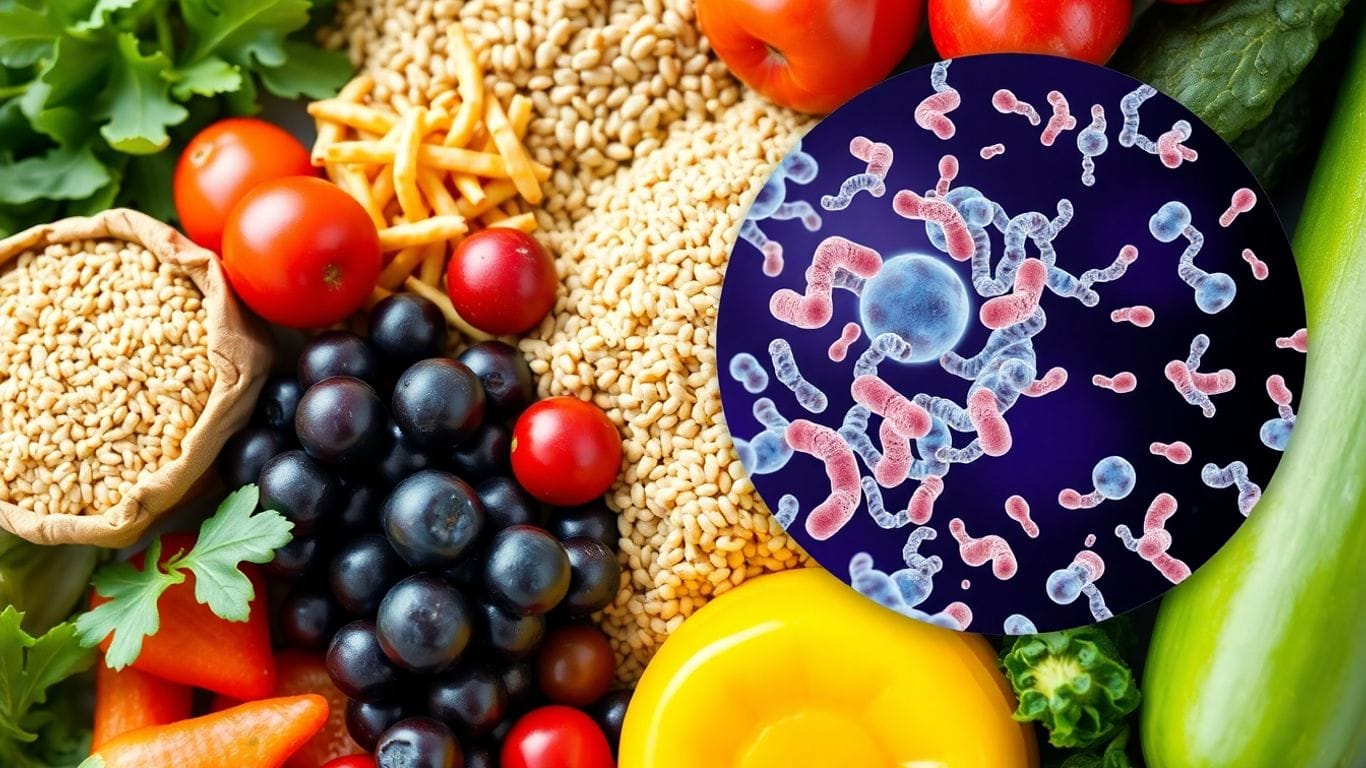
Gut Microbiome Diversity and Prebiotic Fiber is a topic that’s getting a lot of attention lately. People are realizing that the mix of bacteria in our gut can change depending on what we eat, especially when it comes to fiber. Prebiotic fibers, in particular, seem to feed certain good bacteria, but there’s still a lot we don’t know about how this really works in humans. Some studies show benefits, others show mixed results, and it turns out everyone’s gut reacts a bit differently. In this article, we’ll break down what’s known so far about how prebiotic fibers interact with our gut microbiome, what happens during fermentation, what kinds of fibers are out there, and what human research has found.
Key Takeaways
- Prebiotic fibers help feed specific types of gut bacteria, but not everyone responds the same way.
- The structure and type of fiber matter a lot—some are broken down easily, others not so much.
- Clinical trials show that some fibers increase certain bacteria like Bifidobacterium, but the results vary widely by person.
- Baseline gut microbiome diversity might predict how someone responds to prebiotic fiber.
- More research is needed to figure out which fibers work best for which people and why.
Overview of Gut Microbiome Diversity and Prebiotic Fiber
The Role of the Gut Microbiome in Human Health
The human gut is teeming with bacteria, fungi, and other microorganisms. These microbes don't just hang out—they help process food, protect against unwanted germs, and communicate with our immune system. What’s wild is that the mix of tiny creatures, known as your gut microbiome, is personal. It’s shaped by where you live, your health, even stress levels or whether you’ve taken antibiotics. Changes in this microbial community have been tied to everything from inflammation to mood swings and metabolism problems. Some have even started exploring how checking on your gut, like monitoring iron through an Iron, TIBC & Ferritin Panel, can give clues about your overall health.
- The microbiome shapes digestion and absorption of nutrients.
- It can help fight off infections.
- Signals from microbes can impact brain function and inflammation levels.
Even if you don't notice it day-to-day, the trillions of microbes inside you quietly influence how you feel physically and mentally.
Definition and Classification of Prebiotic Fiber
Prebiotic fibers are special plant fibers. Your body can’t digest them, but certain gut bacteria thrive on them. The official line? Prebiotics are substances that gut microbes selectively chow down on, triggering real changes in what types of bacteria are present or how active they are, which can end up benefiting your health. Not all dietary fibers are prebiotics—only those that are fermented and selectively support good gut bugs qualify.
Common Groups of Prebiotic Fibers:
- Fructooligosaccharides (FOS)
- Inulin
- Galactooligosaccharides (GOS)
- Resistant starch
| Type | Natural Sources | Common Microbes Enriched |
|---|---|---|
| Inulin | Chicory root, onions | Bifidobacterium, Lactobacillus |
| GOS | Legumes | Bifidobacterium |
| Resistant starch | Cooked/cooled potatoes | Eubacterium, Ruminococcus |
Dietary Factors That Shape Microbiome Diversity
Diet is a major sculptor of your gut microbiome. Some foods, especially those high in fiber or certain plant compounds, encourage a wider range of microbes, while a diet heavy in processed foods or low in fiber narrows your gut’s diversity. Even short-term dietary shifts—such as switching from a high-fiber, plant-based pattern to one based on animal products—can cause a real shake-up in gut bugs within 24 hours. The pattern tends to stick: people who stick to plant-based eating typically have different (often richer) microbiome profiles than those favoring low-fiber, processed-food diets.
Key dietary influences:
- High fiber intake increases diversity and abundance of beneficial gut microbes.
- Sudden dietary changes can quickly overhaul microbial populations.
- Fat, protein, and processed foods tend to limit overall microbial variety.
Staying on top of your food choices may help you maintain a more balanced microbiome, possibly translating into better digestion, less inflammation, and other broad health perks.
Fermentation Pathways and Microbial Metabolites
Mechanisms of Dietary Fiber Fermentation
The human gut can't really handle breaking down certain fibers — that's where the gut microbes step in. Bacteria in the colon ferment dietary fibers that pass through our digestive tract undigested, turning them into different types of metabolites.
There are a few main steps:
- Fibers, like inulin and resistant starch, reach the colon mostly unchanged.
- Different groups of bacteria attack these fibers, breaking them down under anaerobic (no oxygen) conditions.
- The result? Various end-products, mainly short-chain fatty acids (SCFAs), gases (like hydrogen and carbon dioxide), and sometimes small amounts of alcohols.
The main thing shaping this process is the fiber's structure and how much of it actually gets to the colon. For example, tightly-packed or less-soluble fibers ferment slower and mostly in the distal colon. Perks for the body start with the way these microbial communities unlock energy from food particles through fermentation.
Each person’s gut reacts a bit differently to the same types of fiber, depending on the types and amounts of bacteria hanging around in their intestines.
Short-Chain Fatty Acid Production and Health Effects
When we talk about fermentation, SCFAs are the stars of the show. The big three are acetate, propionate, and butyrate, found in the gut in a typical ratio of 3:1:1. These acids aren't just leftovers — they serve multiple roles in your body, including fueling your colon cells, supporting your immune system, and helping maintain the gut lining.
Here's a look at some of their main jobs:
- Acetate: Used throughout the body as an energy source; it also helps in cholesterol metabolism.
- Propionate: Supports glucose production in the liver and has a role in appetite control.
- Butyrate: Feeds colon cells and helps keep the gut lining strong.
| SCFA | Main Bacterial Producers | Primary Functions | Typical % of Total SCFA |
|---|---|---|---|
| Acetate | Bifidobacterium, Bacteroides | Energy source for tissues, cholesterol metabolism | ~60% |
| Propionate | Bacteroides, Veillonella | Gluconeogenesis, regulates appetite | ~20% |
| Butyrate | Faecalibacterium, Roseburia | Main fuel for colon cells, gut barrier support | ~20% |
It’s no exaggeration: butyrate supplies about 10% of your daily energy and is especially loved by the cells lining your colon. Without it, those cells suffer, which can mess up your digestive health.
Impact of Fiber Structure on Microbial Metabolism
How a fiber is built changes the fermentation game:
- Soluble fibers (like pectins and some beta-glucans) dissolve in water and are easier for gut bacteria to ferment quickly.
- Insoluble fibers (like cellulose) are tough, so bacteria break them down more slowly, mostly deeper in the colon.
- Some fibers are long chains (polysaccharides) full of branches, making them tricky and favoring certain bacteria over others.
Different microbes are picky eaters. For instance, Bacteroides species are famous for their broad menu — they break down just about any fiber thrown at them, while others go for simpler carbs. The mix and match of bacterial foraging decides what metabolites get pumped out and in what amounts.
When you change the types of fiber you eat, you tweak which bacteria thrive in your gut and what sorts of by-products (like SCFAs) they generate. This is one reason people can have such unique gut responses to high-fiber diets.
Prebiotic Fiber Sources and Functional Properties
Types and Characteristics of Prebiotic Fibers
Prebiotic fibers come in several forms, each with unique traits. But not all fibers have prebiotic properties—only those that are non-digestible and that are used as fuel by beneficial gut bacteria fit the bill. The main recognized types include:
- Fructooligosaccharides (FOS) and inulin: Both are found in foods like chicory root and garlic, and are known to mainly nourish Bifidobacteria.
- Galactooligosaccharides (GOS): These are often produced from lactose and tend to encourage Lactobacillus and Bifidobacterium growth.
- Resistant starch: Unlike regular starch, this one slips through digestion and gets fermented in the colon, supporting gut health in various ways.
- Other oligosaccharides (such as Xylo-oligosaccharides (XOS) and Arabinoxylan-oligosaccharides (AXOS)): Present in whole grains, supporting different microbial populations.
These fibers differ in how quickly they're fermented, what microbes they promote, and what kinds of byproducts get made as a result.
| Fiber Type | Main Food Sources | Promoted Microbes | Major Metabolites |
|---|---|---|---|
| Inulin/FOS | Chicory, leeks, garlic | Bifidobacterium | Acetate, butyrate |
| GOS | Dairy, beans | Lactobacillus, Bifido | Acetate |
| Resistant Starch | Potatoes, green bananas, grains | Ruminococcus, Eubacterium | Butyrate |
| XOS/AXOS | Wheat bran, rye | Bifidobacterium | Acetate, propionate |
| Beta-glucans | Oats, barley | Various | Mixed SCFAs |
Natural Occurrence in Plant Foods
You don't have to buy supplements to get prebiotics—plenty of everyday plant foods have significant amounts. Here are some of the top sources:
- Onions, garlic, and leeks (high in inulin/FOS)
- Whole wheat products and rye (rich in XOS/AXOS)
- Legumes (source for GOS)
- Green bananas and cooked/cooled potatoes (packed with resistant starch)
- Oats and barley (excellent for beta-glucans)
But the mix of fibers in plant foods can differ a lot. For example, an oat cereal doesn’t just have beta-glucans—it comes with arabinoxylans, some resistant starch, and other plant compounds all at once.
Eating a wide variety of fiber-rich plants seems to be a simple way to encourage a more balanced and robust gut microbiome.
Physicochemical Traits Influencing Microbiome Modulation
Prebiotic fibers aren’t all the same, and several factors make a big impact on how and by whom they get used in the gut.
- Solubility: Soluble fibers dissolve in water and are usually fermented more easily, while insoluble fibers pass through more slowly.
- Chain length (degree of polymerization): Shorter chains are typically fermented faster, leading to quick shifts in certain bacteria; longer chains are more gradual in their effects.
- Branching and linkage types: The exact way sugar molecules are linked changes which microbial enzymes can attack each fiber.
Here are some key factors that matter for function:
- Solubility in water: affects fermentation rate and reaches specific gut areas.
- Molecular size: determines which species can digest the fiber.
- Food matrix: nutrients surrounding the fibers in whole foods can shape which bacteria thrive.
In other words, the structure of prebiotic fibers guides which microbial species are fueled, and also what sort of health effects might happen down the chain. There's a lot more to it than just "eat more fiber"—the details really matter!
Clinical Trials on Gut Microbiome Diversity and Prebiotic Fiber
There’s been quite a bit of interest lately in how prebiotic fibers change the gut microbiome in people. Human trials have tried different types of fibers and studied whether these changes in gut bacteria lead to real health results. Let’s break down what’s been seen in recent research.
Key Findings from Recent Human Studies
- Most clinical studies agree that prebiotic fibers like inulin, galactooligosaccharides (GOS), and arabinoxylan oligosaccharides often boost levels of Bifidobacterium and sometimes Lactobacillus.
- Soluble corn fiber and polydextrose appear to cause changes in a wider range of bacteria, especially in the Firmicutes and Bacteroidetes groups.
- There’s huge variability depending on individual differences and which fiber is used - notably, some fibers spark increases in short-chain fatty acids like butyrate, which has been linked to gut health.
Here’s a quick summary table from a few recent trials:
| Fiber Type | Duration | Population | Key Microbiome Changes | Notable Health Markers |
|---|---|---|---|---|
| Arabinoxylan oligosaccharide | 3 weeks | Adults, 20F/20M | ↑ Lactobacilli, ↑ Bacteroides | ↑ Butyrate |
| GOS | 10 weeks | Older adults | ↑ Bifidobacterium, ↑ Bacteroides | ↑ Lactate, glutamate |
| Agave inulin | 3 weeks | Adults, 15F/14M | ↑ Bifidobacterium, ↓ Ruminococcus | ↓ Desulfovibrio, ↑ SCFA |
| Inulin + oligofructose | 12 weeks | Adults, 30F | ↑ Bifidobacterium species | Increased acetate, propionate |
| Whole grain (high fiber) | 6 weeks | Adults, 21F/12M | No significant microbiome shift | – |
Variability in Microbial and Metabolic Responses
- Not everyone reacts the same way to the same prebiotic fiber. Some people see big swings in their gut bacteria, while others see little or no change. Researchers even call them "responders" and "non-responders."
- Some clinical studies log big jumps in short-chain fatty acids (SCFAs) like butyrate, but for others, the levels barely budge. These SCFAs are thought to support gut health and inflammation regulation, but the clinical benefits aren’t always clear-cut yet.
- Factors that appear to shape the response:
- Baseline gut microbiome composition
- The exact type and source of prebiotic fiber
- Compliance to the dietary intervention
- Possible use of gut health kits like the Repose Digestive Health Therapy Kit
People’s gut microbes are like a fingerprint—unique and not always predictable. That's probably why outcomes for microbiome changes in clinical trials are so mixed.
Comparison of Different Prebiotic Fiber Interventions
- Trials testing multiple types of fibers head-to-head show that inulin and GOS reliably promote Bifidobacterium. Meanwhile, more complex or mixed-source fibers might nudge other bacteria or even reduce some, like Ruminococcus (which may not always be bad).
- Some studies show that specific fibers have detectable effects in as little as three weeks, but the magnitude varies between fibers and people.
- Not all high-fiber foods impact the microbiome the same way. For example, simply eating more whole grains may not shift bacterial populations much for everyone.
In summary: Recent clinical research highlights both the power and unpredictability of prebiotic fibers in shifting gut microbiome diversity in humans. While some well-chosen fibers almost always boost Bifidobacterium, other results—like health benefits or changes in SCFA production—can be hit or miss and may require more personalized approaches.
Personalized Responses and Predictors of Efficacy
The way each person reacts to prebiotic fiber is almost never the same. It’s actually pretty common for research studies with prebiotics to report clear responder and non-responder groups—some people show strong changes in their gut bacteria or related health benefits, while others hardly budge.
Individual Variability in Microbiome Composition
Your unique mix of gut bacteria can make all the difference when it comes to responding to different prebiotic fibers. For example, if a particular fiber requires a certain microbe to break it down and you don’t have it, you may see almost no effect. A few important points that drive this variability are:
- Individual differences in overall microbial diversity
- The presence or absence of keystone species like Ruminococcus bromii (needed for resistant starch fermentation)
- Differences in diet, medication, and even genetics
Baseline Diversity as a Predictor of Response
People with a richer, more diverse gut microbiome at the start tend to see stronger or more positive shifts in response to prebiotic fibers. In contrast, individuals with lower baseline diversity may be less likely to experience benefits, or may only see small changes.
Here’s a straightforward look at what matters:
| Factor | Effect on Prebiotic Response |
|---|---|
| High base microbial richness | Greater responsiveness |
| Low base richness | Reduced/preferential response |
| Presence of keystone species | Higher fiber fermentation |
| Absent key species | Weak or no response |
Most of the time, the gut microbiome needs a certain level of diversity and the right “players” to really put those prebiotic fibers to work. Without that, the changes just aren’t all that impressive.
Role of Microbial Enzyme Capacity (CAZymes)
Another huge driver is the gut microbiome’s enzyme potential, especially the carbohydrate-active enzymes (CAZymes) encoded by your resident bacteria. Simply put, CAZymes allow microbes to chop up and eat all sorts of fiber molecules. The greater your gut’s CAZyme toolkit, the wider the variety of prebiotics it can process.
Key things to know about CAZymes and personalized response:
- Not all gut microbes have the same enzymes—some can use certain fibers, others can’t.
- CAZyme-rich microbiomes break down more complex or unusual fibers.
- Profiling the gut microbiome for its CAZyme diversity is being studied as a way to predict who will actually benefit from a particular prebiotic.
Personalized nutrition isn’t just a buzzword—it really comes down to the details of what’s living in your gut, how many different microbes you have, and what enzymes they bring to the table. The next steps for science will be to identify those important features, then match people with the prebiotic fibers that fit their unique gut profile.
Conclusion
Wrapping things up, it's clear that the gut microbiome is shaped by what we eat, especially the types of fiber and prebiotics in our diets. Human studies show that different fibers can change the mix of gut bacteria and their activity, but the results aren't always the same for everyone. Some people respond more than others, and a lot depends on the fiber type, the dose, and even the person's starting gut bacteria. While there’s a lot of excitement about using prebiotic fibers to support gut health, we still need more well-designed studies to figure out exactly how these changes affect our health in the long run. For now, eating a variety of fiber-rich foods seems like a good bet for most people, but science is still catching up on the details. As research moves forward, we’ll hopefully get a clearer picture of how to use prebiotics and fiber to keep our guts—and the rest of us—healthy.
Frequently Asked Questions
What is the gut microbiome and why is it important?
The gut microbiome is made up of trillions of tiny living things, like bacteria, that live in your digestive system. These microbes help break down food, make vitamins, and protect you from harmful germs. A healthy gut microbiome can support your immune system and keep you feeling well.
What are prebiotic fibers and how do they work?
Prebiotic fibers are special types of plant fibers that your body can't digest. Instead, they travel to your gut where they feed good bacteria. These bacteria use the fibers to grow and make helpful substances, like short-chain fatty acids, which are good for your health.
Which foods are good sources of prebiotic fiber?
Prebiotic fibers are found in many plant foods. Some great sources include onions, garlic, bananas, oats, asparagus, and whole grains. Eating a variety of these foods can help your gut bacteria stay healthy and diverse.
How does fiber affect the gut microbiome?
Fiber acts like food for the good bacteria in your gut. When you eat more fiber, especially prebiotic fiber, it helps certain types of healthy bacteria grow. This can make your gut microbiome more diverse, which is linked to better health.
Can everyone benefit the same way from prebiotic fiber?
No, people can react differently to prebiotic fiber. Some people see big changes in their gut bacteria and health, while others see smaller effects. This depends on things like the types of bacteria you already have and how much fiber you eat regularly.
Are there any side effects from eating more prebiotic fiber?
Some people may feel gas, bloating, or stomach discomfort when they first start eating more prebiotic fiber. These side effects are usually mild and go away as your body gets used to the extra fiber. It's a good idea to add fiber to your diet slowly and drink plenty of water.