
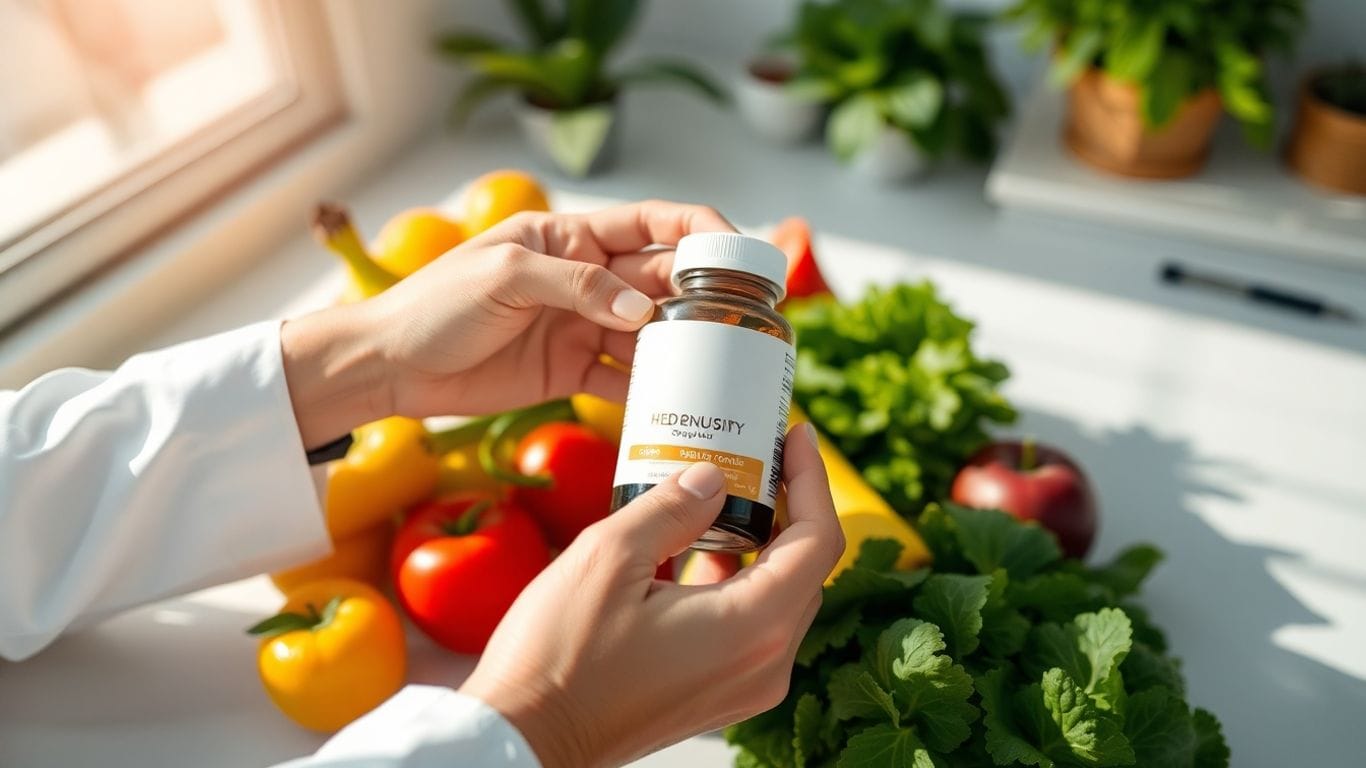
Glutathione is talked about a lot in the world of functional medicine. It’s often called the body’s main antioxidant, and for good reason. People with chronic health issues—like autoimmune problems or long-term inflammation—might hear about glutathione from their practitioners. But what does it really do, and how do functional medicine providers use it in their protocols? In this article, we’ll walk through why glutathione matters, what affects its levels, how it’s tested, and what to watch out for if you’re thinking about supplementing. Plus, you’ll get some practical tips that practitioners use when talking to patients about glutathione.
Key Takeaways
- Glutathione helps control inflammation and supports the immune system, making it important for people dealing with chronic illness.
- Many things can lower glutathione levels, like genetics, poor diet, exposure to toxins, or ongoing stress.
- Testing for glutathione and related nutrients is key before starting supplements—self-medicating isn’t a good idea.
- Supplementing with glutathione can help in specific cases, but too much can throw off the body’s nutrient balance or cause side effects.
- Practitioners focus on educating patients about safe, evidence-based use and often include glutathione as part of a bigger, whole-person care plan.
Glutathione’s Role in Functional Medicine
Glutathione is something you’ll hear about a lot if you spend time reading up on functional medicine or chronic disease support. This molecule gets called the "master antioxidant" because it's at the heart of how our bodies handle oxidative stress and inflammation. Functional medicine practitioners look to glutathione not just for illness recovery, but for ongoing wellness as well. Let’s get into some of the most important ways glutathione fits into modern care approaches.
Regulating Oxidative Stress and Inflammation
- Glutathione helps mop up free radicals before they can damage cells or DNA.
- This process is central for keeping inflammation from spiraling out of control, which is linked to both minor complaints (like fatigue) and more serious long-term conditions.
- People dealing with chronic inflammation—think autoimmune problems or stubborn fatigue—may have low levels of glutathione, making it even harder for their bodies to cope with daily stressors.
| Function | Role of Glutathione |
|---|---|
| Antioxidant defense | Neutralizes free radicals |
| Inflammation regulation | Supports keeping inflammation in check |
| Cell protection | Defends against oxidative stress |
When oxidative stress isn’t managed, all sorts of symptoms can pop up—sometimes without a clear diagnosis for months. Keeping antioxidant systems healthy isn’t “optional”—it’s one of the ways we stay resilient as we age.
Supporting Immune System Activation
- Glutathione influences both the innate and adaptive immune responses.
- If you’ve ever had drawn-out infections or seem to catch every cold, low glutathione might be part of the reason your defense is down.
- It balances immune activation so your body fights invaders, but doesn't start mistaking your own tissues for a threat.
Immune-support is especially important for folks with autoimmunity. Practitioners sometimes monitor additional markers like ferritin or inflammation panels (see Iron, TIBC & Ferritin Panel) to get a full picture of what's happening in the body.
Influence on Chronic Disease Progression
- Most chronic diseases, like diabetes or heart disease, share a link: long-term oxidative stress and lingering inflammation.
- Reduced cellular glutathione appears in many of these conditions, setting the stage for cell damage and poor healing.
- Some practitioners use glutathione-boosting protocols as part of long-term disease management—not just quick fixes, but for helping support tissue function over time.
A few ways low glutathione might show itself:
- Worsening inflammation or joint pain
- Slower recovery from exercise or illness
- Trouble with detoxification—think frequent headaches after smells or certain foods
Supporting glutathione isn’t the answer to everything, but it’s a practical piece of making functional medicine care more proactive and personal. If nothing else, it helps connect the dots for patients who want more than symptom band-aids and are looking to support their bodies for the long haul.
Factors Affecting Glutathione Levels
Everyone’s glutathione levels are as unique as their fingerprint. Why does it swing up or down? There are a bunch of reasons, and they add up to determine how well your body can fight off stress or toxins. If you’re wondering why some folks just seem to bounce back faster or handle exposure to chemicals better, a big part of that answer sits with glutathione.
Genetic Predispositions and Enzyme Activity
Your DNA controls several enzymes that help make and recycle glutathione. Some people inherit gene variants that slow down these enzymes, making it harder for their cells to keep glutathione at its best.
- Glutathione S-transferase (GST) variants can lower detox capacity.
- Glutathione peroxidase differences impact antioxidant defenses.
- Methylation pathway changes (like MTHFR SNPs) may reduce building blocks.
A person might follow the exact same diet as their sibling but still end up with lower glutathione just because of genetics—so family history matters.
Environmental and Lifestyle Contributors
What you’re exposed to and how you live play a huge role too. Toxins and even your habits can wear down glutathione stores fast.
Common Environmental/Lifestyle Stressors Depleting Glutathione:
- Chronic psychological stress
- Air pollution and chemical exposures
- Regular alcohol use
- Smoking
- Poor sleep
| Factor | Impact on Glutathione |
|---|---|
| Heavy metals | Decrease |
| Persistent stress | Decrease |
| Pesticide exposure | Decrease |
| Exercise (acute, mild) | Increase |
| Tobacco smoke | Decrease |
Dietary Deficiencies and Toxins
Your body has to build glutathione from certain nutrients. If your diet is off, glutathione tanks. At the same time, food toxins or contaminated water can use it up even faster.
Key nutrients (and what happens if they run low):
- Cysteine: shortage = poor glutathione production.
- Glycine: low levels limit building blocks.
- Selenium: needed for glutathione-recycling enzymes.
- Vitamins B6, B12, and folate: help supply the methyl groups for making new molecules.
Common ways diet falls short:
- Skipping protein-rich foods
- Eating mostly processed meals
- Not enough fruits, veggies, or quality animal products
It’s easy to forget how much your environment and what you eat can drain your “antioxidant bank account.” Even living in a busy city or having just a few extra drinks per week might shift the balance.
Clinical Applications of Glutathione Supplementation
Glutathione’s use in clinical practice has earned attention for its potential to support a range of chronic health issues. Many practitioners in functional medicine see glutathione as more than just another antioxidant—it’s viewed as a foundation for supporting patients with ongoing inflammation and immune-related conditions.
Autoimmunity and Chronic Illness Support
Glutathione is commonly considered as part of protocols for patients with autoimmune disorders or persistent, unexplained symptoms. When the immune system goes off track, oxidative stress becomes a major factor, and this can lower glutathione levels. Here’s where supplementation steps in:
- May help promote a more balanced immune response, which is critical in autoimmune diseases.
- Can assist in lowering symptom flares linked to oxidative stress.
- Has been studied for its effects in chronic conditions such as multiple sclerosis and lupus, though results can vary.
Some practitioners will mention that improvements in fatigue and resilience to infections are often reported by patients with low baseline glutathione.
Optimizing Detoxification Pathways
Glutathione is a key player in the body’s detoxification processes, especially in the liver. It supports the conversion of toxins into forms that can be safely removed from the body. Practitioners often consider the following when adding glutathione to a detox plan:
- Patients with significant toxin exposure (e.g. heavy metals, environmental chemicals)
- People with sluggish liver function or poor phase II detox
- Individuals on multiple medications where drug clearance needs to be supported
Below is a brief table outlining glutathione delivery approaches and their use in detox strategies:
| Delivery Form | Typical Use Case |
|---|---|
| Oral supplements | General wellness, mild depletion |
| Liposomal glutathione | Enhanced absorption, liver support |
| IV administration | Severe depletion, acute toxicity |
Enhancing Athletic Recovery and Anti-Aging
Athletes and those concerned with aging are turning to glutathione as a way to recover faster and support longer-term resilience. Here’s how supplementation is being used:
- Helps buffer muscle fatigue after strenuous exercise
- May reduce soreness and allow quicker return to training
- Supports skin health by countering oxidative damage linked to aging
Some protocols combine glutathione with other nutrients (like vitamin C or B vitamins) to boost these effects.
Many patients find that, alongside balanced diet and sleep, glutathione makes a noticeable difference in energy and recovery time. But it’s not a magic pill—it’s one part of a larger health approach.
Testing and Assessment of Glutathione Status
Figuring out whether someone has healthy glutathione levels isn’t always simple. Several test types can help, and understanding the results takes some context. Checking glutathione status is a key part of building a functional medicine approach, especially when chronic health or detox issues are suspected.
Laboratory Biomarkers and Test Options
Lab markers for glutathione come in a few flavors:
- Whole blood or plasma glutathione: Often measures total, reduced (GSH), and oxidized (GSSG) forms
- Urinary organic acid tests: Look for pyroglutamic acid, a byproduct that is higher when glutathione stores drop
- Advanced oxidative stress panels: Check both glutathione plus other indicators like lipid peroxides or 8-OHdG
| Test Type | Sample | What It Measures |
|---|---|---|
| Blood/Plasma GSH & GSSG | Blood | Reduced and oxidized glutathione |
| Organic Acids Test (OAT) | Urine | Pyroglutamic acid |
| Oxidative Stress Panel | Blood/Urine | Total oxidative markers |
Routine labs like the Comprehensive Metabolic Panel don’t measure glutathione directly but can still hint at issues with liver health, which impacts glutathione synthesis.
Interpreting Reduced versus Oxidized Glutathione
Reduced glutathione (GSH) is the active, antioxidant form. Oxidized glutathione (GSSG) signals oxidative stress and depletion.
- Healthy cells usually have a high GSH:GSSG ratio (well above 100:1)
- In illness or stress, this can fall to 10:1—or even lower
- A drop in this ratio means antioxidant defenses are struggling
Clinicians will not just look at the absolute numbers, but how these numbers relate to each other. Low total glutathione or a low GSH/GSSG ratio flags that the antioxidant system needs support.
Identifying Related Nutrient Deficiencies
Glutathione doesn’t work in a vacuum. Its production and effectiveness rely on several nutrients and cofactors:
- Amino acids: Cysteine, glycine, and glutamine are critical for making it
- Minerals: Selenium and zinc help recycle glutathione
- B-vitamins: Especially B6, B12, and folate—important for methylation and detox support
Deficiencies in these can show up as stubbornly low glutathione on repeat testing.
Sometimes, low glutathione isn’t a problem with the antioxidant itself—it’s what’s happening around it. Looking at related nutrients and overall health is as important as the test value itself.
Testing is helpful, but numbers need context—individual health, environmental exposures, and underlying nutritional status all matter. That’s why many providers use several test types and re-check tests as a patient’s protocol progresses.
Optimizing Glutathione in Functional Medicine Protocols

Approaches to Increasing Cellular Glutathione
There are a handful of reliable ways practitioners work to raise cellular glutathione. The big ones include:
- Supplementation with reduced glutathione or precursors like N-acetylcysteine (NAC), which often proves more effective because your body can use them directly to make glutathione.
- Focusing on dietary choices, especially foods rich in sulfur, such as broccoli, garlic, and onions. These can help the body maintain steady supplies of building blocks.
- Using lifestyle adjustments like sleep improvement and stress reduction, since both poor sleep and high stress drain glutathione much faster than most folks realize.
Different patient cases may call for different combinations, so there’s rarely a one-size-fits-all solution.
Synergistic Role of Cofactors and Nutrients
To work at its best, glutathione needs some friends:
- B vitamins (especially B2 and B6)
- Selenium
- Zinc
- Vitamin C and E
These nutrients act as cofactors, supporting the enzymes that help make and recycle glutathione. Without enough of these, even high oral glutathione doesn’t get you very far. Here’s a snapshot of common cofactors:
| Cofactor | Function |
|---|---|
| Selenium | Helps glutathione peroxidase |
| Vitamin C | Regenerates reduced glutathione |
| Vitamin B2 | Supports glutathione reductase |
| Zinc | Modulates antioxidant enzymes |
Personalizing Doses Based on Patient Needs
Not everyone needs the same amount of glutathione. A few steps to figure out what’s best:
- Assess baseline levels with reliable lab tests.
- Review patient symptoms, medical history, and known exposures (e.g., toxins, medications, chronic illness).
- Start with conservative doses and adjust based on outcomes and any side effects. Many practitioners use 250-500 mg per day, but doses may go higher for specific cases.
- Monitor for signs of nutrient depletion, as long-term, high-dose glutathione can lower levels of zinc or other minerals.
Supporting your glutathione should always fit the bigger picture of a person’s overall health plan. Food, lifestyle, and supplements should all work together, not in isolation.
Potential Risks and Considerations in Glutathione Therapy
Nutrient Depletion and Imbalance Risks
The main risk with steady glutathione supplementation is nutrient depletion, though it’s not something most people think about. If you use glutathione supplements for an extended time, you might actually lower the levels of certain nutrients that it relies on—like cysteine, glycine, and glutamate. Your body needs these for making more glutathione, and if you’re not getting enough from your diet or other sources, you could be setting yourself up for trouble.
Common nutrients that can be impacted include:
- Cysteine (amino acid)
- Glycine (amino acid)
- Glutamate (amino acid)
- Zinc
- Selenium
| Nutrient | Role in Glutathione Production | Signs of Deficiency |
|---|---|---|
| Cysteine | Glutathione precursor | Fatigue, poor detoxification |
| Glycine | Glutathione precursor | Muscle loss, poor sleep |
| Zinc | Enzyme cofactor | Low immunity, delayed healing |
| Selenium | Enzyme cofactor | Thyroid problems, weak antioxidant status |
Sometimes, folks focus on one supplement and forget the bigger nutritional picture. Balance really matters when you're tweaking core pathways in the body.
Possible Side Effects and Contraindications
While many people tolerate glutathione, some do experience side effects. Here are a few things you might run into:
- Stomach upset (nausea, cramps, loose stool)
- Allergic skin reactions (itching, rash)
- Breathing issues (not common, but possible with inhaled forms)
- Headache or fatigue
For people with asthma, nebulized glutathione can sometimes trigger bronchospasm. And if you have certain health problems, like kidney or liver disease, taking high doses without medical supervision is not a safe bet.
Long-Term Safety in Supplementation
There’s not a lot of research on what happens when you take glutathione supplements for years at a time. Most studies look at a few months, so it’s tough to say what the impact is over decades. Some questions that still need answering:
- Could your body make less of its own glutathione if you supplement for too long?
- What’s the effect on nutrient stores (like minerals and other amino acids) over time?
- Are there quiet side effects that only show up after years?
In the end, the safest approach is to talk with a provider about your unique situation. Don’t assume more is always better—sometimes less really is more, especially with something as central to your body’s functions as glutathione.
Practitioner Strategies for Patient Education
Guiding Patients on Evidence-Based Use
Patients often hear about glutathione online and show up with lots of questions. This is a perfect chance for practitioners to set the record straight. Guide your patients by explaining the solid research behind glutathione, what health issues it actually supports, and which claims are overblown.
- Share which forms and delivery methods are best backed by studies (like IV, certain oral formulations, versus unproven powders).
- Explain appropriate uses (detox support in specific conditions, antioxidant needs, etc.) and what isn’t proven.
- Walk through how to track progress, like using lab values or reviewing symptom changes, rather than just guessing if it’s working.
Many folks assume more is always better, but that isn’t always true with glutathione. Going over how to read lab results and understanding individual health needs can help patients get the greatest benefit, while skipping the hype.
Discouraging Self-Medication and Overuse
It’s easy for patients to want to try supplements they saw on social media, but self-medicating comes with risks. Help patients understand why professional guidance matters:
- Highlight real risks: Overuse can deplete needed cofactors, cause imbalances, or interfere with medications.
- Outline the importance of lab testing before starting any new supplement—especially if someone takes other medicines or is managing chronic illness.
- Encourage open communication and check-ins, so tweaks can be made based on lab tests, side effects, or other health changes.
Sample Table: Common Mistakes with Self-Medicating Glutathione
| Mistake | Potential Outcome |
|---|---|
| Taking too high a dose | Nausea, abdominal cramps |
| Ignoring pre-existing conditions | Worsening symptoms |
| Skipping tests | Missed nutrient deficiencies |
Integrating Glutathione into Whole-Person Care
Successful protocols aren’t just about one supplement. Discussing where glutathione fits within a bigger health plan is important for patient buy-in. Here are some ways to make the conversation practical:
- Position glutathione as an extra layer of support—not a replacement for other strategies like a balanced diet, movement, or sleep hygiene.
- Tie in how lifestyle changes (avoiding toxins, managing stress, eating nutrient-rich foods) can naturally support glutathione levels, so the supplement is an add-on, not the whole approach.
- Personalize strategies based on patient history, labs, and ongoing symptoms, so patients know their plan is tailored to them—not just a generic list.
When patients see how glutathione fits into their ‘bigger picture,’ they’re more likely to stick with protocols and less likely to treat supplements as quick fixes.
Conclusion
Wrapping up, glutathione has become a regular part of many functional medicine protocols, and for good reason. It plays a big role in how our bodies handle stress, toxins, and even the aging process. Practitioners have seen that, when used carefully and with the right testing, glutathione can help people with a range of chronic health issues. But it’s not a one-size-fits-all fix. Too much can throw off other nutrients, and not everyone needs the same amount. That’s why it’s best to work with a knowledgeable provider who can check your levels and guide you through the process. At the end of the day, glutathione isn’t a magic bullet, but it’s a useful tool in the toolbox for supporting better health.
Frequently Asked Questions
What is glutathione and why is it important for health?
Glutathione is a molecule made from three amino acids: cysteine, glutamate, and glycine. It acts as a powerful antioxidant, protecting cells from damage caused by free radicals. Glutathione also helps the liver remove toxins from the body and supports the immune system.
How can someone know if they have low glutathione levels?
A doctor can test for glutathione levels using blood or urine samples. Sometimes, special tests like the organic acids test or oxidative stress profile are used. Signs of low glutathione may include feeling tired, getting sick often, or having trouble recovering from illness.
What can cause glutathione levels to drop?
Several things can lower glutathione, like poor diet, stress, lack of sleep, being exposed to pollution or chemicals, drinking too much alcohol, and some genetic factors. Certain illnesses and aging can also reduce glutathione in the body.
Is it safe to take glutathione supplements?
Glutathione supplements are usually safe when taken as directed and under a doctor's care. However, taking too much can lower other important nutrients in the body. It’s best to talk to a healthcare provider before starting any new supplement.
How can people naturally boost their glutathione levels?
Eating foods rich in sulfur, like garlic, onions, and broccoli, can help the body make more glutathione. Getting enough sleep, exercising regularly, and avoiding too much stress or toxins also help keep glutathione levels healthy.
Should everyone take glutathione supplements?
Not everyone needs glutathione supplements. Most people can keep healthy levels with a good diet and lifestyle. Supplements may be helpful for people with certain health problems, but they should only be used with advice from a healthcare professional.