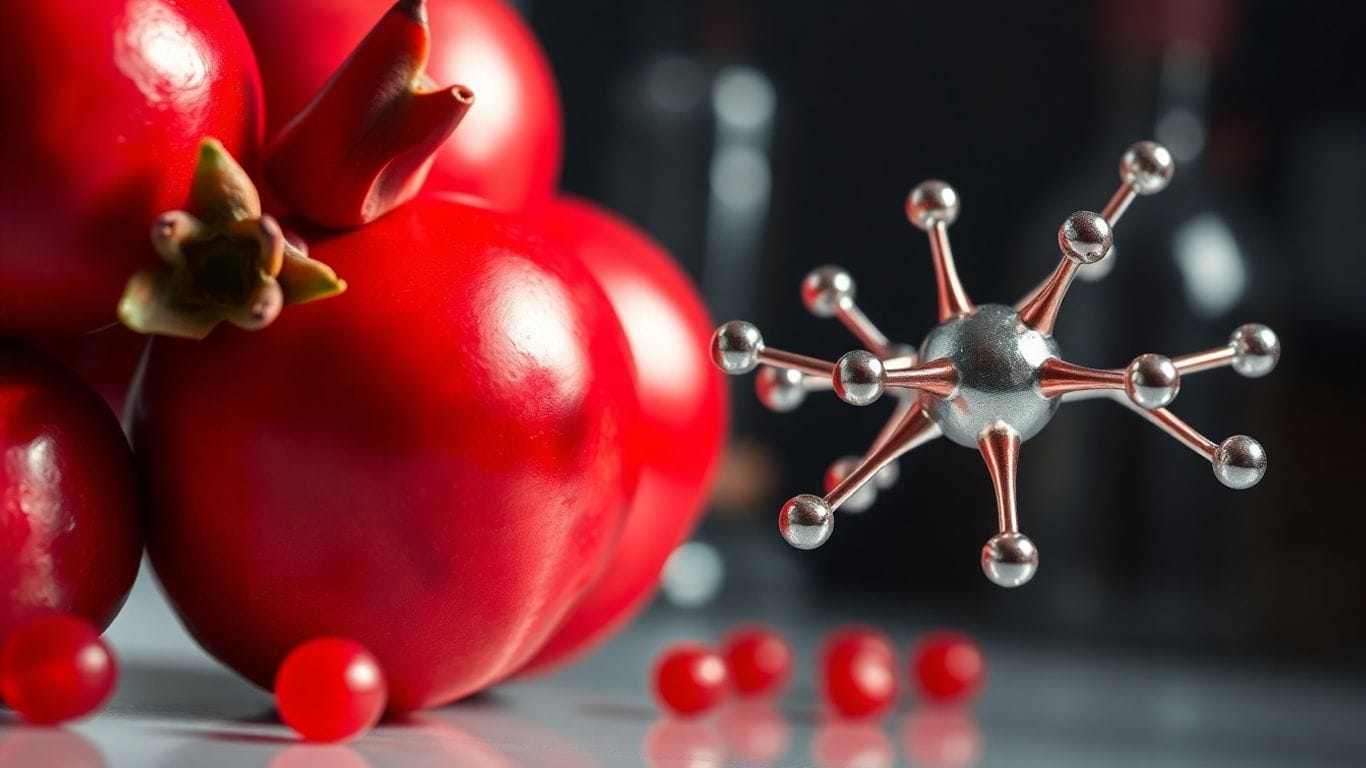
Urolithin A has been getting a lot of attention lately, especially among people interested in health and fitness. It's a compound that your body makes when you eat certain foods, like pomegranates, and your gut bacteria break them down. Even though there’s a lot of buzz about its benefits for muscles and aging, the science is still catching up. Researchers are trying to figure out exactly how Urolithin A works, how well your body absorbs it, and what really influences its effects. This article takes a closer look at what we know so far about how Urolithin A works in the body.
Key Takeaways
- Urolithin A is produced in the body after eating foods like pomegranates, thanks to gut bacteria.
- How much Urolithin A your body makes and uses depends on your gut microbiome, genetics, and what else you eat.
- It has antioxidant properties and can help protect cells from damage, possibly by both direct action and by turning on cell defense systems.
- Urolithin A may support muscle health by helping with cell energy, muscle repair, and possibly even muscle growth.
- Current research is promising but still early, especially in humans—more studies are needed to know how best to use Urolithin A for health.
Dietary Sources and Metabolic Pathways of Urolithin A
Origin of Urolithin A from Diet
Urolithin A doesn’t show up on your dinner plate directly. Instead, certain foods, especially those high in ellagitannins, kick off its production inside your gut. Pomegranates, walnuts, and some berries—like strawberries—are among the top contributors. But here’s the trick: you only get Urolithin A after these foods are digested with help from specific gut bacteria.
| Food Source | Key Precursors | Urolithin A Potential |
|---|---|---|
| Pomegranate | Ellagitannins | High |
| Walnut | Ellagitannins | Medium |
| Almond | Flavonoids | Possible |
| Strawberries | Ellagic Acid | Moderate |
| Raspberries | Ellagic Acid | Moderate |
- Not everyone’s gut bacteria can make Urolithin A from these foods.
- The actual amount formed depends on how much of the food you eat and your gut’s microbial balance.
- Processed foods typically won’t contain useful levels of these precursors.
For most people, you can eat a ton of pomegranate and still never create much Urolithin A unless you have the right microbes.
Absorption and Bioavailability in the Human Body
Once made in your colon, Urolithin A gets absorbed into your bloodstream fairly effectively. It’s mostly found floating around unbound, which means it’s in a free, active form rather than tied up with proteins. Even so, how much of it actually enters your system depends on the activity of your digestive tract, how quickly it moves, and the overall health of your gut wall.
Some key points:
- Absorption is mostly passive, meaning it doesn’t need much help.
- Levels in blood spike after eating ellagitannin-rich foods, but fade quickly.
- How much reaches your tissues also depends on your liver and kidney function.
Transformation and Excretion Mechanisms
Once inside the body, Urolithin A undergoes a few chemical tweaks, mainly in the liver. Enzymes there add groups like sulfate or glucuronide, which help make the molecule water-soluble. These changes are important because they help the body get rid of Urolithin A when it’s done its job.
- Modified forms are packed up and sent to the kidneys for elimination in urine.
- Some Urolithin A gets recycled in the gut and may be further broken down.
- The majority is excreted, but individual rates vary a lot—based on gut function, enzyme levels, and overall health.
The path from plate to pee isn’t straightforward; what you eat, your gut health, and your genetics all play a part in how much and how fast you excrete Urolithin A.
Factors Affecting Urolithin A Absorption and Metabolism
The way Urolithin A works in your body depends on a surprising number of things. Not everyone will process, absorb, or use Urolithin A the same way. Let’s take a closer look at some of the main players here.
Impact of Gut Microbiota and Genetics
Your gut bacteria pretty much run the show when it comes to making Urolithin A from foods you eat. Different people have different types and numbers of these bacteria, which means not everyone can make Urolithin A from the same foods, or in the same amounts. Genes play a part in this too, as they affect which metabolic enzymes your body makes and how well they work.
Some factors influencing Urolithin A conversion:
- Types and amounts of gut bacteria (like Bifidobacterium, Clostridium, Eubacterium)
- Genetic variants in metabolic enzyme production
- Health of your gut barrier and digestive tract
| Factor | Effect on Urolithin A | Example |
|---|---|---|
| Gut bacteria | Increases/Decreases | More Bifidobacteria may lead to more Urolithin A |
| Genetics | Changes efficiency | Certain enzyme genes boost or reduce production |
| Gut health | Alters absorption | Poor intestinal health may reduce uptake |
People often don’t realize how much their gut and genetics affect what they actually get from healthy foods. Just because you eat pomegranate, doesn’t mean your body makes or absorbs enough Urolithin A.
Influence of Dietary Components
What you eat alongside the foods rich in Urolithin A precursors also impacts absorption. Some foods may boost Urolithin A production, while others might block or compete for uptake in your gut. For example:
- Polyphenol-rich foods (like walnuts, pomegranate) give more raw material for your gut to make Urolithin A.
- High fiber may alter the rate things pass through your gut, affecting absorption time.
- Certain compounds (like phytates or tannins) might stop your body from absorbing Urolithin A efficiently.
| Dietary Factor | Possible Impact |
|---|---|
| Polyphenols | Increased Urolithin A production |
| High dietary fiber | Possible reduction in absorption |
| Competing nutrients | Inhibit or delay absorption |
Drug Interactions and Metabolic Enzyme Activity
Medicines can also mess with how you process Urolithin A. Some drugs crank up or slow down the enzymes (especially the cytochrome P450 family) that help your body use or get rid of Urolithin A. Here are a few examples:
- Liver enzyme inducers (like rifampicin, carbamazepine):
- May make you process and clear Urolithin A faster
- Can lower the amount in your body
- Enzyme inhibitors (like clarithromycin):
- Slow down Urolithin A breakdown
- May cause it to build up more
- Antibiotics & antifungals can disturb gut microbes or interact with key enzymes
| Drug/Compound | Effect on Urolithin A Metabolism |
|---|---|
| Rifampicin, carbamazepine | Accelerate breakdown (lower levels) |
| Clarithromycin | Slow breakdown (higher levels) |
| Antibiotics/antifungals | Disrupt gut bacteria, impact production |
If you’re on prescription drugs, especially ones that change liver enzyme activity, it’s worth thinking about how they could also change what your body does with supplements or functional foods.
So, with all these factors at play, two people eating the same meal could end up with totally different levels of Urolithin A in their bloodstream. It’s not just what you eat, but your gut, genes, and even your medicine cabinet that matter.
Antioxidant Properties and Cellular Effects of Urolithin A
Urolithin A has gotten some buzz lately, and a big reason is its connection to antioxidant benefits and what it does inside cells. Let’s break down its actions in a way that actually makes sense.
Direct Scavenging of Free Radicals
Urolithin A can grab hold of free radicals and stop them from trashing your cells. When your body goes through day-to-day life—working out, eating, even just breathing—free radicals are made. These unstable molecules bounce around and can damage DNA, proteins, and cell membranes if they build up. Urolithin A steps in and neutralizes some of the worst offenders, especially reactive oxygen species like superoxide and peroxides. It’s not magic, but it helps keep things in check before damage spirals out of control.
Activation of Cellular Antioxidant Pathways
There’s more to the story than just mopping up radicals. Urolithin A also gets your cells to produce more of their own defense systems by triggering specific cellular pathways, mainly the Nrf2 system. Here’s how it usually plays out:
- Kicks up the production of enzymes like superoxide dismutase (SOD) and glutathione peroxidase (GPx)
- Encourages the creation of glutathione, a key antioxidant your cells lean on
- Helps shut down some of the sources of new free radicals by slowing down overactive enzymes
Here’s a quick table on what these enzymes do:
| Antioxidant Enzyme | Main Function |
|---|---|
| SOD | Converts superoxide into hydrogen peroxide |
| GPx | Turns hydrogen peroxide into water |
| Glutathione | Neutralizes radicals and helps repair cell damage |
Regulation of Cell Cycle and Induction of Apoptosis
Urolithin A doesn’t just hang out—it's involved in deciding whether a cell keeps going or hits the brakes. Through regulating proteins called cyclins and CDKs, it can slow down the cell cycle, making certain cells take a beat before dividing. In some cases, especially if a cell is damaged beyond repair, Urolithin A can push it towards programmed cell death (apoptosis). This is a way for your body to clean house and get rid of potential troublemakers.
- Cell cycle gets paused at crucial checkpoints
- Proteins like p21 and p27 are involved in the slow-down process
- Damaged cells are nudged towards self-destruction if needed, helping prevent bigger issues later
Sometimes, it’s not just about stopping cell injury but also helping the body let go of cells that have run their course. Urolithin A is one of those little helpers in the background, nudging things in the right direction when stress or damage starts to add up.
Role of Urolithin A in Muscle Health and Function

Enhancement of Muscle Cell Proliferation
Urolithin A seems to help muscle cells multiply, which could be a game-changer for anyone dealing with muscle loss or weakness. Scientists think it works by touching some of the cell’s inner switches that spark new cell growth and keep old cells from falling apart too soon. For people who are aging or facing conditions that shrink muscle size, this means Urolithin A might offer a way to slow that whole process down. The evidence is early, but it looks promising so far.
Some ways Urolithin A appears to boost muscle cell proliferation:
- Encouraging the formation of new muscle fibers
- Protecting muscle cells from oxidative damage
- Supporting balance between muscle breakdown and rebuilding
Even low doses of Urolithin A have shown effects in various lab models, pointing to its potential regardless of age or activity level.
Support for Mitochondrial Function
Mitochondria are like tiny power plants in your muscle cells, and Urolithin A is getting attention because it seems to keep these power sources running better, for longer. The compound appears to trigger a process called mitophagy, which helps clear out old, tired mitochondria and makes room for fresh, working ones.
| Effect on Mitochondria | Observed Result |
|---|---|
| Mitophagy stimulation | Improved mitochondrial health |
| Increased ATP production | More cellular energy |
| Reduced reactive oxygen species | Less oxidative stress |
People have noticed they can exercise a bit longer before fatiguing, which could be tied to these mitochondrial improvements. It's like finally clearing out your garage, so there’s more space and fewer broken tools.
Promotion of Muscle Recovery and Growth
Getting sore after a tough workout is normal, but quicker recovery is always better. Urolithin A steps in by doing several things at once. It helps muscle fibers repair, may reduce the level of cell damage from tough workouts, and seems to speed up the return to "normal." This isn’t about getting you Hulk-sized overnight but could really matter for older adults or those recovering from injuries.
Main aspects of Urolithin A’s role in recovery and growth:
- Boosts muscle protein rebuilding after exercise
- Lowers the markers of muscle damage
- Helps keep inflammation in check after intense activity
While it's not a magic bullet, early signs suggest that Urolithin A might play a helpful part in supporting muscle health through regular exercise and aging.
Urolithin A’s Impact on Endurance and Physical Performance
Potential Anti-Fatigue Effects
Urolithin A has been getting attention for what it might do to help the body fend off fatigue, especially during long or tough exercise. The main idea here is that Urolithin A supports better energy supply in muscle cells by improving how well mitochondria work. When mitochondria work well, muscles can keep going for longer, which means you might not get tired as fast. On top of that, Urolithin A has some anti-inflammatory features. Less inflammation after a workout means less soreness and your muscles might recover faster, letting you go again sooner.
- Helps muscle cells keep up their energy so they don’t tire out as fast
- Supports quicker bounce-back after workouts by easing soreness
- Could help with muscle endurance during high-intensity activity
Most of what we know comes from studies on animals or in the lab. Human studies are still needed to be sure how strong these anti-fatigue effects really are.
Improvement of Energy Metabolism
Energy metabolism—basically, how the body takes food and turns it into power for movement—depends a lot on mitochondria. Urolithin A ramps up mitochondrial activity, which should mean muscles get more ATP (that’s their main energy source). It might also help with how well these tiny powerhouses repair themselves.
Here’s a quick look at mitochondrial changes linked with Urolithin A:
| Parameter | Without Urolithin A | With Urolithin A |
|---|---|---|
| Mitochondrial number | Normal | Increased |
| ATP production rate | Baseline | Higher |
| Markers of oxidative damage | Elevated | Lower |
- Gives muscles a larger pool of energy for exercise
- Might let athletes or everyday folks push harder or longer
- Lower damage may mean better muscle health after workouts
Contribution to Muscle Hypertrophy and Mass Maintenance
One of Urolithin A’s most promising features is its influence on muscle size and keeping muscle from shrinking over time. It may balance the creation and breakdown of muscle protein. In simple terms, it helps the body make new muscle fibers and prevents the loss of old ones, especially when you’re staying active or building strength.
Ways Urolithin A supports muscle growth:
- Encourages muscle cells to repair and grow, which is needed after tough workouts.
- Keeps protein production high in muscle tissue so growth can happen.
- Reduces how fast muscles break down, especially during long training or as we age.
Urolithin A looks like it could be useful for both athletes wanting more strength and for older folks trying to keep muscle as the years go by.
Molecular Mechanisms Underlying Urolithin A Activity
Urolithin A isn’t just any dietary metabolite—it interacts with several molecular signals inside the body, which helps explain why researchers are so interested in it. This section gets into the main ways Urolithin A changes how cells respond and function, especially under stress or during metabolism changes.
Activation of AMPK and PPARγ Signaling Pathways
Urolithin A is known for switching on the AMPK pathway, which acts as the cell’s energy sensor. When your cells pick up on changing energy needs, AMPK steps in, boosting fat-burning and improving how cells handle insulin. Urolithin A also ramps up PPARγ, a key player in fat and sugar metabolism.
Here’s what comes out of these pathways being activated:
- More fatty acid oxidation (basically, burning more fat for energy)
- Lower production of new fats and glucose
- Better sensitivity to insulin (so your body handles sugar more efficiently)
- Changes to how fat cells mature
| Pathway | Role in Cell | Urolithin A’s Effect |
|---|---|---|
| AMPK | Energy balance | Activates fat burning |
| PPARγ | Fat/glucose handling | Boosts insulin response |
Stimulation of Mitochondrial Biogenesis
Mitochondria are the "power plants" of the cell. Urolithin A actually encourages cells to make more of these power plants—a process called mitochondrial biogenesis. This doesn’t just mean more energy; it means healthier cells able to handle stress much better.
- Higher mitochondria count equals greater energy production
- Improved muscle cell endurance and function
- Removes damaged mitochondria through a cleanup process called mitophagy
Sometimes, the benefits can take time to show up. A gradual bump in mitochondrial numbers helps your cells deal with fatigue and stress over the long run, not just for a day or two.
Modulation of Protein Synthesis and Degradation
Protein turnover is a balancing act. Urolithin A influences both synthesis (making new proteins) and degradation (breaking down old ones).
- It slows the breakdown of muscle protein, handy for muscle maintenance
- Urolithin A also gently pushes cells to produce new proteins when needed
- Supports muscle mass especially during periods of stress, aging, or lack of exercise
The combined effect of these actions means Urolithin A is more than just a scavenger of free radicals. It helps steer metabolism, energy use, and the renewal of cell parts—making it an interesting candidate for managing cellular health over time.
Current Research Limitations and Future Directions for Urolithin A
Challenges in Translating Animal Studies to Humans
You see headlines about the benefits of Urolithin A in mice and think, great, let’s try that! But once you switch to humans, the results don’t always line up so nicely. Animal findings don’t always predict what will really happen in the human body. Factors like metabolism, gut health, and even genetic differences can all mess with the final outcome. Plus, most studies in people have been small—think a couple dozen folks, not hundreds.
Common Challenges
- Differences in metabolism between species
- Doses used in animal studies aren’t always possible for humans
- Limited diversity in study participants
There’s still a gap between lab results and what actually works for people using Urolithin A supplements day-to-day.
Need for Standardization of Commercial Products
Walk into a supplement store, and you might spot a handful of products all claiming to contain Urolithin A. Here’s the snag—most aren’t properly regulated. Labels say one thing, but actual content and purity can swing all over the map. There’s no clear rule for how much of the compound you’re actually getting with each serving.
Here’s a quick table showing variability challenges:
| Variable | Impact on Use |
|---|---|
| Purity of product | May affect consistency |
| Label accuracy | Hard to dose properly |
| Manufacturing control | Risk of contamination |
Issues That Need Fixing
- No standard for measuring Urolithin A content
- Unclear recommended dosages
- Questionable origins of raw materials
Opportunities for Clinical Research and Application
This is where things could get exciting. There’s a ton of interest in figuring out who benefits most from Urolithin A and how to use it safely. Future clinical studies need to be bigger, run longer, and look at more diverse groups of people—including those with muscle conditions, athletes, and older adults. Researchers should also check how different diets, medications, and even genetic backgrounds change how our bodies use Urolithin A.
Main priorities for future studies:
- Testing long-term safety and effectiveness
- Finding out the best doses and timing
- Exploring effects in different population groups
- Evaluating drug and nutrient interactions
- Investigating its action on mitochondrial function, energy metabolism, and protein turnover
The next few years should see a lot of progress—if researchers stick with big, careful studies and companies get better at standardizing their products, we might finally figure out how to make the most out of Urolithin A.
Conclusion
Wrapping things up, Urolithin A is definitely an interesting compound with a lot of buzz around it, especially when it comes to muscle health and energy. There’s some early research showing it might help with things like muscle growth, endurance, and even how our cells handle stress. But honestly, most of what we know comes from lab and animal studies. We still need more solid research in people to really figure out how it works, what the best dose is, and if it’s safe long-term. Plus, everyone’s body is different—things like your diet, genes, and even the meds you take could change how Urolithin A works for you. If you’re thinking about trying a supplement, it’s smart to look for good quality and talk to your doctor first. All in all, Urolithin A has potential, but there’s still a lot to learn before we can say for sure how much it can help.
Frequently Asked Questions
What is Urolithin A and where does it come from?
Urolithin A is a natural compound made in our bodies when we eat foods like pomegranates, berries, and nuts. It forms when our gut bacteria break down certain substances in these foods.
How does Urolithin A help our muscles?
Urolithin A can help muscles by supporting the growth of new muscle cells, helping them recover after exercise, and making the tiny power plants in our cells, called mitochondria, work better.
Can everyone benefit the same way from Urolithin A?
Not everyone gets the same benefits from Urolithin A. Things like your gut bacteria, genes, what you eat, and even the medicines you take can change how well your body uses it.
Are there any side effects or risks with Urolithin A?
So far, studies show that Urolithin A is safe for most people, but more research is needed. It's important to use products from trusted sources and not take more than recommended.
How does Urolithin A fight against cell damage?
Urolithin A helps protect cells by getting rid of harmful free radicals, turning on the body’s own defense systems, and helping remove damaged parts of cells.
Is Urolithin A available as a supplement, and should I take it?
Yes, Urolithin A is sold as a supplement. However, the quality of these products can vary a lot. It's best to talk to a doctor before starting any new supplement, especially if you take other medicines or have health problems.