

Inositol is a nutrient you might not hear about every day, but it plays a pretty big role in how our bodies work. It’s found in lots of foods and is even made by our bodies. Scientists have been looking into inositol for years, trying to figure out how it helps with everything from cell communication to mood and metabolism. There’s a lot to unpack, and while some details are still being worked out, we do know that inositol is involved in many important processes, including how our bodies handle sugar, fat, and even stress. Let’s break down what’s known about how inositol works and why it matters.
Key Takeaways
- Inositol comes in several forms, and each type can play a different role in the body’s systems.
- It helps cells talk to each other, especially when it comes to hormones and neurotransmitters.
- Inositol can support healthy blood sugar and fat levels, making it interesting for metabolic health.
- It’s linked to better fertility for both women and men, especially in certain conditions like PCOS.
- Research suggests inositol might help with mood, brain health, and even protect against cancer, but more studies are needed.
Structural Diversity and Bioavailability of Inositol
Types of Inositol Isomers and Their Roles
Inositol might sound like a single compound, but it's actually a group of closely related molecules. The main thing they have in common is a six-carbon ring with a hydroxyl group on each carbon. There are nine types of inositol isomers, the most well-known being myo-inositol, which is found in nearly every living cell. A few others—like D-chiro-inositol, scyllo-inositol, and muco-inositol—show up in smaller amounts but have their own functions. While myo-inositol is important for things like cell membrane structure and signaling, some other isomers are being studied for their role in mental health, nerve health, and glucose balance.
What’s really interesting is how these different isomers can take part in unique biological activities, even inside the same person.
- myo-Inositol: most abundant, key for cell signaling and structure
- D-chiro-Inositol: involved in glucose metabolism, reproductive health
- scyllo-Inositol: may play a role in brain health and Alzheimer’s research
Absorption and Distribution in the Human Body
When you eat foods rich in inositol—like beans, fruit, or whole grains—it gets absorbed in the small intestine. After that, inositol shoots into your bloodstream, usually reaching its highest levels about four hours after a meal. It travels throughout the body, including the brain, muscles, liver, and kidneys, thanks to special transporters that also handle glucose. Some of the inositol in the bloodstream is actually stuck to plasma proteins.
| Stage | Location | Key Info |
|---|---|---|
| Absorption | Small intestine | Needs a sodium-dependent transporter |
| Peak blood level | Plasma | About 4 hours after eating |
| Distribution | All tissues | Especially high in brain & liver |
Even though people often focus on food for inositol, your body can actually make enough on its own under normal circumstances.
Metabolism and Elimination Pathways
Once inositol enters your body, it goes through a few chemical changes. Enzymes turn inositol into compounds like phosphoinositol and phosphatidylinositol, which are major players in cell signaling. Some isomers, like D-chiro-inositol, are made from myo-inositol by a change in the molecule's arrangement called epimerization. Most excess inositol isn’t stored long-term—it’s filtered out by the kidneys and ends up in your urine.
- Rapid metabolism to create signaling molecules
- Conversion to other isomers through enzymes
- Free inositol is mostly removed from the body in urine
For people interested in overall wellness or sports nutrition, it’s good to know that inositol’s journey in the body is kind of like other nutrients found in whole food-based supplements, such as amino acid blends, which are also shaped by the body’s absorption and elimination rates.
Inositol as a Cell Signaling Molecule
Inositol may not get as much daily buzz as vitamins or protein, but in the background, it’s busy at work, keeping many of our body’s most important signals moving. From keeping hormones in check to shaping how nerve cells talk with each other, inositol wears a lot of hats. Its different forms act as key messengers, helping cells respond to outside signals in an efficient, targeted way. Let’s break down how inositol pulls off these tasks with a closer look at its main jobs.
Function in Second Messenger Systems
Inositol’s role in second messenger systems is central to how cells detect and respond to their environment.
- When a hormone or another signal arrives at the cell’s surface, inositol-containing molecules like IP3 (inositol triphosphate) break free from the cell membrane.
- IP3 moves into the cell interior, triggering the release of stored calcium, which then starts other chains of activity.
- These steps are part of a relay race inside the cell, leading to changes like energy production, movement, or gene expression.
| Messenger Molecule | Main Action |
|---|---|
| Inositol triphosphate (IP3) | Releases calcium from stores |
| Diacylglycerol (DAG) | Activates protein kinase C |
| Inositol phosphates | Regulate additional cell signals |
Even though most people never think about it, this sort of inositol-driven signaling is one of the quiet engines that lets the cell adapt and thrive.
Regulation of Hormone Activity
Inositol’s influence on hormones shows up in several ways:
- Acts as part of hormone-binding pathways, especially for insulin and reproductive hormones like FSH.
- Participates in forming inositol glycans, which mimic some effects of insulin inside cells.
- Helps balance signals that control blood sugar and fertility, playing a role in conditions like PCOS.
For folks dealing with hormone-related issues, inositol can help adjust these signals and make the body’s responses smoother. It’s a bit like tuning an old radio so the music comes in more clearly, without static.
Role in Neurotransmitter Modulation
Within the nervous system, inositol contributes in some unexpected ways:
- Boosts sensitivity in serotonin receptors, helping nerve cells respond better to chemical messages.
- Promotes release of other brain signals, like GABA, which can calm down overactive circuits.
- Inositol molecules are at the core of the phosphatidylinositol cycle, a system linked to how nerve cells adjust their activities.
Inositol may not cure all mood or anxiety issues, but it keeps the machinery running more smoothly for many people. Studies even hint that it can support the effects of some medications or testing for overall metabolic health when things feel off.
Overall, inositol isn’t just a background player; it’s a multitasker that supports better communication both in the body and the brain.
Mechanistic Insights into Inositol’s Effects on Metabolic Health
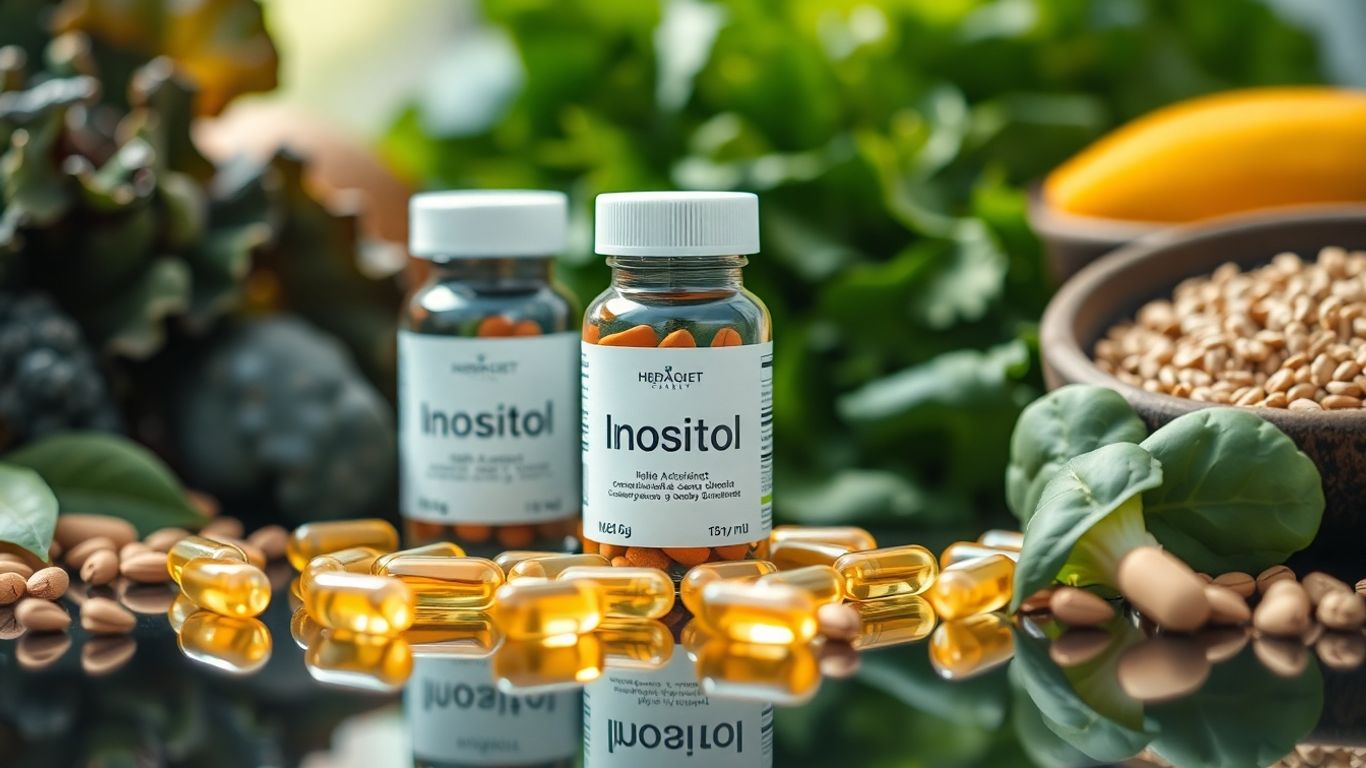
Inositol isn’t just something you find in trendy supplements—it’s actually a quiet powerhouse in the body’s inner workings, especially when it comes to metabolism. The different forms of inositol step into multiple roles, kind of like stand-ins for other nutrients that make the gears of metabolism run smoothly. Most people have probably never given much thought to how inositol helps manage blood sugar or fat processing, but the effects can be pretty significant.
Enhancement of Insulin Signaling Pathways
- Inositol acts as an insulin sensitizer in many target tissues.
- It helps amplify the action of insulin by working through secondary messengers known as inositol phosphoglycans—these act as go-betweens, carrying the insulin signal from the cell’s surface deeper inside, so metabolic switches turn on as needed.
- Deficiency in key inositol forms, like myo-inositol and D-chiro-inositol, can mean worse insulin resistance. These isomers help fine-tune the signal that tells the cell to let glucose in.
Oddly enough, it’s often when cells don’t respond well to insulin—like in diabetes or PCOS—that inositol shows its best effects, making it easier for insulin’s signals to get through.
Role in Glucose Uptake and Energy Balance
- When insulin “knocks” at the door, inositol handles the message and helps move glucose transporters (GLUT4) to the cell’s surface.
- More GLUT4 at the membrane equals more glucose pulled out of the blood into muscle and fat, so blood sugar levels drop nicely after a meal.
- Inositol also tweaks enzymes involved in turning glucose into usable energy, helping to prevent high blood sugar and that sluggish, energy-starved feeling.
Table: Effects of Inositol Supplementation on Glucose Metabolism
| Parameter | Baseline | With Inositol | Change |
|---|---|---|---|
| Fasting blood glucose (mg/dL) | 110 | 98 | -12 |
| Insulin sensitivity (A.U.) | 2.4 | 3.1 | +0.7 |
| HbA1c (%) | 6.5 | 6.1 | -0.4 |
(Values above are for illustration; effects can vary in real people.)
Impact on Lipid Metabolism
- Inositol is involved in making phospholipids and other fat-handling molecules inside cells.
- It keeps the liver from hoarding fat, lowering the risk of fatty liver disease. Myo-inositol, in particular, seems to help break down fats so they don’t build up where they shouldn’t.
- Deficiency can lead to weird fat deposits or trouble moving fat around the body—there’s even evidence from animal studies showing more fat in the liver and less healthy distribution.
Key Points on Inositol’s Role in Metabolic Health:
- Supports healthy insulin signaling at a cellular level
- Aids in normal glucose uptake into muscle and fat tissue
- Helps regulate the balance between fat storage and fat burning
The bottom line: inositol may not get the limelight like some other nutrients, but its behind-the-scenes work is vital for balanced blood sugar and good metabolic function, from energy creation to keeping fat in check.
Influence of Inositol on Reproductive and Fertility Pathways
Inositol, especially myo-inositol and D-chiro-inositol, plays an interesting role in reproductive health. These compounds work in different ways to support hormone balance, egg and sperm quality, and fertility in both women and men. Their direct effects on cell signaling and metabolism help explain some real improvements seen in clinical studies and among people trying out dietary changes.
Improvement of Oocyte and Embryo Quality
A lot of folks these days are interested in how inositol affects egg health, especially if they've been dealing with fertility problems. Myo-inositol, in particular, is sometimes used as a nutritional supplement before IVF or ovulation induction. It's thought to work by supporting the environment around the growing egg (the ovarian follicle) and encouraging the proper balance of hormones like FSH and LH.
- Myo-inositol helps regulate cell signals that influence oocyte maturation.
- Supplementation may lead to higher-quality embryos during IVF cycles.
- Some studies suggest shorter time to pregnancy and reduced risk of ovarian hyperstimulation.
| Study Population | Myo-Inositol Group (% Good-Quality Embryos) | Placebo Group (% Good-Quality Embryos) |
|---|---|---|
| Women undergoing IVF (n=100) | 65 | 48 |
Many women with specific fertility struggles, like PCOS, have reported more regular ovulation or higher-quality eggs after using inositol supplements for a few months. While results vary, most find it at least worth a try, given the relatively low risk profile.
Mechanisms in Polycystic Ovary Syndrome
Polycystic ovary syndrome (PCOS) is a common cause of fertility issues, and inositol's influence here is getting a lot of attention. Studies suggest that women with PCOS often show impaired inositol metabolism, which messes with insulin function and hormone balance. When used as a supplement, inositol appears to address several PCOS symptoms at the root:
- Restores the signaling messengers that help insulin do its job (improving insulin resistance).
- Decreases high androgen (male hormone) levels, reducing unwanted hair growth and acne.
- Encourages more predictable ovulation, so cycles become more regular.
Table: Selected Benefits in PCOS with Inositol Supplementation
| Effect | Noted Change |
|---|---|
| Ovulation Frequency | Increased |
| Free Testosterone (ng/dL) | Lowered |
| Insulin Sensitivity | Improved |
For those whose cycles were all over the place due to PCOS, many report that regular inositol supplementation brings some consistency back. Smaller changes, like better skin or less bloating, can be nice bonuses, too.
Effects on Male Fertility
Inositol isn't just for women. There's growing interest in its effects on semen quality and sperm function in men facing infertility. Research points to several possible ways myo-inositol may help:
- Boosting sperm count and concentration
- Improving sperm movement (motility), vital for reaching and fertilizing the egg
- Reducing oxidative stress in sperm cells, which might lead to less DNA damage
Most supplements use myo-inositol either on its own or as part of a broader fertility formula. Results obviously depend on the specific cause of male infertility, but here's what some small trials show:
| Sperm Parameter | Before Inositol | After Inositol |
|---|---|---|
| Sperm Motility (%) | 30 | 45 |
| Sperm Count (million/ml) | 10 | 15 |
While it's not a guarantee of success, adding inositol seems to offer another simple tool for couples looking to improve their odds, especially if combined with other lifestyle changes and medical advice as needed.
Inositol and Central Nervous System Function
Inositol quietly sits at the heart of a lot of brain chemistry, even if it doesn’t get much attention in everyday chats about mental health. It shows up in high amounts inside the brain, working behind the scenes in neurotransmission and mood balance. Let’s unpack how it fits into all this.
Modulation of Mood and Anxiety Disorders
It might seem odd that a basic sugar alcohol could mean so much for mood, but it’s true. Inositol has been linked to fewer symptoms in depression, anxiety, and panic attacks, especially when taken in higher doses. Researchers believe inositol helps regulate nerve activity in areas of the brain that control emotion. Some people with depression have been found to have lower levels of myo-inositol in certain brain areas, suggesting a connection between inositol levels and mood regulation.
Key roles in mood regulation with inositol:
- May boost serotonin receptor sensitivity, supporting the way we feel pleasure or contentment
- Possible help for obsessive-compulsive behavior and panic-related symptoms
- Potential to lower anxiety when taken as a dietary supplement
Interaction with Serotonin and GABA Receptors
Serotonin and GABA are heavy hitters for mental well-being. Inositol acts behind the curtain, helping both these neurotransmitter systems:
- It appears to increase the responsiveness of serotonin receptors, possibly by supporting the creation of important cell signaling molecules (like phosphatidylinositol).
- As a byproduct, increased serotonin action can result in more GABA release, which supports calm and helps counter over-excitement in the brain.
- Inositol helps maintain the phosphatidylinositol cycle, ensuring that brain cells respond properly to signals traveling across synapses.
| Neurotransmitter | Effect of Inositol |
|---|---|
| Serotonin | Boosts receptor sensitivity; promotes mood stability |
| GABA | May increase release; promotes relaxation |
Neuroprotective Effects and Cognitive Health
Researchers are keeping a close eye on inositol's possible ability to protect neurons. It seems to help prevent damage linked to stress, aging, or disease—possibly by stabilizing signaling pathways and cell membranes. Some studies suggest it could:
- Support memory and cognitive skills, particularly as we age.
- Lessen the impact of oxidative stress, keeping brain cells healthier.
- Play a small role in the prevention or progression of neurodegenerative conditions by regulating phosphoinositide cycles.
If you’re curious about keeping your mind sharp, mild increases in dietary inositol, alongside other healthy habits, look like a safe bet for most people—though it’s clearly not a one-stop solution for mental health.
In short, inositol is quietly essential for the brain’s day-to-day operations. It doesn’t work alone, but in combination with other nutrients and neurotransmitters, it keeps our minds running smoothly—sometimes in ways we barely notice.
Anticancer Properties and Antioxidant Mechanisms of Inositol
Suppression of Malignant Cell Growth and Differentiation
Inositol, especially in the form of inositol hexaphosphate (IP6), has shown promising actions against cancer cell growth and spread. Researchers think that inositol interferes with the signaling pathways that tumors use to multiply and survive. For instance, it seems to help slow down the cell cycle of cancer cells and nudge them toward dying off rather than dividing. Inositol may also encourage the differentiation of malignant cells, making them behave more like normal, healthy cells.
- Inositol can disrupt cell cycle progression in various cancer lines.
- It has been connected to increased rates of normal cell death (apoptosis) in tumor cells.
- Support for inositol as a chemopreventive agent is growing, with some studies on animals showing less tumor formation when supplemented with myo-inositol or IP6.
Antioxidant Action via Chelation and Radical Scavenging
IP6 and related forms of inositol work as antioxidants. These molecules are able to bind to iron and other metals—a process called chelation—which prevents those metals from fueling the production of harmful free radicals. Inositol-based antioxidants can also directly mop up dangerous oxidative molecules before they damage DNA, proteins, or lipids in cells.
| Antioxidant Property | Mechanism | Biological Effect |
|---|---|---|
| Chelation | Binds iron and metals | Stops free radical formation |
| Radical scavenging | Neutralizes ROS | Protects DNA & cell membranes |
| Lipid peroxidation inhibition | Lowers oxidative damage | Preserves membrane integrity |
Enhancement of Immune System Responses
Not only does inositol do the defensive work of fighting radicals, but it also seems to help ramp up your immune system’s activity. There are experiments suggesting that it helps certain immune cells, like natural killer (NK) cells and macrophages, become more active in picking off cancer cells. The immune system, when working efficiently, can spot and get rid of abnormal cells before they become noticeable trouble.
- Inositol can increase the activity of anti-tumor immune cells.
- It can help support the production of important signaling molecules (cytokines) needed for coordinated immune attack.
- There is evidence of less inflammation overall with inositol supplementation, which can help prevent a pro-cancer environment.
Everyday routines might not show it, but simple nutrients like inositol could play a part in your body's frontline cancer defense system by halting tumor cell growth, fighting off free radicals, and energizing your immune cells.
Tissue-Specific Actions and Therapeutic Potential of Inositol Derivatives
Conversion to D-Chiro-Inositol and Functional Differences
Myo-inositol and D-chiro-inositol are two main forms, and the body can switch between them using an enzyme called epimerase. This conversion is important because each isomer plays a different part depending on the tissue. For instance, D-chiro-inositol seems more involved in how the body manages blood sugar, while myo-inositol controls cellular growth and lipid handling in other tissues. Some tissues, like the liver and fat, need more D-chiro-inositol for insulin signaling, but others, like the brain, depend mostly on myo-inositol.
Inositol Isomer Effects by Tissue
| Tissue | Preferred Isomer | Main Function |
|---|---|---|
| Liver | D-chiro-inositol | Supports insulin response |
| Fat | D-chiro-inositol | Blood sugar regulation |
| Brain | Myo-inositol | Signaling, mood balance |
| Ovary | Myo-/D-chiro-inositol | Follicle development, hormone response |
Tissue-Specific Modulation and Signal Transduction
Inositol derivatives affect different body parts in their own way. For example:
- In the brain, myo-inositol increases sensitivity to neurotransmitters, which can help with mood issues.
- In the liver, both isomers help prevent fat buildup and assist in processing sugars.
- Ovarian tissue uses both types for proper egg maturation and hormone function.
This tailored approach explains why inositol-based therapies can target conditions as different as liver disease, mood disorders, and metabolic trouble. Sometimes, abnormal levels even reveal underlying thyroid issues; folks who suspect a hormonal imbalance often get a TSH function test to check for related problems.
Emerging Therapeutic Uses in Chronic Disease Management
The list of possible medical uses for inositol keeps getting longer. Here are a few areas where research is especially active:
- Metabolic syndrome: Supporting healthy blood sugar and fat handling
- Polycystic ovary syndrome (PCOS): Improving egg quality, menstrual cycles, and hormone levels
- Mood disorders: Helping manage anxiety, depression, and symptoms tied to serotonin balance
- Certain cancers: Slowing cell growth and improving response to other treatments
- Fatty liver disease: Protecting the liver against damage
Inositol derivatives shine because they do not act the same in every tissue—one size does not fit all when it comes to their biological effects, which opens the door to targeted treatments.
Conclusion
Wrapping things up, inositol is a pretty interesting compound with a lot of different roles in the body. It’s involved in everything from cell signaling to helping with mental health and even playing a part in how our bodies handle insulin. While researchers are still figuring out exactly how it works in some areas, like cancer and brain health, there’s no doubt that it’s important. People are looking at inositol for things like PCOS, diabetes, and mood disorders, and the results so far are promising, even if not all the details are clear yet. As more studies come out, we’ll probably learn even more about how inositol does its thing. For now, it’s safe to say that inositol is more than just a nutrient—it’s a key player in a lot of different processes in our bodies.
Frequently Asked Questions
What is inositol and where is it found?
Inositol is a type of sugar that is found in many foods, especially fruits, beans, grains, and nuts. It is also made naturally inside our bodies and is important for many cell functions.
How does inositol help with cell signaling?
Inositol acts like a messenger inside cells. It helps send signals from hormones and other chemicals so cells know how to react. This is important for things like how our bodies use insulin and how our brains process signals.
Can inositol improve metabolic health?
Yes, inositol can help the body use insulin better, which is important for controlling blood sugar. It also helps with how the body breaks down fats and uses energy, which can be helpful for people with diabetes or metabolic syndrome.
Does inositol play a role in fertility?
Inositol can improve the quality of eggs and embryos in women and can also help with sperm quality in men. It is often used to help women with polycystic ovary syndrome (PCOS) because it can make their cycles more regular and may boost fertility.
How does inositol affect the brain and mood?
Inositol helps the brain balance chemicals like serotonin and GABA, which can affect mood and anxiety. Some studies show it might help with depression, anxiety, and even panic attacks by helping nerve cells communicate better.
Are there any other health benefits of inositol?
Besides helping with metabolism and mood, inositol has antioxidant properties, which means it can help protect cells from damage. Some research also suggests it might slow the growth of cancer cells and support the immune system.