
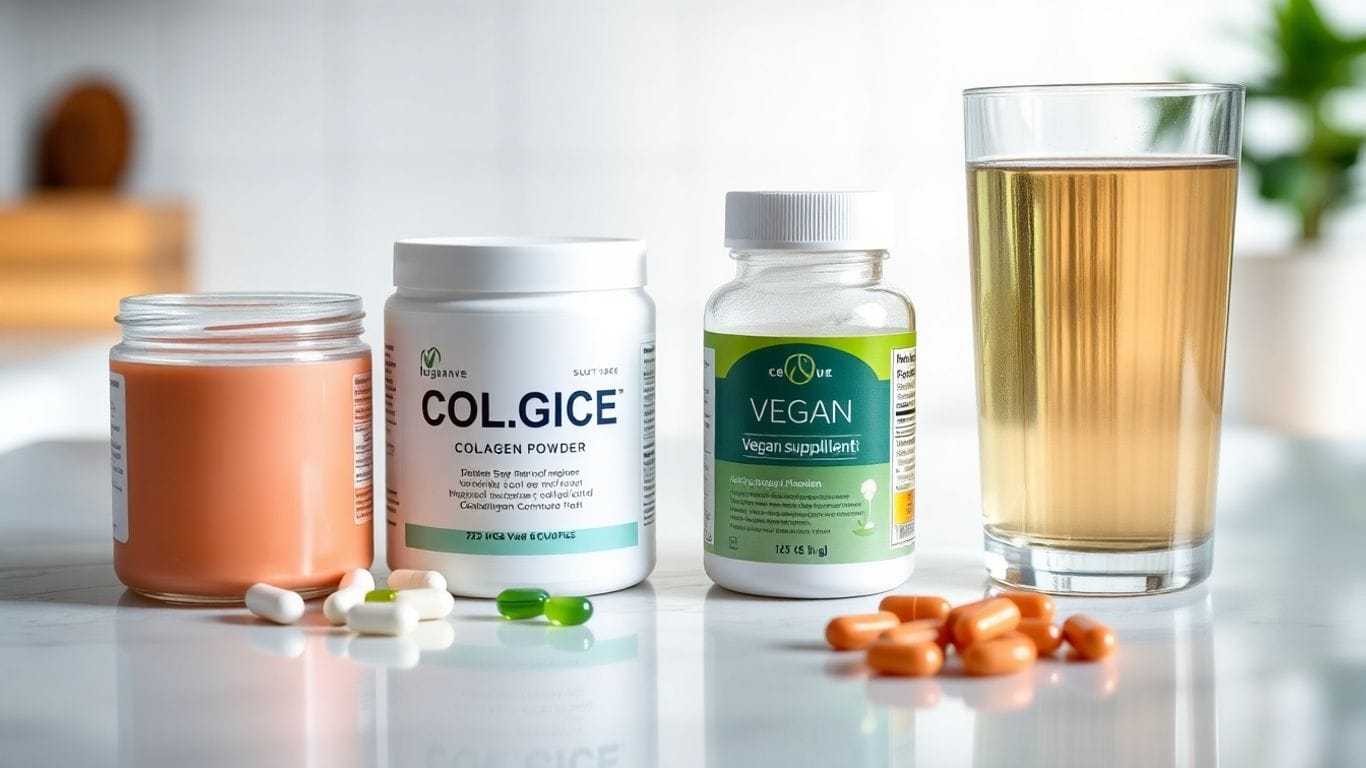
Collagen Peptides are everywhere these days, from your favorite influencer’s morning coffee to the supplement aisle at the grocery store. But how do they really stack up against other options? With so many powders, capsules, and even vegan alternatives out there, it can feel overwhelming to figure out what actually works. Let’s break down the differences, see what the science says, and find out which supplement might give you the results you want—whether that’s smoother skin, stronger joints, or healthier hair.
Key Takeaways
- Collagen Peptides are broken-down proteins that your body can absorb more easily than regular collagen or gelatin.
- Vegan collagen supplements don’t contain actual collagen, but instead have nutrients that may help your body make its own.
- Bovine, marine, and chicken collagen each have unique benefits and may suit different dietary needs or allergies.
- Collagen Peptides aren’t a complete protein, but they can still support skin, joint, and hair health, especially when paired with a balanced diet.
- Not all supplements are created equal—check for third-party testing, clear ingredient lists, and proper sourcing to make a smarter choice.
Comparing Collagen Peptides With Other Supplement Types
Differences Between Collagen Peptides and Gelatin
Both collagen peptides and gelatin come from animal connective tissues, but their structure and practical use are pretty different. Collagen peptides are hydrolyzed, which means they’re broken down into small pieces so you can stir them into basically anything—hot coffee, cold juice, you name it. Gelatin, meanwhile, stays in bigger pieces and only dissolves properly in hot water. This is why you’ll see gelatin used in things like Jell-O or gummy snacks rather than morning smoothies.
Collagen peptides are more versatile and easier to use than gelatin, especially for people on the go.
Here’s a quick rundown:
| Feature | Collagen Peptides | Gelatin |
|---|---|---|
| Cold Water Solubility | Yes | No |
| Flavor | Neutral | Neutral |
| Typical Uses | Drinks, foods (any temp) | Hot recipes, desserts |
| Digestibility | Easy (pre-broken down) | Requires digestion |
How Vegan and Plant-Based Collagen Alternatives Work
A lot of people ask about vegan "collagen" or plant-based options. Here’s the deal: collagen itself only comes from animals. Vegan alternatives skip animal parts altogether but use a different approach. These supplements usually offer vitamins, minerals, and plant compounds that support your body’s own collagen-making process instead of providing collagen directly.
- They often include vitamin C, silica, and certain amino acids from plants.
- These ingredients help your body put together its own collagen, especially if you don’t eat animal products.
- If you’re vegan or vegetarian, these can be your best shot at boosting skin and joint support without animal-derived ingredients.
Vegan collagen alternatives can’t actually replace animal-sourced collagen, but they might help your body build more with the right nutrients.
Powder, Liquid, and Capsule: Which Form Delivers Better Absorption
Collagen supplements come in powders, liquids, and capsules, and each has its own pros and cons.
- Powder: The most popular form. Mixes into almost any drink or soft food. You can quickly get a bigger dose compared to capsules. Plus, many people say it dissolves better and is cheaper per serving.
- Liquid: Acts fast because it’s already dissolved. Good if you hate mixing but often has a taste, which not everyone loves. It’s usually pricier, too.
- Capsule: The most convenient for travel or if you just don’t want to taste anything. But to get the same amount of collagen, you often have to swallow a whole handful.
| Form | Typical Dose Per Serving | Ease of Use | Taste |
|---|---|---|---|
| Powder | 10–20g | Mixes in drinks/food | Usually neutral |
| Liquid | 5–10g | Drink as is | Varies (some flavored) |
| Capsule | 0.5–1g per capsule | Swallow, no mixing | Tasteless |
Most studies use powdered or liquid forms when they check absorption, since those break down and enter your system fast. So if you’re looking for the simplest, most studied option, powder is usually the way to go.
Sources of Collagen Peptides and Suitability for Dietary Needs
Bovine, Marine, and Chicken Collagen: What Sets Them Apart
You can find collagen peptides coming from quite a few sources—bovine (cow), marine (fish), and chicken are by far the most common. Each type offers a slightly different mix of collagen types and possible benefits.
- Bovine collagen: Usually made from cow hides and sometimes bones. Most rich in Type I and Type III collagen, which you’ll often see hyped for skin, hair, nail, and even muscle health. Bovine collagen is usually the easiest to find and often more budget-friendly.
- Marine collagen: This kind comes from fish skin and scales. It’s prized for being high in Type I collagen, considered beneficial for skin hydration and elasticity. Some folks choose it because they can’t eat beef, or just prefer a pescatarian option.
- Chicken collagen: Most chicken collagen products use the cartilage. It’s a big natural source of Type II collagen, which is linked to joint support and possibly easing joint pain. Chicken varieties are preferred for joint-specific benefits but are less common than bovine or marine types.
| Source | Collagen Types | Highlights | Common Users |
|---|---|---|---|
| Bovine | I, III | Skin, muscles, nails, budget option | Most people |
| Marine | I | Skin, pescatarian-friendly | Fish eaters, skin care |
| Chicken | II | Joints, cartilage | Joint support seekers |
Picking the right type of collagen might feel random, but a lot of it comes down to whether you want skin or joint benefits, or if you have dietary preferences like avoiding beef or fish.
Evaluating Allergenicity and Dietary Restrictions
When it comes to allergies and diets, not every collagen fits all. Here’s what to watch for:
- Bovine and chicken collagen are off the table for vegetarians, vegans, and those avoiding animal products. Marine collagen isn’t vegan or vegetarian either—it’s just fish-based.
- Shellfish allergies don’t usually apply to marine collagen (it’s made from fish, not shellfish), but always check product labels just to be sure. Some facilities process both.
- Kosher and halal collagen usually comes from specially sourced bovine or fish. Check for those certifications if they matter to your diet.
- There’s a surge in “vegan collagen boosters”—these don’t contain any collagen, but provide nutrients meant to support your own collagen manufacturing. For folks who don’t eat animal products, it’s one of the few ways to get in on the trend. If you’re interested in other amino acid blends to support connective tissue and muscle, something like Vital Aminos blend is another option to consider.
Grass-Fed and Wild-Caught: Does Sourcing Matter?
There’s a lot of buzz about grass-fed and wild-caught collagen. People swear it tastes better or say it’s safer, but what’s the real story?
- Grass-fed usually means cattle are raised on pasture instead of grain. Fans like that it sounds cleaner and sometimes gives peace of mind about animal welfare.
- Wild-caught refers to fish not raised on farms. Again, the idea is it’s more natural and possibly less likely to have contaminants commonly found in farmed fish.
- From a nutrition angle, the difference in the actual collagen content isn’t huge, but some people say grass-fed or wild-caught options are gentler on the stomach or preferable for people trying to eat clean.
- Look for third-party testing to confirm purity.
- Check the sourcing info on the label if sustainability or animal treatment is important to you.
- For some, it comes down to taste and what blends best into their food or drinks.
Honestly, the type and sourcing you pick usually comes down to a mix of dietary needs, your own values, and maybe a bit of trial and error before you find one you actually like drinking every day.
Effects of Collagen Peptides on Skin, Joints, and Hair

Clinical Evidence for Skin Hydration and Elasticity
Most people try collagen peptides to get healthier-looking skin—and there is growing clinical evidence for some benefits. Several rigorous studies have shown that oral collagen peptides can improve skin hydration, boost elasticity, and may even smooth out some fine lines after 8-12 weeks of consistent use. The improvements seem small, but noticeable for many participants, especially those over age 35. Here’s a simple breakdown from key studies:
| Study Duration | Dosage | Skin Results |
|---|---|---|
| 6-12 weeks | 2.5-5g/day | Better hydration, more elasticity |
| 12 weeks | 5g/day | Reduced roughness, improved density |
| 12 weeks | 2.5g/day | Fewer wrinkles, firmer skin |
- The collagen density in the skin’s lower layers rises after several weeks.
- Wrinkle depth averages may go down, but usually only slightly.
- Collagen has to be taken consistently—skipping weeks can slow results.
People notice their skin feels less dry or tight, especially in dry climates, but visible improvements are usually modest unless you stick with it for months.
Joint Pain and Recovery: What Studies Reveal
Pain and stiffness in the joints bring a lot of folks to collagen supplements too. Results from clinical trials in middle-aged and older adults—and even some athletes—show measurable changes. Most studies use 10-15 grams daily for joint concerns, and people report reduced pain, easier movement, and quicker recovery after mild injuries.
Key points from recent research:
- Collagen peptides may reduce knee and hip discomfort in people with mild osteoarthritis.
- Athletic adults report bouncing back from exercise soreness a bit sooner.
- Not every user will see results, but those with chronic, mild joint issues may benefit most.
Hair and Nail Benefits: Marketing Versus Reality
If you spend time on social media, you’ve probably seen claims that collagen leads to luscious hair and strong, shiny nails. In reality, the studies here are patchier: some users experience faster nail growth and less brittleness, but dramatic hair changes are less consistent.
Here’s how it tends to play out:
- Nails may become less prone to splitting after 1-2 months.
- Hair changes, if any, are slower—usually taking three months or more to notice.
- Most research points to improved hair and nail strength due to better overall protein nutrition, not just collagen alone.
Don’t expect a dramatic hair transformation, but if you’re dealing with weak nails or slow growth, regular collagen peptide use might truly help over time.
Collagen Peptides Versus Alternative Protein Supplements
Is Collagen a Complete Protein?
Collagen peptides don't count as a complete protein. This means they lack some essential amino acids that the body can't make on its own. Most notably, collagen falls short on tryptophan, one of the nine essential amino acids. In comparison, a protein like whey or soy protein isolate is considered complete. Here's a quick look at the difference:
| Protein Type | Complete Protein? | High in Glycine, Proline, Hydroxyproline? |
|---|---|---|
| Collagen peptides | No | Yes |
| Whey protein | Yes | No |
| Plant protein blends | Usually | No |
If your main goal is to benefit joints, skin, or connective tissue, collagen still fills a unique role, since it's rich in amino acids not usually found in other protein powders.
Digestibility and Amino Acid Profiles
Collagen peptides go through a process (hydrolysis) that breaks their protein chains into small bits, making them easy to mix into just about anything and letting the body absorb them fast. Alternative proteins like whey and casein are also simple to digest, though sometimes they can cause stomach troubles for people who are lactose intolerant. Here’s what matters most:
- Collagen boasts sky-high amounts of glycine, proline, and hydroxyproline—amino acids key to skin firmness, flexible joints, and tendon resilience.
- Whey protein is loaded with branched-chain amino acids (BCAAs) that help with muscle growth and recovery, but doesn't have much glycine or proline.
- Plant proteins, while better balanced across amino acids, may lack some of the unique types found in collagen (like hydroxyproline).
You might not notice any difference in your muscles or energy if you replace your regular protein with collagen—but your skin, hair, and joints may.
Combining Collagen Peptides With Other Proteins
You don't have to choose between collagen and other protein supplements; mixing can actually be the best move. Here’s how to get the most out of your routine:
- Use collagen peptides for connective tissue, joint comfort, and skin support.
- Stick with complete proteins (like whey or a mixed plant protein) if muscle gain, athletic performance, or meal replacement is the goal.
- Add collagen to smoothies or shakes that already have another protein source to balance out the amino acid profile.
Blending collagen with a more complete protein nets you both the classic benefits of protein—and the unique perks collagen has for beauty and mobility.
Safety, Quality, and Regulation of Collagen Peptides
Supplementing with collagen peptides seems pretty straightforward at first glance. But when you dig a little deeper, the question of who checks what's actually in that powder or capsule gets a bit murky. The supplement industry overall isn't as tightly regulated as many folks think, and collagen is no exception.
Third-Party Testing and Certification Standards
Not all collagen supplements are created equal—third-party testing makes a difference. Since the FDA doesn’t consistently monitor what goes into dietary supplements before they hit shelves, outside organizations help fill the gap. Look for stamps from groups like NSF or Informed Sport, which test for purity and verify that products are free from heavy metals and banned substances. You'll find supplements like Momentous Creatine go through these processes, showing it's doable—you just need to find brands that care enough to get certified.
Quick checklist for picking a safer supplement:
- Check the label for NSF or Informed Sport certification.
- Avoid products without full ingredient transparency or batch testing info.
- Be wary of health claims that sound too good to be true; third-party tested products rarely make wild promises.
Possible Side Effects and Risks
Most people tolerate collagen peptides with no big problems, even at the typical dose of 2.5 to 15 grams per day. But no supplement is risk-free for everyone. Some folks might notice:
- Mild digestive issues – things like a full stomach, heartburn, or loose stools
- Allergic reactions – rare, but possible, especially for those with known sensitivity to beef, fish, or eggs
- Unintended ingredients – without tight regulation, some powders could contain trace contaminants
When trying collagen supplements for the first time, taking it slow and logging any symptoms helps spot anything unusual before making it part of your daily routine.
Regulatory Gaps and What Consumers Should Know
Here’s the reality: dietary supplements like collagen peptides aren’t pre-approved by the FDA. They hit the shelves first, then get investigated only if health issues or safety complaints surface. That means companies are mostly responsible for their own testing and safety.
| Aspect | Prescription Drugs | Collagen Supplement |
|---|---|---|
| FDA Pre-Market Review | Required | Not required |
| Third-Party Testing | Standard | Optional |
| Quality Reporting | Strict | Voluntary |
What does this mean for you? Simple steps can help:
- Always check for certification logos on the label.
- Read recent product reviews for complaints about quality or side effects.
- Keep your healthcare provider in the loop about any supplements you add to your routine.
While most collagen peptides are safe for regular use, being an informed consumer is your best protection against low-quality or mislabeled products. A little label reading now can save a lot of headaches down the road.
Enhancing Collagen Synthesis: Supporting Nutrients and Lifestyle Factors
Staying on top of your collagen game goes way beyond simply taking a scoop of powder every morning. The real trick is supporting your body’s natural collagen production through the right nutrients and lifestyle habits. Collagen can’t do its job without some help from the rest of your diet and routine.
The Role of Vitamin C and Zinc in Collagen Production
Both vitamin C and zinc are key if you want your body to make collagen efficiently. Without them, even the best collagen supplements can’t reach their full potential.
Vitamin C is absolutely necessary for collagen synthesis in the body. It acts like a helper that makes sure your body can actually form those collagen fibers. Zinc, on the other hand, works as a stabilizer for the enzymes that build and repair collagen structures.
| Nutrient | Function in Collagen Production | Good Food Sources |
|---|---|---|
| Vitamin C | Helps form and stabilize collagen | Citrus fruits, bell peppers, berries, leafy greens |
| Zinc | Enzyme cofactor, builds collagen | Beans, nuts, seeds, whole grains, shellfish |
A few things to keep in mind:
- Don’t load up on mega-doses of vitamin C or zinc—there are set limits before they cause side effects like nausea.
- Many collagen supplements now add vitamin C or zinc to the formula, but it’s possible to get these from whole foods too.
- If you’re taking a multivitamin, check your total zinc and vitamin C intake to avoid going overboard.
Even the most expensive collagen won’t do much if your nutrients are out of whack—keep an eye on your basics first.
Exercise and Its Synergy With Collagen Supplements
Regular physical activity and collagen supplementation seem to work hand-in-hand, especially for joint health and recovering from soreness. Movement triggers your cells to repair and rebuild tissues, using available collagen and amino acids more efficiently.
Ways exercise supports collagen:
- Boosts blood flow to tissues, bringing more nutrients for collagen synthesis.
- Stimulates fibroblast activity—these are the cells that make collagen in your skin, muscles, and joints.
- Helps reduce inflammation so new collagen doesn’t break down as fast.
Mixing in strength training, walking, or even yoga can make a difference. Just remember recovery is as important as movement, so balance both for results.
Dietary Strategies to Naturally Boost Collagen Levels
You don’t have to rely on powders alone. There are some simple tweaks you can make to help your body maintain or make more collagen:
- Eat protein-rich foods with connective tissues, like bone broth or chicken with the skin on.
- Add sources of proline and glycine (the amino acids in collagen) found in egg whites, dairy, seeds, and some beans.
- Include foods high in copper (like chickpeas and cashews).
- Limit excess sugar and processed foods—these can mess with collagen and break it down faster.
Here’s a quick checklist for everyday habits that can support natural collagen:
- Focus on whole foods over packaged snacks.
- Stay hydrated—your skin and joints need water to keep tissues plump and flexible.
- Get enough sleep, since your body repairs collagen during rest.
Collagen supplements work best when you match them with good food, some sweat, and the right nutrients. It’s not magic, but a few small changes really add up over time.
Choosing the Right Collagen Peptides Supplement for Better Results
When you’re standing in the supplement aisle (or scrolling through endless options online), picking the ideal collagen peptides can feel confusing. There’s a lot to consider: from ingredient lists to flavor to how well the powder dissolves in your morning coffee. With so many brands touting similar claims, a little attention to detail goes a long way.
Evaluating Ingredient Quality and Additives
The quality of what’s in your scoop or pill can make all the difference. Always scan the ingredient label for unnecessary fillers, sugars, or artificial flavors. Some brands include vitamin C or hyaluronic acid, which can support collagen’s function in the body, but not every added ingredient is helpful.
Checklist for ingredient quality:
- Look for short, simple ingredient lists
- Prefer hydrolyzed (peptides) or "hydrolysate"—these terms show it’s broken down for easy absorption
- Check for added vitamins or synergistic nutrients, like vitamin C
- Assess for certifications (e.g., NSF, Informed Sport) or independent third-party testing
Mixability and Taste: Consumer Experience
Mixability matters more than most people think. If your powder clumps or leaves a strange aftertaste, you’ll probably stop using it, no matter the benefits. Beyond powder, some folks like capsules or liquids for ease, but powders are the most versatile.
Here’s a rundown of what people usually care about:
- Dissolves seamlessly in hot or cold drinks
- Leaves little to no aftertaste
- Can blend into recipes like smoothies, oatmeal, or soup
- Available in both flavored and unflavored
| Product Type | Mixability | Common Flavors | Ease of Use |
|---|---|---|---|
| Powder | High | Unflavored, Berry | Most |
| Capsules | No mix needed | N/A | Convenient |
| Liquid | Medium | Lemon, Fruit | Portable |
Even the best collagen supplement won’t work if you don’t actually take it regularly, so finding one that fits your personal preferences is just as important as strength or sourcing.
Interpreting Labels and Dosage Recommendations
Reading supplement or nutrition labels is trickier than it sounds. Not all products are created equal, and serving sizes—and actual collagen per serving—vary a lot. Most products offer 10–20 grams of collagen peptides per scoop, but some go higher or lower.
Steps for smart label reading:
- Check the type(s) of collagen included (Type I, II, III are most common)
- Look for clear dosage per serving
- Note added nutrients (like vitamin C, biotin, hyaluronic acid)
- Notice sourcing statements (grass-fed, wild-caught, etc.)
- Find third-party certifications for safety and quality
If you’re still unsure, talk to your doctor or dietitian, especially if you have allergies, are pregnant or nursing, or take medications. The supplement world is barely regulated, so it’s on you to verify claims and stick with tested products.
Conclusion
So, after looking at collagen peptides and their alternatives, it’s clear there’s no one-size-fits-all answer. Collagen supplements do have some research behind them, especially when it comes to joint pain and skin hydration. They’re easy to add to your daily routine—just stir into your coffee or smoothie and you’re good to go. But they’re not magic, and results can take weeks or even months to show up. If you’re hoping for a quick fix, you might be disappointed.
Alternatives like whole foods, bone broth, or even so-called vegan collagen boosters can play a role too, especially if you’re trying to eat a balanced diet. Just remember, vegan options don’t actually contain collagen—they help your body make its own. For most people, a mix of good nutrition and, if you want, a quality collagen supplement is a safe bet. If you’re unsure, talk to your doctor or a dietitian before starting anything new. At the end of the day, the best supplement is the one that fits your lifestyle and makes you feel your best.
Frequently Asked Questions
What is the difference between collagen peptides and gelatin?
Collagen peptides are broken down into smaller pieces, making them easier to mix in drinks and absorb in your body. Gelatin is less processed and usually forms a gel when mixed with liquid, so it’s mostly used in foods like Jell-O. Both come from animal sources, but collagen peptides are better for supplements because your body can use them more easily.
Can vegan or plant-based supplements replace collagen?
Vegan or plant-based supplements do not contain real collagen, since collagen only comes from animals. Instead, these products have nutrients like vitamin C and certain amino acids that help your body make its own collagen. While they can support your body’s natural collagen production, they don’t provide collagen directly.
Which form of collagen supplement is best: powder, liquid, or capsules?
Powdered collagen is the most popular because it mixes easily into drinks and foods. Liquids are also easy to use and may be absorbed just as well. Capsules are convenient but usually contain less collagen per serving, so you might need to take more pills to get the same amount as a scoop of powder.
Are collagen supplements safe for everyone?
Most people can take collagen supplements safely, but some might have allergies, especially if the collagen comes from fish or eggs. Always check the label for possible allergens. If you have health conditions or take other medicines, talk to your doctor before starting any new supplement.
How long does it take to see results from collagen supplements?
It can take about 4 to 8 weeks to notice changes like better skin hydration or less joint pain. Results can vary from person to person, and some people might not notice big changes at all. Taking collagen daily and being patient is important.
Can I get enough collagen from food instead of supplements?
You can get some collagen from foods like bone broth, chicken skin, and fish skin, but most people don’t eat these foods often. That’s why many people use supplements for an easier way to get more collagen. Eating foods that help your body make collagen, like fruits and vegetables rich in vitamin C, is also helpful.