
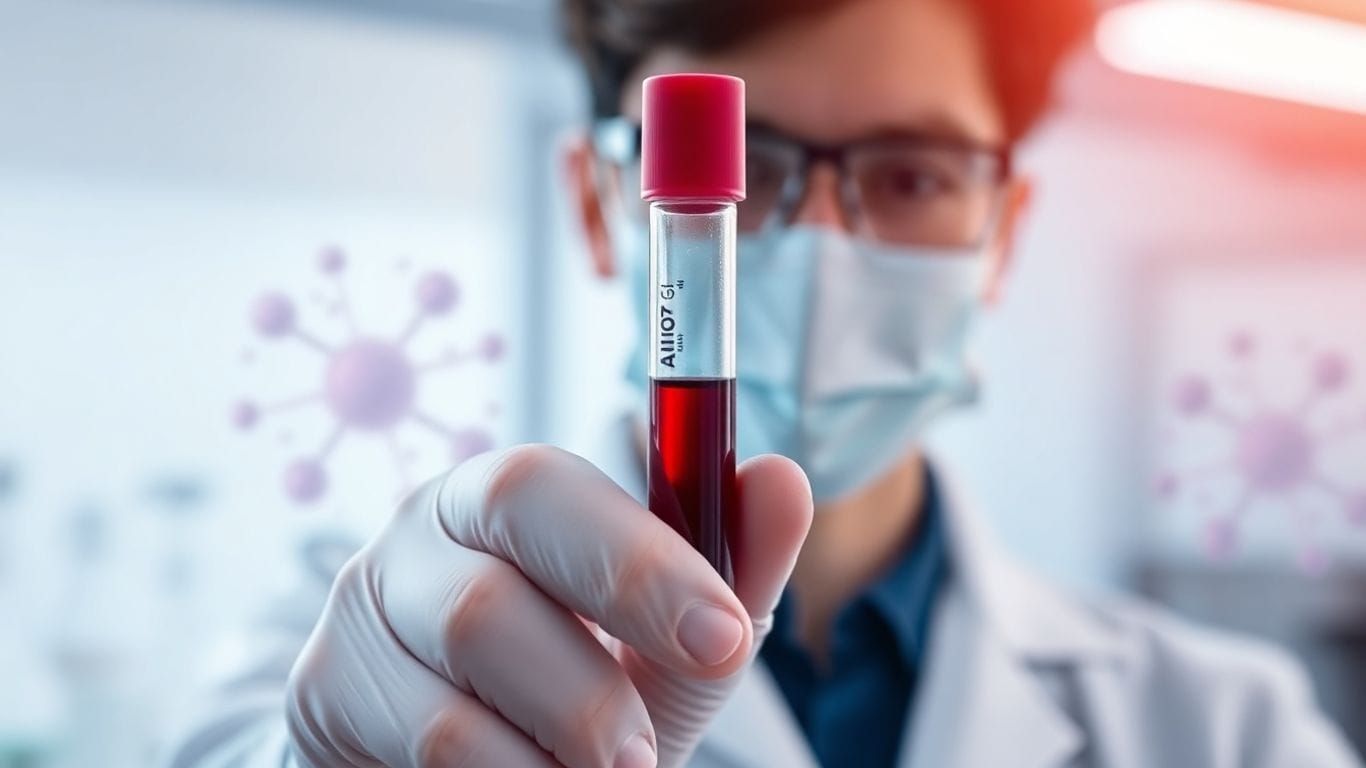
Trying to figure out which supplements actually work for you can feel like a guessing game. Blood biomarkers for supplement response are changing that, letting people and doctors see real numbers before making decisions. These markers in your blood can tell you if you need more iron, less vitamin D, or if a supplement is even doing what it claims. In this article, I’ll walk through how these blood tests are used, what kinds of markers matter, what human trials are showing, and why it’s not always as simple as it sounds.
Key Takeaways
- Blood biomarkers for supplement response help spot real nutrient needs, not just guesses based on symptoms.
- Personalized supplement plans are possible when you track things like ferritin, albumin, or glucose in the blood.
- AI and new tech are making it easier to analyze blood data, but current tools still have some limits.
- Safety is a big deal—quality control and avoiding over-supplementation matter just as much as picking the right vitamins.
- Human trials show promise, but there are still gaps in research, especially for healthy folks and long-term effects.
Principles of Using Blood Biomarkers for Supplement Response
Using blood biomarkers to guide supplement choices isn’t really something most people do every day, but it’s becoming a lot more common in clinics that want personalized health plans. Here’s what’s involved:
Assessment and Selection of Biomarkers
The first step is testing blood for specific markers that reveal how the body is working beneath the surface, way before symptoms show up. Biomarker selection depends on several factors:
- What you’re hoping to address (like iron, vitamin D, or inflammation levels)
- Known medical or family history
- Early signs of imbalance, even if you feel fine
| Biomarker | What It Detects | When Used For |
|---|---|---|
| Ferritin | Iron reserves | Iron supplements |
| 25(OH)D | Vitamin D status | Vitamin D needs |
| Glucose, A1C | Blood sugar/metabolic risk | Adjusting carb intake |
| CRP, Fibrinogen | Inflammation | Omega-3/antioxidants |
Picking the right biomarkers doesn’t just help spot deficiencies—it can flag hidden issues well before they develop into something more severe.
Personalized Dosage Based on Biomarker Data
Everyone responds differently to the same supplement, so a one-size-fits-all approach often misses the mark. Personalization means:
- Using initial biomarker results to target dosage precisely.
- Adjusting doses based on age, sex, health history, and actual measured levels.
- Checking if corrections happen as expected, tweaking as needed.
Personalized dosage cuts the risk of piling up excess nutrients, like fat-soluble vitamins that can build up and cause trouble.
Evaluation of Supplement Interactions and Risks
Supplements aren’t risk-free, especially when mixed with medications or other health conditions. Practical tips for safe use:
- List all medications, over-the-counter drugs, and supplements before starting anything new
- Watch for well-known interactions (for example, iron and antacids, or vitamin K and blood thinners)
- Stop or adjust supplements if markers go above the desired range
A little caution here goes a long way, especially since you’d be surprised at how many products contain hidden or undeclared ingredients.
Biomarker tracking is key for knowing when to start, adjust, or stop a supplement—less is often more, especially if you’re not seeing improvements or risk crossing into excess.
Key Categories of Blood Biomarkers for Supplement Response
Choosing the right supplement isn’t just about reading a label—it often comes down to how your body really works. Blood biomarkers offer a window into how supplements influence your unique biology. Instead of guessing, people can use targeted blood tests to guide their supplement choices and dosing, leading to better results and fewer risks.
Genomic Markers and Nutrient Needs
Genomic biomarkers look at small genetic differences that can affect the way your body absorbs, uses, and stores different nutrients. Variations in genes related to vitamin D processing, folate metabolism, or iron absorption can mean you need more or less of certain vitamins or minerals. These genetic patterns can sometimes make or break your supplement plan.
- Some people might have a gene that reduces their ability to turn sunlight into vitamin D, so blood levels stay low despite sun exposure.
- Others may process B vitamins poorly, especially if they have a common MTHFR gene variant, making methylated B vitamins a smarter choice.
- Genomic info doesn’t change over time, so this type of testing is usually a once-and-done deal for supplement guidance.
Genetic variations impact how nutrients are processed, so checking for them can prevent taking the wrong kind or dose of supplement.
Proteomic Biomarkers in Supplement Guidance
Proteomic biomarkers measure proteins in the blood, which can uncover information about inflammation, nutritional status, or even hidden health problems. Ferritin, albumin, and enzymes like troponins tell you about things like protein nutrition, iron levels, and even heart health. One practical approach: running an Iron, TIBC & Ferritin Panel to check if iron supplements make sense. For example:
| Biomarker | Suggests | Supplement Actions |
|---|---|---|
| Ferritin | Iron stores | Iron or antioxidants |
| Albumin | Protein/calories | Amino acid supplements |
| Troponins | Heart muscle | CoQ10, magnesium |
- High ferritin? You might have hidden inflammation instead of low iron.
- Low albumin can signal a need for dietary protein or amino acid help.
- Elevated troponins may push you to review heart support supplements.
Metabolomic Profiles for Supplement Adjustment
Metabolomics focuses on small molecules like glucose, lactate, and organic acids. These show how your cells are running right now. Tweaking doses or types of supplements sometimes depends on these real-time results.
- Blood sugar (glucose) levels inform whether blood sugar support—like chromium or alpha-lipoic acid—is needed.
- High or low organic acids can point to B-vitamin or mitochondrial supplement needs.
- Elevated uric acid might suggest vitamin C is helpful, while high lactate could mean fine-tuning mitochondrial support.
| Metabolite | Supplement Implications |
|---|---|
| Glucose | Chromium, alpha-lipoic acid |
| Uric Acid | Vitamin C, hydration |
| Lactate | CoQ10, carnitine |
Reviewing these biomarkers helps make your supplement strategy smarter—sometimes, it’s about fixing an imbalance you didn’t even know you had, and that can mean real improvements you’ll actually notice.
Proteomic Biomarkers and Their Impact on Supplement Strategies

Understanding proteomic biomarkers gives us a direct window into how the body handles nutrients, inflammation, and stress. These markers are like traffic signals for nutritional adjustments, steering supplement choices for different needs from iron status to immune health.
Ferritin, Albumin, and Troponins
- Ferritin acts as the main gauge for iron storage. When levels fall, it can signal iron deficiency, but if they’re high, it could point toward ongoing inflammation. Adjusting iron supplements is a balance—you want enough to fix the deficiency but not too much to cause buildup.
- Albumin is another important protein. If it’s low, that might mean poor nutrition or long-term illness. People with reduced albumin could benefit from protein or amino acid supplements, aiming to restore balance in the body’s building blocks.
- Troponins are key when talking about heart health. Elevated levels don’t automatically call for a supplement, but they do emphasize the importance of cardiovascular support. Sometimes, nutrients like CoQ10 or magnesium might be recommended to protect the heart during these high-stress episodes.
| Biomarker | What it Signals | Potential Supplement Suggestions |
|---|---|---|
| Ferritin | Iron storage, inflammation | Iron, antioxidants (if inflammation) |
| Albumin | Nutritional status | Protein, amino acids |
| Troponins | Cardiac strain/injury | Heart support (CoQ10, magnesium) |
Inflammatory Markers: Haptoglobin, Ceruloplasmin, Fibrinogen
Beyond those basics, several other proteins change when inflammation rises:
- Haptoglobin goes up when there’s damage to red blood cells or stress in the body.
- Ceruloplasmin helps move copper and is tied to antioxidant defense—levels rise with inflammation and certain chronic conditions.
- Fibrinogen spikes during acute inflammation or infection, sometimes hinting at higher risk for clots.
Using these, practitioners can pick anti-inflammatory supplements, adjust dosages, or mix in extra antioxidants if things look out of balance.
Clinical Implications for Personalized Nutrition
Proteomic biomarkers make supplement advice far less guesswork-driven. Here’s how they help shape practical strategies:
- Pinpoint hidden deficiencies or excesses before symptoms appear.
- Adjust supplement types and levels based on ongoing inflammation or heart risks.
- Track real progress and know when to back off or stop supplemental nutrients.
Small changes in blood protein markers often show up before you feel anything off—helping you stay ahead of bigger, harder-to-fix problems.
In short, by making proteomic data part of routine supplement planning, people can fine-tune their nutrition to what their body actually needs—no guesswork, just data-backed tweaks for better health.
Metabolomic Insights for Fine-Tuning Supplement Recommendations
Metabolomics, which looks at the levels of small molecules and metabolites in blood, offers practical detail for adjusting supplement plans in real time. By examining these patterns, we can spot nutrient gaps or metabolic problems before symptoms show.
Identifying Metabolic Imbalances
Spotting imbalances early makes a big difference.
- Elevated homocysteine can point to shortages in B vitamins like folate and B12. Tackling this with targeted supplements might help lower cardiovascular risk.
- High uric acid suggests purine breakdown issues, hinting at gout risk or inflammation, potentially improved by vitamin C.
- Raised lactate: This may mean issues with oxygen delivery or mitochondrial function, where support like CoQ10 could help.
Here's a table that matches common metabolic markers with related supplement responses:
| Metabolite | Possible Imbalance | Potential Supplement Response |
|---|---|---|
| Homocysteine | B12/folate deficit | Methylfolate, B12 |
| Glucose | Insulin resistance | Chromium, alpha-lipoic acid |
| Uric Acid | Gout risk | Vitamin C |
| Lactate | Mitochondrial problems | CoQ10, carnitine |
When we use metabolomics in supplement care, we're not just treating numbers on a test result; we're catching issues before they become problems and making plans that fit each person’s situation.
Targeting Glucose and Organic Acid Levels
Managing blood glucose and tracking organic acids can reshape supplement strategies:
- Consistent high glucose might show up before full-blown diabetes. Here, magnesium or berberine may be worth a look.
- Patterns in organic acids can flag mitochondrial bottlenecks, oxidative stress, or gut health issues.
- Tailoring supplements based on these details beats a standard "take a multivitamin" approach every time.
Integration with Dietary and Lifestyle Changes
Supplements should work with food and daily habits, not replace them. Steps to mesh metabolomics with practical plans:
- Start with a clear list of current habits and foods.
- Match supplement adjustments to ongoing results from blood monitoring.
- Re-assess every few months – not just once a year.
- Stay flexible to tweak doses or choices as life and health change.
Many people are surprised by how specific the links between blood markers and daily decisions can be. Regular checks help catch improvements or new problems quickly.
Advances in Technology: AI and Data Integration in Biomarker Analysis
Artificial intelligence is quickly becoming a regular part of blood biomarker analysis, especially for tailoring supplement recommendations. The shift has been dramatic: instead of guessing which supplements might help, new software tools now look at a person’s biomarker data and suggest options unique to their metabolic patterns. This is changing how both clinicians and everyday people figure out what works best for them and avoid trial and error. But as the technology grows, its limits are also becoming clearer.
Role of Artificial Intelligence in Interpreting Blood Biomarkers
- AI platforms like GenAIS™ and others make sense of huge sets of biomarker data, automating what used to take specialists hours or days.
- These tools cross-analyze results from tests such as the comprehensive metabolic panel to suggest vitamins, minerals, or therapeutic compounds suited to the individual.
- AI doesn’t just identify deficiencies—it looks for subtle imbalances and tracks how markers shift over time, which can make recommendations more accurate.
- Physicians are blending AI output with information from health records and wearable devices, getting near real-time updates on their patients' health and supplement needs.
Key ways AI is used:
- Prioritizing biomarkers most strongly linked to health outcomes.
- Figuring out ideal supplement types and precise dosages.
- Warning about interactions, overdosing risks, or toxicity.
Limitations of Current AI Models and Datasets
Despite the progress, today's AI tools aren’t perfect:
- Many algorithms are trained on incomplete, sometimes clinical-heavy datasets.
- Recommendations might not always fit healthy or diverse populations.
- Most existing platforms are tested short-term, so we know little about long-term outcomes or safety.
- Users and clinicians sometimes have trouble seeing how AI arrived at its decisions (lack of transparency).
| Limitation | Impact |
|---|---|
| Limited datasets | Less effective for non-clinical users |
| Short study duration | Unclear long-term safety/effectiveness |
| Opaque recommendation logic | Lower trust from clinicians and patients |
| Focus on clinical settings | Poor fit for preventive applications |
The most reliable results come from combining AI-driven analysis with physician judgment and ongoing blood test monitoring—not by relying on tech alone.
Future Directions for Data-Driven Supplement Personalization
Looking ahead, researchers and clinicians see ways to fix today’s problems and make AI for supplement guidance more useful:
- Datasets must expand to reflect broader populations, including healthy people and those from different backgrounds.
- AI systems will likely become more transparent so users and doctors can see why certain supplements are suggested.
- There’s a growing push for long-term, large-scale studies to ensure safety and make sense of outcomes for different groups.
Ideas for improving the next wave of technology:
- Better integration with wearable and real-world data
- Features for reviewing or even challenging AI recommendations
- Active involvement of users and providers in refining algorithms
It’s still early for AI-powered biomarker analysis, but it looks like these technologies could lead to safer, more tailored choices—if we keep a close eye on both their benefits and their weak spots.
Safety, Regulation, and Risk Management in Supplementation
Contaminants and Quality Control Challenges
Supplements can be a bit of a minefield when it comes to purity and cleanliness. Some supplements have been found to contain things like heavy metals, hidden drugs, or even extra stimulants that weren't listed on the label. For regular users, this can build up over time and cause problems with the liver, kidneys, or even your nerves. Here’s what to watch out for:
- Lead, mercury, and cadmium sometimes slip into supplements, especially herbal blends or those sourced overseas.
- Some supplements are spiked with pharmaceutical drugs or unapproved chemicals, which can mess with your heart or blood pressure.
- Quality control varies wildly between brands—even between different batches from the same supplier.
| Contaminant | Potential Health Effect |
|---|---|
| Heavy metals | Liver, kidney, nerve damage |
| Pharmaceutical drugs | Heart problems, drug interactions |
| Undeclared stimulants | High blood pressure, arrhythmia |
Even if a supplement claims it’s “all natural,” that doesn’t guarantee it’s free from contaminants—regular testing and brand research are your best defense.
Toxicity Risks in Over-Supplementation
Taking too much of anything—even vitamins and minerals—can backfire. Recently, more people are getting blood tests to fine-tune supplements, but there’s still room for mistakes. Things to consider include:
- Some nutrients, like iron or vitamin A, can become toxic surprisingly fast if you go overboard.
- Over-supplementing can lead to imbalance with other nutrients or aggravate existing medical conditions.
- Blood biomarker testing is helpful, but not foolproof—you need regular monitoring to keep things safe.
Common Side Effects of Over-Supplementation:
- Nausea or upset stomach
- Headaches
- Nerve tingling or damage (with B vitamins)
- Irregular heartbeat (with certain minerals)
Navigating Regulatory Ambiguity
Supplements don’t go through the same checks as prescription drugs; the laws are blurry.
- The FDA treats supplements as food, not medicine, so oversight is lighter.
- Supplements that hint at disease treatment might get pulled into drug regulation, but the line isn’t always clear.
- Labels can be misleading—sometimes what’s inside doesn’t match what's promised.
The rules about what counts as a supplement or a drug can shift, especially when new blends hit the market. If you’re looking for safety, stick with brands that offer third-party lab testing and transparency about sourcing.
Human Trials and Evidence for Blood Biomarkers in Supplement Response
Overview of Major Trials Using Biomarker-Guided Supplementation
The idea of tailoring supplements based on blood biomarkers has been tested in various clinical trials over the last decade. Researchers aimed to see if adjusting supplements through regular biomarker checks could help address nutrient deficiencies or health issues, and how it stacked up against traditional approaches—think "one-size-fits-all" supplementation. Most of these studies focused on people with specific health problems (like anemia, hormonal imbalances, or vitamin D deficiency), but a few included generally healthy participants trying to optimize well-being.
Here’s a quick look at some key details from high-profile trials:
| Trial Name | Population | Biomarker Used | Supplement Type | Main Outcome |
|---|---|---|---|---|
| Personalized Iron RCT | Women with low ferritin | Ferritin | Iron | Reduced anemia incidence |
| VITD-BOOST | Elderly adults | 25(OH)D | Vitamin D3 | Improved bone density |
| OmegaWell | Adults with inflammation | CRP | Omega-3 | Lowered CRP, mild symptom relief |
| Testosterone Fit | Middle-aged men | Testosterone | DHEA/Testosterone | Increased energy, better libido |
In most cases, the group receiving biomarker-guided supplementation saw either greater or faster improvements than the standard group. Sometimes, though, the changes were small, showing that a lot depends on the starting levels and overall health context.
Outcomes in Clinical and Healthy Populations
Outcomes can look very different depending on whether the subjects are dealing with a medical issue or are generally well. In clinical settings—like correcting iron deficiency or tailoring testosterone therapy—the approach led to:
- Faster correction of nutrient deficiencies and measurable symptom relief
- Fewer cases of side effects from overdose
- Lower rates of persistent shortfalls compared to standard strategies
For healthy individuals, the benefits tend to be more subtle, like supporting bone health or energy. Supplement use can be optimized so people don’t take too much or too little. For example, using a blood testosterone test has helped some folks appropriately manage energy, muscle mass, and other age-related changes without the risks of overtreatment.
Even with promising trends, the direct connection between finely tuned supplement strategies and long-term health is still being mapped out—no one's found a single "magic number" yet that fits everyone.
Gaps in Research and Opportunities for Future Studies
The research isn’t perfect. There are a few big gaps everyone agrees need fixing:
- Lack of large, long-term studies—most trials are short, so it’s tough to know how lasting the benefits really are.
- Most trials focus on clinical patients; the impact on healthy or at-risk people is less clear.
- Outcomes in broader populations are still fuzzy—what works for one group may not transfer easily.
Other limitations include:
- Limited diversity: Many studies only look at certain ages or ethnic groups.
- Over-reliance on single biomarkers: Real health outcomes usually depend on a mix of factors.
- Regulatory confusion: It's not always clear if supplement combos with major health impacts should be treated as drugs or vitamins.
Future research will need to include bigger, more varied groups and look over a longer time. Integrating different types of biomarkers—like mixing genetic, protein, and metabolite data—may help researchers get better results and more applicable insights for real-world users.
Conclusion
So, after looking at all the research and real-world examples, it’s clear that blood biomarkers can really help fine-tune how we use supplements. Instead of guessing or following one-size-fits-all advice, doctors and nutritionists can use these markers to spot what your body actually needs. This means fewer risks from taking too much of something and a better shot at getting real results. But, honestly, there are still a lot of questions. Most studies focus on people who are already sick, and there aren’t enough long-term trials to know what happens if you use this approach for years. Plus, the rules about what counts as a supplement or a drug are still kind of fuzzy, which can make things confusing. Still, as more research comes out and tools get better, using biomarkers to guide supplements could become a normal part of staying healthy. For now, it’s smart to work with a healthcare provider, keep an eye on your bloodwork, and not jump into new supplements without a good reason.
Frequently Asked Questions
What are blood biomarkers, and why are they important for supplement use?
Blood biomarkers are small pieces of information found in your blood that show how your body is working. They help doctors see if you have any vitamin or nutrient shortages and can tell if a supplement is helping you or not. Using these markers helps make sure you get the right supplement and dose for your needs.
How do doctors choose which biomarkers to test before suggesting supplements?
Doctors look at your health, symptoms, and sometimes your family history. They use blood tests to find out which nutrients you might be missing. They pick biomarkers that can show early problems, even before you feel sick, so they can stop issues before they start.
Can blood biomarkers help find the best dose of a supplement for me?
Yes, blood biomarkers can show how much of a nutrient you actually need. This means your doctor can give you a dose that fits your body, age, and health, instead of just guessing. This helps you avoid taking too little or too much.
Are there any risks with using supplements based on blood biomarkers?
Even with biomarker testing, there are some risks. Some supplements can mix badly with certain medicines or cause problems if you take too much. That's why it's important to have your blood checked regularly and talk to your doctor about any new supplements.
How does artificial intelligence (AI) help with blood biomarker analysis?
AI can look at lots of blood test results quickly and find patterns that are hard for people to see. This helps doctors make better choices about which supplements to use and in what amounts. However, AI is still learning and sometimes makes mistakes if it doesn't have enough good data.
What are some limits of using blood biomarkers for supplement advice?
Some limits include not having enough research on healthy people, not knowing the long-term effects, and sometimes not having clear rules about which supplements are safe. Also, not all blood tests are perfect, and sometimes they can miss things or give confusing results.