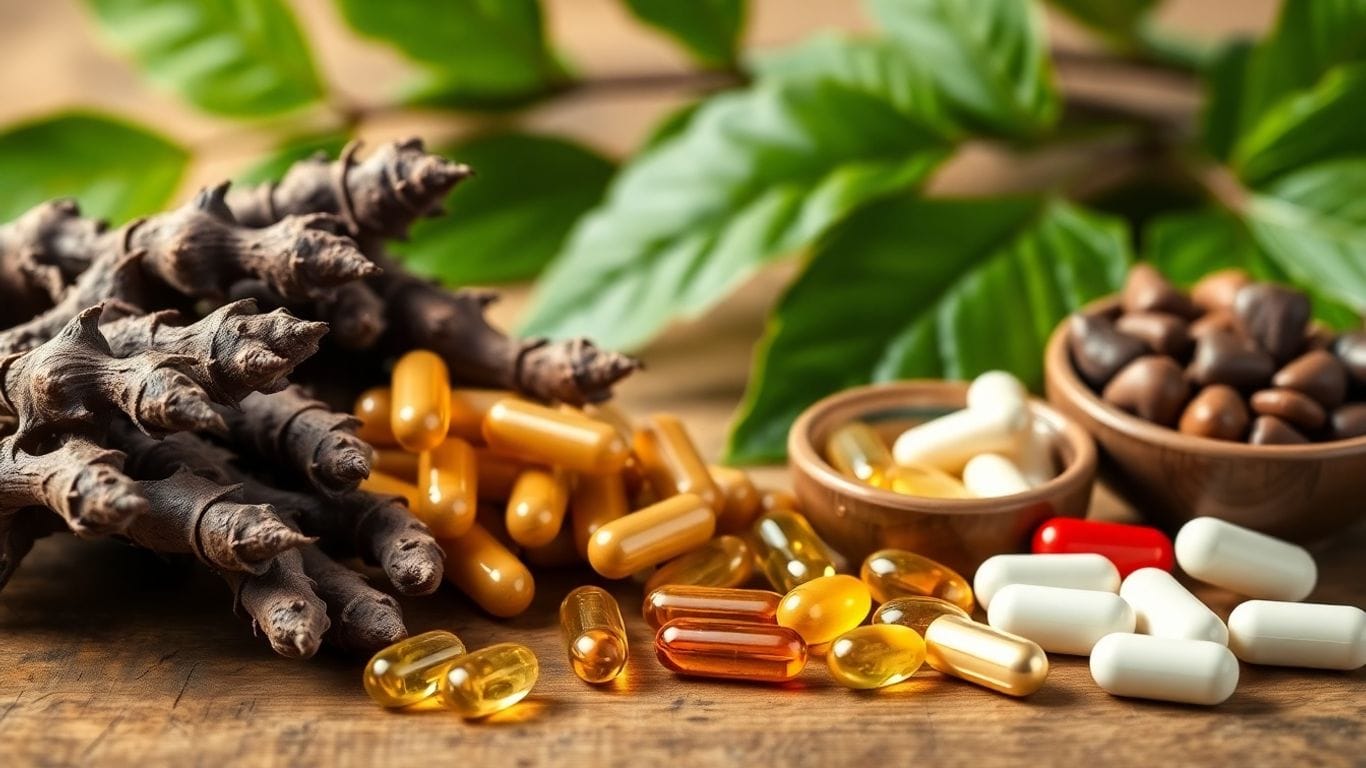
Ashwagandha is a supplement that’s getting a lot of attention these days, but it’s not the only one out there. If you’ve ever walked down the supplement aisle or scrolled through wellness websites, you’ve probably seen everything from Shilajit to maca root and ginseng. It can get confusing fast. Each of these has its own claims and fans, but the real question is: how does Ashwagandha actually stack up against the rest? Let’s break down what the science says, what makes Ashwagandha unique, and who might benefit most from choosing it over the alternatives.
Key Takeaways
- Ashwagandha is one of the best-researched adaptogens, especially for stress and mental health.
- Shilajit and other alternatives like maca and ginseng have some promising uses, but less clinical evidence.
- Ashwagandha is generally safe for most healthy adults, while some alternatives may carry more risks or quality concerns.
- Supplements come in many forms—powders, capsules, and tablets—each with pros and cons.
- If you want something with strong science behind it for stress, sleep, or focus, Ashwagandha is usually the best pick.
How Ashwagandha Compares to Popular Adaptogens
Key Benefits and Scientific Support
Ashwagandha stands out among adaptogens for its proven impact on stress, sleep, and cognitive health.
What makes it notable is the bulk of human trials backing these claims. While other adaptogens are no doubt popular and have roots in traditional medicine, the science is often patchy.
| Adaptogen | Main Claimed Benefit | Quality of Human Evidence | Common Use |
|---|---|---|---|
| Ashwagandha | Stress, mood, cognitive | Well-studied (multiple trials) | Daily supplementation |
| Ginseng | Energy, stamina, focus | Moderate (some trials) | Energy/fatigue |
| Rhodiola | Fatigue, adaptation to stress | Decent (limited trials) | Mental stamina |
| Gotu Kola | Cognitive support | Mixed, generally weak | Memory, alertness |
| Cordyceps | Physical performance, energy | Mostly animal & small trials | Athletic support |
- Ashwagandha has the most consistent, positive results for reducing cortisol and improving sleep.
- Ginseng and Rhodiola are often used for energy, but data aren’t as strong.
- Gotu kola and cordyceps show promise but need more robust human studies.
For most folks looking specifically for natural stress help, ashwagandha is usually picked for good reason—it simply has the strongest proof so far.
Unique Properties of Ashwagandha
Ashwagandha (Withania somnifera) is more than just a general stress reliever. Its unique set of properties includes:
- Reduces cortisol (stress hormone) levels, as seen in human studies.
- Improves both sleep quality and mental alertness.
- May support physical performance and recovery in athletes.
- Standardized extracts (withanolides) allow for consistent dosing and results.
What you don’t get everywhere: Some adaptogens can be energizing or can overstimulate. Ashwagandha often brings a grounding, calm energy, sometimes making you less jittery than with things like ginseng.
Similarities with Other Adaptogens
Ashwagandha isn’t alone in its adaptogenic effects—there’s a reason people lump it together with herbs like ginseng or rhodiola. Here are the shared traits:
- All are used to help the body resist physical and emotional stress.
- They come from traditional medicine backgrounds (Ayurveda, Chinese medicine, and others).
- Many can lift mood, mental stamina, or sometimes physical performance.
- Side effects are generally mild for most users, though specifics vary between herbs.
But here’s the honest difference: Ashwagandha is the only one in the group right now with a stack of reliable, modern research for stress and cognition in people—not just animals or anecdote. That puts it in a league of its own, especially for someone wanting science-backed choices.
Ashwagandha vs. Shilajit: What Sets Them Apart?
Origins and Ingredient Profiles
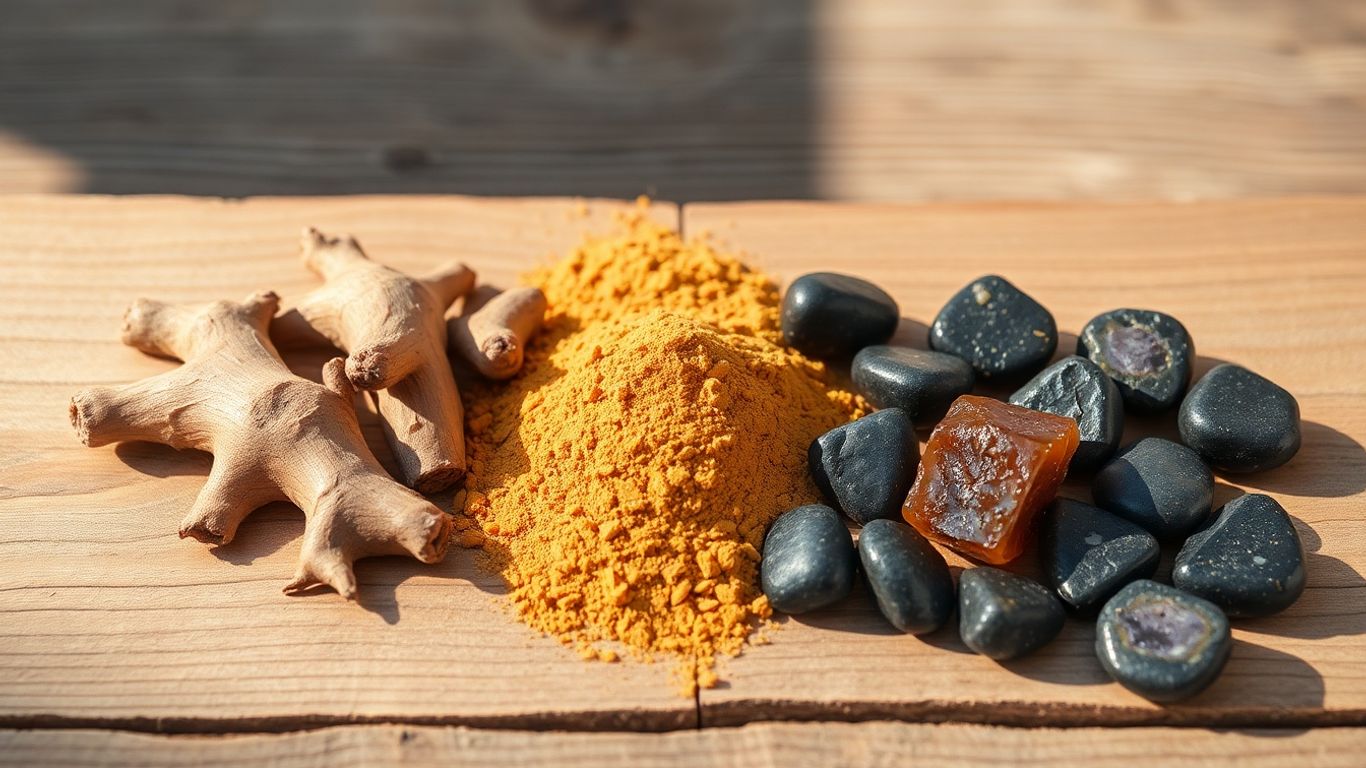
Let’s get the basics down first. Ashwagandha is an herb—specifically the root of the Withania somnifera plant. It’s been used for centuries in Indian Ayurveda, with a long track record for helping manage stress and support energy. Shilajit, in contrast, isn’t a plant at all. It’s a sticky black resin that seeps out of mountain rocks, mostly in the Himalayas. This resin is created over centuries as plant matter breaks down under layers of rock. Shilajit includes compounds like fulvic acid and various minerals, which make it nutritionally different from ashwagandha.
- Ashwagandha: Root of a nightshade-family plant
- Shilajit: Tar-like mineral resin from mountain ranges
- Main actives: Withanolides (ashwagandha), fulvic acid (shilajit)
- Used in Ayurveda, but with very different ingredient profiles
Clinical Evidence and Use Cases
When it comes to science, ashwagandha comes out way ahead. Dozens of well-run human studies back up the use of ashwagandha for things like stress, sleep, mood, and even muscle recovery. Shilajit, despite a cool origin story, doesn’t have the same level of scientific backup. Some early studies suggest it might help with energy or testosterone, but most evidence is either animal-based or uses tiny study groups.
| Feature | Ashwagandha | Shilajit |
|---|---|---|
| Key Purpose | Clinically proven for stress, sleep, cognition | Traditional use for energy, hormone support |
| Supporting Research | Multiple controlled human trials | Mostly preclinical/small studies |
| Best Use | Relieving stress, boosting mood, mental focus | Theoretical energy, vitality |
| Who Uses It | Broad (men, women, athletes, busy people) | Traditionally adults, mostly men |
Most people will get more predictable results choosing ashwagandha for stress or mood.
Quality and Safety Considerations
Quality is a big deal with both, but especially shilajit. Raw shilajit may contain heavy metals, pesticides, or contaminants, because it’s scraped directly from rocks and purified in different ways (or not at all). Processed, lab-tested forms are safer, but finding a trustworthy source isn’t easy. Ashwagandha is easier to standardize—and with reputable brands, you usually know exactly how much of the active ingredient you’re getting. Side effects with either supplement are generally mild, but shilajit’s safety data is much less clear.
To pick a safe supplement:
- Look for lab-tested, third-party certified products.
- Avoid raw shilajit unless purified and tested for metals.
- Start low, especially with shilajit, and watch for side effects like nausea or dizziness.
Even though both are popular for energy and wellness routines, if you’re focused on consistency and reliable results, ashwagandha is the safer and more studied choice. Picking something like NSF-certified products can help ensure you’re not taking risks with unknown ingredients.
Ashwagandha and Energy-Boosting Alternatives
Maca Root and Ginseng
When you're looking for something to help power through the day, maca root and ginseng are two names you'll bump into again and again at health food stores. Both are widely used, with roots in traditional medicine, but they approach energy differently:
- Maca root is known for its potential to support stamina and endurance, often used by athletes and those seeking a natural energy lift.
- Ginseng—whether it's Panax (Asian) or American—has a longer history in boosting alertness, focus, and physical performance. People often turn to it for a quick pick-me-up, but also to help with stress.
- Ashwagandha, while often touted for stress relief, may help you feel more energized by balancing cortisol and improving sleep rather than acting as a straight-up stimulant. So, you won’t feel the "rush" that ginseng can sometimes bring, but the effect is subtler and perhaps more sustainable.
Occasional tiredness can have many causes, and the way each root helps often depends on your personal health and lifestyle habits rather than just the supplement itself.
Coenzyme Q10 and B Vitamins
If you’ve ever scanned the back of an "energy blend" supplement, you’ve probably noticed CoQ10 and a whole slew of B vitamins tucked inside. They’re in there for good reason:
- B vitamins (especially B12 and B6) help convert food into straightforward energy your body can use immediately.
- Coenzyme Q10 is involved in your cell's energy production engines, called mitochondria. It’s not a stimulant, but it may help folks who feel sluggish, particularly if they’re older or have certain health conditions.
- Unlike ashwagandha, which works more by helping your body adapt to stress, these ingredients are more about cell-level energy support.
| Supplement | Main Mechanism | Notable Use |
|---|---|---|
| Ashwagandha | Stress reduction & sleep | Energy by lowering fatigue |
| B Vitamins | Cellular metabolism | Combats deficiency fatigue |
| CoQ10 | Mitochondrial function | Age- or statin-related tiredness |
Comparing Mechanisms and Results
Here’s how it all stacks up when you’re trying to decide which option might truly help with low energy:
- Ashwagandha doesn’t work like caffeine—there’s no jolt, but it might help you feel more consistently energetic over days and weeks.
- Maca and ginseng offer more immediate (though sometimes mild or inconsistent) boosts in physical or mental stamina, with ginseng feeling almost like an herbal version of a cup of coffee.
- CoQ10 and B vitamins are more about filling nutritional gaps or supporting your body’s underlying engines—don’t expect a rush, but these can make a real difference if your energy issues are rooted in a deficiency or some health condition.
If you’re choosing between them, it helps to ask what’s really dragging you down—stress, poor sleep, nutrition, or something else? It’s rarely a one-size-fits-all fix.
Changes in energy often show up gradually, and the right supplement sometimes just adds a little backup to your regular routine.
Ashwagandha’s Effectiveness for Stress and Cognitive Support
Clinical Outcomes for Stress Reduction
Ashwagandha is one of the most studied adaptogens for stress relief, and the data consistently show real benefits in people dealing with everyday stress. In clinical trials, people taking ashwagandha extract (usually 300–600 mg per day) saw noticeable drops in cortisol—the main stress hormone. Many folks also report feeling calmer and less overwhelmed after a few weeks of daily use.
Sample Outcomes Table
| Study Duration | Dosage | Reported Stress Reduction | Key Note |
|---|---|---|---|
| 8 weeks | 600 mg/day | 44% lower stress scores | Notable for mild anxiety |
| 12 weeks | 300 mg 2x/day | 31% lower cortisol | Also better sleep |
- Some users begin to feel improvements in stress within 2–4 weeks.
- Best effects are seen with high-quality, standardized extracts.
- Dose and consistency matter a lot; skipping days reduces the benefits.
Many people chasing relief from daily pressures feel that ashwagandha gives them breathing room, letting them handle challenges without feeling worn out afterward.
Impact on Sleep and Mood
Ashwagandha isn’t just about stress. It's also linked to improved mood and sleep in several studies.
- Users often notice it’s easier to fall asleep and stay asleep after a few weeks.
- People with mild anxiety or ‘restless mind’ at night often say they wake up less groggy.
- In controlled trials, mood scores (like feelings of irritability and lack of joy) often improved over 8–12 weeks.
It’s not a sedative, but it seems to help regulate sleep cycles and smooth out mood swings, probably because of its effect on stress hormones.
Performance and Focus Enhancement
Ashwagandha may help sharpen thinking and boost focus, which is super helpful if you’re drained from tension or long work hours.
A few key findings:
- Studies show improvements in reaction time, mental alertness, and working memory.
- Participants often say they can stick to tasks longer and make fewer mistakes.
- It may help with performance anxieties and boost confidence in stressful situations (like giving a presentation).
If you’re looking for a supplement for both stress and thinking skills, ashwagandha might be a solid bet—especially if your brain feels foggy after long periods of tension.
Safety and Tolerability of Ashwagandha Versus Its Alternatives
Understanding how ashwagandha stacks up against other supplements isn't just about their perks—how your body handles them day after day matters, too. For a lot of folks, safety and possible side effects are the deal-breakers.
Common Side Effects and Interactions
Ashwagandha is usually easy on the system for most people, but some will notice:
- Mild stomach upset (bloating or loose stool)
- Drowsiness or feeling a bit heavy in the limbs
- Minor headaches or a dry mouth now and then
Its main competitors—like Shilajit, maca root, ginseng, and certain vitamin blends—each bring their own risks:
- Shilajit: May cause dizziness, fatigue, or stomach discomfort; if not purified, can contain heavy metals
- Maca: Well-tolerated, but very high doses have been linked to slight digestive complaints
- Ginseng: Sometimes leads to headaches, trouble sleeping, or digestive upset
- B Vitamins / CoQ10: Generally safe, but super-high doses might cause flushing or nausea
Here's a quick glance at typical side effects:
| Supplement | Typical Side Effects | Severe Reactions |
|---|---|---|
| Ashwagandha | Drowsiness, digestive issues | Rare liver upset |
| Shilajit | Nausea, dizziness, metal risk | Contamination, toxicity |
| Maca | Mild GI upset in sensitive folks | Rare |
| Ginseng | Insomnia, headache | Blood sugar drops |
| CoQ10/B-vitamins | Mild GI discomfort (rare) | Flushing (B3 high dose) |
For anyone starting a new supplement, watch how your body reacts over the first week or two. What works for a friend may not work for you, and sometimes you won’t know until you try.
Long-Term Use and Contraindications
- Ashwagandha: Appears safe for months at typical dosages (300-600mg/day). Folks with thyroid issues, autoimmune disease, or who are pregnant should check with a health provider first.
- Shilajit: Safety past a few months is not known. Unregulated products may include dangerous contaminants.
- Ginseng/Maca: Used traditionally long-term, but long-term modern studies are limited. Can interact with some medicines (blood thinners or diabetes meds).
Three simple points to remember:
- Always review your other meds to avoid combos that clash.
- Quality control varies—a cheap supplement is sometimes a bad bet.
- Pregnant or breastfeeding? Talk to your doctor first, for any of these.
Choosing Safe, High-Quality Supplements
It’s honestly overwhelming how many supplements flood the market these days, and not all are created equal. Here’s how you can protect yourself:
- Look for products with third-party testing or certification—NSF, USP, or ConsumerLab often signal a cleaner, safer choice
- Buy from brands that are transparent about sourcing and test for contaminants (especially for Shilajit)
- Avoid mixes with tons of extra ingredients you don’t recognize or need
When all is said and done, ashwagandha stands out for its low risk of side effects and strong safety record—but only when taken as directed and purchased from reputable sources.
If you’re ever unsure, a little research and one chat with your doctor can go a long way toward keeping your wellness routine safe and stress-free.
Choosing the Right Ashwagandha Supplement Formulation
When it comes to ashwagandha, picking the right supplement form can make a big difference in your daily routine. You'll come across powders, capsules, tablets, and sometimes even gummies or liquid extracts. Each has its ups and downs, so let's break it down.
Powders vs. Capsules vs. Tablets
- Powders: Great for those who want to blend ashwagandha into smoothies or drinks. Powders usually allow for larger doses, but the earthy taste takes getting used to. They also mix unevenly unless you stir or shake them well, and measuring your dose can get messy.
- Capsules: Super easy—just swallow with water and you're good. Capsules are tasteless, convenient, and quick for folks on the go. However, dose sizes are usually fixed, and larger doses may require swallowing multiple capsules.
- Tablets: Usually cheaper and last longer on the shelf. The downside is that tablets can be harder to swallow and might take longer for your body to break down and absorb.
| Form | Best For | Usual Dose Range | Taste/Convenience |
|---|---|---|---|
| Powder | Custom dosing, mixing | 300-600mg+ | Strong taste, flexible, not as portable |
| Capsule | Easy travel, no taste | 300-600mg | No taste, very convenient |
| Tablet | Cost savings, stability | 300-600mg | Harder to swallow, slow absorption |
Standardization and Dosing
Ashwagandha’s main active components are withanolides. A good supplement lists its withanolide content and is standardized—often to around 3–5%. Most studies use doses in the 300–600mg range daily, split into one or two servings. When there’s no standardization, you can’t be sure what you’re getting.
Steps to find your ideal dose:
- Choose a product standardized to withanolides (check the label for a percent amount, usually 3%–5%).
- Start at a low dose—often 300mg—especially if you’re sensitive to new supplements.
- Increase over time only if you feel okay and want a stronger effect (don’t exceed package or healthcare advice).
Purity and Certification Factors
- Look for third-party testing or certifications like NSF or USP on the bottle. This means the product’s been checked for heavy metals, pesticides, and quality.
- Organic certification is a plus but not a deal-breaker.
- Always check for a batch number and clear ingredient panel, so you know exactly what you’re taking.
Even though supplement shopping looks simple, differences in quality and dosing can impact your results—and your safety. Take time to read the label or ask questions before you buy anything. It’s worth it in the long run.
In the end, the right form comes down to your habits and preferences—but don’t skip quality checks. If the supplement doesn’t state its withanolide content or has no quality mark, consider another brand.
Who Should Consider Ashwagandha Over Other Supplements?
If you’re feeling overwhelmed, sleep-deprived, or mentally drained, you might be looking at a long list of supplements claiming to help. So, when does it actually make sense to pick ashwagandha over everything else out there?
Scenarios Favoring Ashwagandha
- Chronic stress: If you regularly feel wired or anxious, ashwagandha can be a good pick since it's shown to reduce cortisol, the main stress hormone.
- Trouble with sleep: People who struggle with restless nights or mild insomnia often report better sleep quality and feeling more rested with ashwagandha than without it.
- Mental focus and mood: If brain fog, irritability, or poor motivation are issues, this herb has some actual studies showing it can help improve focus and reduce mild mood swings.
- Recovery from intense exercise or work: Ashwagandha is used by athletes and busy professionals to help the body bounce back from physical or mental strain.
For folks dealing with ongoing stress, poor sleep, and daily tension, ashwagandha isn’t just a hype—there’s enough data behind it to give it a try before some of the newer, less-tested supplements.
Wellness Goals and Demographics
| Goal/Situation | Ashwagandha Best For | Consider Other Supplements |
|---|---|---|
| Lowering stress and anxiety | Yes | CBD, L-theanine, Rhodiola |
| Boosting physical energy | Sometimes (mild effect) | Ginseng, Maca, CoQ10, B vitamins |
| Improving sleep | Yes | Melatonin, magnesium |
| Cognition/mental performance | Yes | Bacopa, Lion's Mane, Ginkgo |
| Hormone balance (men/women) | Yes | Maca (for energy/libido), Shilajit |
| Muscle recovery/strength | Yes | Protein, creatine |
Guidance for Supplement Selection
- Check your main goal — If your biggest complaint is stress, mood, or restlessness, ashwagandha stands out. For raw energy or physical stamina, consider it second to classic options like ginseng or B vitamins.
- Weigh the research — When you want something with proven effects, it's smarter to pick ashwagandha over newer trends like shilajit, which simply lack enough evidence.
- Consider your daily routine — Capsules and tablets are easy for busy people; powders may suit those who like smoothies or drinks.
- Don’t mix too many adaptogens. It sounds cool to try them all, but it makes it hard to tell what’s actually working—or causing any side effects.
- Always check with your doctor before starting if you have existing health issues or are taking medication.
Ashwagandha is a practical choice for people wanting natural, science-backed support for stress, mental sharpness, or sleep—especially when you want something safe and time-tested.
Conclusion
So, after looking at ashwagandha and its alternatives, here’s the bottom line: ashwagandha is the safer bet if you want something with real science behind it, especially for stress, mood, and focus. Shilajit and other trendy supplements might sound exciting, but most of them just don’t have the same level of research. That doesn’t mean they’re useless, but you’re kind of rolling the dice. If you’re curious and want to try something new, just make sure you’re picking a good-quality product and talk to your doctor first. And honestly, no supplement is a magic fix. Eating well, sleeping enough, and moving your body still matter way more than any pill or powder. Supplements can help, but they’re just one piece of the puzzle.
Frequently Asked Questions
Can you take ashwagandha and shilajit together?
Yes, you can take both at the same time. However, only ashwagandha has strong research showing it works. Shilajit’s effects and safety aren’t as well studied, so talk to your doctor before using them together.
How long does it take to see results from ashwagandha?
Most people start to notice benefits from ashwagandha after about 2 to 4 weeks of daily use. Results may be faster or slower depending on your body and the reason you’re taking it.
What are the most common side effects of ashwagandha?
Ashwagandha is usually safe for most people, but some may get an upset stomach, feel sleepy, or have diarrhea. Rarely, it can cause more serious problems like liver or thyroid issues, so check with your doctor if you have health concerns.
Is ashwagandha better for stress than other adaptogens?
Ashwagandha is one of the best-studied adaptogens for stress. Research shows it can lower stress hormones and help with mood and sleep. Other adaptogens may help too, but ashwagandha has the most proof behind it.
How do I choose the right ashwagandha supplement form?
Ashwagandha comes as powders, capsules, and tablets. Powders mix into drinks but may taste strong. Capsules are easy to take and have no taste, while tablets are cheap but can be hard to swallow. Pick the form that fits your needs and check for quality certifications.
Who should avoid taking ashwagandha?
People who are pregnant, breastfeeding, or have thyroid or liver problems should avoid ashwagandha unless a doctor says it’s okay. Also, if you take other medicines, ask your doctor before starting ashwagandha to make sure it’s safe for you.